Quick Answer
Raspberry leaf tea is traditionally used to support women's health, particularly during pregnancy and menstrual cycles, while beauty tea focuses on glowing skin and overall vitality. If you're seeking targeted support for reproductive wellness, choose raspberry leaf; if your goal is radiant skin and stress relief, beauty tea is your match.
When you're standing in the tea aisle, the choices can feel endless. Two popular herbal blends often catch the eye: raspberry leaf tea and beauty tea. Both promise wellness benefits, but they cater to different needs. Understanding their unique properties helps you pick the one that truly aligns with your health goals.
Raspberry leaf tea has a long history in herbal medicine, often recommended for toning the uterus and easing menstrual discomfort. Beauty tea, on the other hand, is a modern blend crafted to enhance skin health and promote a sense of calm. Let's break down what each offers so you can decide with confidence.
Raspberry Leaf Tea: Traditional Support for Women's Health
Raspberry leaf tea is made from the leaves of the red raspberry plant. It's rich in vitamins and minerals, including vitamins B, C, and E, as well as magnesium and potassium. Herbalists often recommend it to strengthen the uterine muscles, which may ease labor and reduce menstrual cramps.
Many women drink raspberry leaf tea during pregnancy, especially in the third trimester, to prepare the body for childbirth. However, it's not just for pregnancy; it can also help regulate heavy periods and ease PMS symptoms. Its earthy, slightly sweet flavor is pleasant on its own or with a touch of honey.
- Look for organic raspberry leaf tea to avoid pesticides.
- Start with one cup daily and increase gradually to assess tolerance.
Beauty Tea: A Blend for Radiance and Relaxation
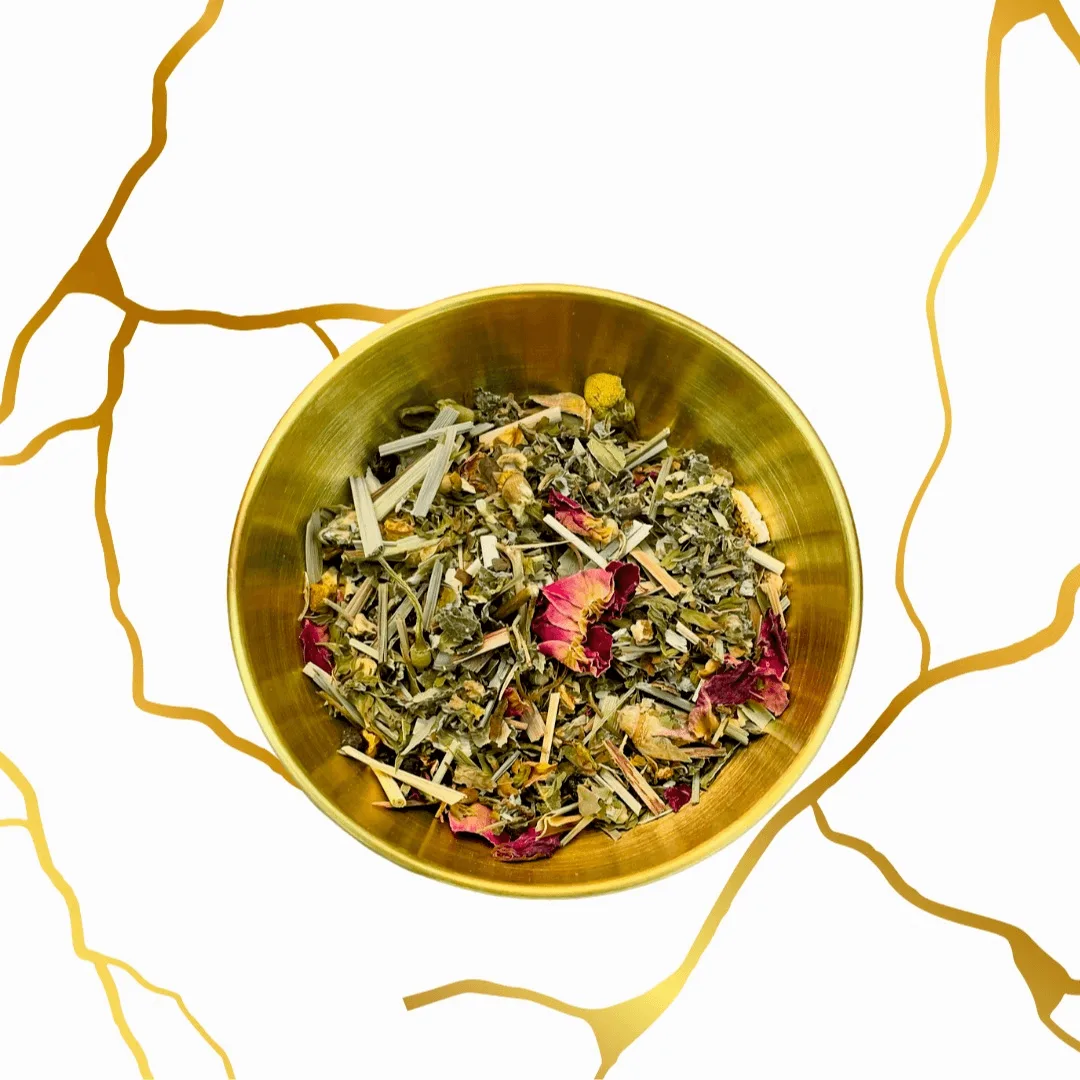
Beauty teas are typically blends of herbs known for their skin-loving and calming properties. A common example is the Stress Relief Lazy Daze Tea from Herbal Tea Healing, which contains organic spearmint, lemongrass, elderberry, red rose buds, linden flower, chamomile, raspberry leaf, and orange peel. These ingredients work together to regulate hormones and boost the immune system, which can reflect in healthier skin.
The raspberry leaf in this blend adds a touch of the traditional benefits while the chamomile and rose promote relaxation. This makes beauty tea a great choice for unwinding after a stressful day while supporting your skin from within. It's caffeine-free, so you can enjoy it any time without disrupting sleep.
- Beauty teas often contain multiple herbs; check the label for allergens.
- Brew with hot but not boiling water to preserve delicate botanicals.
Key Differences: At a Glance
The main difference lies in their primary purpose. Raspberry leaf tea is a single-herb infusion focused on uterine health and hormonal balance. Beauty tea is a synergistic blend designed to enhance skin appearance and emotional well-being. While both may contain raspberry leaf, the overall formulation shifts the effect.
For example, the Stress Relief Lazy Daze Tea includes raspberry leaf but pairs it with chamomile and rose for a calming effect. In contrast, a pure raspberry leaf tea delivers a stronger dose of that specific herb. If you're looking for targeted support, a single-herb tea is more potent; if you want a holistic approach, a blend might be better.
- Consider your primary goal: reproductive health vs. skin and stress.
- Check the ingredient list to see how prominent raspberry leaf is.
Trade-Offs to Consider
- Targeted vs. Holistic: Raspberry leaf tea offers a concentrated dose for uterine health, while beauty tea blends multiple herbs for skin and stress benefits. Choose raspberry leaf for specific menstrual or pregnancy support; choose beauty tea for overall glow and calm.
- Taste Profile: Pure raspberry leaf has an earthy, slightly bitter taste. Beauty teas often include sweet herbs like spearmint and orange peel, making them more palatable. If you're sensitive to bitter flavors, a beauty blend might be more enjoyable.
- Caffeine Content: Both are typically caffeine-free, but some raspberry leaf blends may include other teas. Always check the label. For evening use, both are safe, but beauty tea's calming herbs enhance relaxation.
Products Mentioned
- Stress Relief Lazy Daze Tea (Organic): Release the stress in your life and bring your body into harmony. Herbal Ingredients to help regulate stress related hormones, increase mood and health. Ingredients: Organic spearmint, organic lemongrass, organic elderberry, organic red rose buds and petals, organic linden flower and leaf, organic chamomile flower, organic raspberry leaf, and organic orange peel. Benefits: regulate hormones, boost immune system. This beauty tea includes raspberry leaf among its blend, offering a gentle introduction to its benefits while focusing on stress relief and skin health.
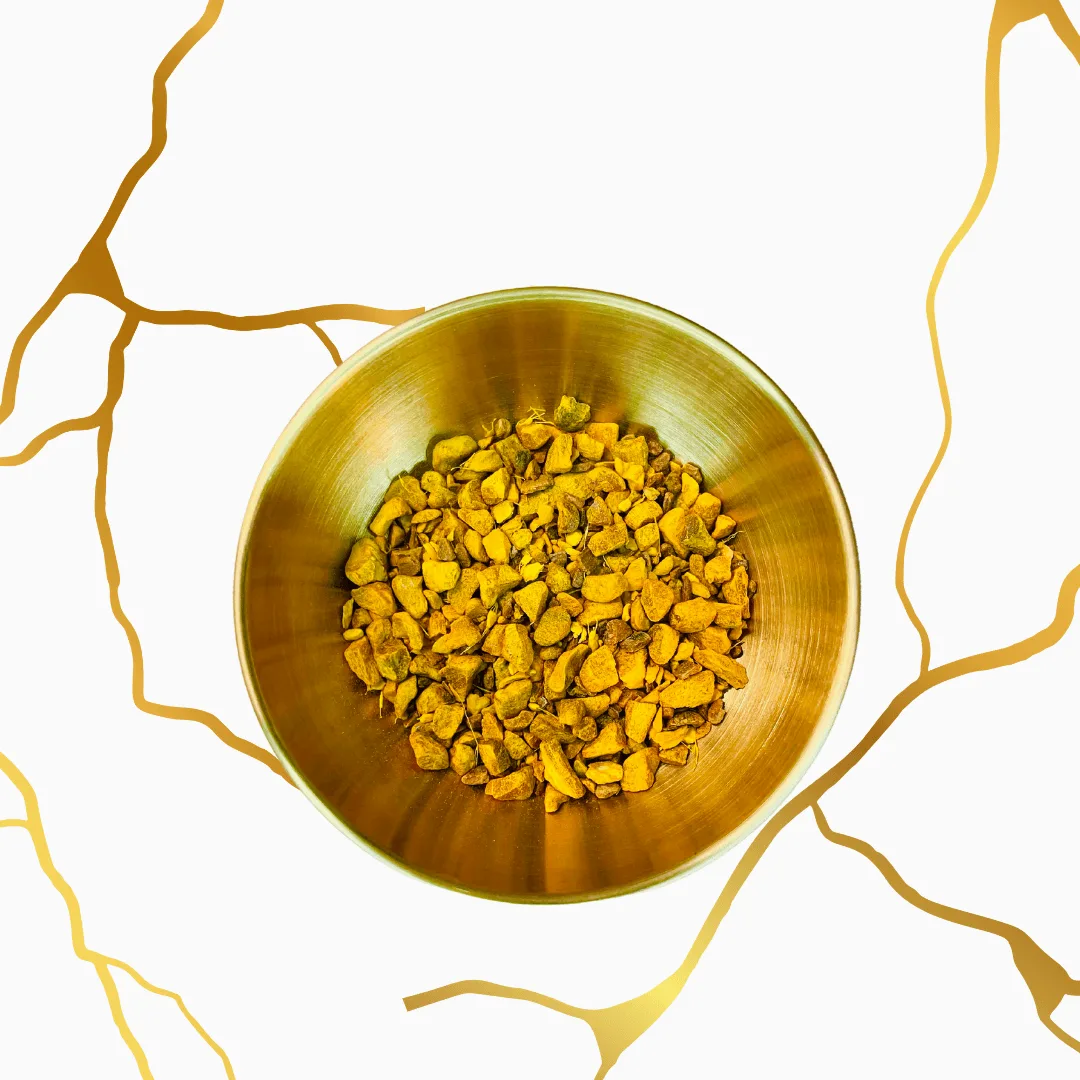
- Turmeric Cinnamon Spice Tea (Organic): A subtle spicy taste of turmeric and cinnamon, combined with the soothing taste of ginger. The primary active ingredient in Turmeric is curcumin, a potent antioxidant to help promote optimum health and well-being and support your body's natural defenses. Caffeine-Free. If you're comparing herbal teas for overall wellness, this antioxidant-rich option provides an alternative to raspberry leaf, focusing on anti-inflammatory benefits rather than reproductive health.
Which One Fits You?
Best For
- Women seeking natural support for menstrual cramps or pregnancy preparation.
- Those looking for a single-herb remedy with a long tradition of use.
Not For
- Anyone looking for a skin-focused blend with calming effects—beauty tea is more suitable.
Both raspberry leaf tea and beauty tea have their place in a wellness routine. If your priority is reproductive health, opt for a pure raspberry leaf tea. If you want to nourish your skin and unwind, a beauty blend like Stress Relief Lazy Daze Tea offers a delicious, holistic approach. Consider your goals and taste preferences to make the right choice.