What thick rattan vine roots bring to a tank
Thick rattan vine roots are a flexible, natural hardscape material for aquascapers who want the look of mangrove roots or ancient tree trunks without committing to a single fixed shape. Because the vine can be twisted and cut, it works as aquarium vine root background structure, around rockwork, or as detail on larger pieces of wood.
The supplied product record describes the vines as a natural product that releases beneficial tannins and does not release unwanted toxins or rapidly affect pH. That makes them a reasonable candidate for a natural-style layout, but the preparation step matters before anything goes into the water.
What the Castle Dawn Aquatics listing confirms
-
Thick Rattan Accent Vine Roots: Average size stretched out: 500cm (5 Meters); thickness (diameter): 1cm. A 5-meter length gives you enough material to wrap, twist, and trim for a background or root-style layout, while the 1cm diameter keeps the vine slender enough to weave around rock.
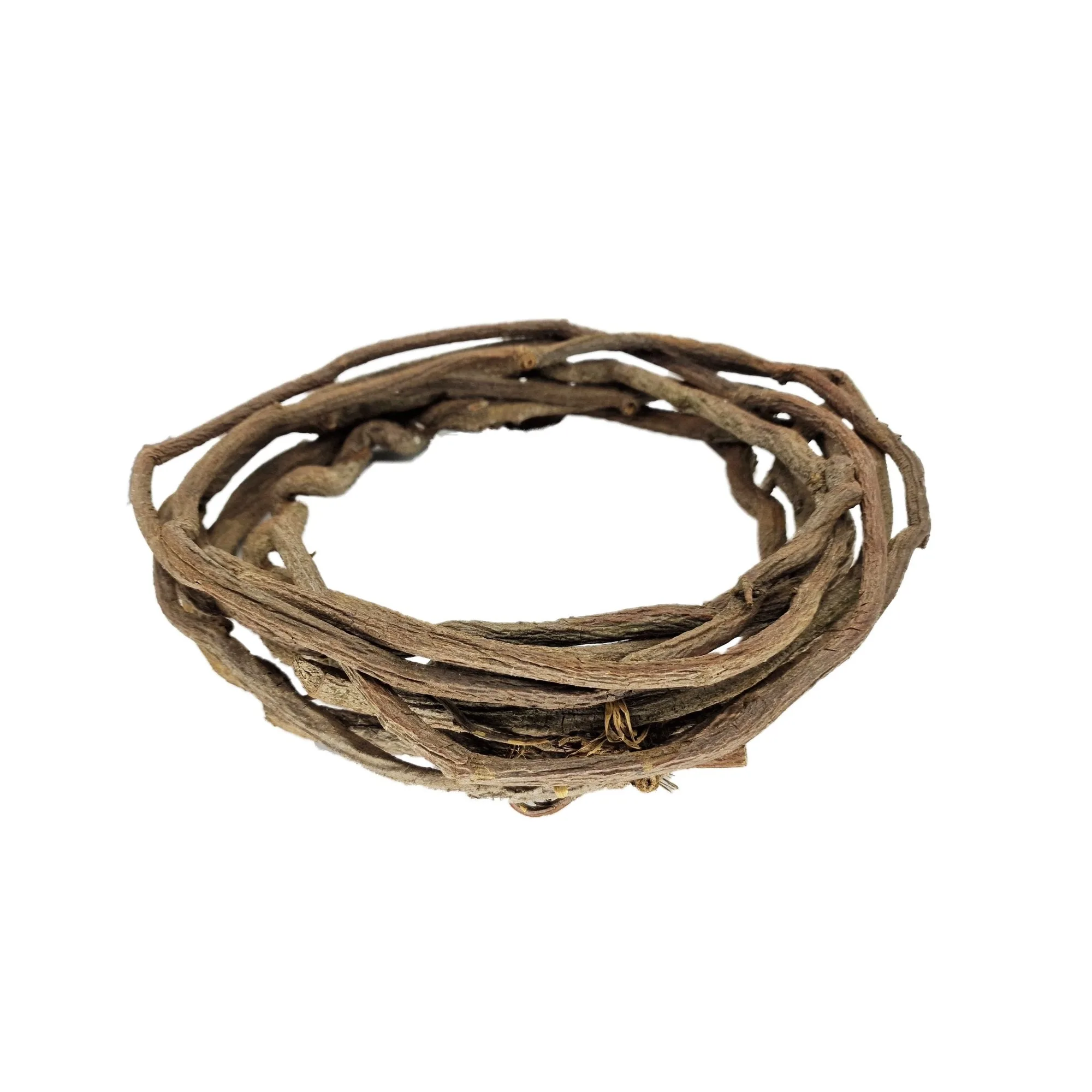
Thick Rattan Accent Vine Roots
-
Thick Rattan Accent Vine Roots: The vines can be cut to desired size and shape. You can size pieces to your tank rather than forcing a single long vine into the layout.
-
Thick Rattan Accent Vine Roots: The vines are a natural product and need to be soaked thoroughly in boiling water before use. This is the one preparation step the supplied record explicitly requires before the vine goes into the aquarium.
-
Thick Rattan Accent Vine Roots: The vines do not release unwanted toxins into the water or affect the pH rapidly. This is the main safety statement in the supplied record, and it is worth reading alongside the tannin note rather than as a guarantee about every tank.
Preparing vine roots for aquarium use
The supplied record gives one clear preparation instruction: soak the vine thoroughly in boiling water before use. Treat that as the starting point and keep the rest of the process conservative.
- Soak thoroughly in boiling water: The catalog states the vines are a natural product and need to be soaked thoroughly in boiling water before use. Do this before any cutting or placement so the whole piece is treated.
- Cut and shape after soaking: The vine can be cut to your desired size and shape. Plan the layout first, then trim so you are not left with short offcuts that no longer suit the design.
- Test-fit around rock and wood: The record notes the vine can be twisted in and around rock hardscapes and used to detail tree trunks. Dry-fit or trial-place the pieces before final positioning so the twists sit naturally.
- Place with the layout in mind: Use longer runs for an aquarium vine root background and shorter cut pieces for detail work on trunks or around stones. The 1cm diameter makes the vine easy to weave into gaps.
Tannins, pH, and what the listing does not promise
The supplied record says the vines release beneficial tannins and do not affect pH rapidly. Those two statements belong together: tannins are part of the natural look and water character, while the pH note is about speed of change, not a promise that pH will never move.
The record does not give a soaking time, a water-volume ratio, or a pH testing schedule. Rather than inventing those numbers, use your own tank monitoring routine and observe how the water looks after the vine is added. If you keep sensitive livestock, the absence of a specified preparation time is a reason to proceed cautiously, not a reason to assume the product is unsafe.
Where rattan vine works best in a layout
The vine is a detail and structure material, not a replacement for a primary rock or wood hardscape. The table below matches the supplied features to common layout roles.
- Mangrove-style root effect: The record describes using the vines to create realistic mangrove roots penetrating the water. Long, twisted runs suit this role.
- Background structure: A 5-meter length can be run across the back of the tank and cut to fit. The 1cm diameter keeps it visually light compared with thick driftwood.
- Detail on tree trunks: The record notes the vines add crucial details on tree trunks to give the appearance of ancient underwater forests. Short cut pieces work here.
- Around rock hardscapes: The vine can be easily twisted in and around rock hardscapes. Use it to soften edges and tie rockwork into the planting.
Limits to plan around before you order
The supplied record confirms the vine is a natural product sourced organically and free from pesticides and chemicals, and that it can be cut to size. It does not confirm a specific lifespan in water, a recommended number of pieces per tank, or compatibility with particular fish or invertebrates beyond the general water-safety statement.
That does not mean the product is unsuitable for a given setup; it means those details are not confirmed by the supplied information. If your tank has strict requirements, treat the vine as one element of the hardscape and keep your usual water checks in place after adding it.