Quick answer
For aquascapers seeking a lightweight, flexible hardscape material, extra thick rattan vine roots offer realistic mangrove and ancient forest details without the weight of traditional driftwood.
Why choose rattan vine roots over driftwood?
Rattan vine roots are a natural hardscape material that brings a distinct, organic texture to aquariums. Unlike solid driftwood, these multifaceted vines are lightweight and pliable, making them easier to position and adjust in tight spaces. They can be twisted around rocks and other hardscape elements, allowing for creative, layered designs that are difficult to achieve with rigid wood.
The realistic appearance of rattan vine roots makes them ideal for creating mangrove roots penetrating the water or adding intricate details to tree trunks, evoking the look of ancient underwater forests. This versatility is a key advantage when aiming for a biotope-style or nature aquarium layout.
Considerations for long-term durability
While rattan vine roots are a fantastic visual addition, they are not as dense as traditional driftwood. Over time, they may degrade in the aquarium environment, especially if not properly prepared. Unlike hardwood, rattan is a vine, so its structure is more porous and may break down faster. This is an important trade-off to weigh if you plan a long-term, low-maintenance setup.
To maximize longevity, consider using rattan vine roots in areas where they are not the primary structural support, such as accent pieces or decorative overlays. This allows you to enjoy their aesthetic benefits while minimizing the risk of premature deterioration.
Decision rules for using rattan vine roots
- If you want realistic mangrove roots: Use extra thick rattan vine roots to create roots penetrating the water surface. Their natural curve and texture mimic mangrove growth patterns effectively. Position the thicker ends downward for stability and a natural look.
- If you need to integrate with rock hardscape: Twist the vines in and around rocks to create a cohesive, natural transition between stone and wood. This works well for Iwagumi or nature-style layouts. Secure the vines with aquarium-safe adhesive or fishing line to prevent shifting.
- If you want to add details to tree trunks: Attach rattan vine roots to existing driftwood or stone structures to give the appearance of ancient underwater forests. This adds visual interest without increasing weight. Check the attachment points periodically to ensure they remain secure.
- If you prioritize long-term durability: Consider using rattan vine roots as accent pieces rather than main structural elements. Their porous nature may degrade faster than hardwood. Monitor their condition during water changes and replace if signs of decay appear.
- If you are concerned about water chemistry: Like most natural materials, rattan vine roots may release tannins. Soak them before adding to your tank to reduce initial discoloration. Use activated carbon if tannins affect water clarity.
Product spotlight
-
Extra Thick Rattan Accent Vine Roots: These multifaceted extra thick rattan vines are great for creating detailed showstopping designs, allowing your aquascaping imagination to run wild. Their extra thickness and flexibility make them suitable for both bold centerpiece structures and subtle accent details, giving you creative freedom in your layout.
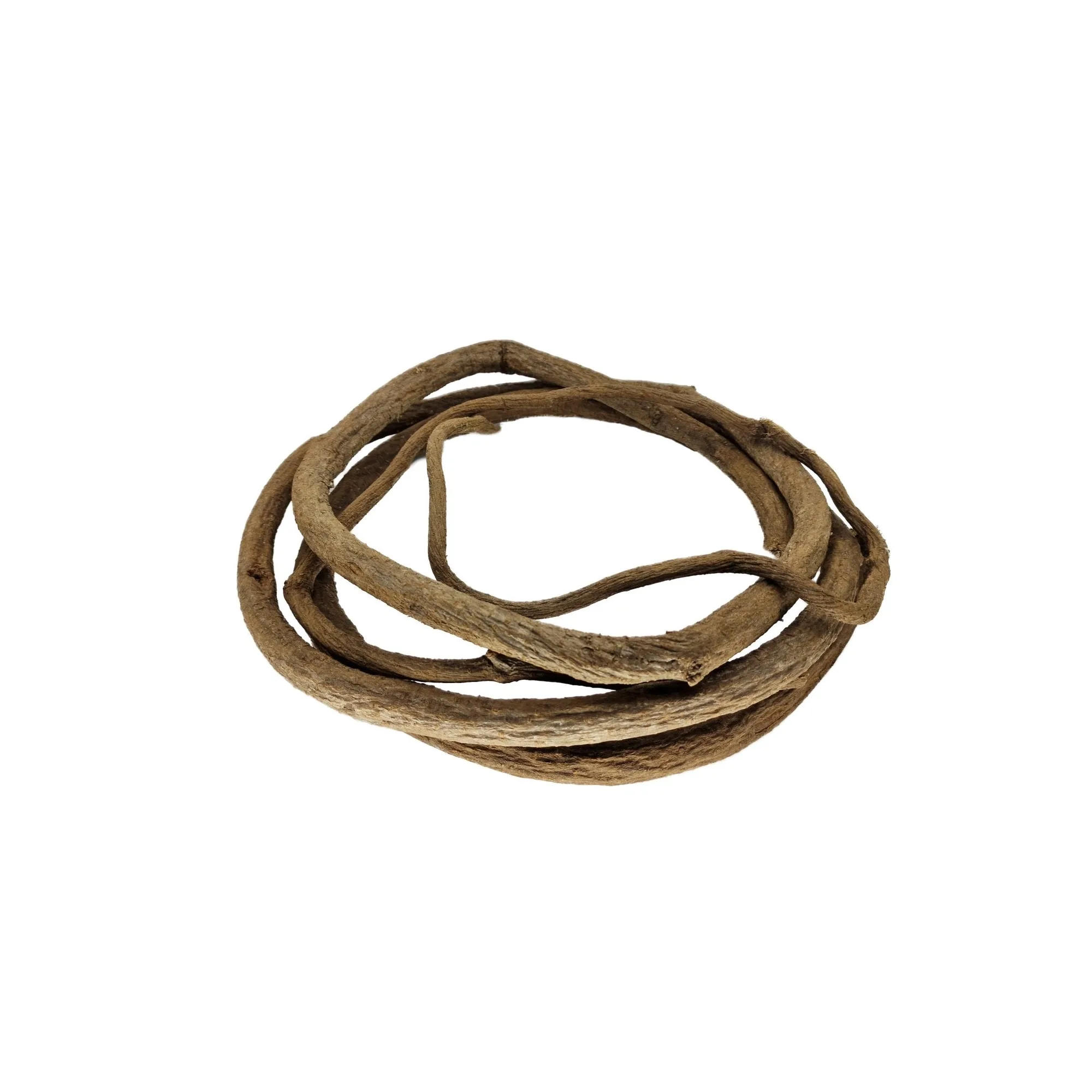
Extra Thick Rattan Accent Vine Roots
Who should choose rattan vine roots?
Best for
- Aquascapers creating mangrove or ancient forest biotopes
- Hobbyists looking for lightweight, flexible hardscape materials
- Those who enjoy detailed, intricate aquascaping designs
Not for
- Keepers requiring a long-term, low-maintenance hardscape that lasts for years
- Aquariums with large, aggressive fish that may uproot or damage soft materials