Quick Answer
Start your dog on a raw diet by choosing a balanced recipe, transitioning gradually, and following strict hygiene and safety practices to minimize risks.
Why Raw? The Real Benefits and Trade-Offs
Raw dog food enthusiasts often report cleaner teeth, a thicker coat, less body fat, and brighter eyes. These improvements can be noticeable within weeks, but they come with trade-offs. Raw feeding requires more planning, careful handling, and a commitment to nutritional balance. It's not a set-and-forget approach; you'll need to invest time in learning the basics and subtleties of preparing healthy meals your dog will enjoy.
One of the biggest trade-offs is the risk of bacterial contamination. Handling raw meat means you must follow strict hygiene practices to protect both your dog and your family. Additionally, creating a nutritionally complete raw diet is more complex than simply offering raw meat. You'll need to balance muscle meat, organ meat, bones, and supplements to meet your dog's specific needs.
Is Raw Right for Your Dog?
Raw diets can be a good fit for many dogs, but not all. Puppies, senior dogs, or dogs with certain health conditions (like pancreatitis or kidney disease) may not be suitable candidates. Always consult your veterinarian before making the switch, especially if your dog has a medical history.
Also consider your own lifestyle. Raw feeding demands freezer space, time for prep, and consistency. If you travel often or have a busy schedule, you'll need to plan ahead to ensure your dog's meals are always ready.
Decision Rules for Starting a Raw Diet
- Rule 1: Start with a Balanced Recipe: Use a recipe that includes muscle meat, organ meat, and bones in proper proportions. Avoid single-ingredient diets unless advised by a vet. A balanced recipe is non-negotiable for long-term health.
- Rule 2: Transition Gradually: Over 7–10 days, slowly mix increasing amounts of raw food with your dog's current food to avoid digestive upset. A gradual transition reduces the chance of stomach issues.
- Rule 3: Prioritize Hygiene and Safety: Thaw raw food in the refrigerator, use separate cutting boards and utensils, and wash your hands and surfaces thoroughly after handling. Cleanliness protects both your dog and your family.
- Rule 4: Monitor Your Dog's Response: Watch for changes in energy, coat quality, and stool consistency. Adjust portions if your dog gains or loses too much weight. Regular monitoring helps you fine-tune the diet.
- Rule 5: Consult Your Veterinarian: Before starting, discuss the raw diet with your vet, especially if your dog has health conditions or is a puppy. Vet guidance is essential for dogs with special needs.
A Helpful Resource
-
Home-Prepared Diets for Dogs, Part Two: Raw Diets: This publication from Whole Dog Journal covers the basics and subtleties of preparing healthy raw food your dog will enjoy. It gives you a structured starting point to learn the fundamentals of raw feeding without guesswork.
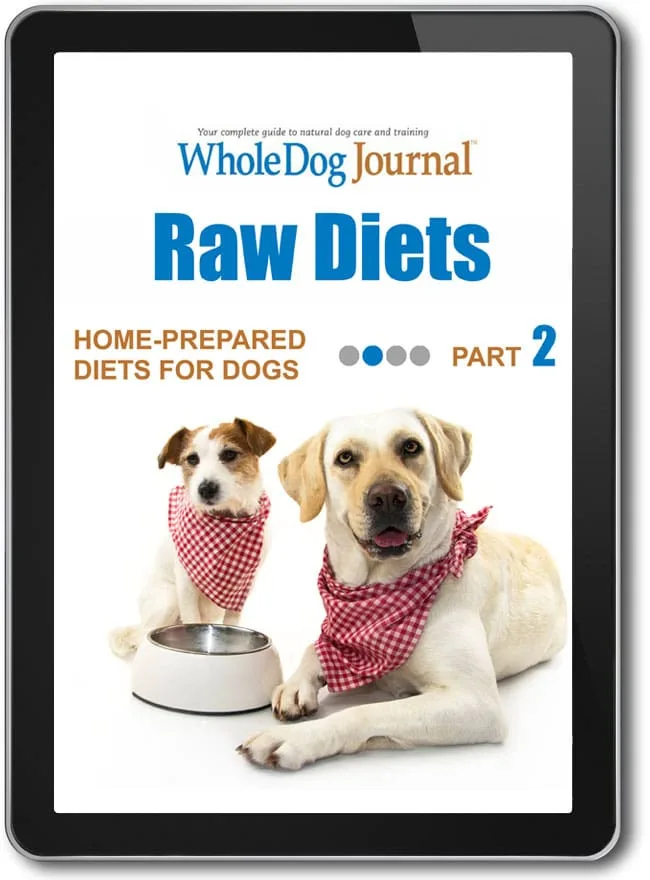
Home-Prepared Diets for Dogs, Part Two: Raw Diets
Who Should Choose Raw?
Best for
- Healthy adult dogs with no chronic health issues
- Owners who can commit time to meal prep and research
Not for
- Dogs with compromised immune systems or chronic conditions
- Owners who prefer the convenience of commercial kibble