Quick answer
If you want one deck that handles everything from poker night to casual card games, buy a standard-index deck with a plastic-coated or air-cushion finish and a clean back design. Skip gimmick decks unless you already know the game you're buying for. The real deal is a deck that shuffles smoothly, survives repeated use, and looks good enough to leave on the table.
Most people buy playing cards the same way they buy paper towels: grab whatever is closest. That works until you host a game night and realize the deck sticks, the corners fray, or the face cards are so busy you can't read them across the table.
This guide breaks down what actually separates a good deck from a bad one, which features matter for different games, and how to match a deck to the people who will use it. No hype, just the trade-offs worth knowing before you spend.
What actually makes playing cards good
Three things matter most: stock, finish, and print quality. Stock is the paper or plastic core; a stiffer stock holds its shape longer but can feel stiff to bridge. Finish is the coating that determines how cards slide and shuffle. A linen or air-cushion finish gives you that smooth, slightly textured feel most players expect. Print quality is about registration and contrast, so suits and numbers stay readable under dim light.
You will also see 'plastic-coated' versus '100% plastic.' Plastic-coated cards are paper cores with a plastic layer, which keeps them affordable and pleasant to shuffle. All-plastic decks are waterproof and nearly indestructible, but they can feel slick and are harder to fan. For most home games, plastic-coated is the better middle ground.
- Check the corners: rounded, cleanly cut corners last longer than sharp or fuzzy ones.
- Look at the pips: if the numbers are off-center or blurry, the print run was rushed.
- Weigh the deck in hand: a flimsy deck telegraphs cheap stock before you even shuffle.
Match the deck to the game
Poker and blackjack reward a standard index and a low-glare finish. A clean white border with a simple back pattern helps you spot marked cards and keeps the table looking sharp. Bridge and rummy players often prefer a slightly narrower card for easier handling, especially if hands get large. If you play with kids or casual players, larger index cards are easier to read across the table.
For party games and drinking games, durability beats elegance. You want a deck that can survive spills, bends, and being shoved back in the box. That is where a plastic-coated deck with a busy but readable design earns its keep. If you are buying for a specific game with custom rules, check whether the deck needs jokers or extra cards before you commit.
- Poker night: standard index, white border, air-cushion finish.
- Family games: large index, bright suits, forgiving stock.
- Travel: all-plastic or a sturdy tin case to survive the bag.
Style versus substance
A beautiful deck can make a game night feel like an event, but style should not cost you readability. Foil, embossing, and dark back designs look great in photos and terrible under a dim lamp. If you want a deck that doubles as a conversation piece, choose one with a strong back design and keep the faces traditional. That way the deck works for actual play and still looks intentional on the table.
Unique playing cards are worth buying when the theme matches the crowd. A deck tied to a brand or hobby you already enjoy gets used more often than a generic pack. The trade-off is that heavily themed decks sometimes use non-standard suits or court cards, which can confuse new players. Read the description carefully before assuming a themed deck plays like a standard one.
- Buy one showpiece deck and one workhorse deck instead of three mediocre ones.
- If the faces are custom, make sure the suits are still obvious at a glance.
How to judge quality before you buy
You cannot shuffle a deck through a screen, so use the product details as your proxy. Look for the stock and finish named explicitly. 'Air-cushion finish' or 'linen finish' tells you the cards will slide. 'Plastic-coated' tells you they will resist moisture. If the listing only says 'high quality' with no specifics, treat that as a warning sign, not a selling point.
Also check the quantity and packaging. A single deck in a tuck box is fine for casual use. A two-deck set with a hard case is better if you host often or want to keep cards protected between games. If the listing does not state the card size or count, that is a real limitation, and you should assume standard poker size until the seller says otherwise.
- Named finish and stock are the two most useful quality signals.
- A hard case costs more but prevents the crushed-box problem.
- Missing specs are a reason to ask, not a reason to guess.
Decision rules for buying playing cards
- If you host game night regularly: Buy a two-deck set with a hard case and a named air-cushion or linen finish. You will shuffle more, spill more, and lose more cards than you expect. Durability and a spare deck beat a fancy single deck.
- If you play poker or bridge seriously: Prioritize standard index, white borders, and consistent stock over theme. Readability and slide matter more than artwork. Function first; style second.
- If you want a deck that looks good on the table: Choose a strong back design with traditional faces. Avoid all-over dark or foil faces that disappear under low light. A showpiece deck should still be playable.
- If you are buying for casual or family play: Look for large index and bright suits. Skip custom suits or non-standard court cards that slow down new players. Easy reading keeps the game moving.
Products worth pairing with game night
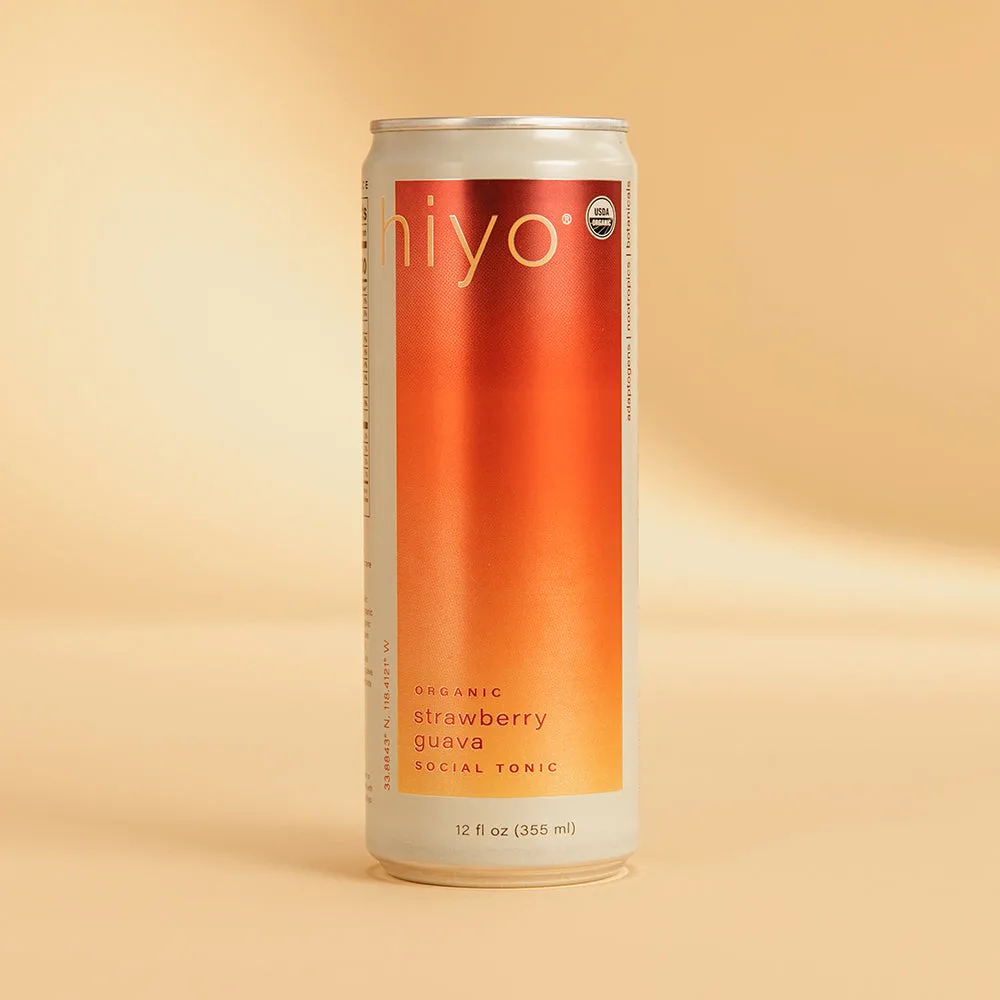
- https://drinkhiyoes.com/products/strawberry-guava-4pk-1-4fdbaac9bace793f9419ec8e-1309487strawberry guava: Non-alcoholic strawberry guava seltzer crafted with stress-relieving, mood-boosting adaptogens, nootropics, and botanicals. Gives guests a flavorful drink option that keeps the table social without alcohol, so game night works for mixed crowds.
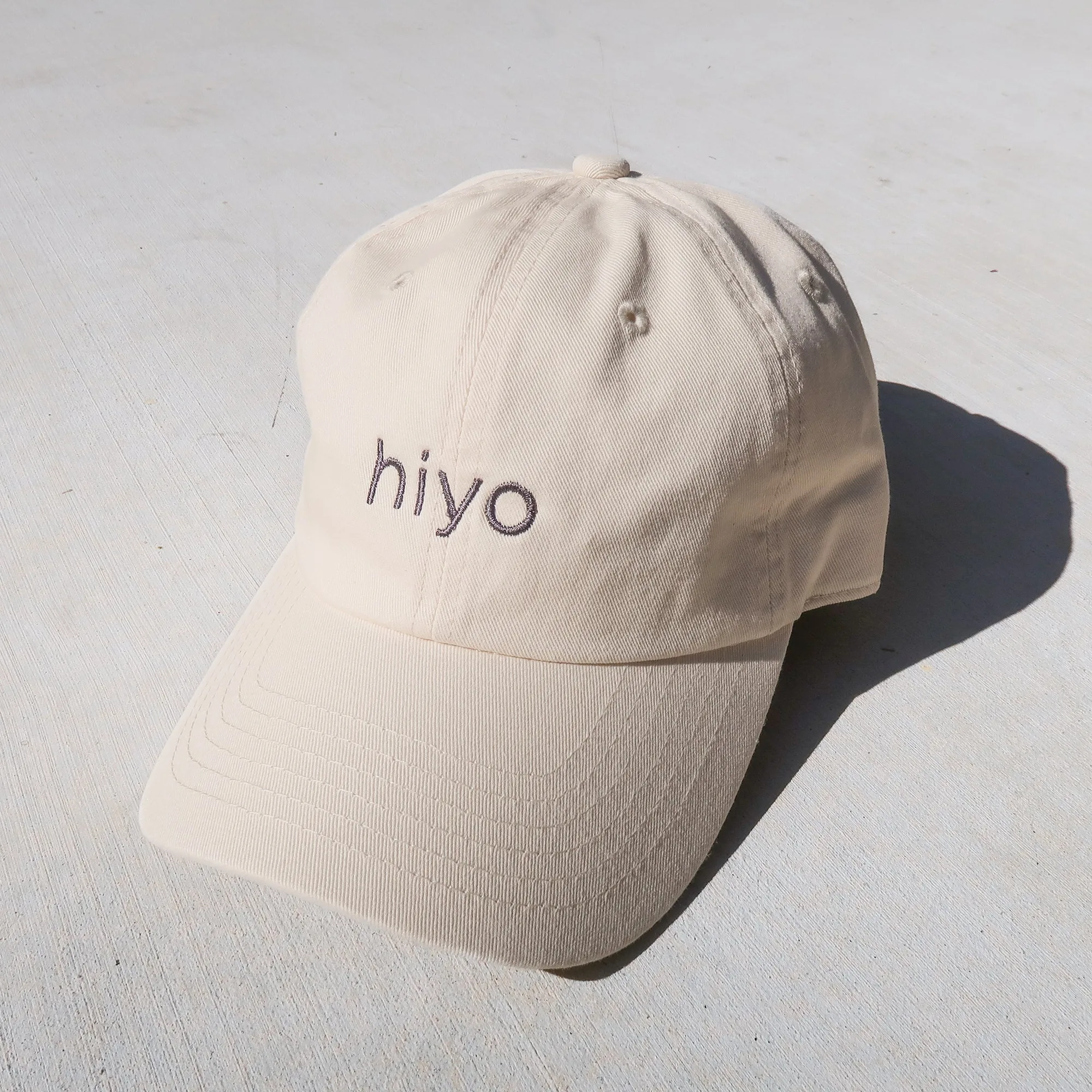
- hiyo dad hat: Unstructured, durable cotton cap with a soft crown lining and an adjustable brass metal buckle in back. A low-key way to rep the brand while keeping hair out of your face during a long card session.
- in the spirit hoodie: Midweight cotton-blend hoodie with a relaxed fit, no drawstrings, side seams, and ribbed cuffs and bottom band. Comfortable layer for late-night games when the room cools down, and the no-drawstring design keeps things simple.
Who this deck is for
Best for
- Hosts who want one reliable deck for poker, rummy, and casual games
- Players who value smooth shuffling and readable faces over novelty
- Adults building a game night kit with drinks and comfortable layers
Not for
- Collectors seeking rare or limited-edition decks as an investment
- Players who need all-plastic waterproof cards for pool or beach use
- Anyone who wants a fully custom deck with non-standard suits
A good deck of playing cards is a small purchase that quietly improves every game night. Focus on stock, finish, and readability, pick a style that matches your crowd, and keep a backup deck in the case. If you are stocking up for a gathering, pair the cards with a few hiyo staples and you are ready to deal.