Quick Answer
Choose a rechargeable or cordless setup if you pump away from a wall outlet, travel, or want to keep moving around the house. Choose a plug-in or wall-powered setup if you mostly pump in one spot and want to avoid charging altogether. Many parents do best with a hybrid: a rechargeable pump for portable sessions plus a spare battery or plug-in option for backup.
How Rechargeable and Plug-In Power Actually Differ
The real difference is where the electricity comes from, not how strong the pump is. A rechargeable pump runs on an internal or removable battery, so you are not tied to an outlet while you pump. A plug-in pump draws power from a wall outlet, so it stays ready as long as you have a socket nearby. Some pumps can do both, which is why the decision is less about one being better and more about where and how often you pump.
One honest limitation: battery life varies by pump model, suction setting, and age of the battery, and that exact runtime is not listed in the catalog facts here. If runtime matters to you, check the pump's own manual or product page rather than assuming a number.
Where Each Power Source Wins
Rechargeable power wins on movement. If you pump while commuting, at work, on a plane, or while chasing a toddler, a cordless pump removes the hunt for an outlet. It also makes middle-of-the-night sessions simpler because there is no cord to trip over or unplug.
Plug-in power wins on routine and predictability. If your pumping happens at the same desk, chair, or nursery spot, a wall-powered session means no charging schedule and no mid-pump battery surprises. For parents who pump exclusively at home, the outlet is often the simplest answer.
The Hybrid Setup Most Parents End Up Using
You do not have to pick one forever. A common approach is to use a rechargeable pump as your main pump and keep a spare rechargeable battery or a plug-in option as backup. That way a low battery does not cancel a session, and you are not carrying a cord you rarely need.
If you already own a compatible Lansinoh pump, adding a spare power source is often cheaper than buying a second full pump. That is a practical reason to check what your current pump accepts before you shop.
Cost, Parts, and Maintenance Trade-Offs
Rechargeable pumps usually cost more upfront because you are paying for the battery and charging hardware. Plug-in pumps can be simpler and sometimes cheaper, but they lock you to an outlet. Batteries also age, so a rechargeable pump may eventually need a replacement battery or power accessory.
Whichever you choose, parts wear out. Valves and diaphragms affect suction, so replacing them on schedule matters more to your output than the power source does. Keep a spare set of clean parts on hand if you pump away from home.
Power Source Trade-Offs at a Glance
- Portability vs. charging routine: Rechargeable and wearable pumps let you pump anywhere, but you must remember to charge them. Plug-in pumps never need charging but keep you near an outlet. Pick portability if your pumping location changes daily; pick plug-in if it rarely does.
- Upfront cost vs. long-term flexibility: A rechargeable pump or battery costs more initially. A plug-in setup can cost less but limits where you can pump. If you already own a compatible Lansinoh pump, a spare rechargeable battery is often the cheaper way to go cordless.
- Convenience vs. maintenance: Cordless pumping adds a battery to monitor and eventually replace. Both power types still depend on clean, unworn valves and diaphragms for suction. Budget for replacement parts either way; suction problems usually trace back to worn parts, not the power source.
Grounded Product Facts
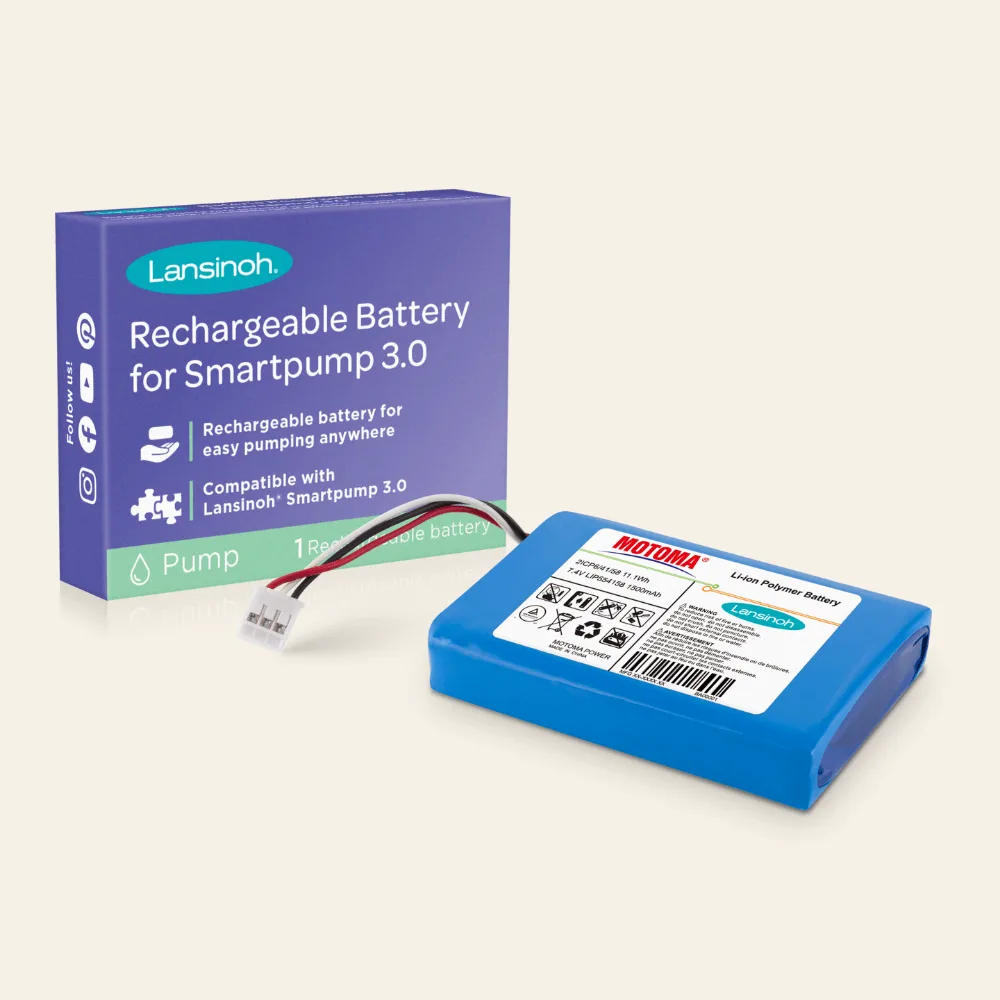
- Rechargeable Battery: Rechargeable Battery designed for use with Lansinoh breast pumps, with a rechargeable design for repeated use and portable power for pumping anywhere. If you already own a compatible Lansinoh pump, this is the lower-cost way to add cordless sessions without buying a second pump.
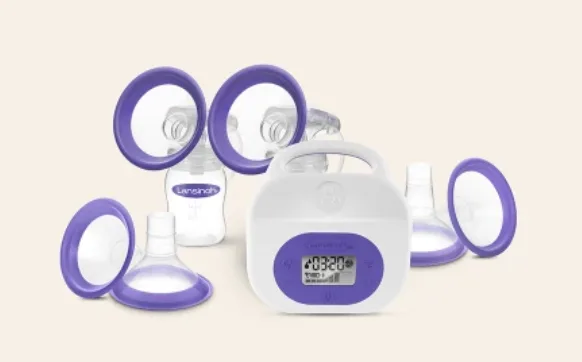
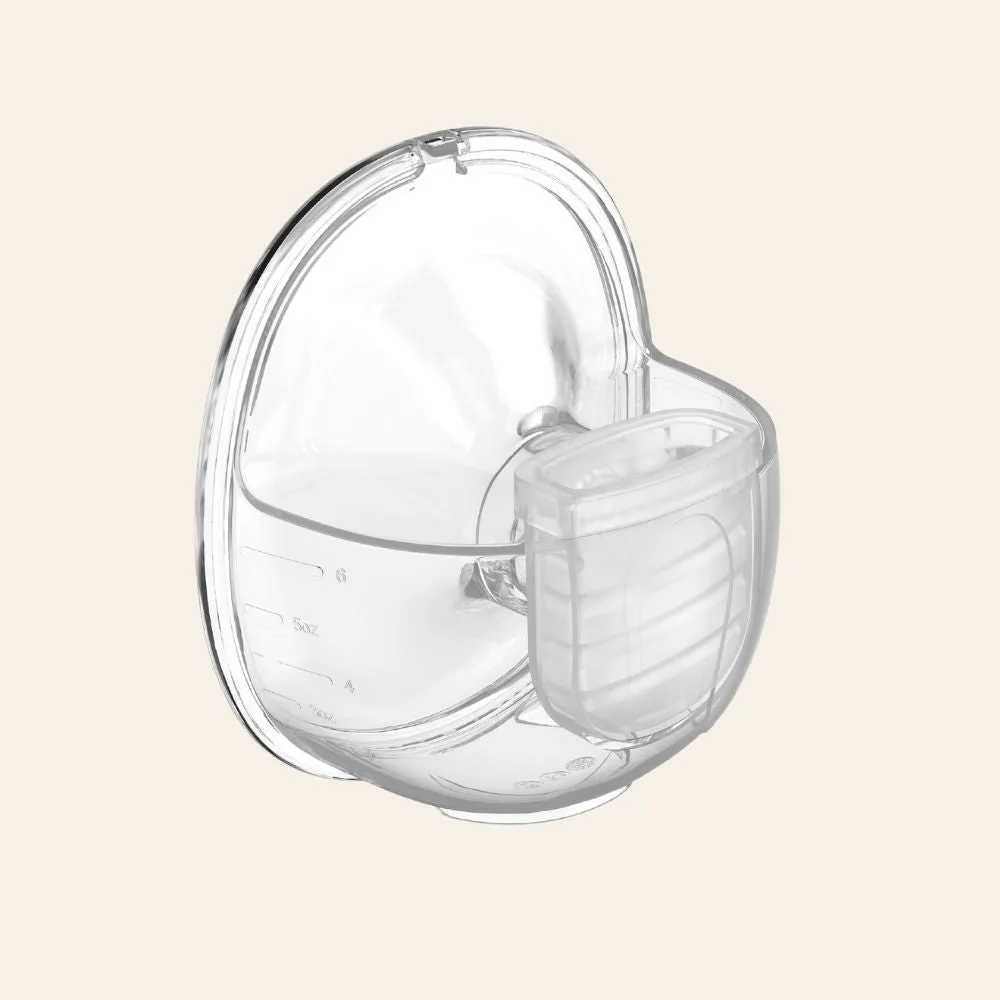
- Wearable Breast Pump: Lansinoh Wearable Pump with hospital-strength suction that is small, quiet, and easy to use, at a price positioned for a new-baby budget. A wearable, cordless pump fits parents who need to pump while moving, working, or caring for older children.
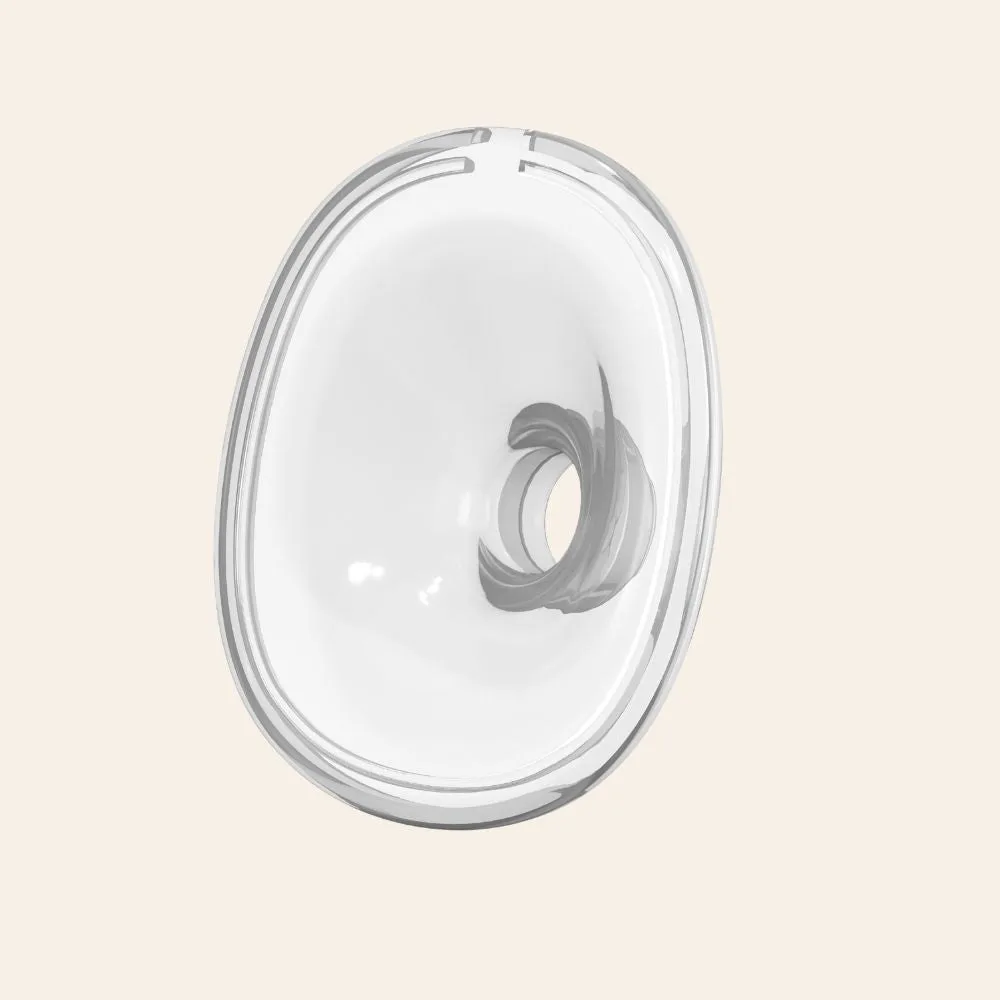
- Thrive 2-in-1 Breast Pump Diaphragm for PowerPump & Wearable Kit: Thrive 2-in-1 Breast Pump Diaphragm for PowerPump & Wearable Kit, available in sizes, sold as a spare set of parts for pumping away from home or replacing worn parts. Spare diaphragms keep suction consistent and prevent a worn part from disrupting a portable session.
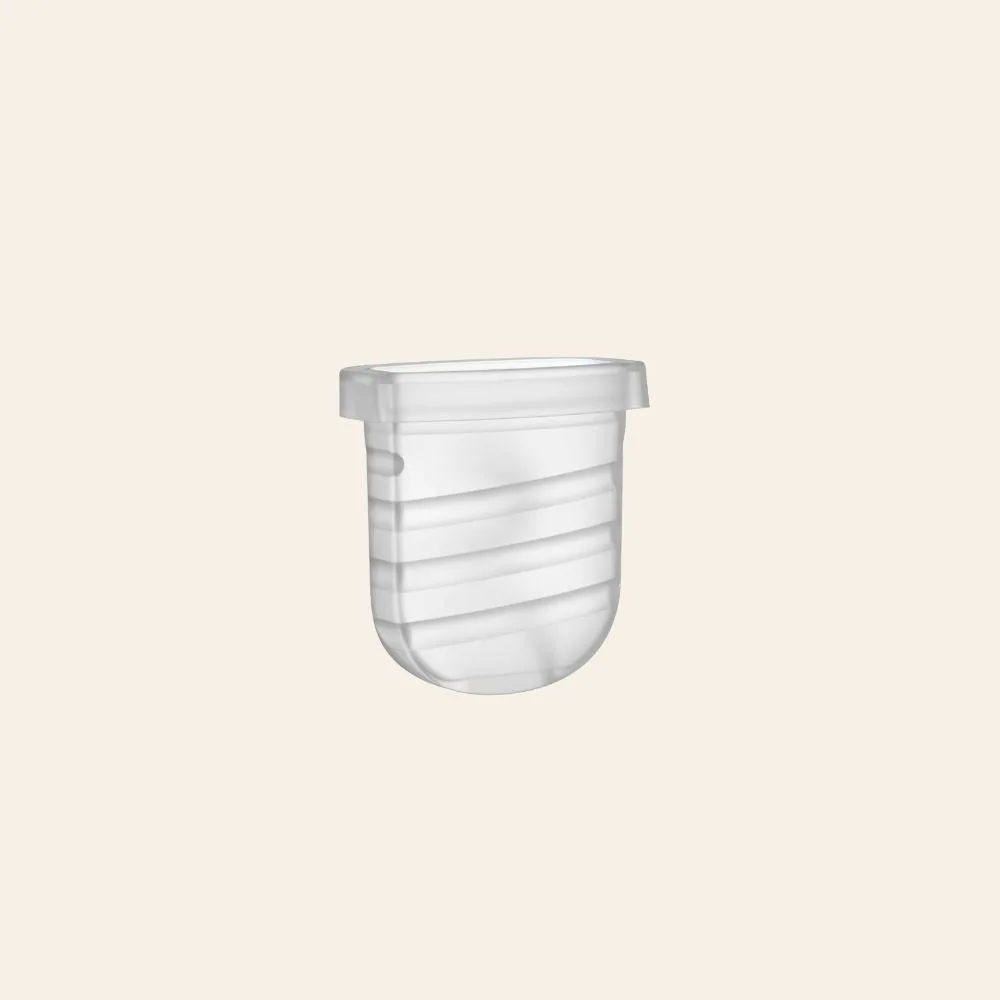
- Pump Valves - 4 Pack for Signature Pro and Smartpump: Pump Valves 4-pack for Signature Pro and Smartpump that attach to the flange body and work with the diaphragm to ensure proper suction; BPA free and compatible with Smartpumps, Signature Pro, and the Lansinoh Manual Breast Pump. Valves are a common wear item, so a 4-pack lets you replace them without interrupting your pumping routine.
Which Power Source Fits You?
Best for rechargeable or cordless
- Parents who pump at work, while traveling, or in different rooms each day
- Anyone who wants to avoid being tethered to a wall outlet during sessions
- Pumpers who already own a compatible Lansinoh pump and want to add portable power
Choose plug-in instead if
- You pump in the same spot every time and prefer never thinking about charging
- You want the simplest setup with the fewest power accessories to manage
- You are unsure about battery runtime for your model and would rather not depend on it