Quick answer
Choose the RecoveryTherm Cube if you need one wearable device that switches between cold, heat, and contrast therapy for minor injuries, pain, swelling, or muscle and joint recovery. Choose CryoTherm or a traditional ice pack if you only need cold therapy and want the simplest, most cost-effective option. The RecoveryTherm Cube replaces multiple tools but costs more; CryoTherm does one job well for less.
What RecoveryTherm Cube actually does
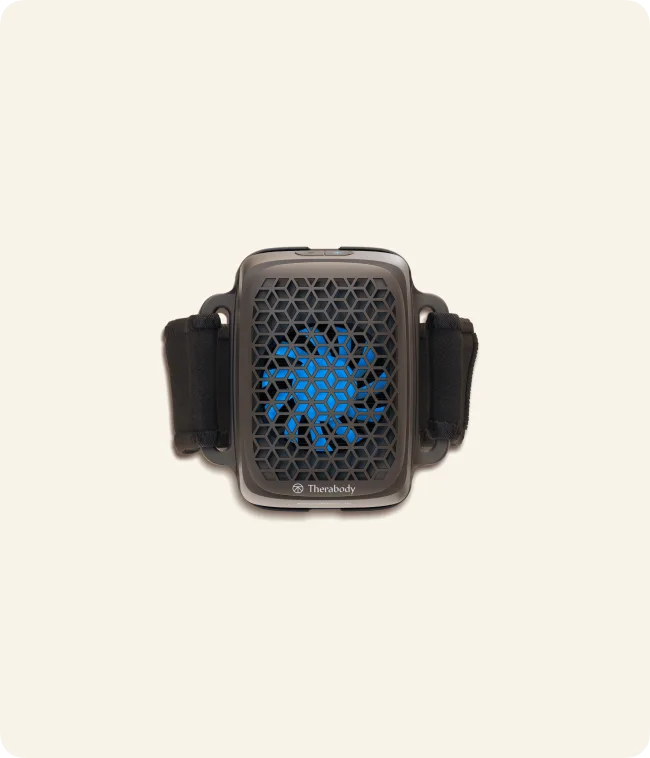
The RecoveryTherm Cube is a compact, wearable device that delivers instant cold, heat, and contrast therapy. According to the catalog, it helps support the treatment of minor injuries, ease pain, reduce swelling, and speed up muscle and joint recovery. That means you can use the same device for a post-workout ice session, a pre-activity warm-up, or a contrast routine that alternates between the two. The wearable format keeps your hands free and lets you move around during treatment, which is a practical advantage over holding an ice pack in place.
What CryoTherm and ice packs offer
CryoTherm is a dedicated cold therapy option. Its core strength is simplicity: apply cold to reduce swelling and numb sore areas after an acute injury or intense training. A traditional ice pack does the same job at a lower upfront cost, but it requires freezing, wrapping, and often re-freezing between uses. If your recovery routine is cold-only and you do not need heat or contrast, CryoTherm or an ice pack covers the basics without extra modes you will not use.
When to use heat vs cold therapy
Use cold therapy in the first 48 to 72 hours after a minor injury or when you want to reduce swelling and ease sharp pain. Cold is also useful after intense exercise to calm inflamed tissue. Use heat therapy before activity to loosen stiff muscles and joints, or when you want to ease persistent tension without numbing the area. Contrast therapy alternates cold and heat and is often used for recovery between training sessions. The RecoveryTherm Cube supports all three modes, while CryoTherm and ice packs support only cold.
How to use RecoveryTherm Cube
Place the wearable device on the treatment area, select cold, heat, or contrast, and let it run for the session. Because it is compact and wearable, you can use it while sitting, standing, or moving through light tasks. For cold therapy, keep the session short and check your skin regularly. For heat, start with a lower setting and increase only if comfortable. For contrast, alternate between cold and heat as your routine allows. Always follow the device instructions and stop if you feel discomfort.
Cost and convenience trade-offs
The RecoveryTherm Cube Refurbished is priced at USD 86.87 (catalog comparison price USD 119.00), while a basic ice pack costs far less. CryoTherm sits between those extremes. The Cube costs more upfront but replaces separate cold and heat tools, which can save space and simplify your routine. If you only need cold therapy a few times a month, an ice pack or CryoTherm is the more economical choice. If you regularly switch between heat, cold, and contrast, the Cube's versatility justifies the price.
Trade-offs at a glance
- Versatility: RecoveryTherm Cube offers cold, heat, and contrast modes in one wearable device. CryoTherm and ice packs offer cold only. Choose the Cube if you want one tool for multiple therapy types.
- Upfront cost: RecoveryTherm Cube Refurbished is USD 86.87 (catalog comparison price USD 119.00). A basic ice pack costs much less, and CryoTherm sits in between. Choose CryoTherm or an ice pack if budget is the priority and you only need cold.
- Convenience: The Cube is wearable and hands-free, with instant mode switching. Ice packs require freezing, wrapping, and re-freezing. CryoTherm is simpler than an ice pack but still cold-only. Choose the Cube for the least friction if you alternate between heat and cold regularly.
Product facts
- RecoveryTherm Cube Refurbished: RecoveryTherm Cube is a compact, wearable device that delivers instant cold, heat and contrast therapy to help support the treatment of minor injuries, ease pain, reduce swelling and speed up muscle and joint recovery. One device covers cold, heat, and contrast, so you do not need separate tools for each therapy type.
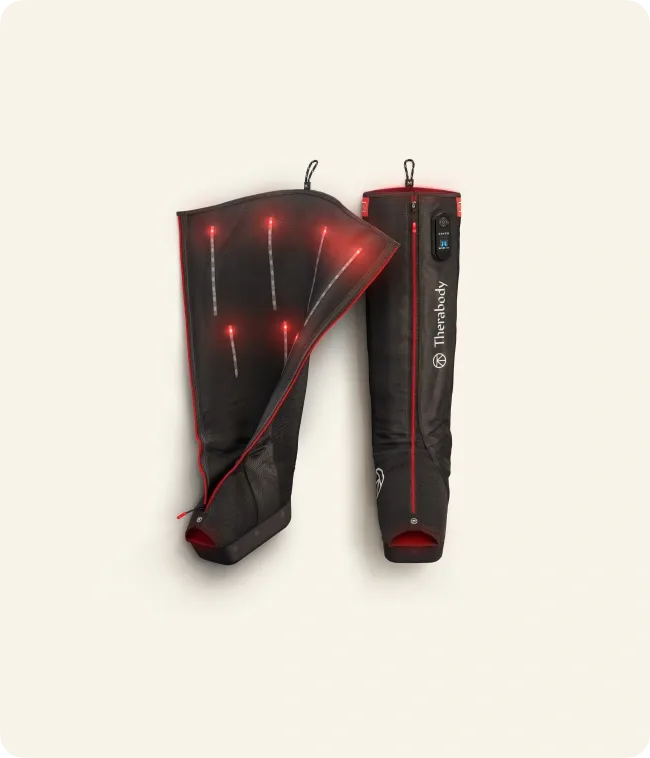
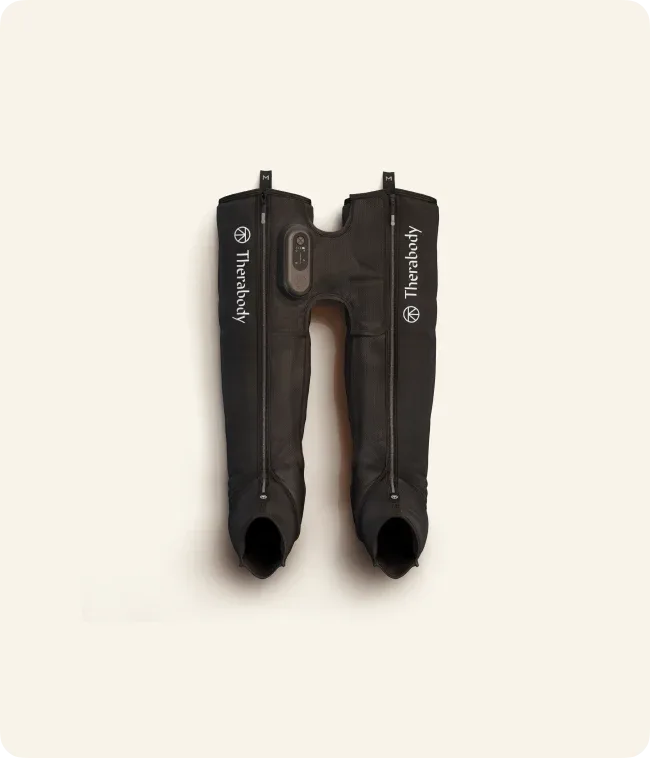
- JetBoots PRO Plus Refurbished: JetBoots PRO Plus are the first-ever wireless recovery boots to combine compression therapy with powerful vibration and infrared LED light therapies, delivering faster, more effective results in less time. If your recovery needs go beyond localized heat or cold, this device adds compression, vibration, and light therapy for a broader routine.
- JetBoots Prime Refurbished: JetBoots Prime are fully wireless compression boots designed to reduce soreness, speed up recovery and boost performance. Their lightweight, foldable design allows you to take recovery with you wherever you go. A portable compression option for lower-body recovery when you want to combine cold or heat therapy with dynamic compression.
Which should you choose?
Best for
- Athletes or active people who want one device for cold, heat, and contrast therapy
- Anyone recovering from minor injuries who needs to reduce swelling and ease pain
- Users who want a wearable, hands-free option for muscle and joint recovery
Not for
- People who only need cold therapy and want the lowest upfront cost
- Users who prefer a traditional ice pack and do not need heat or contrast modes
- Anyone looking for compression therapy rather than localized temperature therapy