Quick answer
Choose a 7x11 rectangular baker when you want more surface area for browning, easier serving of casseroles, and a shape that fits most side dishes. Choose a square pan when you need taller, even layers for brownies or small cakes and want the shortest possible bake time. If your recipe calls for an 8x8 square, a 7x11 rectangular baker is not a straight swap because the depth and browning change.
How 7x11 and 8x8 pans actually differ
A 7x11 rectangular baker gives you 77 square inches of surface area, while an 8x8 square pan gives you 64 square inches. That 13-square-inch difference matters more than it sounds: the rectangular baker spreads the same batter thinner, so it bakes faster and browns more evenly across the top. The square pan keeps the batter deeper, which is why it is the standard choice for fudgy brownies and small layer cakes that need a taller rise.
Depth is the other variable. A rectangular baker is typically shallower than a square pan, so a recipe written for an 8x8 pan may overflow or bake too quickly in a 7x11. If you are converting between the two, check the depth of both pans before you pour. When the depths are close, you can usually swap the pan and reduce the bake time by 5 to 10 minutes, then test with a toothpick.
Browning, edges, and texture
More surface area means more edge. A 7x11 rectangular baker produces a higher ratio of browned edges to soft center, which is ideal for casseroles, bar cookies, and side dishes where you want a crisp top. A square pan concentrates the batter, so the center stays moist and the edges are fewer. If your family argues over corner pieces, the rectangular baker gives you more of them.
For brownies specifically, the shape changes the result. A square pan yields a thicker, fudgier brownie. A 7x11 rectangular baker yields a thinner, chewier brownie with more crust. Neither is better; they are different textures. Decide which texture you want before you choose the pan, not after.
Oven fit, serving, and cleanup
A 7x11 rectangular baker fits most standard ovens with room to spare and is easy to carry with two hands when it is full of hot casserole. A square pan is more compact, which helps in small ovens or toaster ovens, but it can be harder to serve from because the sides are taller relative to the surface. For casseroles, the rectangular shape lets you serve portions in neat rows without digging into the center.
Cleanup is similar for both shapes if the pan is nonstick or ceramic coated. The rectangular baker has more interior surface to wash, but its shallower sides make it easier to wipe. A square pan with deeper sides can trap baked-on edges in the corners. Neither shape is a clear winner on cleanup; it depends on how sticky your recipe is.
How to convert a recipe between the two shapes
Start by comparing total volume, not just length and width. A 7x11 pan and an 8x8 pan hold similar amounts of batter when their depths are close, but a shallow 7x11 holds less than a deep 8x8. If your batter fills the square pan two-thirds full, it will fill the rectangular baker about half full. That is fine for bar cookies but risky for a cake that needs to climb.
For casseroles and savory bakes, the swap is usually forgiving. Keep the oven temperature the same and start checking 5 to 10 minutes earlier. For cakes and quick breads, stay with the pan the recipe specifies unless you are prepared to adjust leavening and time. When in doubt, bake a small test batch in the rectangular baker before committing a holiday recipe to it.
Trade-offs at a glance
- Surface area vs depth: A 7x11 rectangular baker spreads batter thinner for faster, browner results. An 8x8 square pan keeps batter deeper for a taller, fudgier center. Pick the rectangular baker for casseroles and bar cookies; pick the square pan for brownies and small cakes.
- Edge lovers vs center lovers: The rectangular baker creates more edges because it has more perimeter relative to volume. The square pan creates fewer edges and a larger soft center. If your household fights over corners, the rectangular baker ends the argument.
- Recipe conversion risk: Swapping an 8x8 recipe into a 7x11 pan can overflow if the rectangular pan is shallower, and it can dry out if you do not shorten the bake time. Check depth first, then reduce bake time by 5 to 10 minutes and test early.
Products that fit this comparison
Products
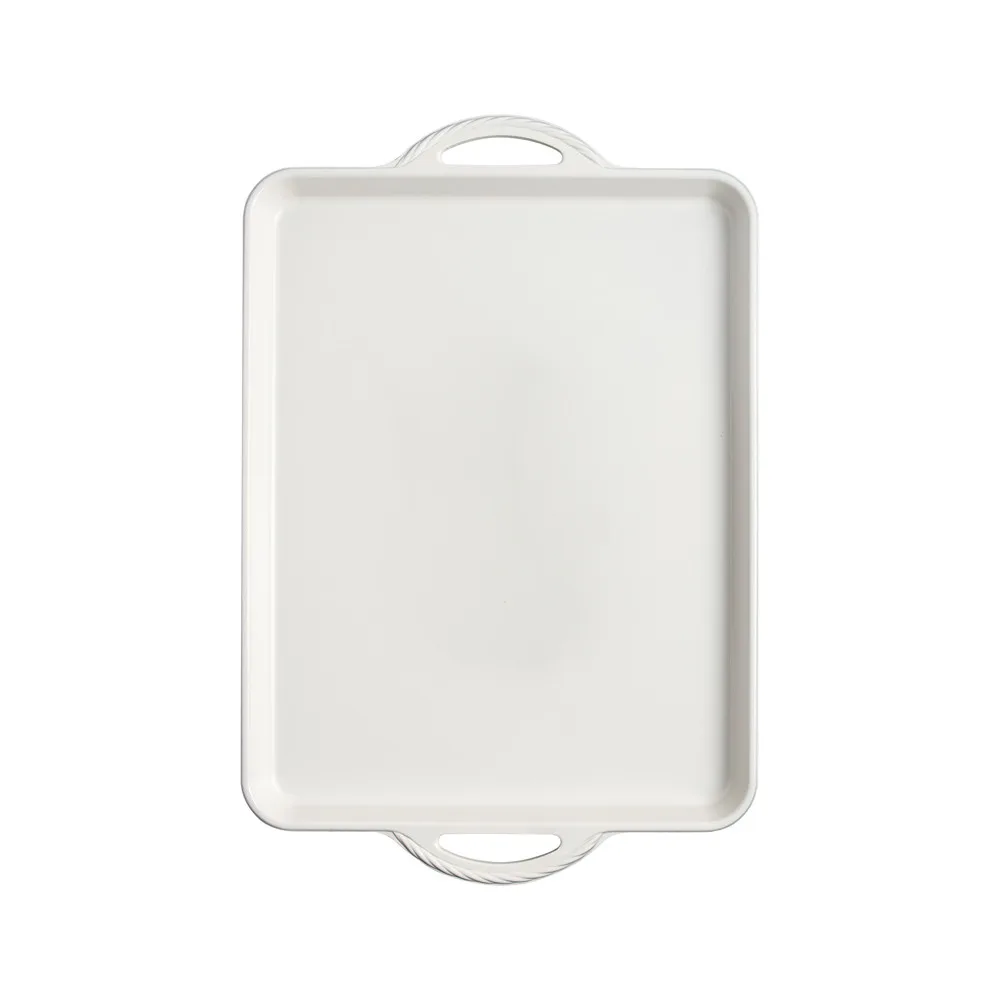
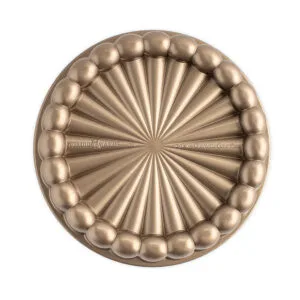
- Cardamom™ 7" x 11" Rectangular Baker: The Nordic Ware Cardamom 7 x 11 inch Rectangular Baker measures 7 inches by 11 inches and is described as ideal for casseroles, brownies, and side dishes, with a timeless rectangular shape designed for even heating. This is the rectangular option in the comparison. Its 7x11 size gives you more surface area for browning and fits smaller recipes and side dishes without crowding the oven.
- Cardamom™ 10 Piece Nonstick Pan Set with Lids | Ceramic Coated Cookware: The Nordic Ware Cardamom 10 Piece Nonstick Pan Set with Lids includes multiple pans and matching lids with a ceramic coated nonstick interior for easy food release and simple cleanup. If you are replacing mismatched pans rather than adding one piece, this set covers everyday cooking with lids for storage and reheating, which reduces the need to choose between a single rectangular baker and a single square pan.
Which pan should you choose?
Best for
- Casseroles and side dishes that need browning across the top
- Bar cookies and brownies where you want more chewy edges
- Smaller recipes that would look lost in a larger pan
- Ovens where a compact rectangular shape fits more easily than a deep square
Not for
- Tall layer cakes that need a deep square pan to rise evenly
- Recipes written specifically for an 8x8 pan where you cannot adjust time
- Bakers who want the thickest, fudgiest brownie texture
- Anyone who needs a single pan for both square-cut brownies and round cakes