Quick answer
Recycled yarn tights are not automatically weaker than nylon, but they are not automatically equal either. Durability comes down to the knit, the denier and whether the foot is reinforced, so compare those details instead of the fibre label alone. If you want one pair for daily wear with trainers, choose a recycled design with reinforced feet such as Oroblù Eco Sneakers tights; if you want a soft, patterned pair for office days, a cotton-knit style is the better trade.
What actually decides how long tights last
Fibre name tells you very little on its own. A 40 denier tight with a reinforced foot resists abrasion far better than a 20 denier sheer tight with an open toe, whatever the yarn is made from. Laddering usually starts at the toe, heel or a snag near the seam, not in the middle of the leg, so the areas that touch shoes and floors matter most.
Recycled polyamide yarns are produced to behave like their virgin equivalents in terms of stretch and recovery, which is why a well-made recycled tight can hold its shape through repeated wear. The honest limitation is that many brands, including Oroblù, do not publish abrasion test figures per style, so you cannot rank two pairs by a lab number. Use the visible construction instead: reinforced feet, flat seams, a proper gusset and a denier suited to the occasion.
How the two Oroblù options differ in practice
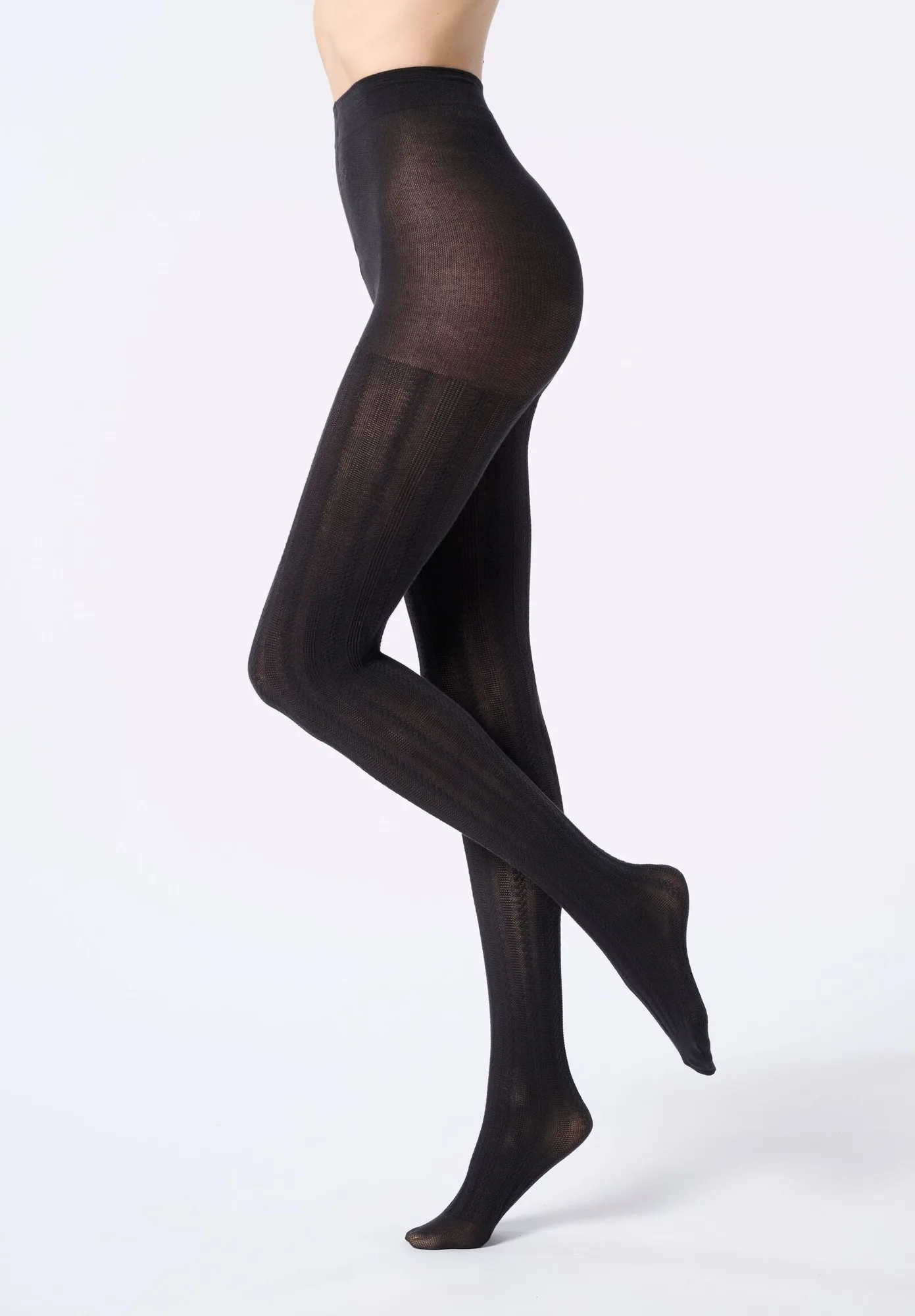
The Eco Sneakers tights are built around the shoe rather than the outfit. Oroblù describes them as designed to be worn with trainers and booties, with reinforced foot areas for support and long-lasting durability, and they use recycled polyamide yarns. That combination is the closest thing to a direct answer for anyone asking whether eco tights are strong: here the eco choice is also the one engineered for the roughest contact point, the foot inside a trainer.
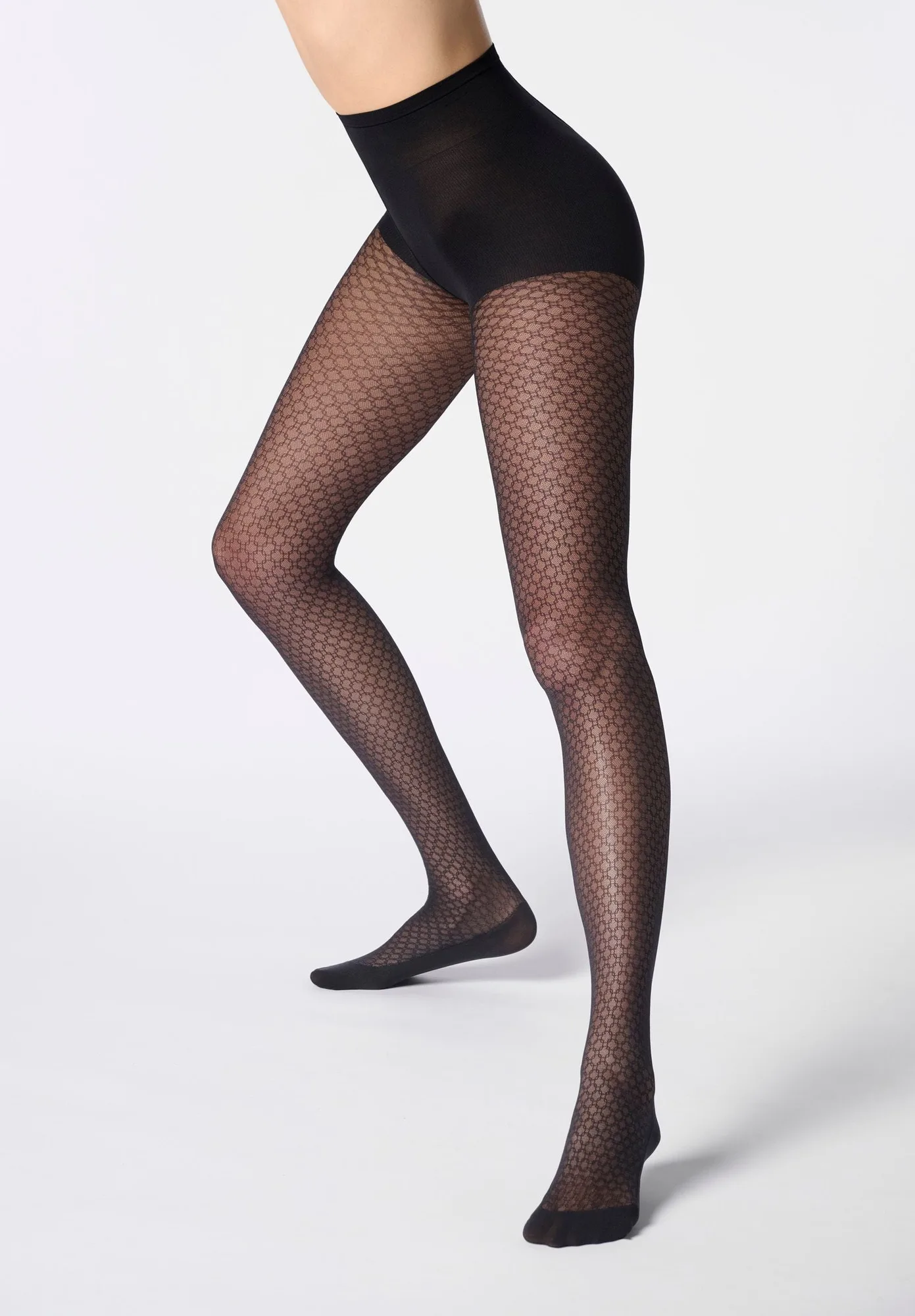
The cotton-knit geometric tights sit at the other end of the range. They are made from soft cotton with a delicate geometric relief pattern, and the gusset is there for all-day comfort rather than abrasion resistance. Cotton feels pleasant against the skin and reads dressier, but it does not have the same elastic recovery as polyamide, so it is a poor pick for a long commute in tight shoes. Choose it for seated, indoor days and keep the reinforced pair for walking.
Care habits that outweigh the fibre debate
Whichever yarn you choose, most pairs fail early because of handling, not material. Wash tights inside a mesh bag on a cool, gentle cycle or by hand, and keep them away from velcro, zips and rough toenails. Put them on with the leg rolled up rather than pulled from the waistband, and check the toe area for small snags before they become ladders.
Rotate at least three pairs so no single tight is washed and worn every day. Elastic recovery needs time between wears, and rotation extends the useful life of both recycled and conventional nylon more reliably than any fibre upgrade.
The trade-offs, stated plainly
- Recycled yarn with reinforced feet: You get a lower-impact yarn plus extra protection at the toe and heel, which is where tights normally fail. The trade is that the design is casual by intent, so it suits trainers and booties better than a formal shoe. Best balance of eco choice and everyday durability.
- Cotton knit pattern: You get a soft handfeel, a discreet relief pattern and a comfortable gusset for long seated days. The trade is lower elasticity and less resistance to rubbing inside tight footwear. Choose for office and indoor wear, not for long walks.
- Sheer 20 denier: You get the most elegant, discreet finish under clothing with flat seams. The trade is a thinner knit that is the easiest of the three to snag. Keep for occasions and handle with extra care.
Product facts behind this comparison
- Tights in Recycled Yarn Eco Sneakers Pattern 40 - Black: Oroblù Eco Sneakers tights are made from recycled polyamide yarns with reinforced foot areas, and are designed to be worn with trainers and booties. This is the pair to pick when durability matters most, because the reinforcement sits exactly where shoes cause the most wear.
- Tights with Geometric Pattern Cotton Knit - Black: Oroblù tights with a geometric pattern are knitted in soft cotton with a gusset for all-day comfort. Cotton gives a refined, comfortable finish for indoor and dressier days, but it is not the abrasion-resistant option for heavy walking.
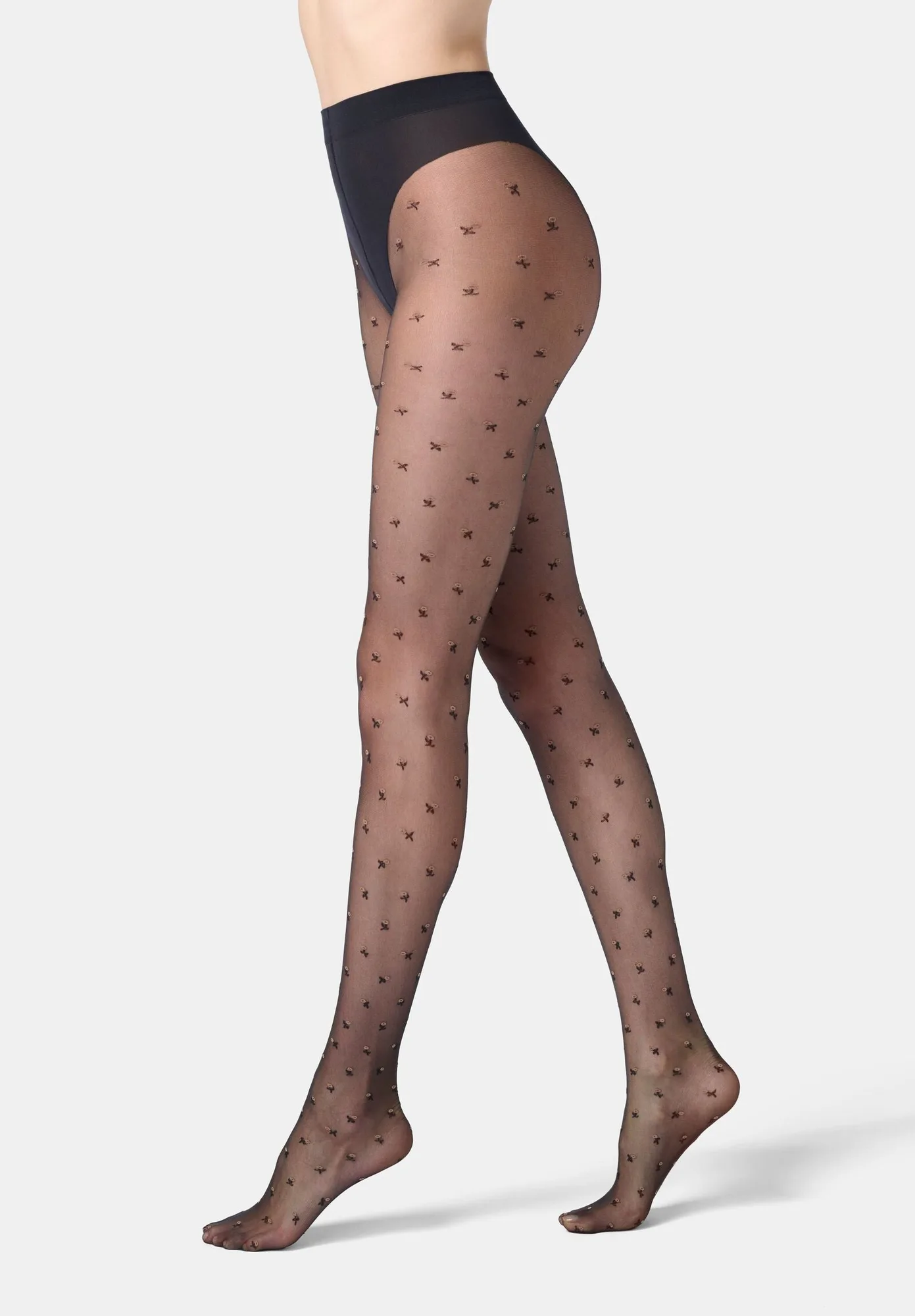
- Floral Pattern Sheer Tights Floret 20 - Black: Floral Pattern Sheer Tights Floret 20 are 20 denier sheers with flat seams and a Brazilian-style bodice. Sheer styles prioritise a discreet look under clothing, so treat them as occasion wear rather than a commuting workhorse.
Which pair is right for you
Choose these if
- You wear tights with trainers or ankle boots and want the foot reinforced
- You want a recycled yarn option without giving up everyday wear
- You prefer a patterned cotton tight for office or indoor days
Look elsewhere if
- You need a sheer, barely-there finish for a formal outfit
- You expect any tight to survive daily wear without rotation and careful washing
- You want published abrasion test data to compare styles numerically