Quick answer
If your red dot dies faster than expected, the usual cause is leaving it on a high brightness setting all day, not a defective battery. Standard red dots draw from a single cell and drain steadily; solar models supplement that cell with a panel, but the panel only helps in bright light. Start by lowering brightness to the lowest setting you can still see, then check the battery type and tray seal. If the sight still drains in days, the issue is the optic, not your habits.
How solar and standard power actually differ
A standard red dot runs entirely on a coin cell. Every hour the dot is on, the cell drains, and brightness is the biggest variable. A solar red dot sight adds a photovoltaic panel on top. In bright outdoor light, that panel can carry the electronics and reduce draw from the cell. In indoor, shaded, or weapon-light conditions, the panel contributes little and the sight behaves like a standard battery optic.
That difference matters for how you troubleshoot. A solar model that dies indoors is not broken; it simply had no light to harvest. A standard model that dies in a week of carry use is usually running too bright or has a poor-quality cell. Neither design creates energy, so red dot power management always comes back to brightness, battery quality, and how often the sight is left on.
Symptom: dot fades or dies within days
The most common complaint is a sight that worked fine on the range but is dead after a few days in a holster. Check the brightness setting first. Many shooters set the dot bright for daylight and never turn it down. On a standard optic, that single habit can cut battery life by more than half. On a solar model, the panel may keep up outdoors but not in a vehicle, a dark room, or under a cover garment.
Next, confirm the battery is the correct type and is fresh. A cell that sat in a drawer for years can test fine but fail under load. If the sight has a tray, inspect the seal and threads for grit or a pinched O-ring. A compromised seal lets moisture in, which corrodes contacts and creates intermittent drain. If the dot still dies in days after a fresh cell and a clean tray, the optic itself is the likely cause and repair or replacement is the next step.
Symptom: dot is dim even at max setting
A dot that will not reach usable brightness usually points to a weak cell or dirty contacts, not a power-management problem. Clean the battery compartment with isopropyl alcohol and a lint-free swab, then install a new name-brand cell. If the dot brightens, the old cell was the issue. If it stays dim, the emitter or circuit board may be failing, and no battery-saving tip will fix that.
This is also where solar vs battery red dot differences show up. A solar sight with a dim dot indoors may simply be in a low-light mode; take it outside and see if the panel restores brightness. A standard sight with a dim dot has no second power source, so the same symptom is more serious.
Red dot battery saving tips that work
Use the lowest brightness that still gives a clear dot against your target. On most optics, one or two settings below maximum is enough for indoor dry fire and low-light practice. Turn the sight off when the pistol goes into storage, even if it has shake-awake. Shake-awake reduces drain during movement but does not eliminate it, and a sight that sits on a nightstand still draws power.
Replace the cell on a schedule rather than waiting for failure. A carry optic that has been on for months deserves a fresh battery before a class or a match. Keep spare cells in your range bag and note the install date on the battery tray with a paint pen. If you run a solar model, remember that the panel only helps when it sees light; a covered or holstered sight is running on the cell alone.
When to stop troubleshooting and change optics
If a fresh, correct battery and a clean compartment still give you days of runtime, the sight has an internal fault. At that point, repeated battery swaps are wasting money and eroding trust in the optic. Choose a replacement based on how you actually use the gun. A carry pistol that lives under a shirt will not benefit much from a solar panel, while a range or competition gun that spends time in daylight may.
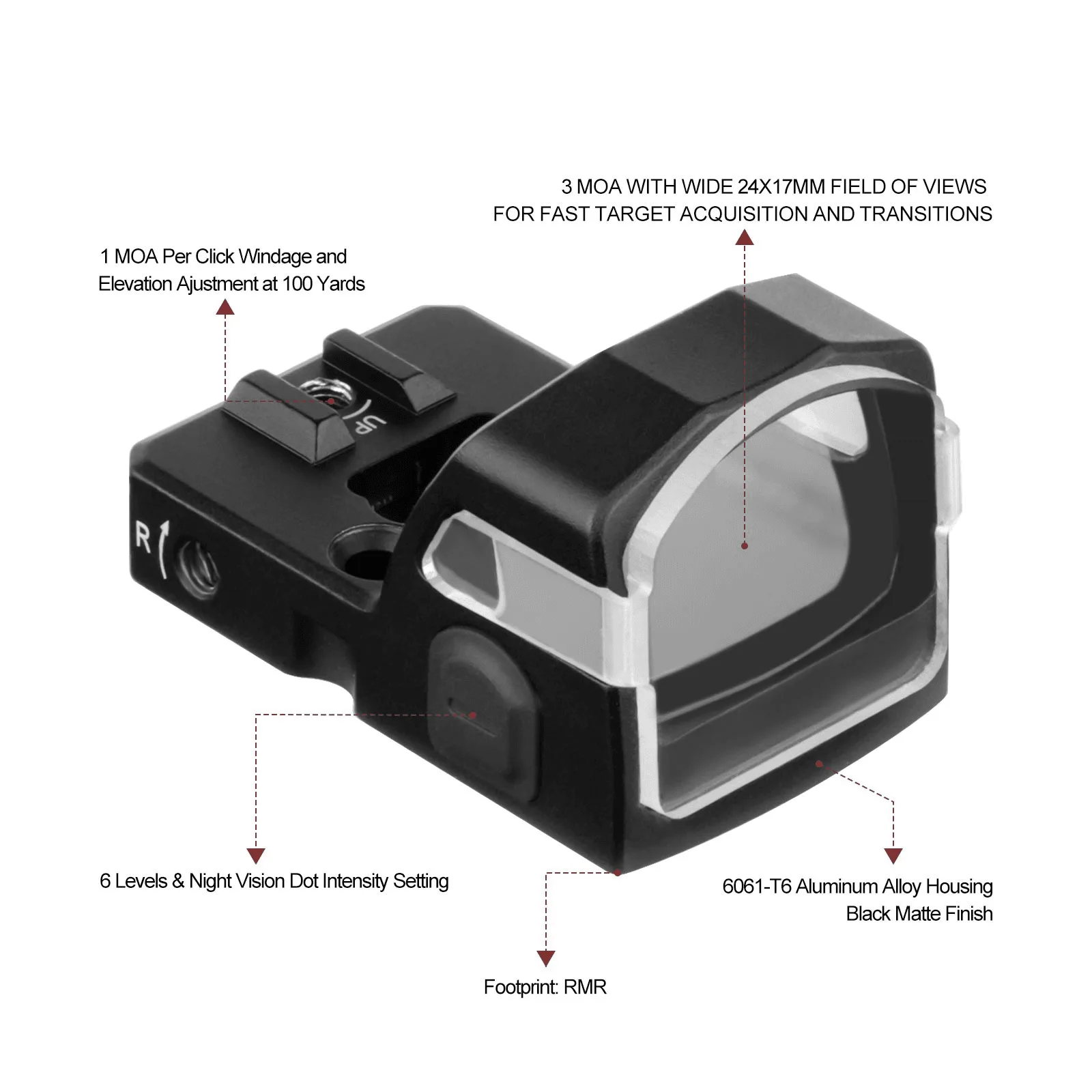
Look at the footprint before you buy. A sight that does not match your slide cut or plate adds cost and complexity. If you already have an RMR-cut slide, a direct-fit micro red dot keeps the swap simple. If you run an RMSc footprint, a compact closed-emitter design may seal better against dust and moisture. Match the power design to your environment, not to the marketing label.
Battery drain diagnosis
- Dot dies in days on a standard optic: Brightness is left high, the cell is old, or the tray seal is compromised. Lower the setting, install a fresh name-brand cell, and clean the compartment. If runtime improves, the optic is fine. If not, the fault is internal.
- Dot dies in days on a solar optic: The panel is not seeing light because the sight is holstered, covered, or indoors. The cell is carrying the full load. Test outdoors in direct sun before assuming a fault. Solar only helps when exposed to light. Indoors, treat it as a standard battery sight.
- Dot is dim at maximum brightness: Weak cell or corroded contacts are the likely cause. Clean with isopropyl alcohol and install a new cell. If it stays dim, the emitter or circuit is failing. No battery-saving tip fixes a failing emitter. Plan for repair or replacement.
- Fresh cell still drains in days: The optic has an internal short or a failing circuit. Further battery swaps will not solve it. Stop troubleshooting and choose a replacement matched to your footprint and use.
Optics that fit this advice
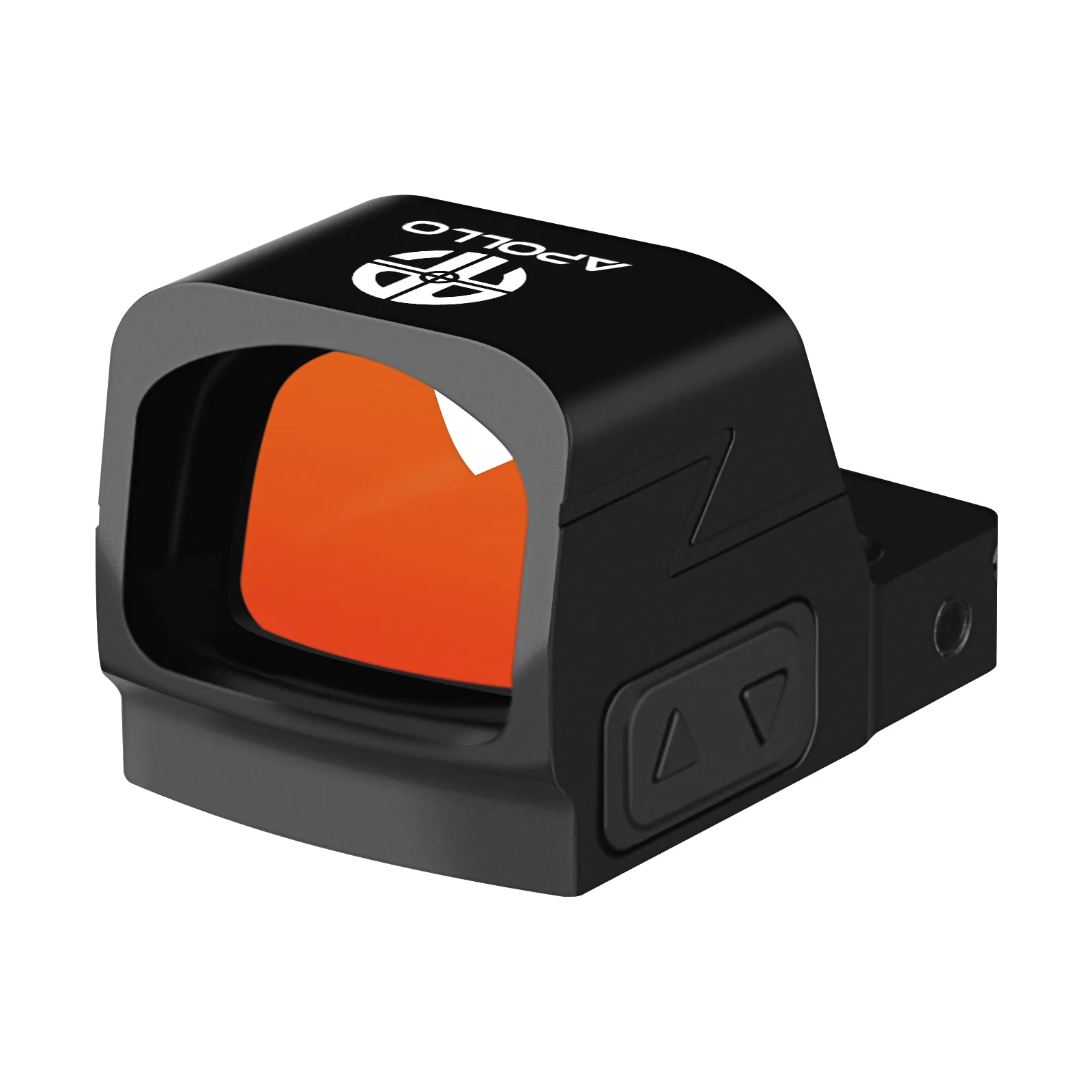
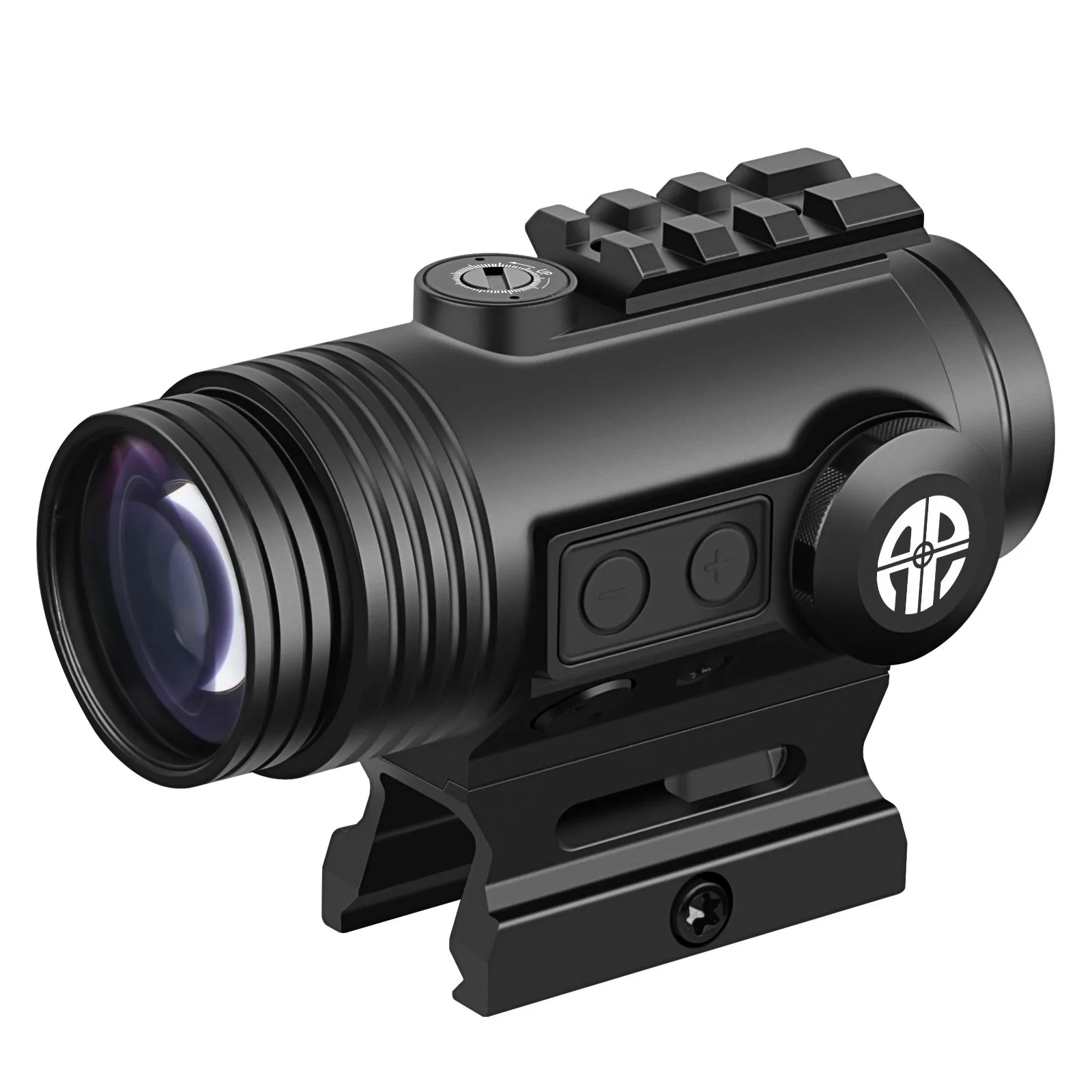
- Nova Green: The Apollo Nova Green is a pistol green dot with an RMR footprint, a 3 MOA green dot, easy brightness control, and lightweight construction. The RMR footprint fits common slide cuts, and manual brightness control lets you run the dot low to extend battery life instead of relying on an always-on high setting.
- Pulse Shake Awake: The Pulse Shake Awake is a carry optic with an RMSc footprint, a Picatinny adapter, 7075 aluminum construction, multi-coated glass, a 3 MOA aiming point, and wake-on-movement. Shake-awake reduces drain when the pistol is still, and the RMSc footprint plus adapter covers both direct-mount slides and Picatinny rails for flexible mounting.
- Apollo Lumen: The Apollo Lumen is a closed-emitter optic with multi-coated lenses, dual-color reticle options, a 70 ft field of view at 100 yards, 6061 aluminum construction, and IPX5 waterproofing. The closed emitter keeps dust and moisture away from the emitter, which protects the electronics and helps maintain consistent power behavior in harsh conditions.