Quick answer
Most red dot fogging happens when warm, moist air meets a cold lens, or when moisture gets trapped inside the optic. The fix is usually to equalize temperature, seal or dry the optic, and apply a proper anti-fog treatment to the exterior lens. If the fog forms inside the housing and will not clear, stop treating the outside and move to a sealed or better-protected optic.
Why your red dot lens fogs in the first place
Fogging is condensation: water vapor in the air turns to tiny droplets on a surface that is cooler than the surrounding air. A red dot lens is a small, exposed piece of glass, so it chills quickly in cold weather, then fogs the moment you breathe near it, move from a cold car into a warm room, or carry it against your body. Humidity, rain, and temperature swings all make it worse. The same physics applies whether you shoot a pistol, rifle, or shotgun, which is why red dot sight fogging is a gear-care problem, not a brand problem.
Fix exterior fogging with temperature and surface care
If the fog is on the outside of the lens, start by letting the optic equalize to the ambient temperature before you shoot. A cold optic carried in a warm pocket or vehicle will fog as soon as it hits cool air. Give it a few minutes to adjust, then wipe the lens with a clean microfiber cloth. For repeated fogging, use an anti-fog solution or a microfiber cloth treated for optics, and avoid touching the lens with your fingers, since skin oils attract moisture. Keep the lens dry and store the optic with a desiccant pack in the case to reduce ambient moisture.
- Let the optic reach ambient temperature before shooting.
- Wipe with a clean microfiber cloth, not a shirt or paper towel.
- Apply an optic-safe anti-fog treatment to the exterior lens only.
- Store with a desiccant pack to keep the case dry.
When the fog is inside the housing
Internal fogging is a different problem. If moisture has entered the housing, wiping the outside will not help, and the fog may return as the optic warms and cools. A well-sealed optic resists this, but seals can fail after impact, over-tightened mounts, or repeated exposure to rain and temperature swings. If you see droplets or persistent haze behind the glass, stop applying anti-fog to the exterior. Instead, dry the optic in a warm, dry room with the lens caps off, then inspect the seals and mounting screws. If internal fog returns, the optic likely needs service or replacement rather than more surface treatment.
Prevent red dot fog before it starts
Prevention is mostly about controlling moisture and temperature. Carry the optic in a case rather than against your body, avoid leaving it in a cold vehicle overnight, and let it adjust before you bring it into a warm, humid space. On the range, keep the lens shielded from your breath and from rain, and use a lens cover when you are not shooting. If you shoot in cold weather often, choose an optic with a larger protective hood and a design that limits exposed glass, because a more enclosed lens has less surface area for condensation to form.
Match the optic to your conditions
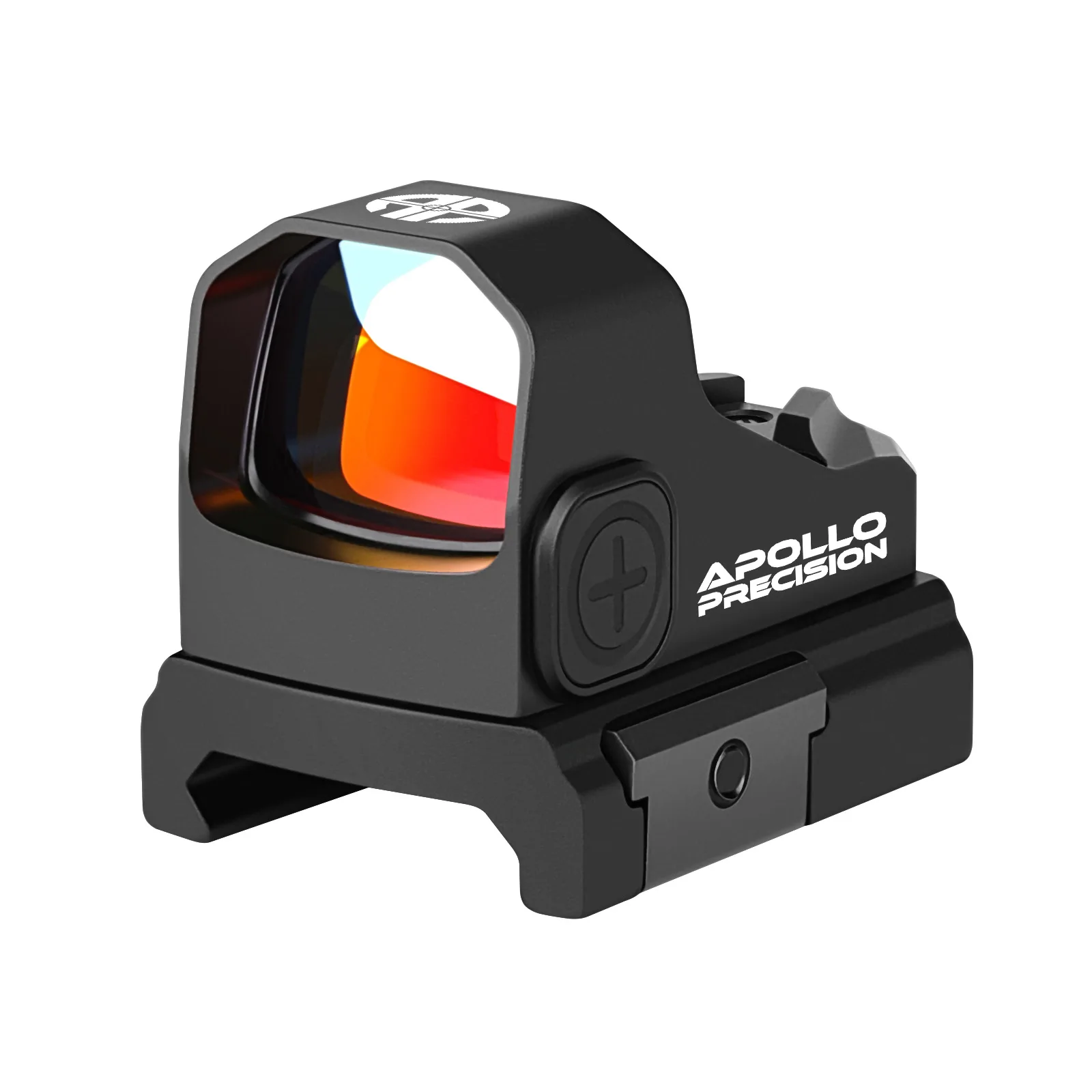
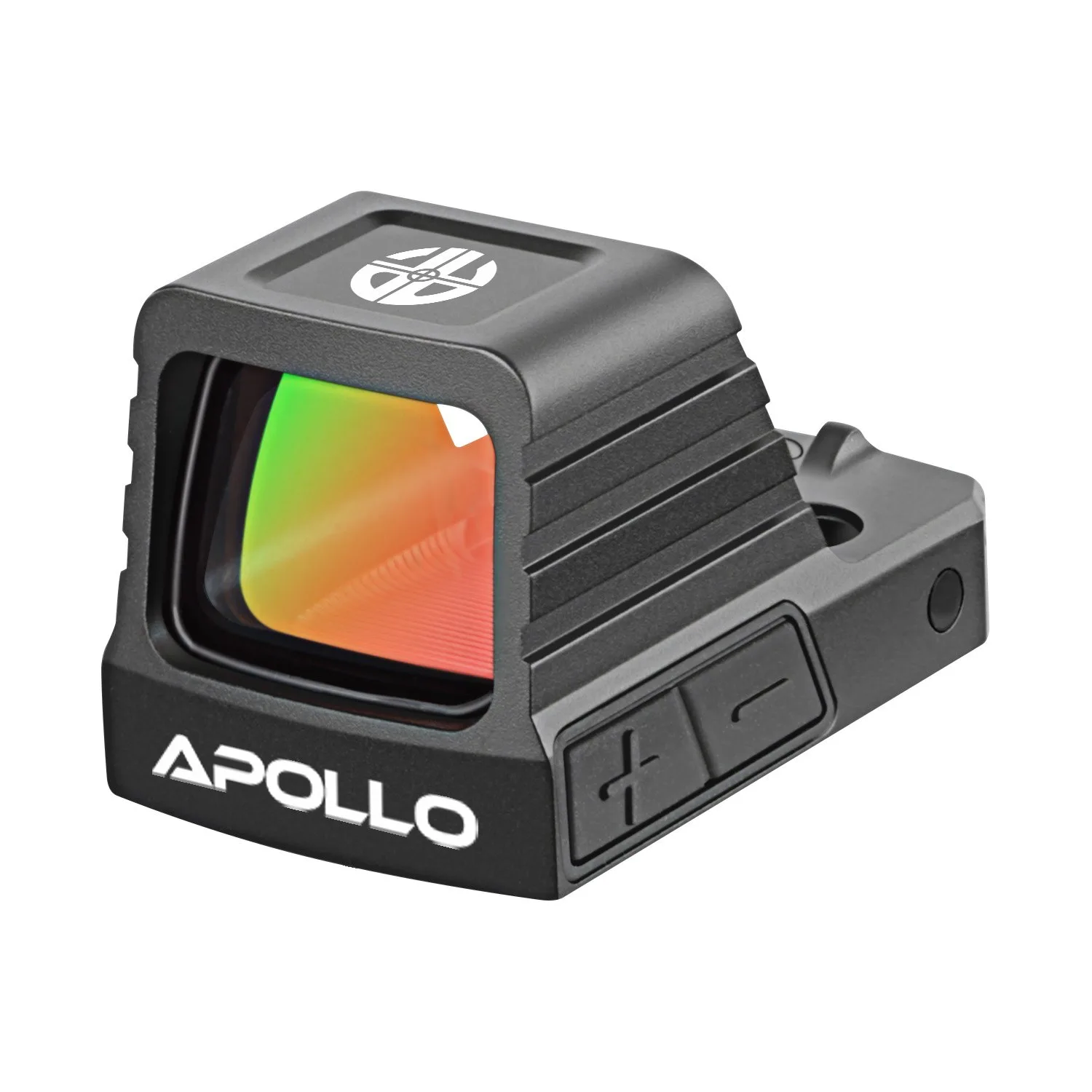
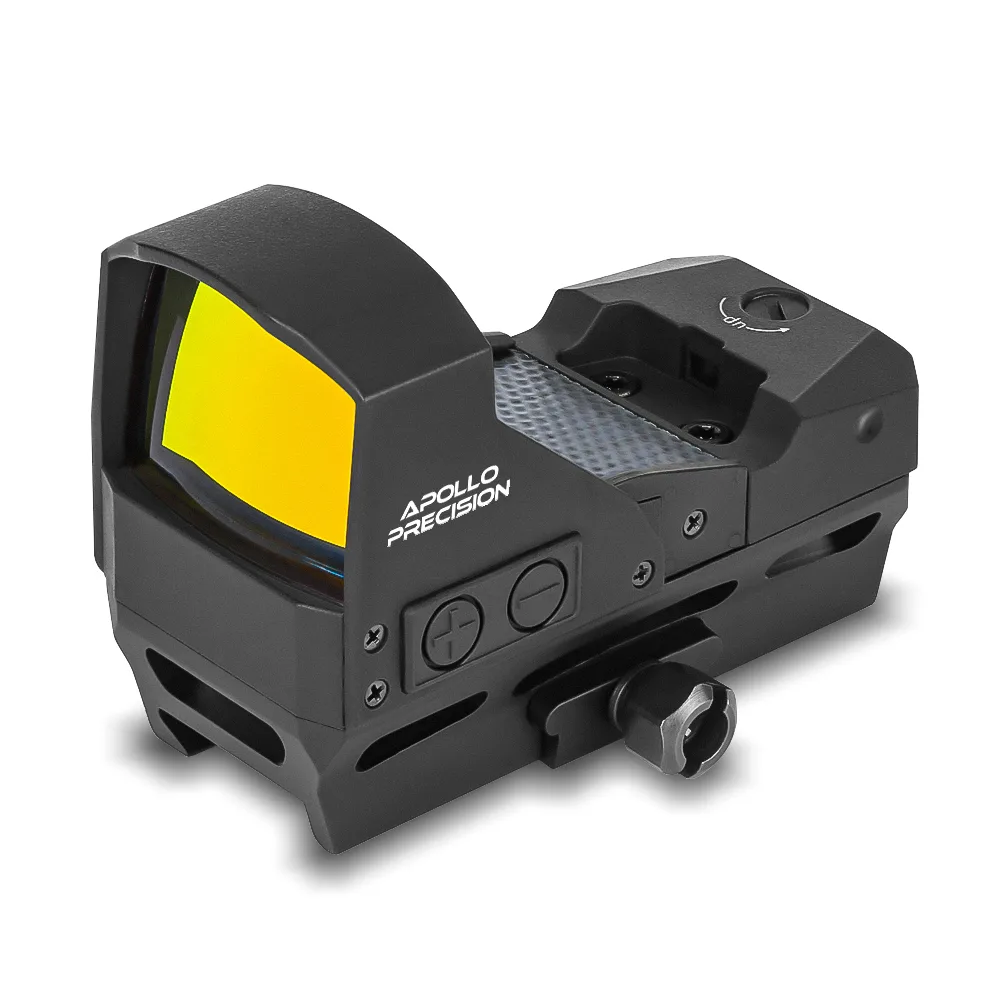
Some optics are simply better suited to wet or cold environments. The Apollo Ember uses a larger protective hood that shields the lens from rain and breath, which helps reduce exterior fogging during carry and range use. The Apollo Eclipse is built for conceal carry and subcompact pistols with a slim RMSc footprint, so it stays low-profile but still needs the same moisture care. For rifles and shotguns, the Polaris Solar mounts directly to Picatinny rails and uses a large 38mm lens for a wide field of view, so you can keep both eyes open and spend less time fighting a small fogged window. None of these optics is immune to condensation, but the right housing and mounting style make red dot lens moisture easier to manage.
Fogging diagnosis: symptom, cause, fix, and stop point
- Fog appears on the outside of the lens: Warm, moist air is condensing on cold glass. Let the optic equalize to ambient temperature, wipe with a microfiber cloth, and apply an optic-safe anti-fog treatment. If it clears and stays clear, this is normal condensation and you can keep using the optic.
- Fog returns quickly after wiping: High humidity, rain, or body heat is overwhelming the surface. Keep the lens covered when not shooting, store with a desiccant, and consider an optic with a larger hood like the Ember. If surface treatment stops working, change how you carry and store the optic before replacing it.
- Fog or droplets appear inside the housing: Moisture has entered the optic, likely through a failed seal or after impact. Dry it in a warm, dry room, inspect seals and screws, and stop applying exterior anti-fog. If internal fog returns, the optic needs service or replacement; do not keep treating the outside.
Apollo optics and fogging resistance
- Ember: The Apollo Ember has a larger protective hood and a brighter emitter than earlier generations, with a 3 MOA point of aim and a multi-reticle system. A larger hood shields the lens from rain and breath, which reduces exterior fogging during carry and range sessions.
- Apollo Eclipse: The Apollo Eclipse is engineered for conceal carry and subcompact pistols with a slim RMSc footprint and a compact 18 × 14.3 mm window. The small window stays low-profile, but it also means less glass to manage, so keeping the lens dry and treated matters even more.
- Polaris Solar: The Apollo Polaris Solar combines solar power efficiency with a 38mm lens and mounts directly to Picatinny rails. The large lens and rail mount suit rifles and shotguns, letting you keep both eyes open and spend less time fighting a small fogged window.