Quick answer
Red light therapy devices and LED face masks both use light to support skin health, but they differ in coverage and focus. If you want a full-body option that also treats your face, a device like the Nicebeam LED Light Therapy Time Machine is a versatile choice. If you prefer a mask that targets facial contours and can be used while moving around, an LED face mask is more portable and convenient.
When you start looking into light therapy for skin, you'll quickly see two popular options: red light therapy devices and LED face masks. Both are marketed for reducing fine lines, boosting collagen, and improving skin tone. But they're not interchangeable. The right choice depends on how much area you want to treat, your budget, and how you plan to use the device.
This comparison breaks down the practical differences between full-body red light therapy systems and LED face masks. We'll look at coverage, treatment time, portability, and cost so you can decide which one fits your routine and goals.
Coverage and treatment area
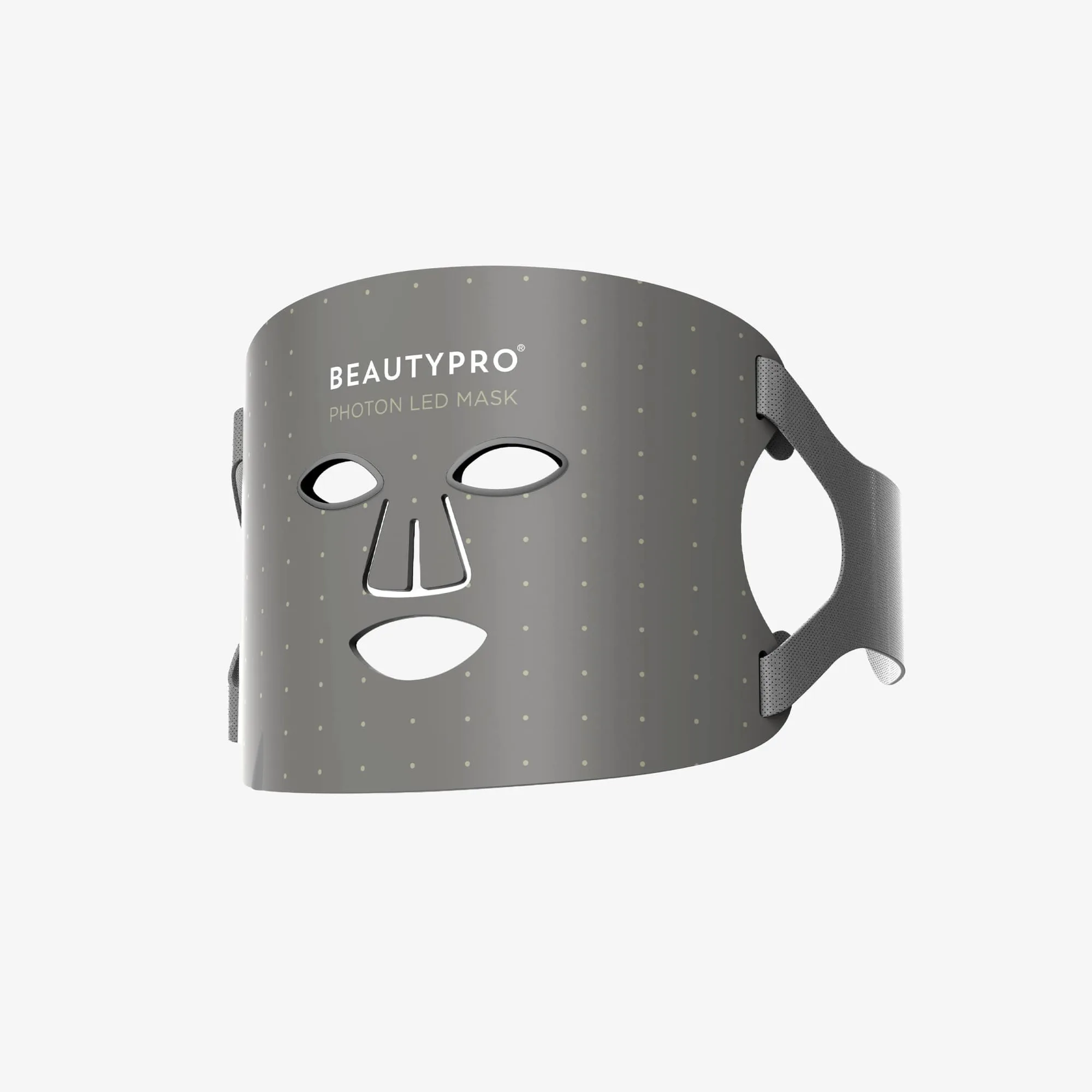
The biggest difference between red light therapy devices and LED face masks is the area they cover. A typical LED face mask is shaped to fit over your face, targeting the forehead, cheeks, and jawline. Some masks also include eye or lip attachments for more specific concerns. Because the mask sits directly on your skin, it can deliver consistent light to facial contours.
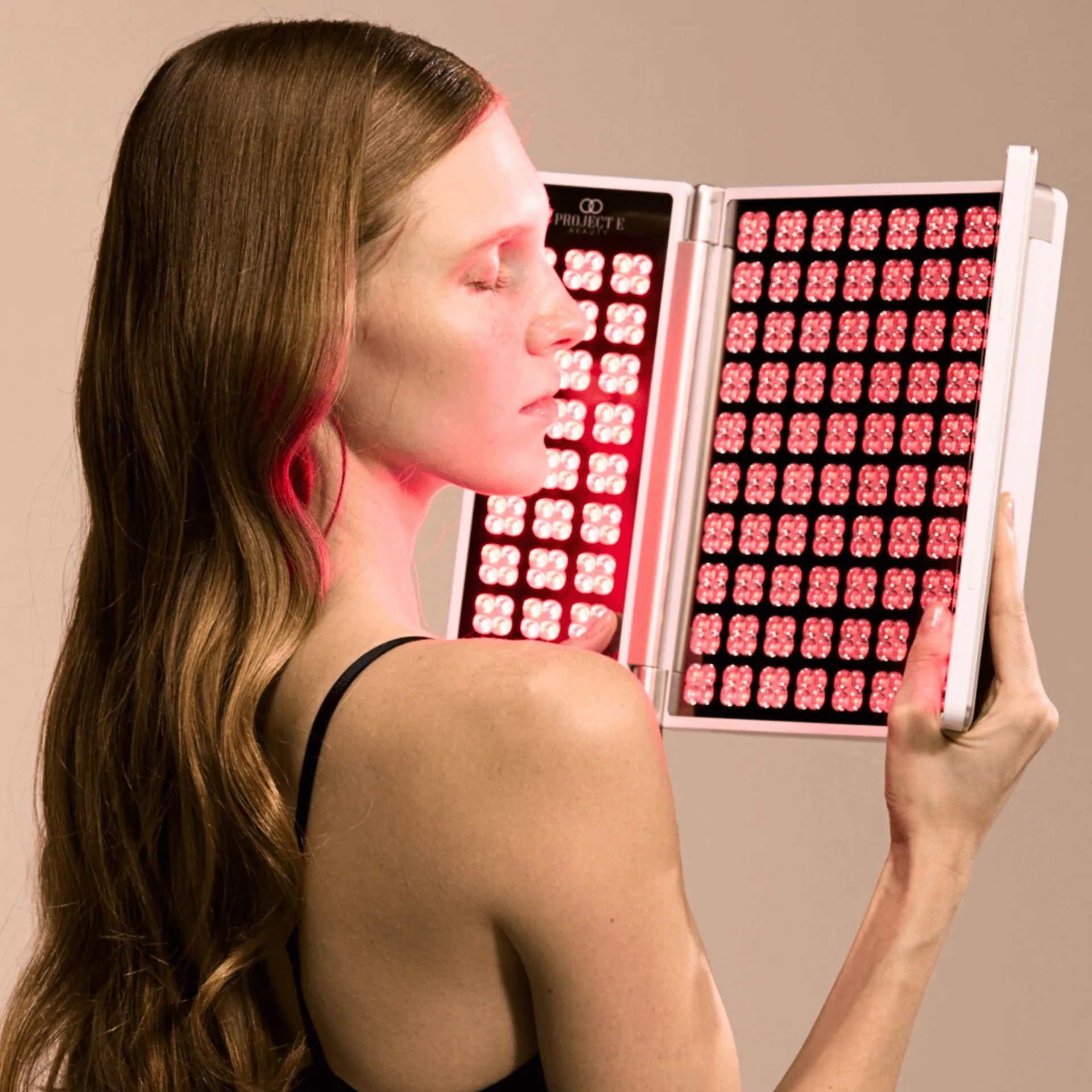
Full-body red light therapy devices, like the Nicebeam LED Light Therapy Time Machine, are designed to treat larger areas. They often come as panels or flexible wraps that you can position over your face, neck, shoulders, or even your whole body. This makes them a better choice if you want to address skin on multiple areas or manage discomfort beyond your face.
- If you only care about facial skin, a mask may be enough.
- If you want to treat your neck, chest, or body, a full-body device offers more flexibility.
Portability and daily use
LED face masks are designed for convenience. You can wear them while sitting up, reading, or doing chores. Many are lightweight and have adjustable straps to keep them in place. This makes them easy to use during a morning routine or while relaxing on the couch.
Full-body devices, on the other hand, may require you to sit or lie still during a session, especially if they are panels or larger wraps. The Nicebeam Time Machine, for example, is a system that you set up and then position yourself under or beside. This can be fine if you have a dedicated space and a few minutes of quiet time, but it's less portable than a mask you can toss in a bag.
- Masks win on portability and multitasking.
- Full-body devices require more setup but offer broader treatment options.
Cost and value
Price is another key factor. LED face masks range from budget-friendly to premium, depending on the number of LED lights and features. They typically cost less than full-body systems because they cover a smaller area and use fewer diodes.
Full-body red light therapy devices are usually more expensive, but they offer more versatility. The Nicebeam LED Light Therapy Time Machine is priced at $199.50, with a comparison price of $399.00, making it a mid-range option that can treat both face and body. If you're considering multiple concerns, the higher upfront cost may be worth it compared to buying a separate mask for your face and another device for your body.
- Masks are a lower-cost entry point.
- Full-body devices can be more cost-effective if you want multi-area treatment.
Trade-offs to consider
- Full-body device: broader coverage, more setup: You can treat your face and body with one device, but you'll need to sit or lie still during sessions and allocate space for setup. Choose this if you want to address skin on multiple areas or have a dedicated spot for treatment.
- LED face mask: portable, face-focused: Masks are easy to use anywhere and let you multitask, but they only cover your face. You'll need a separate device for body treatments. Choose this if your primary concern is facial skin and you want a grab-and-go option.
- Budget: upfront cost vs. long-term value: Masks are cheaper initially, but a full-body device may save money if you would otherwise buy multiple devices for different areas. Consider your long-term goals before deciding based on price alone.
Product facts at a glance
- Nicebeam LED Light Therapy Time Machine for Face & Full Body: This LED light therapy device brings a medical-grade spa treatment into your home. It supports both face and full-body sessions and works as a versatile rejuvenation system for larger treatment areas. If you're torn between a face-only mask and a full-body device, this option covers both, so you can start with facial treatments and expand to other areas as needed.
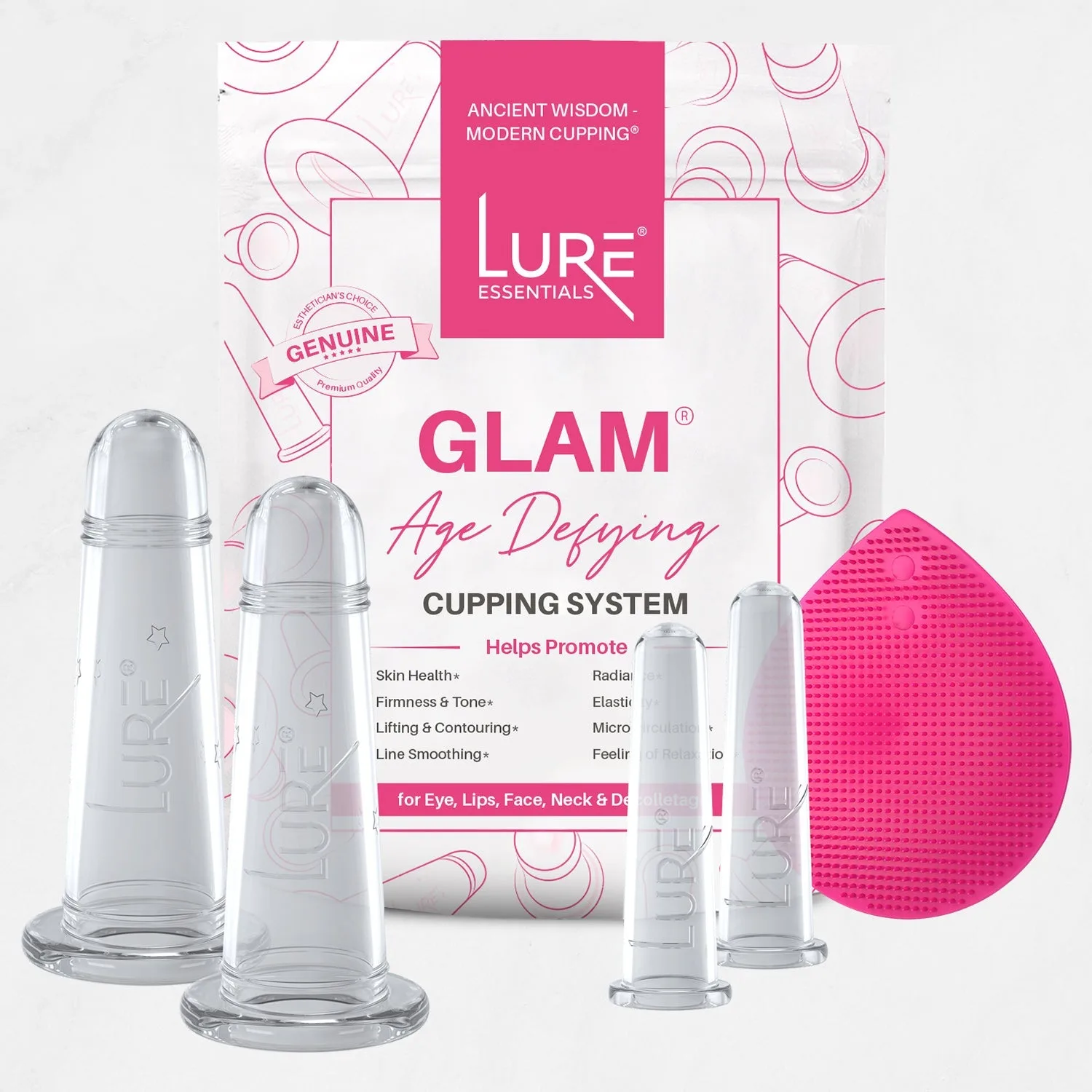
- GLAM Facial Cupping Set, Face Eyes Lips: Face cupping massage helps tone, lift & define facial contours, reduce puffiness, improve the appearance of fine lines and deeper wrinkles, and relax facial tension. For a non-light alternative that targets the same concerns, facial cupping can complement your LED routine or serve as a manual option when you prefer a device-free approach.
How to choose
Best for
- Red light therapy devices: people who want to treat multiple body areas and are okay with longer sessions.
- LED face masks: people who want a portable, face-only solution for daily use.
Not for
- Full-body devices: people with limited space or who prefer a quick, on-the-go routine.
- LED face masks: people who need treatment for their neck, chest, or other body parts.
Both red light therapy devices and LED face masks can support your skincare goals, but they serve different needs. If you want a versatile option that covers your face and body, the Nicebeam LED Light Therapy Time Machine is a solid choice. If you prefer a simple, portable mask for facial use, stick with a dedicated LED face mask. Think about your treatment area, budget, and daily habits to pick the one that fits your lifestyle.