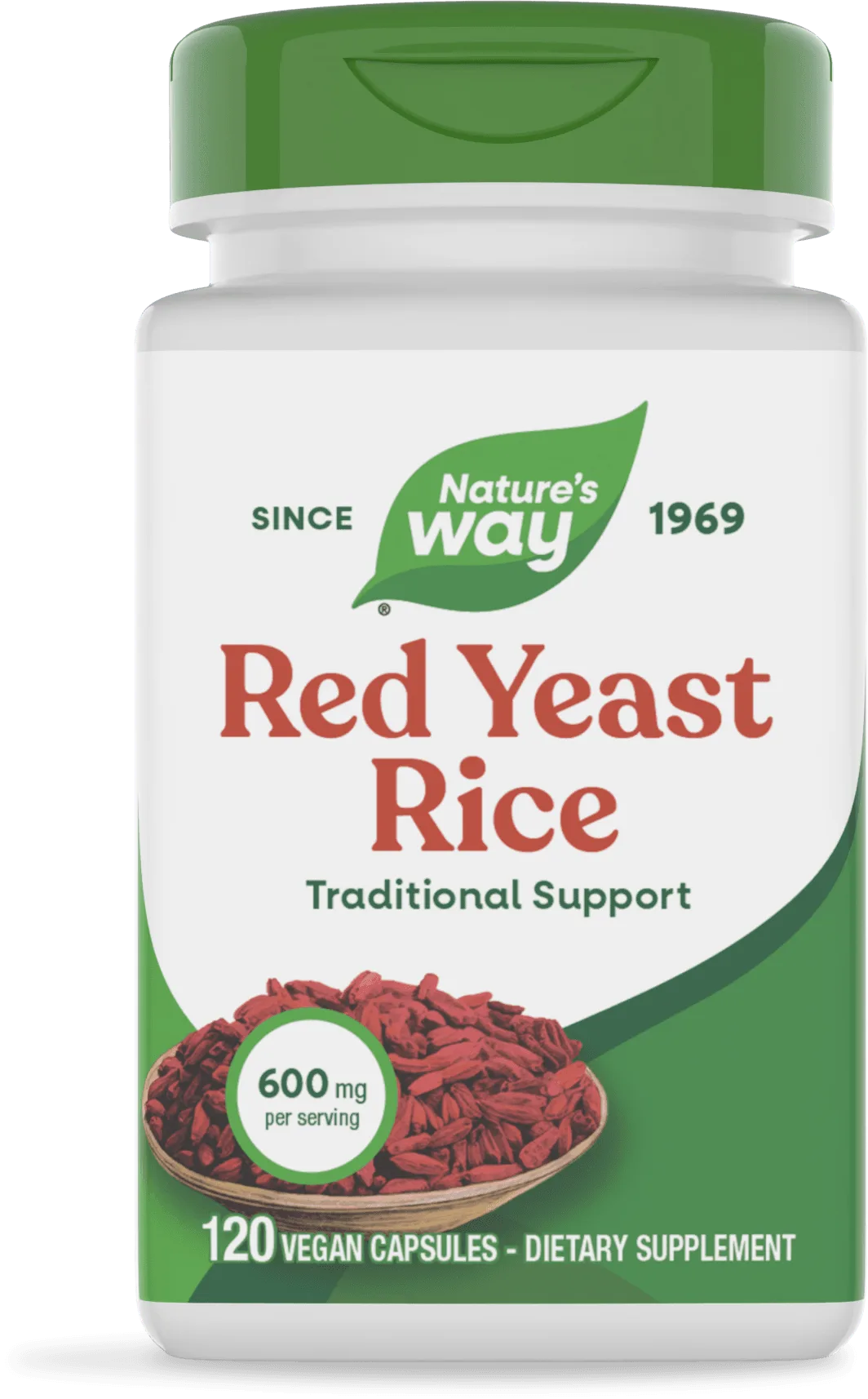
https://natureswaybx.com/products/red-yeast-rice-384727Red yeast rice has been a staple in traditional Chinese cuisine and medicine for centuries, but its modern popularity stems from its potential to support healthy cholesterol levels. With heart disease remaining a leading health concern, many people are turning to natural options like red yeast rice to complement their wellness routine.
This guide explains what red yeast rice is, how it works, its benefits, safety considerations, and what to look for when choosing a supplement. Whether you're exploring natural heart health support or simply curious about this fermented rice product, you'll find practical information to help you make an informed decision.
What Is Red Yeast Rice?
Red yeast rice is produced by fermenting rice with a specific strain of yeast, Monascus purpureus. This fermentation process gives the rice its distinctive reddish-purple color and creates a range of bioactive compounds, most notably monacolins. Monacolin K is the most studied and is chemically identical to the prescription drug lovastatin, which is used to lower cholesterol.
Beyond monacolins, red yeast rice contains sterols, isoflavones, and monounsaturated fats that may contribute to its heart health benefits. It has been used in traditional Chinese cooking to preserve food and add color, and in medicine to improve blood circulation and digestion. Today, it is widely available as a dietary supplement for cholesterol management.
- Traditional use dates back over a thousand years in China.
- The active compound monacolin K is similar to statin medications.
How Red Yeast Rice Supports Heart Health
Red yeast rice is best known for its potential to support healthy cholesterol levels. Monacolin K works by inhibiting an enzyme called HMG-CoA reductase, which plays a key role in the liver's production of cholesterol. By blocking this enzyme, red yeast rice may help reduce total cholesterol and LDL ("bad") cholesterol while supporting healthy HDL ("good") cholesterol levels.
In addition to its cholesterol-lowering effects, red yeast rice contains plant sterols that may help block the absorption of cholesterol in the intestines. Some studies suggest it may also support healthy blood pressure and reduce markers of inflammation, both of which are important for overall cardiovascular health. However, more research is needed to confirm these additional benefits.
- May help maintain already-normal cholesterol levels when combined with a healthy diet.
- Supports overall cardiovascular wellness with its antioxidant properties.
Potential Benefits and What the Research Says
Clinical studies have shown that red yeast rice can significantly reduce total cholesterol, LDL cholesterol, and triglycerides when used consistently over several weeks. A meta-analysis of randomized controlled trials found that red yeast rice products containing monacolin K were effective at lowering LDL cholesterol by an average of 20–30 mg/dL. These effects are comparable to low-dose statins, making red yeast rice a popular natural alternative for those who cannot tolerate prescription medications.
Beyond cholesterol, red yeast rice may offer antioxidant and anti-inflammatory benefits. Some research suggests it could improve endothelial function, which helps blood vessels relax and maintain healthy blood flow. These effects are thought to stem from the combination of monacolins, sterols, and other bioactive compounds working together synergistically.
- Consistent use is key—effects typically appear after 4–8 weeks.
- Always pair supplementation with a heart-healthy diet and regular exercise.
Safety, Side Effects, and Who Should Avoid It
Red yeast rice is generally well-tolerated, but it can cause side effects similar to statins, including muscle pain, digestive issues, and elevated liver enzymes. Because monacolin K is identical to lovastatin, the same precautions apply. People with liver disease, kidney disease, or those who are pregnant or nursing should avoid red yeast rice. It may also interact with certain medications, such as blood thinners, antifungals, and other cholesterol-lowering drugs.
One of the biggest challenges with red yeast rice supplements is variability in monacolin K content. Some products may contain very little, while others could have amounts comparable to a prescription dose. To ensure safety and quality, choose supplements that provide standardized monacolin K levels and are tested by third-party organizations. Always consult your healthcare provider before starting red yeast rice, especially if you are on other medications.
- Start with a lower dose to assess tolerance.
- Monitor liver function if you take red yeast rice long-term.
How to Choose a Quality Red Yeast Rice Supplement
When shopping for a red yeast rice supplement, quality matters. Look for products that specify the amount of monacolin K per serving, as this ensures you get a consistent dose. A typical dosage is 600–1200 mg of red yeast rice providing about 2–10 mg of monacolin K. Avoid products with added ingredients like synthetic lovastatin, which may be listed separately.
Also consider the overall formulation. Some supplements combine red yeast rice with other heart-supporting nutrients like CoQ10, omega-3s, or plant sterols for added benefit. However, be cautious of proprietary blends that don't disclose exact amounts. Choose reputable brands that use third-party testing for purity and potency. Reading customer reviews and checking for certifications can also help you make a confident choice.
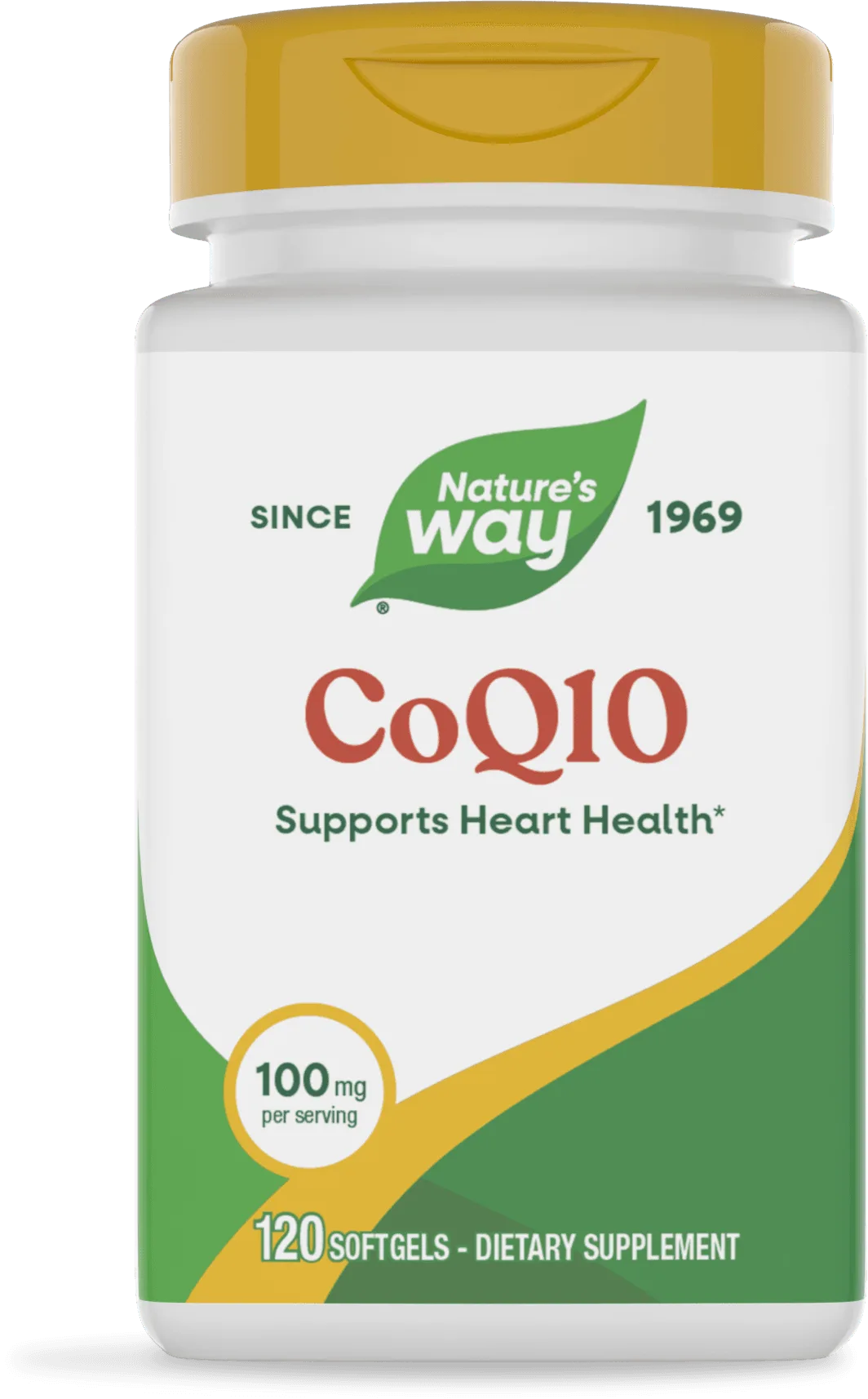
CoQ10
- Check for standardized monacolin K content on the label.
- Opt for supplements with transparent ingredient lists and third-party testing.
Dosage and How to Use Red Yeast Rice
The appropriate dosage of red yeast rice depends on the monacolin K content. Most studies use doses providing 2–10 mg of monacolin K daily, typically divided into two servings. Always follow the manufacturer's instructions or your healthcare provider's guidance. It's best to take red yeast rice with meals to enhance absorption and reduce potential stomach upset.
Consistency is crucial for seeing results. Incorporate red yeast rice into your daily routine, but also remember that it is not a substitute for a healthy lifestyle. A balanced diet low in saturated fats, regular physical activity, and stress management are essential for heart health. If you miss a dose, simply continue with your next scheduled dose—do not double up.
- Take with food to minimize digestive discomfort.
- Use consistently for at least 8 weeks to evaluate effectiveness.
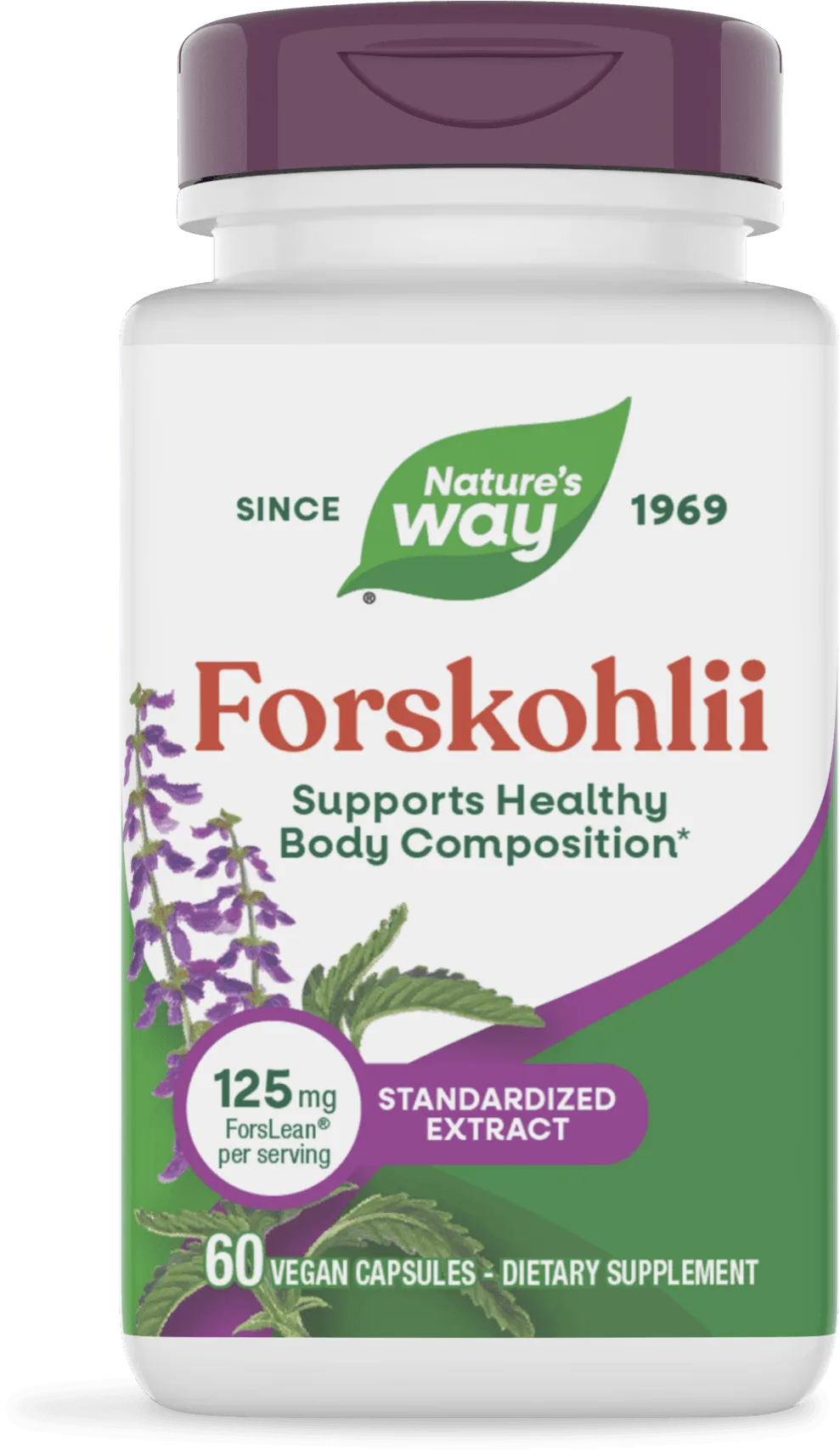
Red yeast rice offers a promising natural approach to supporting heart health, particularly for maintaining healthy cholesterol levels. However, it's essential to choose a high-quality supplement and consult your healthcare provider to ensure it's right for you. If you're looking for a reliable option, explore our selection of heart-health supplements, including https://natureswaybx.com/products/forskohlii-standardized-extract-384685Forskohlii Standardized Extract and Potassium, which may complement your cardiovascular wellness routine.