Quick answer
Start with the three places single-use plastic piles up fastest: feeding, bath time, and dog play. Swap one category at a time to reusable, plastic-free alternatives, keep a small repair-and-replace kit, and only then move to the next room. Going slowly beats a full overhaul you abandon in a week.
Most families do not set out to buy disposable plastic. It arrives quietly: a bottle cap that cracks, a bath toy that squirts water, a treat toy the dog destroys in an afternoon. By the time you notice, the bin is already full.
The fix is not a single heroic purge. It is a short sequence of swaps, done in the order that saves the most waste for the least effort. This guide walks through that order, with checkpoints so you can tell whether a swap is actually working.
Step 1: Audit one week of plastic before you buy anything
For seven days, keep a note of every plastic item you throw away that touches your baby or your pet. Do not change your habits yet. Just count. Most people find the list is shorter than they feared but more repetitive than they expected: the same three or four items, over and over.
This matters because the biggest waste reductions come from repeated items, not one-off purchases. A single reusable item that replaces a weekly throwaway beats a shelf of eco-friendly products you use twice. Write the top three repeat offenders at the top of your list and ignore everything else for now.
- Common mistake: buying a full set of reusable products before you know what you actually throw away.
- Checkpoint: if an item appears fewer than three times in a week, it is not your priority.
Step 2: Fix feeding first, because it is the highest-volume category
Feeding generates more single-use plastic than any other part of a baby routine: caps, liners, pouch spouts, and the small replacement parts that fail first. The practical move is to keep the bottle system you already own and replace only the parts that wear out with durable, plastic-free versions.
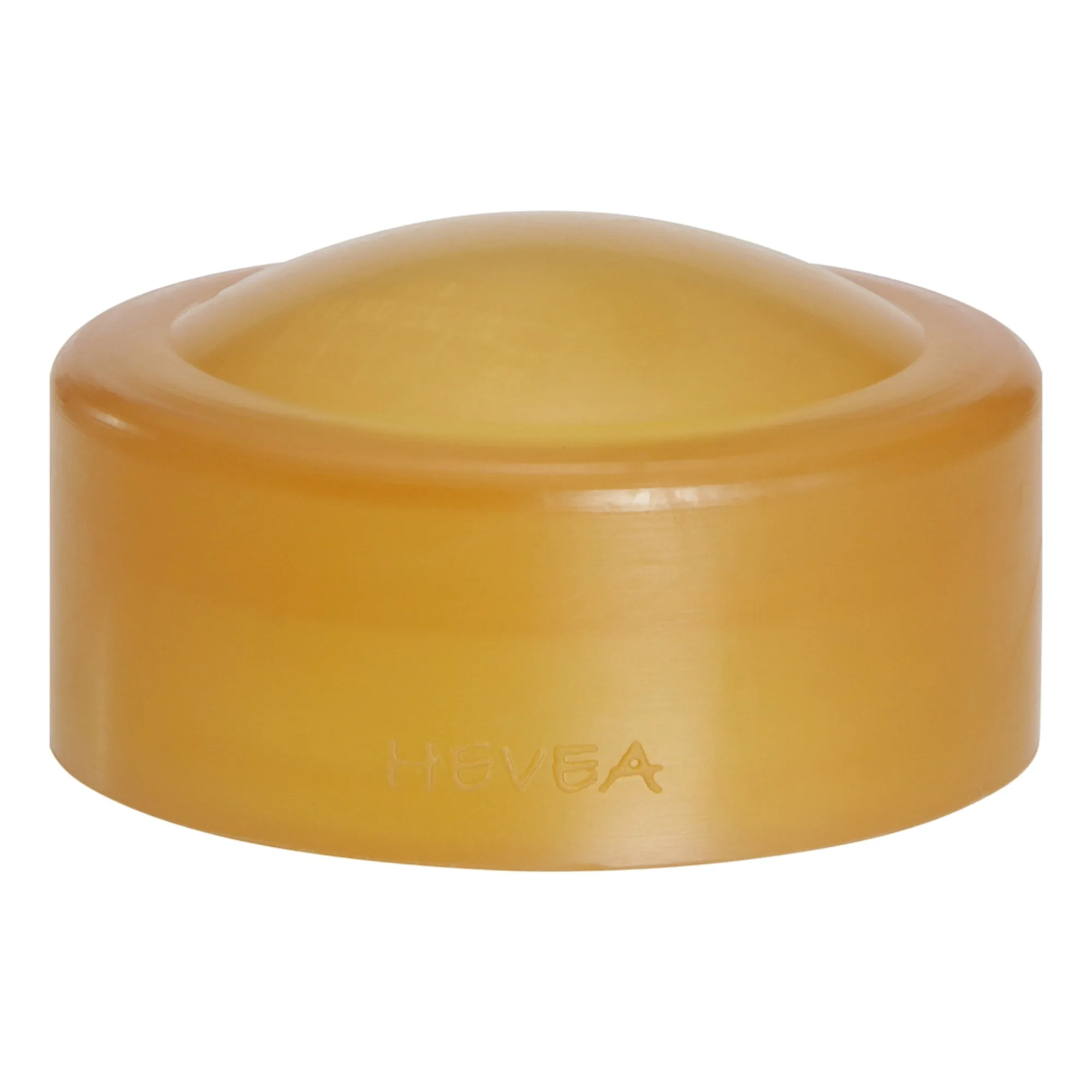
A replacement cap is a good example of a small swap with an outsized effect. The HEVEA Wide Neck Baby Glass Bottle Cap is designed as a replacement cap for HEVEA Wide Neck Glass Baby Bottles, made from 100% natural rubber from the Hevea brasiliensis tree. It fits securely over the bottle to help protect the teat from dirt and dust between feeds and during transport. Because it is a replacement part rather than a new system, it is one of the cheapest ways to stop a bottle from being retired early.
- Checkpoint: if you are replacing a cap every few weeks, the problem is the cap material, not your routine.
Step 3: Rethink bath time, where hidden water traps cause early replacement
Bath toys are the sneakiest source of plastic waste because they fail from the inside. Toys with holes take on water, and once water is trapped, mold follows and the toy gets thrown out. A one-piece design without holes is easier to keep clean and lasts longer, which is the whole point of a swap.
The HEVEA Fred the Frog Bath Toy is made from 100% natural rubber from the Hevea brasiliensis tree. It is soft and lightweight, easy for little hands to grasp, squeeze, and hold, and its one-piece construction is designed without holes, helping prevent water from entering the toy and making it easy to keep clean. That single design detail is what separates a toy that survives a year from one that survives a month.
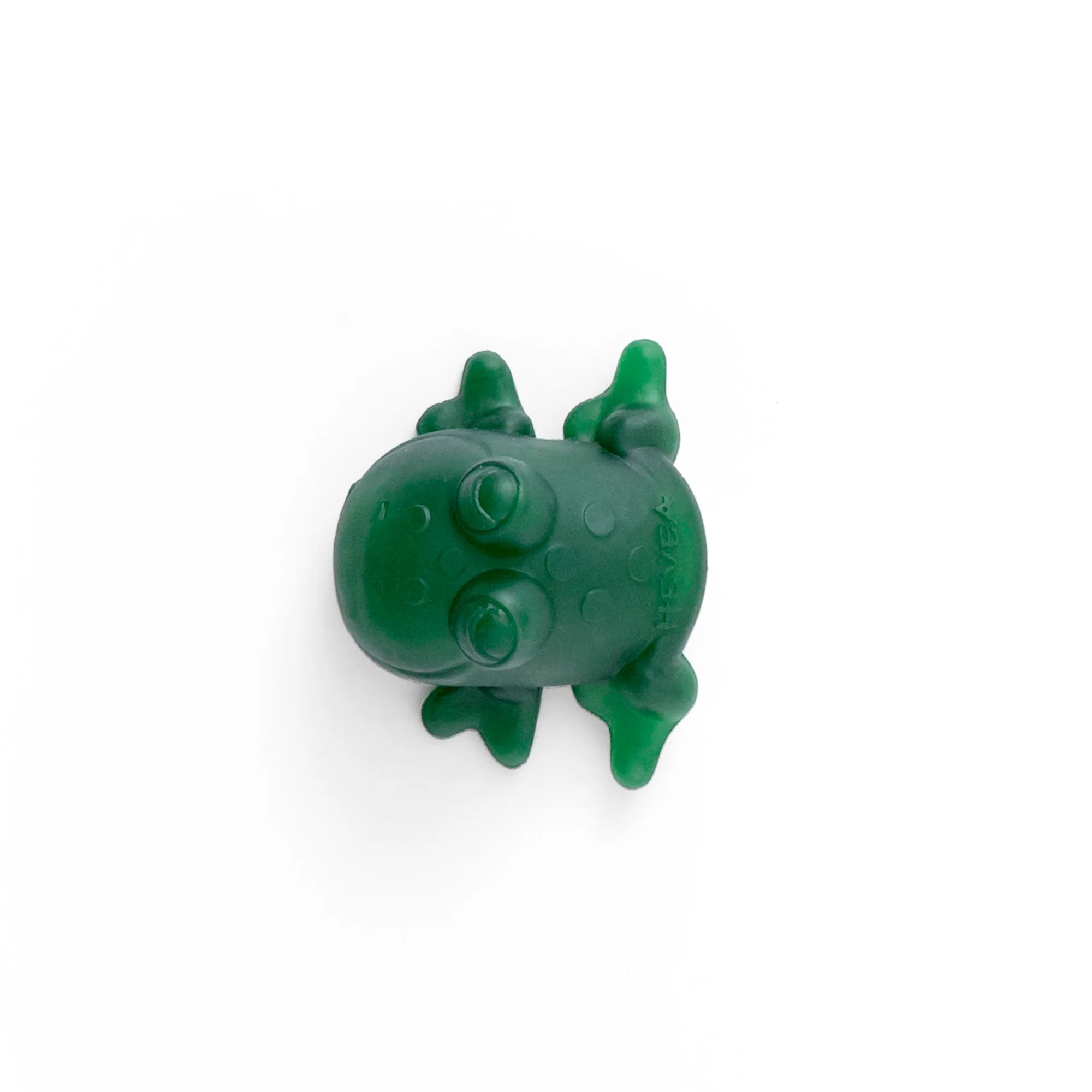
Fred the Frog Bath Toy
- Common mistake: squeezing water out of a holed toy and assuming it is dry inside.
- Checkpoint: after bath time, shake the toy. If you hear water, it has a hole and will not last.
Step 4: Choose pet toys that do two jobs instead of one
Dog toys generate waste in two ways: they get destroyed, and they get ignored. A toy that only fetches sits in a basket; a toy that also holds treats gets used daily and earns its place. Multi-use natural rubber toys tend to survive both chewing and repeated washing better than thin plastic squeakers.
The HEVEA Star Treat - Activation Toy is a multi-use pet toy designed for mental stimulation, teething relief, and fetch. It is made from 100% natural rubber from the Hevea brasiliensis tree, with an uneven, texturized surface that helps soothe sore gums and teeth, and a small treat hole that holds dry or moist treats, which can be frozen ahead of time for longer engagement. The HEVEA Moon Ball - Activation & Fetch Toy follows the same idea: a plastic-free ball with a texturized surface gentle on canine teeth and gums, plus a small internal compartment for treats that can also be frozen. One toy covering chewing, treats, and fetch replaces three single-purpose plastic toys.
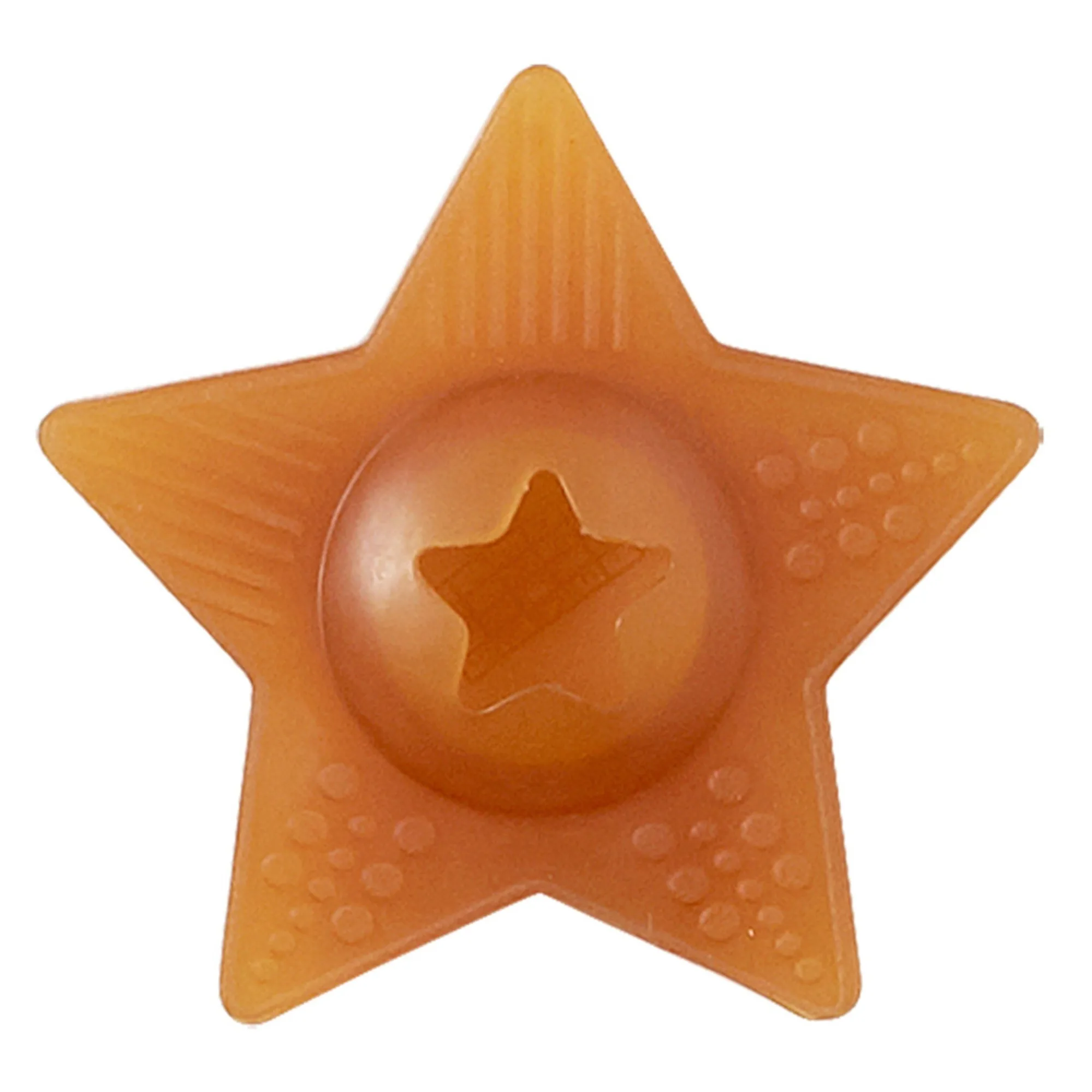
Star Treat - Activation Toy
- Checkpoint: if a toy has been in the basket untouched for two weeks, it is clutter, not enrichment.
Step 5: Build a small maintenance kit so swaps actually last
Reusable products only reduce waste if they stay in use. Keep a simple kit: a bottle brush, a mild soap, and a dedicated drying spot with airflow. Wash natural rubber items in warm water and let them air dry fully before storing, and check caps, teats, and toy surfaces monthly for cracks or stickiness.
The tradeoff is real: natural rubber is soft and biodegradable, so it will not outlast hard plastic under heavy daily chewing. That is the point, but it means you should expect to replace pet toys periodically. Buying one good toy at a time and replacing it when it genuinely wears out still produces far less waste than a stream of cheap plastic toys that break in weeks.
- Common mistake: storing damp natural rubber in a closed bin, which shortens its life.
- Checkpoint: if a toy or cap feels sticky or has visible cracks, retire it.
Step 6: Extend the same logic to the rest of the house
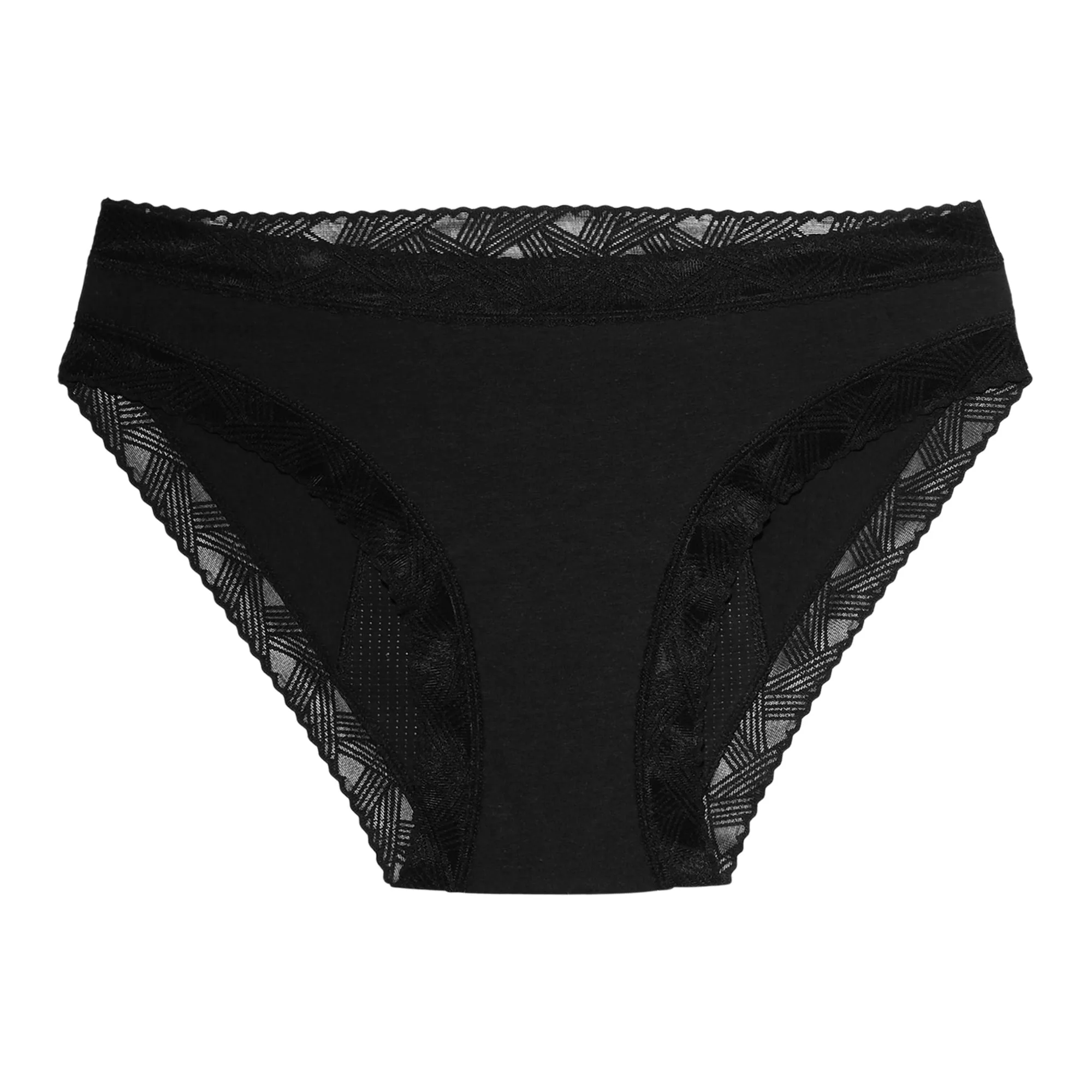
Once feeding, bath, and pet play are handled, the pattern repeats elsewhere: menstrual products, beach gear, and storage. Reusable period options such as menstrual cups and period briefs replace a monthly stream of disposables, and they follow the same rule as everything above: choose one, use it consistently, and maintain it properly.
Do not try to convert every category in the same month. Pick the next highest-volume item on your original list, swap it, and run it for a full cycle before moving on. The goal is a routine you keep, not a perfect cabinet.
- Checkpoint: if a swap has not survived one full month of normal use, pause and fix it before adding another.
Your six-step plastic reduction sequence
- Audit one week: Track every plastic item you throw away that touches your baby or pet for seven days without changing anything. Checkpoint: only items appearing three or more times make the priority list.
- Swap feeding parts first: Keep your existing bottle and replace worn caps and teats with durable, plastic-free versions. Checkpoint: if a cap fails every few weeks, change the material, not the routine.
- Replace holed bath toys: Choose one-piece toys without holes so water cannot get trapped and cause mold. Checkpoint: shake the toy after bath time. Water inside means it will not last.
- Consolidate pet toys: Pick multi-use natural rubber toys that cover chewing, treats, and fetch instead of three single-purpose plastic toys. Checkpoint: anything untouched for two weeks is clutter, not enrichment.
- Set up maintenance: Wash with mild soap, air dry fully, and inspect caps and toys monthly for cracks or stickiness. Checkpoint: sticky or cracked items should be retired, not stored damp.
- Expand one category at a time: Move to the next highest-volume item on your list only after the previous swap has survived a full month. Checkpoint: a routine you keep beats a perfect cabinet you abandon.
Products referenced in this guide
- Wide Neck Baby Glass Bottle Cap Single-Pack - One Size: Designed as a replacement cap for HEVEA Wide Neck Glass Baby Bottles, made from 100% natural rubber from the Hevea brasiliensis tree, fitting securely to protect the teat from dirt and dust between feeds and during transport. Replacing just the cap keeps an existing glass bottle in service instead of retiring the whole system.
- Fred the Frog Bath Toy: Made from 100% natural rubber from the Hevea brasiliensis tree, soft and lightweight for small hands, with a one-piece construction designed without holes to help prevent water from entering and make cleaning easier. No holes means no trapped water, which is the main reason bath toys get moldy and thrown away.
- Star Treat - Activation Toy: A multi-use pet toy designed for mental stimulation, teething relief, and fetch, made from 100% natural rubber with an uneven, texturized surface and a small treat hole that holds dry or moist treats, which can be frozen ahead of time. One toy covering chewing, treats, and fetch replaces several single-purpose plastic toys.
- Moon Ball - Activation & Fetch Toy: A multi-use pet toy designed for mental activation, chewing, and fetch, made from 100% natural rubber with an uneven, texturized surface gentle on canine teeth and gums, plus a small internal compartment for treats that can be frozen ahead of time. The treat compartment keeps the toy in daily use, so it earns its place instead of sitting in a basket.
You do not need to eliminate every plastic item at once. Audit honestly, swap feeding and bath first, choose pet toys that do more than one job, and maintain what you buy. Done in that order, a plastic-free baby routine and more sustainable pet products become habits rather than projects.