Quick answer
Ready-to-use refills win for most households because they cut plastic without mixing, while concentrates save more per ounce only if you already own a durable bottle and will actually dilute them. Compare the total cost per use, not just the sticker price: refills like Koala Eco's Floor Cleaner Refill or Multi-Purpose Kitchen Cleaner Refill deliver savings of about 29% off the comparison price and eliminate a new bottle every time.
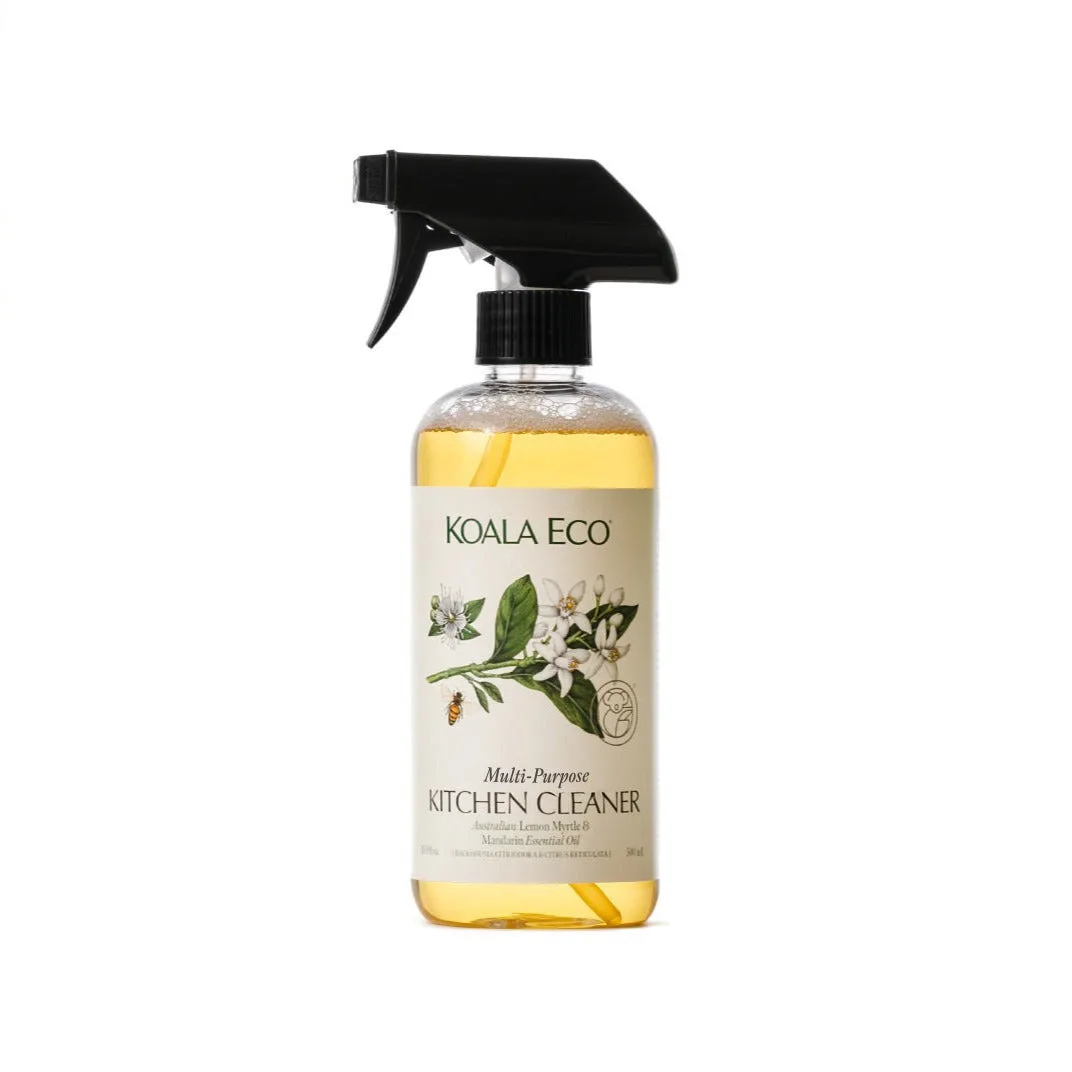
Multi-Purpose Kitchen Cleaner
What Refill and Concentrate Actually Mean
A refill is a ready-to-use product in a larger or lighter container that you pour into your existing spray bottle or dispenser. A concentrate is a highly diluted formula that you mix with water at home, usually in a bottle you keep and reuse. The key difference is who adds the water: the manufacturer (refill) or you (concentrate). That single step changes cost, plastic, and effort.
How to Compare Cleaning Refill Cost Fairly
Start with cost per use, not cost per bottle. Divide the price by the number of full bottles you can make. For a ready-to-use refill, that is simply the refill volume divided by your bottle size. For a concentrate, multiply the number of diluted bottles you get from one concentrate bottle. Then add any cost for a durable bottle if you do not own one. A concentrate can look cheaper per ounce but lose its edge if you buy a new bottle or over-dilute and waste product.
- Check the refill or concentrate volume and your bottle size.
- Count how many full bottles one purchase yields.
- Add the one-time cost of a reusable bottle or trigger if needed.
- Factor in your time and tolerance for mixing.
Plastic Waste: Refills vs Concentrates
Both formats reduce plastic compared to buying a new ready-to-use bottle every time. Refills typically use a lighter pouch or bottle that still gets recycled or reused, while concentrates often use the smallest package because you add the water. The trade-off is that concentrates require a sturdy bottle you keep for many months. If you already have a good bottle, concentrate usually wins on plastic. If you do not, a refill is the simpler way to start cutting waste today.
Convenience and Storage Trade-offs
Refills are ready when you are: open, pour, clean. Concentrates need measuring, mixing, and a little planning, especially if you want the right dilution for a specific job. Storage also differs: a 33.8 oz refill takes more shelf space than a small concentrate bottle, but you never have to worry about running out mid-clean because you forgot to mix a new batch. For busy households, the best value cleaning refill is often the one you will actually use consistently.
Performance and Scent: What Carries Over
A refill keeps the exact formula you already trust, including essential oils and no synthetic fragrance. A concentrate, once diluted correctly, should perform the same as the ready-to-use version from the same brand, but dilution errors can weaken it. If you love a specific scent like mandarin and peppermint, a refill guarantees that experience every time. Concentrates may offer fewer scent options or require you to mix your own, which can be a dealbreaker for some.
Trade-offs at a glance
- Upfront cost: Refills cost more per bottle than a concentrate because you are paying for water and packaging, but they often come at a discount to the original ready-to-use price. If cash flow matters more than long-term savings, start with a refill.
- Cost per use: Concentrates usually win on cost per use if you already own a bottle and dilute correctly. Over-diluting or buying a new bottle erases that advantage. Do the math for your exact bottle size before committing to concentrate.
- Plastic waste: Concentrates use the least plastic per use, but only if you reuse the same bottle many times. Refills still cut plastic dramatically versus buying a new spray bottle each time. Choose concentrate for minimal plastic; choose refill for minimal effort.
- Convenience: Refills are pour-and-go. Concentrates require measuring and mixing, which adds a step some people skip or get wrong. If you want zero friction, refills are the safer bet.
Product facts that affect your choice
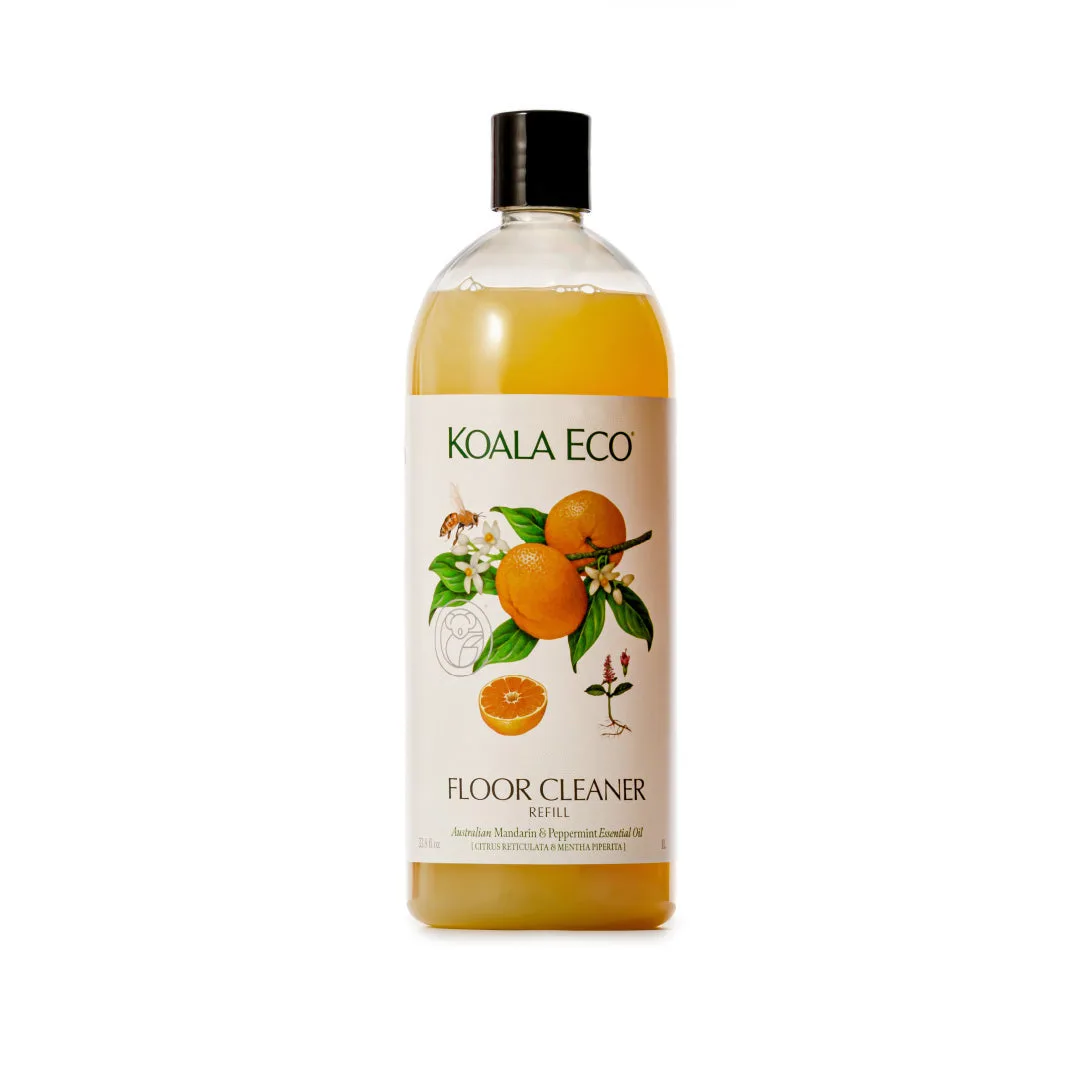
- Floor Cleaner - Refill: 33.8 oz, effective and powerful, essential oils, no synthetic fragrance. Mandarin & Peppermint Floor Cleaner cuts through grime. A large ready-to-use refill means no mixing and no new bottle, so you save plastic immediately and get consistent scent and performance.
- Multi-Purpose Kitchen Cleaner - Refill: 33.8 oz, effective and powerful, essential oils, no synthetic fragrance. Lemon Myrtle & Mandarin Multi-Purpose Kitchen Cleaner is safe for refrigerator, dishwasher, microwave oven, benches and all food storage and preparation areas. This refill covers multiple kitchen surfaces, so you replace several specialty cleaners with one bottle and cut both cost and clutter.
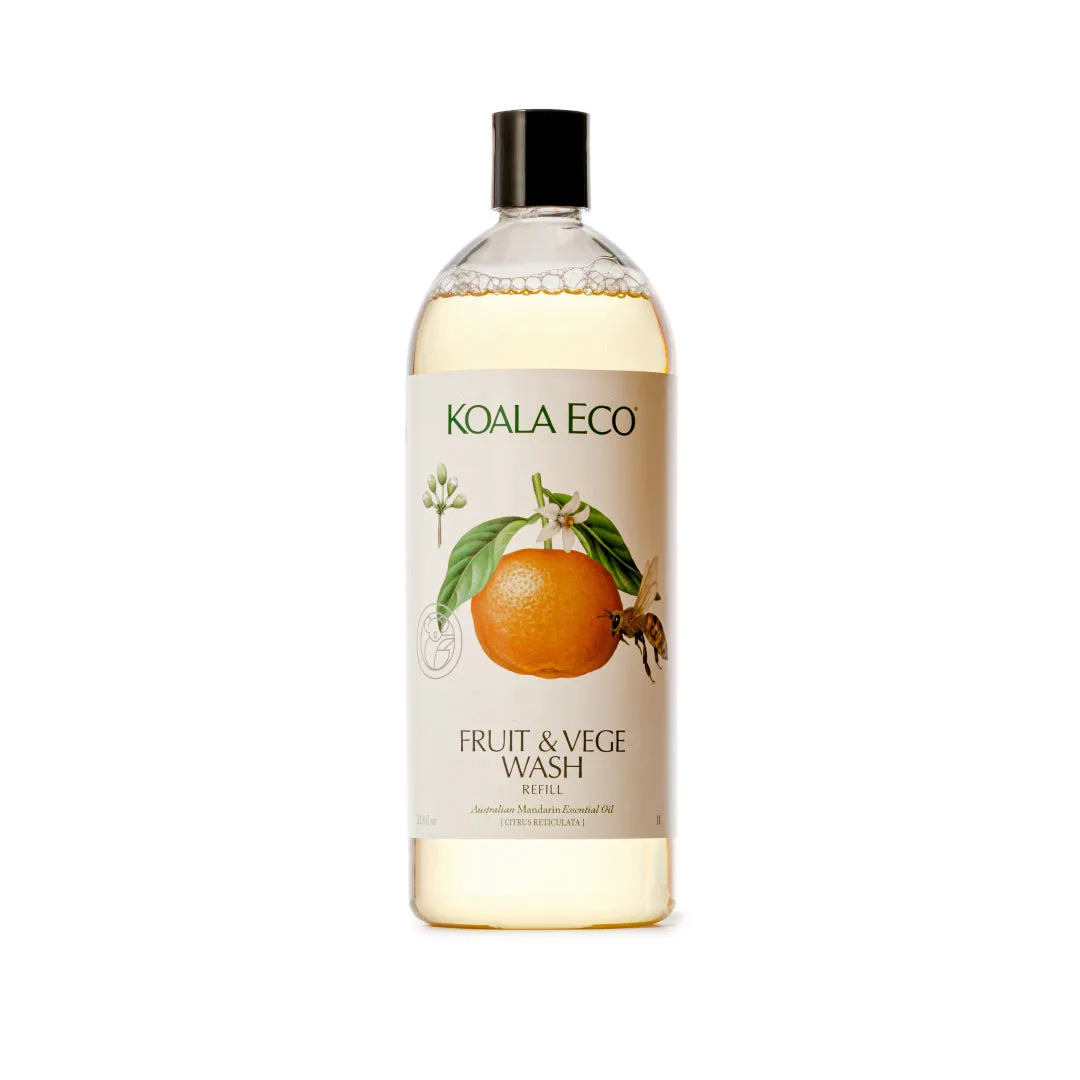
- Fruit & Vegetable Wash - Refill: 16.9 oz & 33.8 oz, no aftertaste, essential oils, no synthetic fragrance. Mandarin Fruit & Vegetable Wash removes residual pesticides, oils, waxes and agricultural chemicals from fruit and vegetables. A refill for produce wash is a niche but high-use item if you cook often; buying the larger size lowers cost per use and plastic per wash.
Which should you choose?
Best for
- Households that want to cut plastic without changing their routine.
- People who value consistent scent and performance from a trusted formula.
- Anyone who dislikes measuring or mixing cleaning solutions.
Not for
- Shoppers who already own a durable bottle and want the absolute lowest cost per use.
- Those with very limited storage space who prefer a tiny concentrate bottle.
- People who enjoy customizing dilution for different tasks.