When it comes to washing dishes, you have two main choices: liquid dish soap or powdered detergent. Both can get your plates clean, but they differ in ingredients, packaging, and environmental footprint. With the rise of refillable cleaning products, many eco-conscious shoppers are wondering which option truly reduces waste and works best for everyday dish duty.
In this comparison, we’ll look at how liquid dish soap stacks up against powder detergent—from grease-cutting power to plastic waste. We’ll also highlight how refillable systems like The Dish Soap and https://kinfillshop.com/products/the-dish-soap-refill-93027The Dish Soap Refill can tip the scales toward sustainability without sacrificing performance.
Cleaning Performance: Grease vs. Residue
Liquid dish soap excels at cutting grease because it contains surfactants that emulsify oils on contact. It works well in warm water and creates suds that help lift food particles. For everyday dishes and pots with light to moderate grease, a quality liquid soap like The Dish Soap is more than sufficient. It rinses cleanly and leaves no film on glassware or silverware.
Powder detergent, on the other hand, is often more alkaline and can tackle baked-on or dried food residues. It’s effective in hard water because the powder can be formulated with water softeners. However, powders may leave a residue if not fully dissolved, especially in cooler water. They also tend to be less effective on grease compared to liquids, which is why many people use a separate degreaser for oily pans.
- Tip: For greasy dishes, use liquid dish soap directly on a sponge. For baked-on messes, let powder detergent soak in hot water first.
Environmental Impact: Packaging and Ingredients
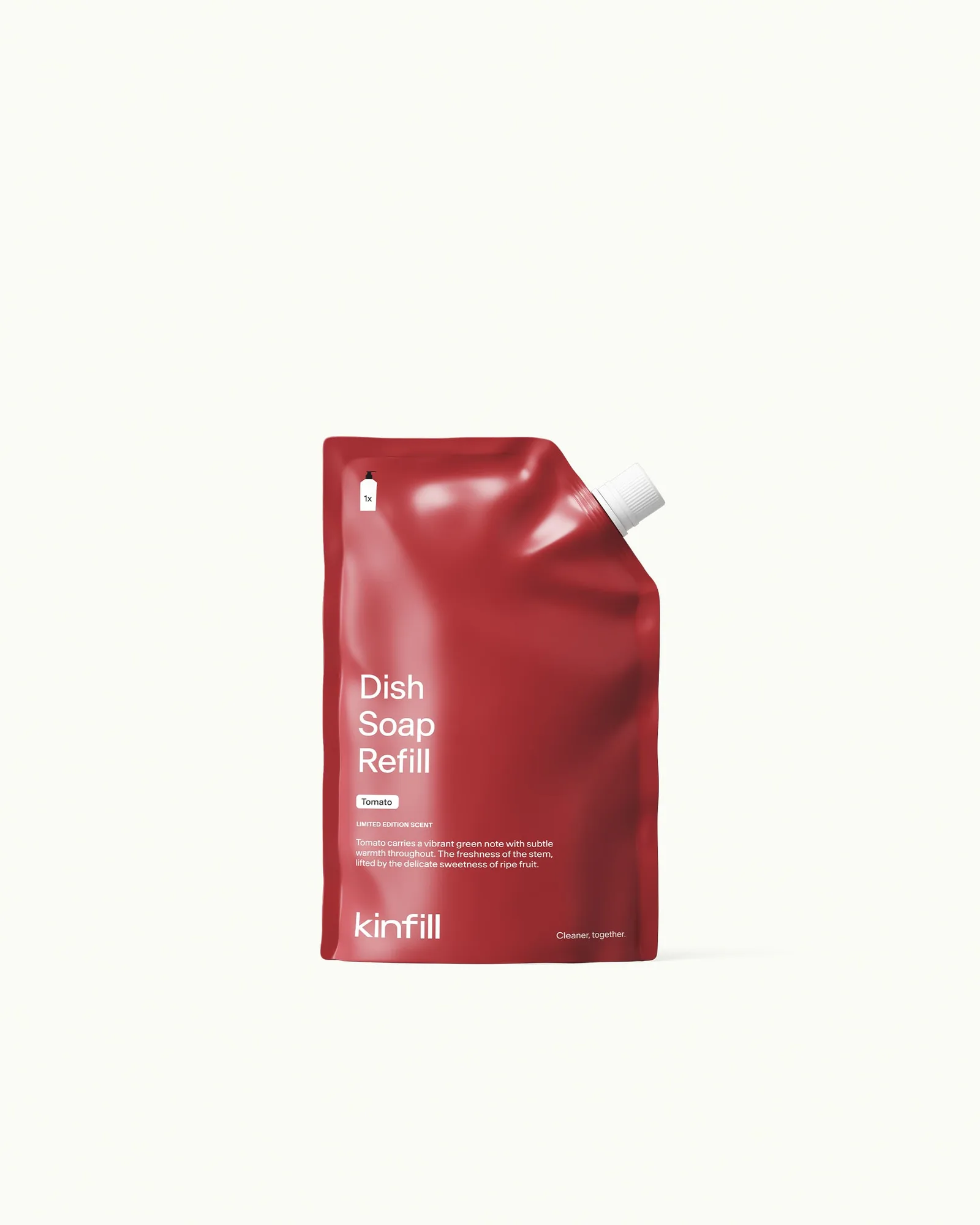
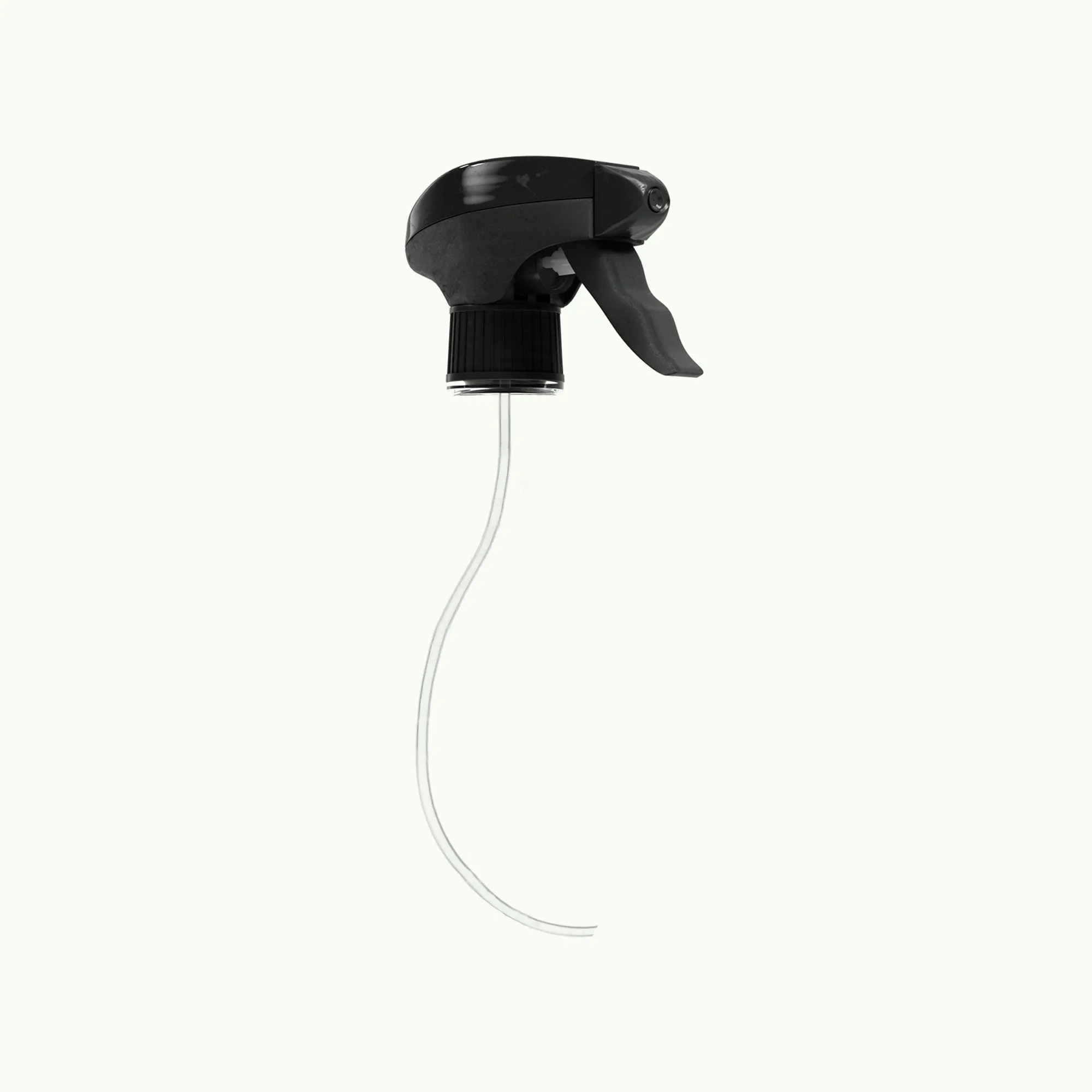
The biggest environmental advantage of liquid dish soap is the refillable model. Brands like Kinfill offer concentrated refills that use up to 90% less plastic than single-use bottles. For example, The Dish Soap Refill comes in a pouch or bottle that you pour into a reusable container like The Trigger Sprayer. This drastically reduces plastic waste compared to buying a new bottle each time.
Powder detergent typically comes in cardboard boxes or paper bags, which are recyclable and lighter to transport, lowering carbon emissions. However, many powders contain phosphates, bleach, or synthetic fragrances that can harm aquatic life. Liquid dish soaps, especially natural ones, often use plant-based surfactants and are biodegradable. But they usually require more water in the formula, adding weight during shipping.
- Fact: Refillable liquid dish soap systems can cut plastic waste by over 80% compared to single-use bottles.
- Consider: Powder detergents often have a lower water footprint but may contain more synthetic chemicals.
Cost and Convenience
Liquid dish soap is convenient—you squeeze it onto a sponge and start scrubbing. With a refillable system, you buy a large refill and reuse the same bottle, saving money over time. For example, The Dish Soap Refill costs less per ounce than buying multiple small bottles. Plus, you can pair it with a durable sprayer or pump bottle for easy dispensing.
Powder detergent is often cheaper per load, especially if bought in bulk. But it requires measuring and may need pre-dissolving in hot water. It also takes up less storage space. However, if you forget to measure or use too much, you can waste product. For some, the extra step of mixing powder is a drawback compared to the simplicity of liquid soap.
- Cost tip: Compare the price per ounce or per wash load. Refillable liquids often break even after 2-3 refills.
- Convenience: If you hate measuring, a pump bottle for liquid soap is easier than scooping powder.
Which One Should You Choose?
If you wash dishes by hand and want a product that’s gentle on hands, effective on grease, and comes in a refillable format, liquid dish soap is your best bet. Look for plant-based formulas in concentrated refills to minimize waste. The Dish Soap, for instance, is designed to be tough on food but mild on skin, and its refill system keeps plastic out of landfills.
If you have a dishwasher or prefer a powder for soaking and scrubbing tough stains, consider a natural powder detergent. But be aware that many powders are not suitable for hand washing—they can be harsh on skin. For most households, a refillable liquid dish soap offers the best balance of performance, eco-friendliness, and ease of use.
- Bottom line: For daily hand washing, go with refillable liquid dish soap. For dishwasher use or occasional deep cleaning, powder can be a good supplement.
Both liquid refillable dish soap and powder detergent have their merits, but for the planet and your dishes, a refillable liquid like The Dish Soap paired with a reusable bottle is the more sustainable choice. It reduces plastic waste, cleans effectively, and simplifies your routine. If you occasionally need extra scrubbing power, keep a small box of natural powder on hand—but make refillable your everyday go-to.