Quick answer
Choose Reign of Dragoness for strategic card play and longer sessions; pick Rubik's Rush for fast-paced electronic reflexes and memory challenges.
Strategy vs. reflex: two very different play styles
Reign of Dragoness rewards planning and timing. Players deploy dragon powers to clear their hand first, which means each round involves reading opponents and deciding when to use special abilities. Rubik's Rush is all about speed and memory—random colored lights flash across the board, and you must tap matching buttons in sequence. The pace accelerates each round, so quick reactions matter more than long-term strategy.
If your tween loves outsmarting others with clever moves, the card game will feel more satisfying. If they thrive on fast-twitch challenges and beating the clock, the electronic game delivers that adrenaline.
Both games support multiple players, but the social dynamic differs. Reign of Dragoness encourages table talk and bluffing; Rubik's Rush creates a race-to-finish energy that can get loud and competitive.
Solo vs. group play: a key difference
Reign of Dragoness is designed for multiplayer only. It shines with 2–4 players who enjoy direct competition. Rubik's Rush offers both solo and multiplayer modes. A tween can practice alone against the clock or challenge up to three friends in head-to-head rounds.
For families with only one child or for quiet solo play, Rubik's Rush is more versatile. If game night always includes siblings or friends, both games work well, but Reign of Dragoness requires at least two people to play.
Price and replay value
Reign of Dragoness costs $14.19 (down from $19.99), making it an affordable addition to a card game collection. The variable dragon powers and timing decisions keep each round fresh. Rubik's Rush is $22.49 (down from $29.99) and relies on random light sequences, which also ensures no two games are exactly alike. Its electronic component may feel more novel initially, but the core challenge stays the same: beat the lights.
Both games offer good replay value, but the card game may appeal more to tweens who enjoy evolving strategies, while the electronic game suits those who like mastering a consistent skill.
Trade-offs at a glance
- Strategic depth: Reign of Dragoness offers more tactical decisions and bluffing. Rubik's Rush is pure speed and memory.
- Solo play: Rubik's Rush supports solo practice; Reign of Dragoness requires at least two players. If your child often plays alone, Rubik's Rush is the better fit.
- Session length: Reign of Dragoness rounds can last 15–30 minutes. Rubik's Rush rounds are under 5 minutes, so you can play several in a row. For quick filler fun, choose Rubik's Rush. For a longer game night centerpiece, pick Reign of Dragoness.
- Price: Reign of Dragoness is $14.19; Rubik's Rush is $22.49. Both are currently discounted.
Game features at a glance
-
Reign of Dragoness Game: Players harness dragon powers to outpace opponents, deploying special abilities and mastering timing to clear their hand first. This strategic layer means each round involves reading the table and deciding when to use your best moves, not just luck.
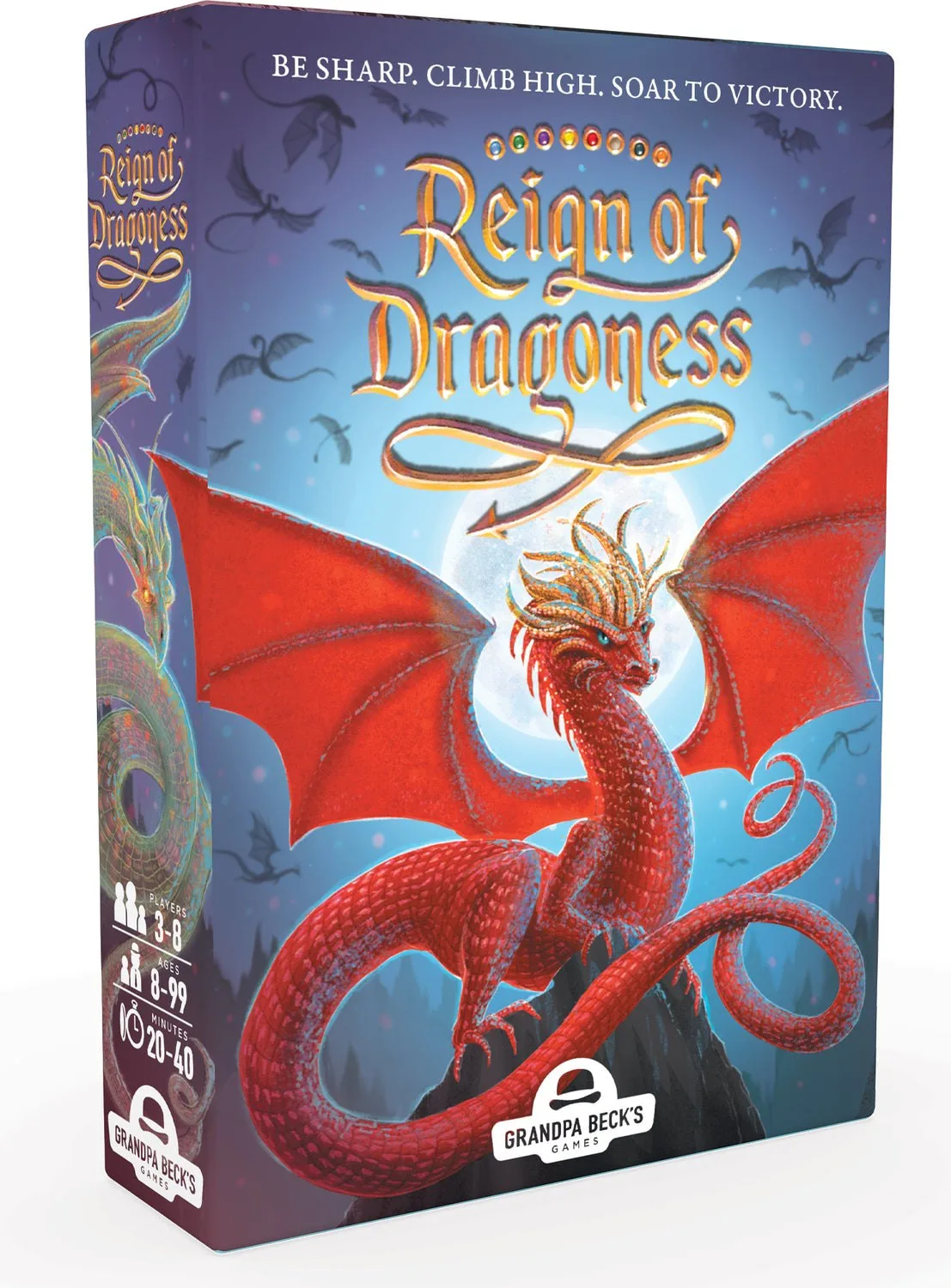
Reign of Dragoness Game
-
Rubik's Rush Electronic Game: Random colored lights flash across the board; tap matching buttons in sequence before opponents do. Solo mode and up to 4 players. The electronic, reflex-based gameplay is ideal for quick sessions and can be played alone or with friends, offering flexibility the card game lacks.
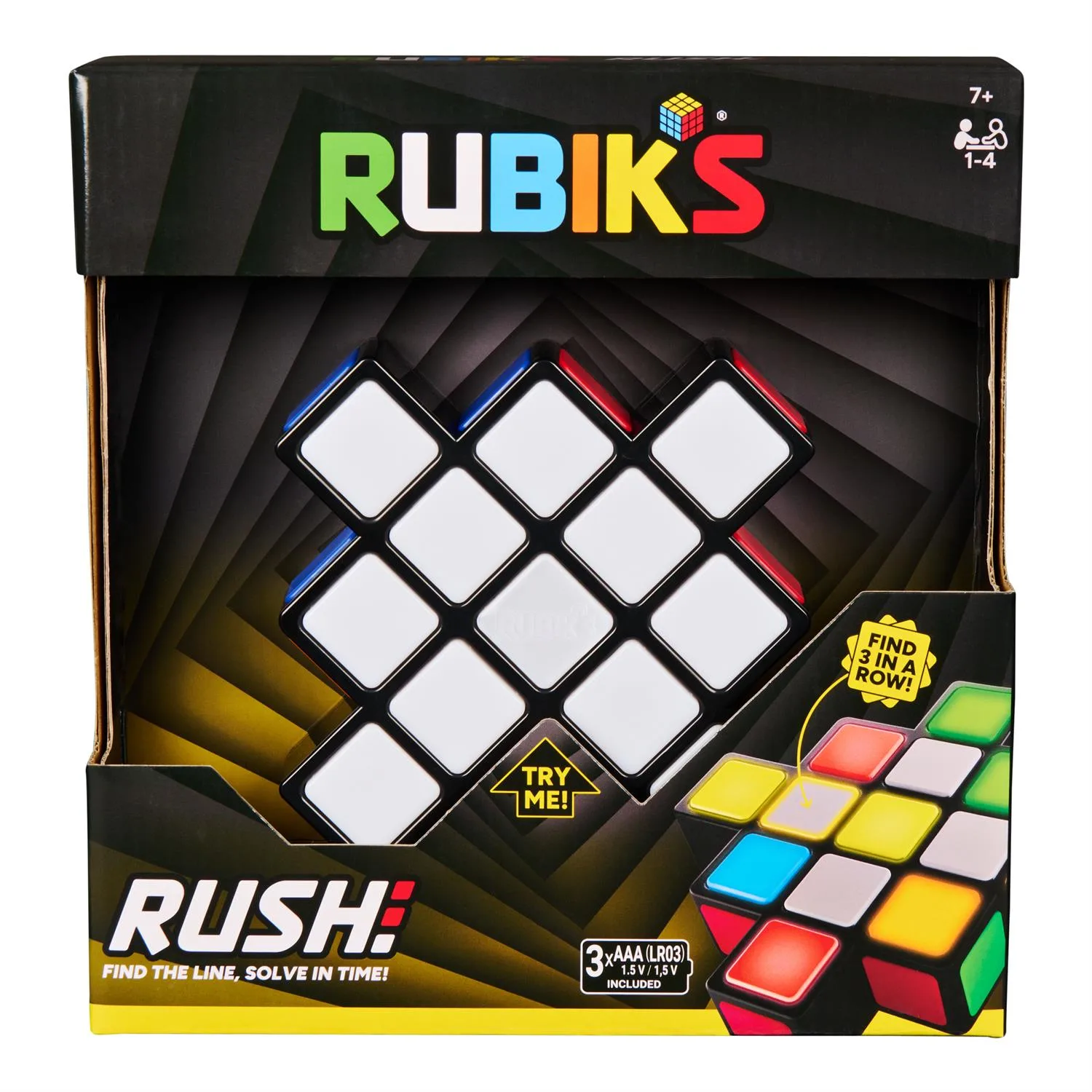
Rubik's Rush Electronic Game
Which game fits your tween?
Best for
- Tweens who enjoy planning, bluffing, and outsmarting friends in a card game
- Families who want a longer, more social game night experience
Not ideal for
- Kids who prefer fast, reflex-based challenges or solo play
- Families with only one child who wants to play alone