Quick answer
To remove stains from kids' rainwear and outdoor gear, spot-clean with a mild soap and soft brush first, then machine wash on a gentle cycle with a technical cleaner. For small holes or worn areas that attract stains, apply an iron-on patch before washing.
Why regular detergent can make stains worse
Standard laundry detergents often leave residues that can break down the durable water-repellent (DWR) coating on rainwear. This makes the fabric more absorbent, so stains set deeper and the gear loses its waterproofing. Use a cleaner specifically designed for technical fabrics, and avoid fabric softeners and bleach.
If your child's rain jacket has stubborn stains like mud, food, or tree sap, treat them before washing. Let the stain dry, then brush off loose dirt. For greasy stains, apply a small amount of dish soap directly to the spot and let it sit for 10 minutes before washing.
Drying and reproofing after washing
After washing, air-dry the garment away from direct heat. If the DWR coating is no longer beading water, you can reactivate it by ironing on a low heat setting with a cloth between the iron and fabric. Alternatively, use a spray-on or wash-in reproofing product.
Avoid tumble drying unless the care label says it's safe, as high heat can damage the fabric and waterproof membrane.
Step-by-step stain removal for rainwear
- Pre-treat the stain: Let mud or dirt dry completely, then brush off loose debris. Apply a small amount of mild dish soap or a technical stain remover directly to greasy spots and let it sit for 10 minutes. Check the care label for any specific instructions. Never rub a fresh stain into the fabric—blot it gently with a clean cloth.
- Wash on a gentle cycle: Use a front-loading machine on a delicate cycle with cold or lukewarm water (max 30°C). Use a liquid detergent made for technical fabrics. Do not use fabric softener or bleach. For very delicate items, hand wash in a basin with the same cleaner. Zip all zippers and fasten Velcro closures before washing to prevent snags.
- Rinse thoroughly and air-dry: Run an extra rinse cycle to remove all detergent residue. Hang the garment to dry in a well-ventilated area away from direct sunlight and heat sources. Do not wring or twist the fabric. If the fabric no longer beads water after drying, reactivate the DWR with a warm iron (with a cloth) or apply a reproofing spray.
- Patch small holes or worn areas: After the garment is completely dry, apply an iron-on patch designed for rainwear or technical outerwear. Follow the package instructions—usually place the patch over the damaged area, cover with a cloth, and press with a warm iron for the recommended time. Patching before the next wash prevents the hole from growing and keeps the gear waterproof.
Repair patches for rainwear
-
Tilkøb af Strygemærker - Regntøj - slightly green flowers: These iron-on patches are waterproof, durable, and designed for rainwear, thermo-rainwear, and rubber suits. They cover small holes and wear. Applying a patch before washing prevents the hole from enlarging and keeps the garment waterproof, so stains don't soak into the padding.
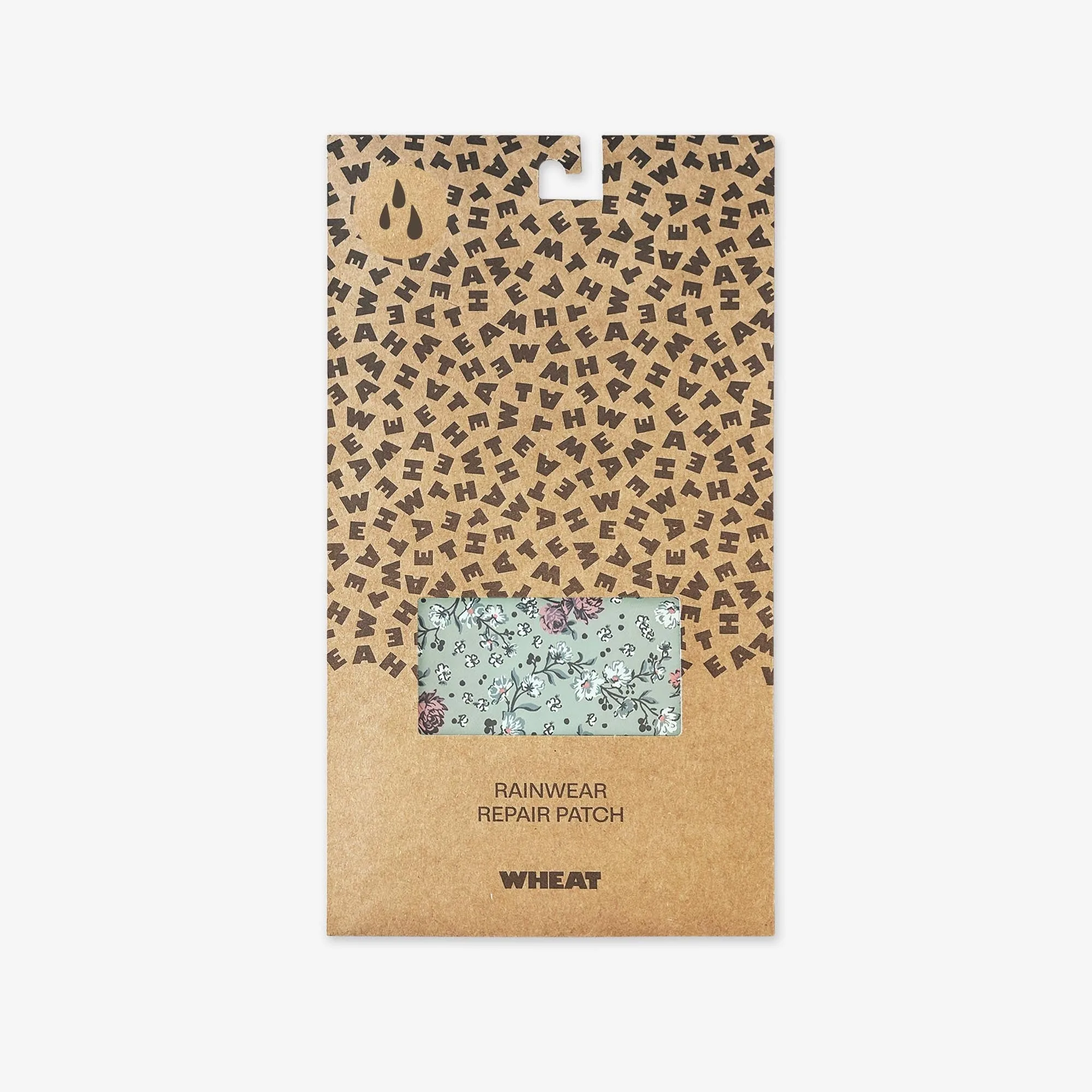
Tilkøb af Strygemærker - Regntøj - slightly green flowers
-
Tilkøb af Strygemærker - Teknisk Overtøj - grey moon flowers: These iron-on patches are developed for technical outerwear and are ideal for repairing small holes or wear on water- and windproof textiles. They help extend the life of winter jackets, ski pants, and suits, so you avoid replacing expensive gear after minor damage.
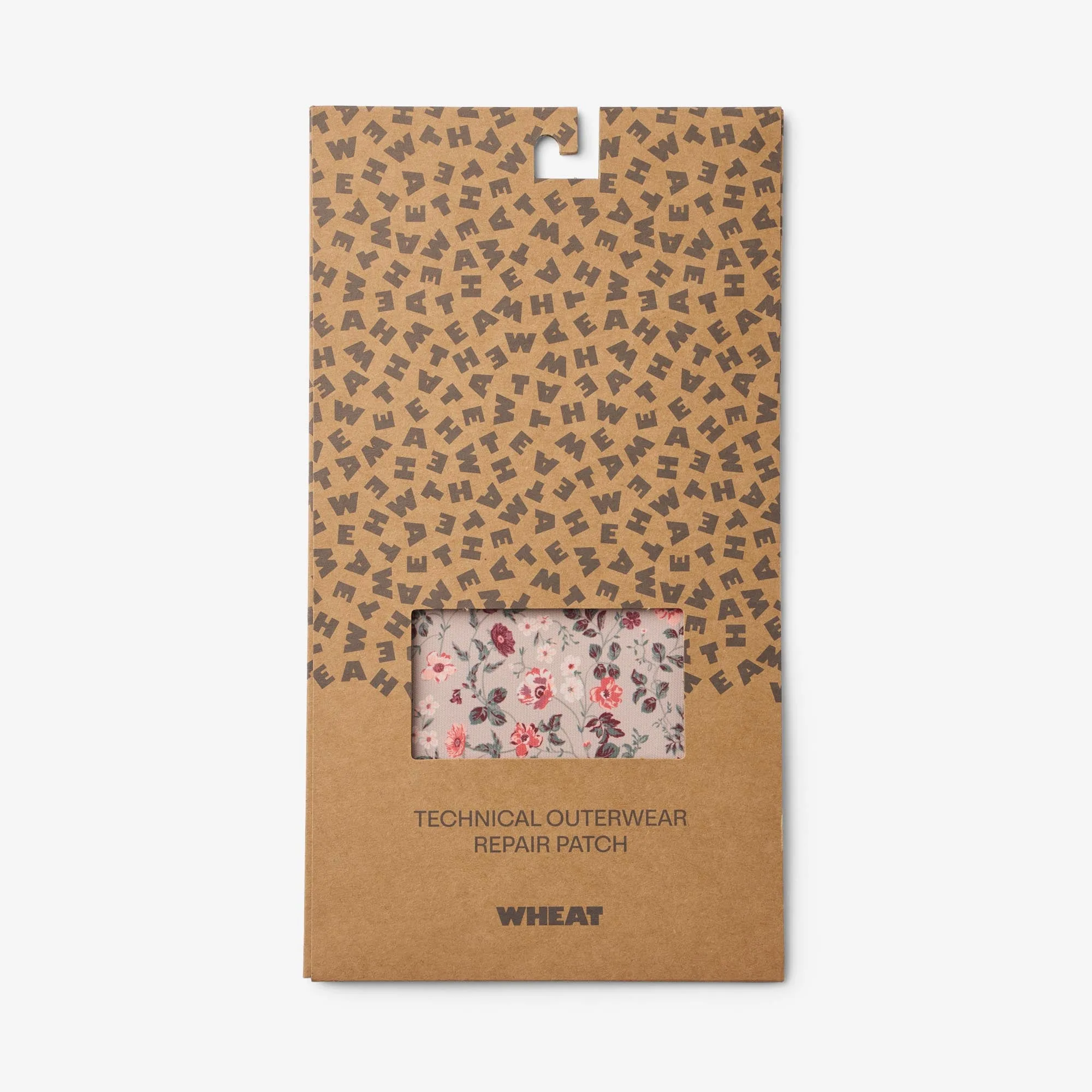
Tilkøb af Strygemærker - Teknisk Overtøj - grey moon flowers