Quick answer
Start by measuring one shelf or surface and choosing a single focal piece, then build height with risers and keep resin out of direct sun. Small-space displays work best when you limit each zone to three to five pieces and rotate the rest in storage.
Measure the spot before you buy another shelf
Most apartment display problems start with a shelf that is too deep or too tall for the room. Measure the width, depth, and available height of your intended spot, then note how much clearance you need for the tallest figure. A narrow floating shelf above a desk often works better than a floor unit because it uses vertical space you already have.
Group by scale, not by brand
Mixing a 3-inch piece with a 12-inch figure on the same level makes both look smaller. Group pieces within roughly 2 inches of each other in height, and place the largest group at eye level. Smaller pieces can sit in front on a slight riser so they are not hidden.
Control light and dust without a cabinet
Resin and vinyl can fade or become tacky with prolonged direct sun, so keep shelves away from south-facing windows or use a UV-filtering film. Dust with a soft makeup brush or compressed air weekly; skip household glass cleaner on painted surfaces. If you want open display, a simple acrylic riser set keeps pieces off the shelf and easier to clean underneath.
Steps to build a small-space resin display
- Audit your surface and pick one anchor piece: Clear the shelf or desk completely, then place a single figure or card as the anchor. Measure the remaining width and height before adding anything else. Checkpoint: if the anchor takes more than half the width, choose a smaller piece or a different surface.
- Add two risers at different heights: Use acrylic risers, small boxes, or stacked books to create a back row and a front row. Keep the tallest pieces at the back so nothing blocks them. Common mistake: making every riser the same height, which flattens the display and hides short pieces.
- Cap the zone at three to five pieces: Rotate extra pieces into a storage box and swap them monthly. A tight edit makes each figure read as intentional rather than stored. Checkpoint: if you cannot name each piece from across the room, the zone is too crowded.
- Check light and stability: Move the shelf out of direct sun or add UV film, and press museum putty under anything top-heavy. Resin can become unstable on smooth surfaces during minor bumps. Next step: photograph the finished setup so you can rebuild it after cleaning or moving.
Pieces that work in small displays
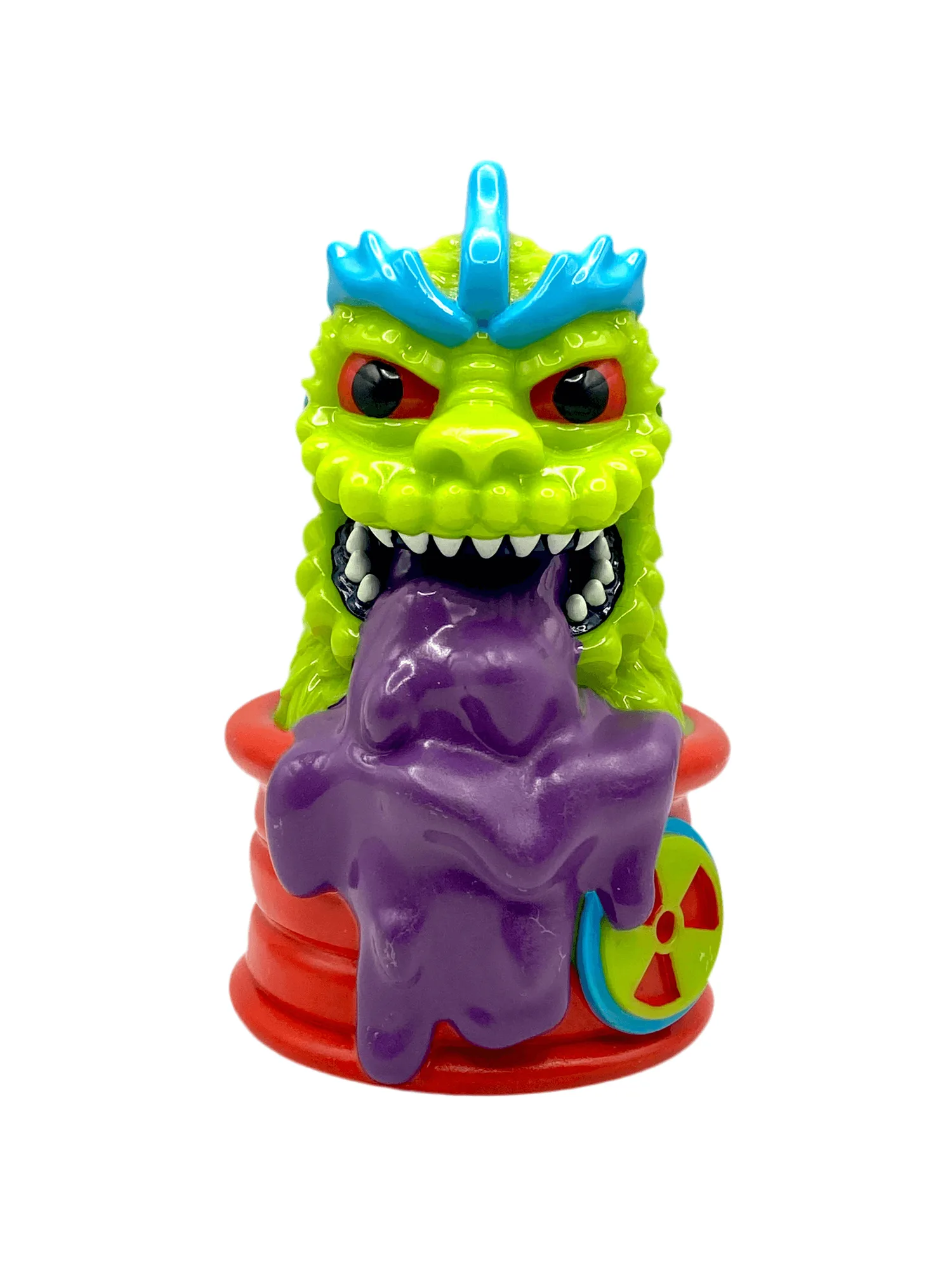
- Barfy Reptar: Barfy Reptar is a standard-edition collectible card from Bootleg Toy Co, part of the Toys on Tap series. Flat cards take almost no shelf depth, so they suit narrow ledges and can lean against a wall behind taller figures.
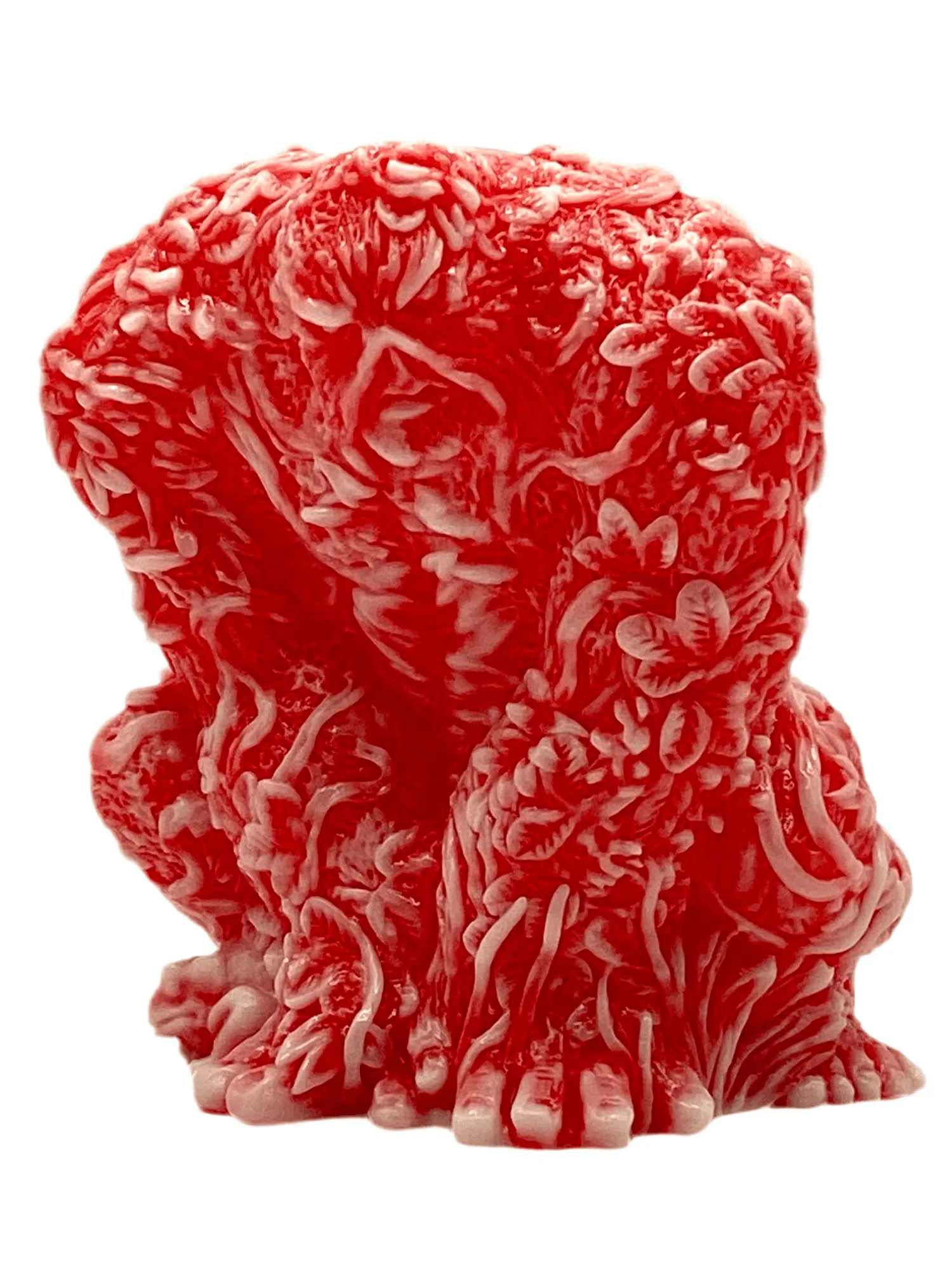
- SWAMPY MEAT MARBLE: Swampy Meat Marble from Etc Toys stands approximately 3 inches tall, has a UV reactive finish, and includes stickers and header art. Its compact height fits risers and small cubbies, and the UV glow means you can display it under a black light instead of bright daylight.
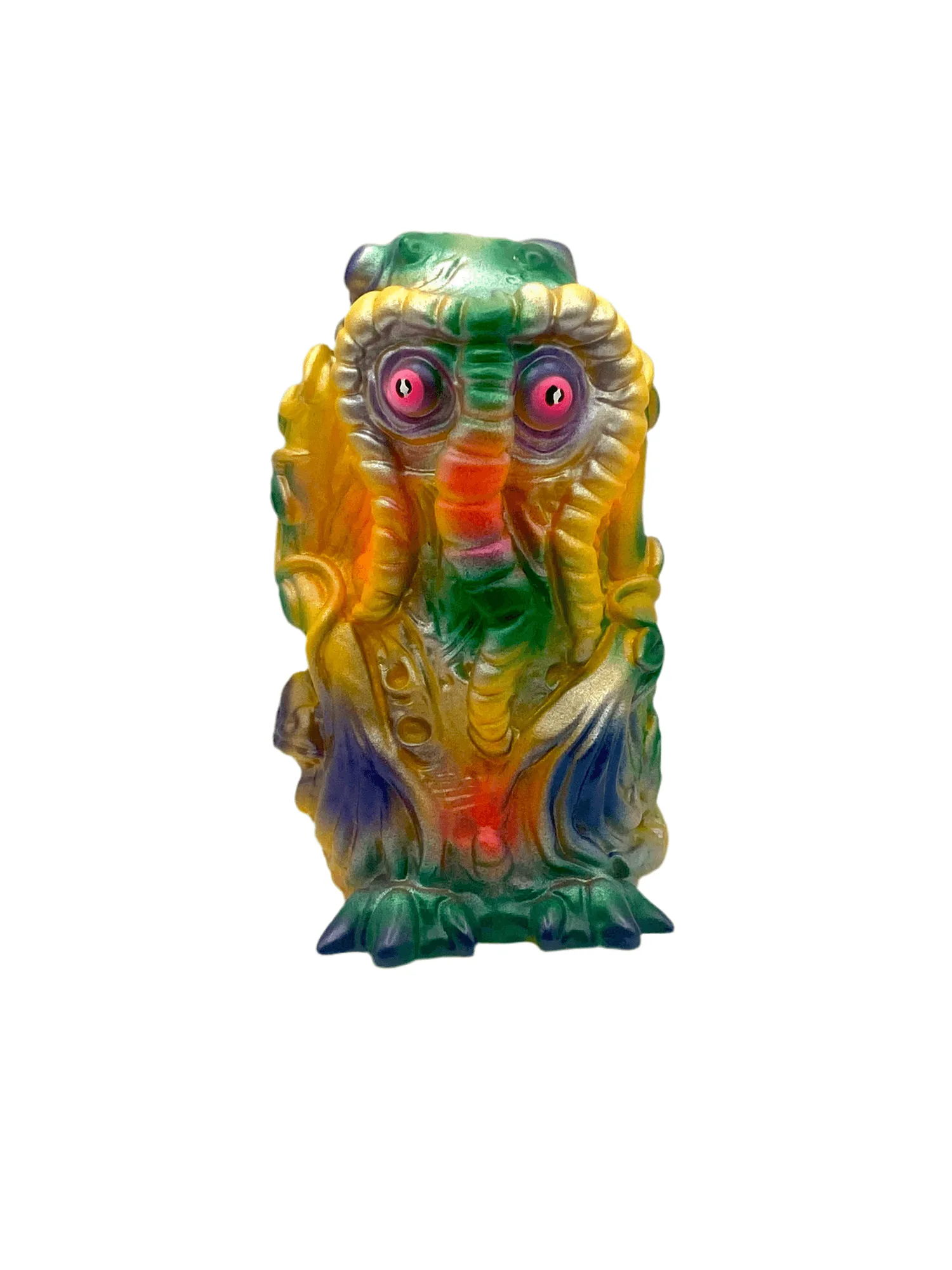
- Man-Thing Vinyl Figure 1/1 Painted by Ressinblood: Man-Thing Vinyl Figure is a 1/1 scale piece hand-painted by Ressinblood. Because it is one of a kind, give it its own clear zone rather than crowding it with mass-produced pieces.