Exfoliation is the cornerstone of glowing, healthy skin, but with so many resurfacing products on the market, choosing the right one can feel overwhelming. Two popular options are resurfacing compounds and at-home flash peels. Both promise smoother, brighter skin, but they work in different ways and suit different needs.
In this buying guide, we’ll break down the key differences between a resurfacing compound and a flash peel, compare their benefits, and help you decide which one aligns with your skincare goals. Whether you're new to chemical exfoliants or a seasoned pro, this guide will simplify your decision.
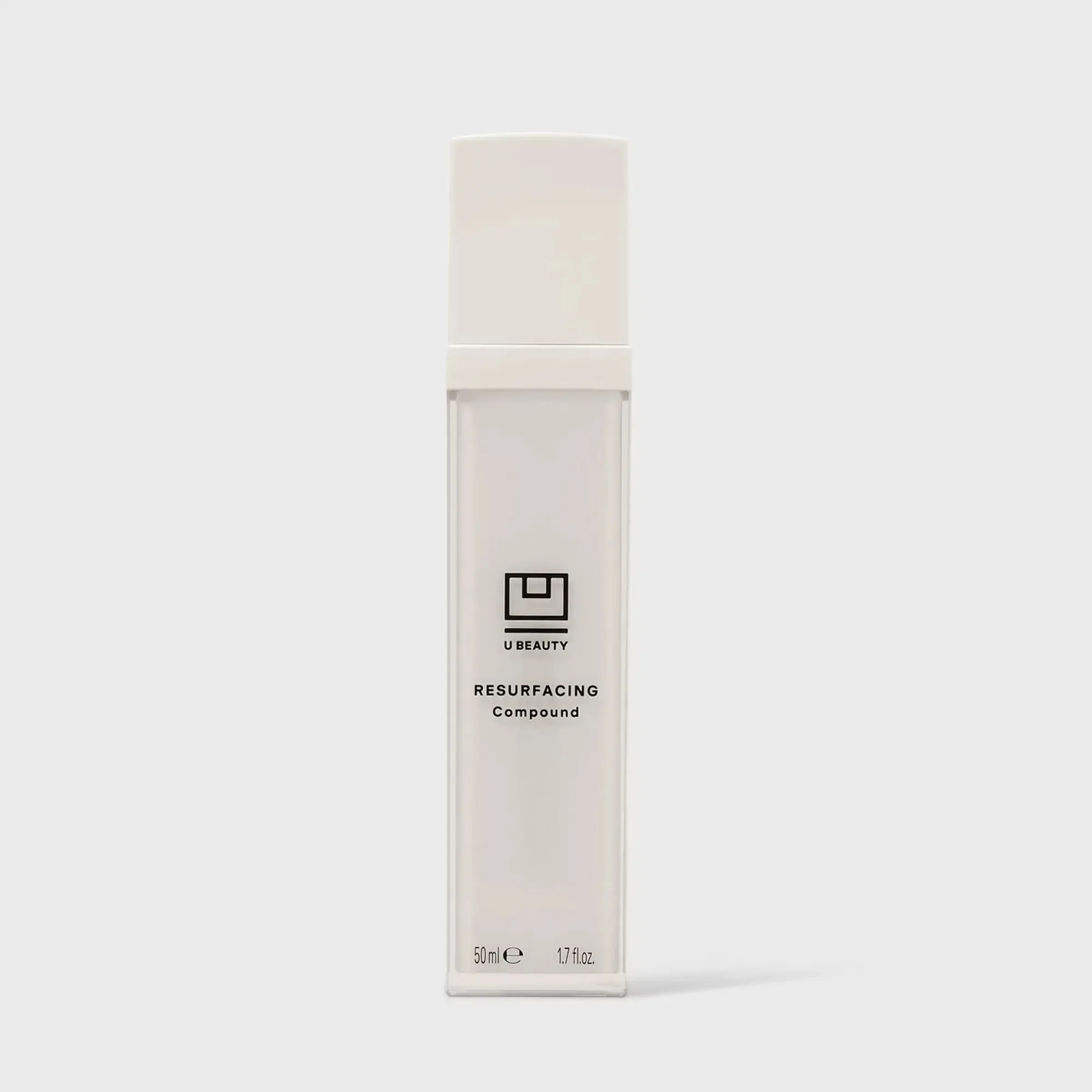
resurfacing compound
What Is a Resurfacing Compound?
A resurfacing compound is a leave-on treatment that works gradually to dissolve dead skin cells and promote cell turnover. Typically formulated with a blend of acids like glycolic, lactic, or salicylic acid, these products are designed for regular use—usually a few times a week—to maintain a smooth, even complexion.
Unlike a peel, a resurfacing compound is gentle enough for daily or weekly application, making it an excellent choice for beginners or those with sensitive skin. It delivers consistent results over time, improving texture, fading dark spots, and minimizing the appearance of pores without causing downtime.
- Use 2-3 times a week for best results
- Ideal for all skin types, including sensitive
- Gradual, cumulative benefits
What Is an At-Home Flash Peel?
An at-home flash peel is a more intensive exfoliating treatment that delivers a higher concentration of acids in a short period. It's designed to be used less frequently—typically once a week or every other week—and provides immediate, visible results. Flash peels often contain a combination of alpha and beta hydroxy acids that work quickly to slough off dead skin, revealing fresh, radiant skin underneath.
Because of their potency, flash peels can cause temporary redness, tingling, or flaking, especially for first-time users. However, they are perfect for special occasions or when you need a quick skin refresh. If you're looking for a more dramatic improvement in skin tone and texture, a flash peel might be your go-to.
- Use once a week or as directed
- Provides instant glow and smoothness
- May cause temporary mild irritation
Key Differences: Compound vs. Peel
The main difference lies in the intensity and frequency of use. A resurfacing compound is a maintenance product that works over time, while a flash peel is a treatment that offers immediate results. Think of the compound as your everyday skincare staple, and the peel as your weekly boost.
Another difference is the formulation. Compounds often have a lower concentration of acids and include soothing ingredients to minimize irritation. Peels, on the other hand, have higher concentrations and are formulated for shorter contact time. This makes peels more effective for stubborn concerns like hyperpigmentation or deep wrinkles, but they require more caution.
- Compound: daily or weekly, low concentration, gradual results
- Peel: weekly or bi-weekly, high concentration, immediate results
- Choose based on your skin tolerance and goals
How to Choose the Right Resurfacing Product for Your Skin
Start by assessing your skin type and concerns. If you have sensitive skin or are new to chemical exfoliants, a resurfacing compound is a safer starting point. It allows your skin to build tolerance without overwhelming it. On the other hand, if you have resilient skin and are dealing with dullness or uneven texture, a flash peel can give you that quick, noticeable improvement.
Consider your lifestyle too. If you have a busy schedule and can't afford downtime, a compound is more convenient. If you have an upcoming event and need a quick glow, a peel might be the answer. Remember, you can always combine both: use a compound regularly and incorporate a peel once a week for an extra boost.
- Sensitive skin: start with a compound
- Dull or uneven skin: try a flash peel for quick results
- Busy lifestyle: opt for a low-maintenance compound
Top Picks from U Beauty
At U Beauty, we offer both types of resurfacing products to cater to different needs. For a gentle yet effective compound, consider the Resurfacing Compound, which is a bestseller loved for its ability to smooth and brighten without irritation. It's perfect for daily use and suits all skin types.
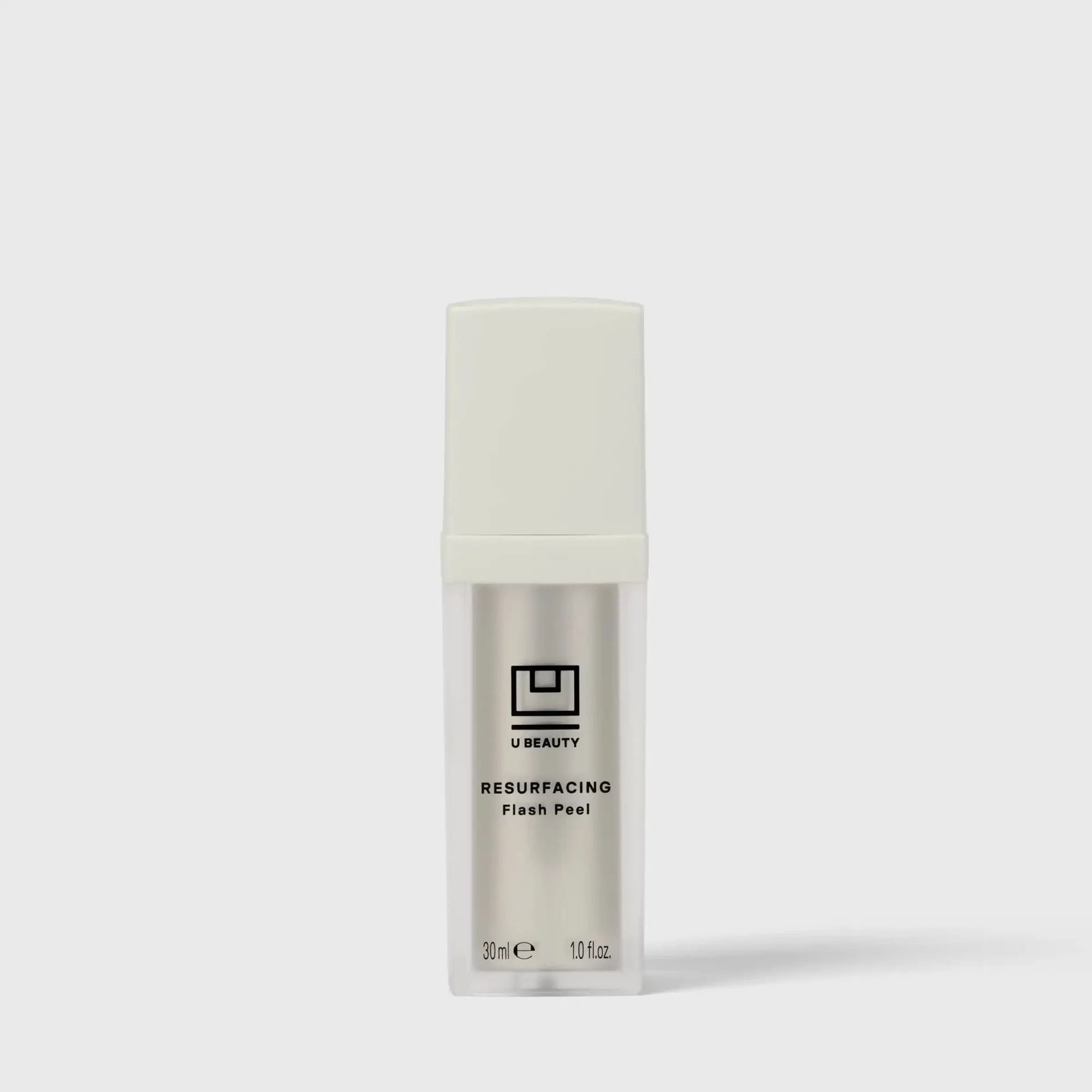
If you're ready for a more intensive treatment, the Exclusive Trial: Resurfacing Flash Peel is a great option. It delivers professional-grade results at home, leaving your skin instantly refreshed and glowing. Both products are backed by our commitment to clean, high-performance skincare.
- Resurfacing Compound: daily use, suitable for all skin types
- Resurfacing Flash Peel: weekly treatment, immediate results
- Both are cruelty-free and formulated without harsh chemicals
Choosing between a resurfacing compound and a flash peel ultimately comes down to your skin's needs and your personal preferences. If you want a gentle, everyday product that builds results over time, go for a compound. If you prefer a quick, noticeable transformation, a peel is your best bet. Whichever you choose, consistency is key to achieving radiant, healthy skin.