Retinol is one of the most effective ingredients for smoothing fine lines, improving skin texture, and boosting collagen. But when you start shopping, you quickly realize there are many formats: serums, creams, and face oils. Two of the most popular are retinol face oil and retinol serum. Both deliver the same active ingredient, yet they feel and perform differently on the skin.
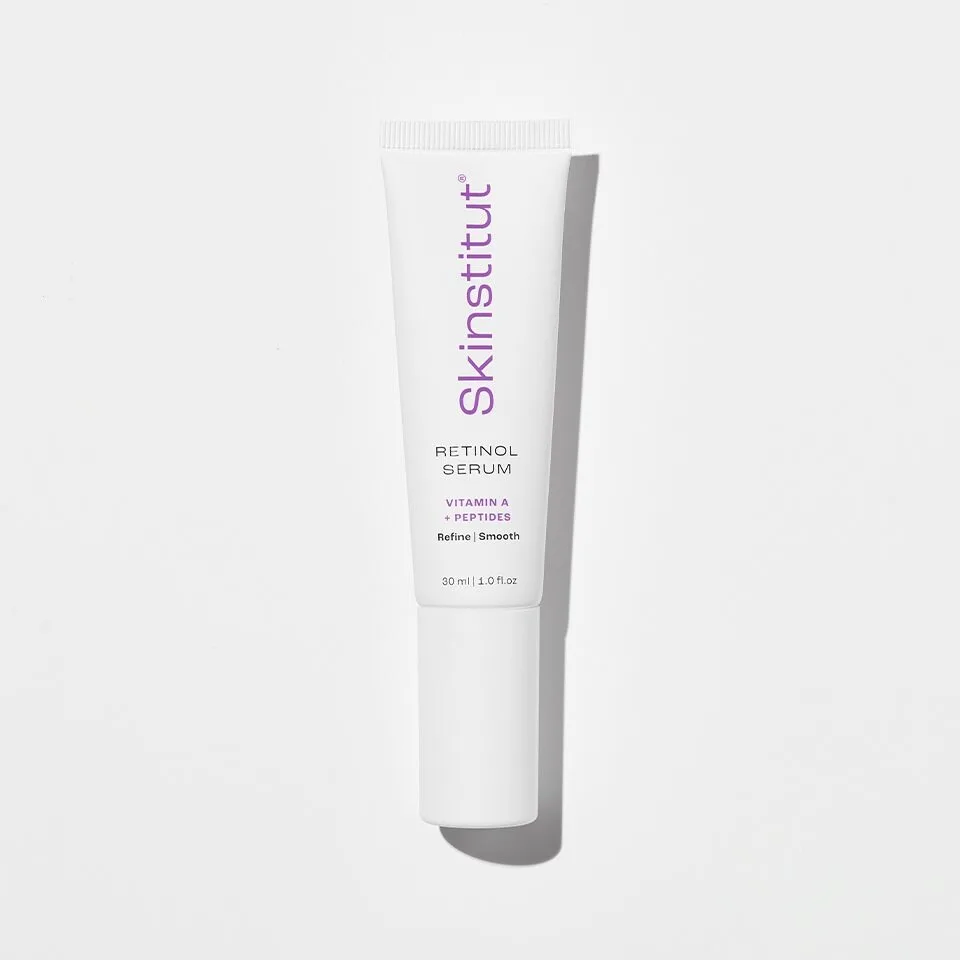
retinol serum
Choosing between a retinol oil and a retinol serum depends on your skin type, your tolerance for retinol, and the rest of your skincare routine. In this guide, we break down the key differences between retinol face oil and retinol serum, their unique benefits, and how to decide which one belongs in your routine.
Retinol Face Oil vs Serum: What’s the Difference?
The main difference lies in the base. A retinol serum is typically water-based with a lightweight, gel-like texture. It absorbs quickly and delivers retinol directly to the skin. Serums are often formulated with humectants like hyaluronic acid to draw in moisture, making them ideal for layering under moisturizers.
A retinol face oil, on the other hand, uses a carrier oil as its base. This could be squalane, jojoba, or rosehip oil. The oil helps to dissolve the retinol and also provides emollient benefits, which means it can be more nourishing and occlusive. Face oils take longer to absorb and sit on top of the skin, creating a barrier that locks in moisture.
- Serums: lightweight, fast-absorbing, water-based
- Face oils: richer, more occlusive, oil-based
- Both deliver retinol, but the texture and skin feel differ significantly
Retinol Serum Benefits: Why Choose a Serum?
Retinol serums are a favorite for those who want a potent, fast-acting treatment. Because they are water-based, they can penetrate more quickly and often contain higher concentrations of active ingredients. Serums are also easier to layer with other products, such as moisturizers or SPF, without feeling heavy.
If you have oily or combination skin, a retinol serum is often the better choice. The lightweight texture won’t clog pores or leave a greasy residue. Serums are also great for beginners because they can be introduced gradually and are less likely to cause breakouts from heavy oils. For a starter retinol, look for a product like Retinol Serum, which is formulated to be effective yet gentle on the skin.
- Lightweight and fast-absorbing
- Ideal for oily or combination skin
- Easier to layer with other treatments
- Often provides a more immediate effect
Retinol Face Oil Benefits: Why Choose an Oil?
Retinol face oils are perfect for those with dry or sensitive skin. The oil base provides a cushion of moisture that helps to buffer the retinol, reducing the risk of irritation. Oils also help to strengthen the skin barrier, which is essential when using active ingredients like retinol.
Face oils are also multi-functional. They not only deliver retinol but also nourish the skin with fatty acids and antioxidants. This makes them a great option for nighttime use, as the oil works overnight to repair and replenish. If you have mature or dehydrated skin, a retinol oil can provide both anti-aging benefits and deep hydration.
- Rich, nourishing texture ideal for dry skin
- Helps buffer retinol to minimize irritation
- Strengthens the skin barrier with essential fatty acids
- Can double as a moisturizer for nighttime use
How to Choose the Best Retinol Product for Your Face
The best retinol product for your face depends on your skin type and your goals. If you have oily or acne-prone skin, a serum is likely the better option. It delivers retinol without adding extra oil, which can help prevent breakouts. On the other hand, if you have dry or sensitive skin, a face oil can provide the nourishment you need while still delivering the benefits of retinol.
Consider your current routine. If you already use a separate moisturizer, a serum might be easier to incorporate. If you prefer a minimalist routine, a face oil can replace both your treatment and moisturizer. Also, think about the time of year: in winter, you might prefer an oil for extra hydration, while in summer, a serum might feel more comfortable.
For those who want to start with a gentle introduction to retinol, a serum with a lower concentration is a good choice. You can always progress to an oil later if your skin becomes drier. Remember to always use sunscreen during the day when using any retinol product, as retinol can increase sun sensitivity.
- Oily/acne-prone skin: choose a serum
- Dry/sensitive skin: choose an oil
- Minimalist routine: oil can replace moisturizer
- Seasonal switch: oil in winter, serum in summer
Incorporating Retinol into Your Routine
No matter which form you choose, start slowly. Use retinol two to three times a week at first, then gradually increase frequency as your skin builds tolerance. Apply it at night, and always follow with a moisturizer to lock in hydration.
If you’re new to retinol, consider pairing it with a gentle cleanser and a hydrating moisturizer to minimize irritation. For example, you can use a gentle cleanser like the Gentle Cleanser to prep your skin, then apply your retinol product, and finish with a moisturizer. This helps create a buffer and reduces the chance of dryness or flaking.
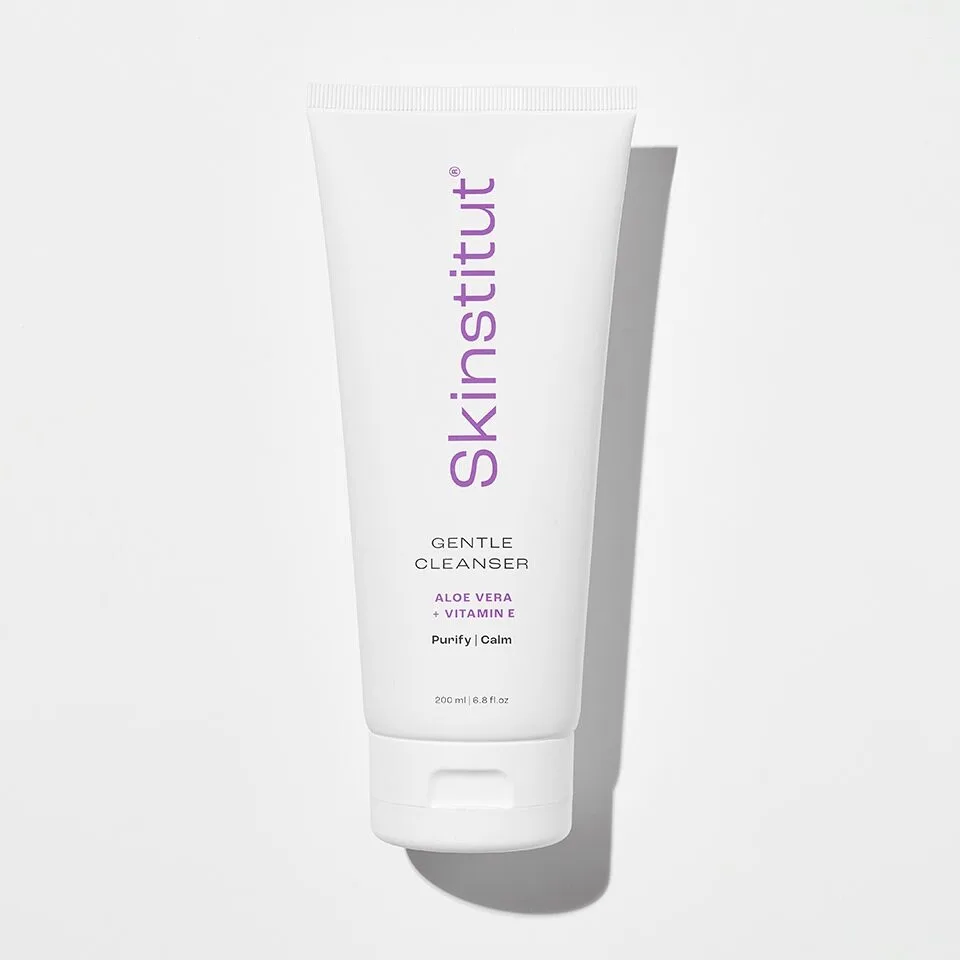
gentle cleanser
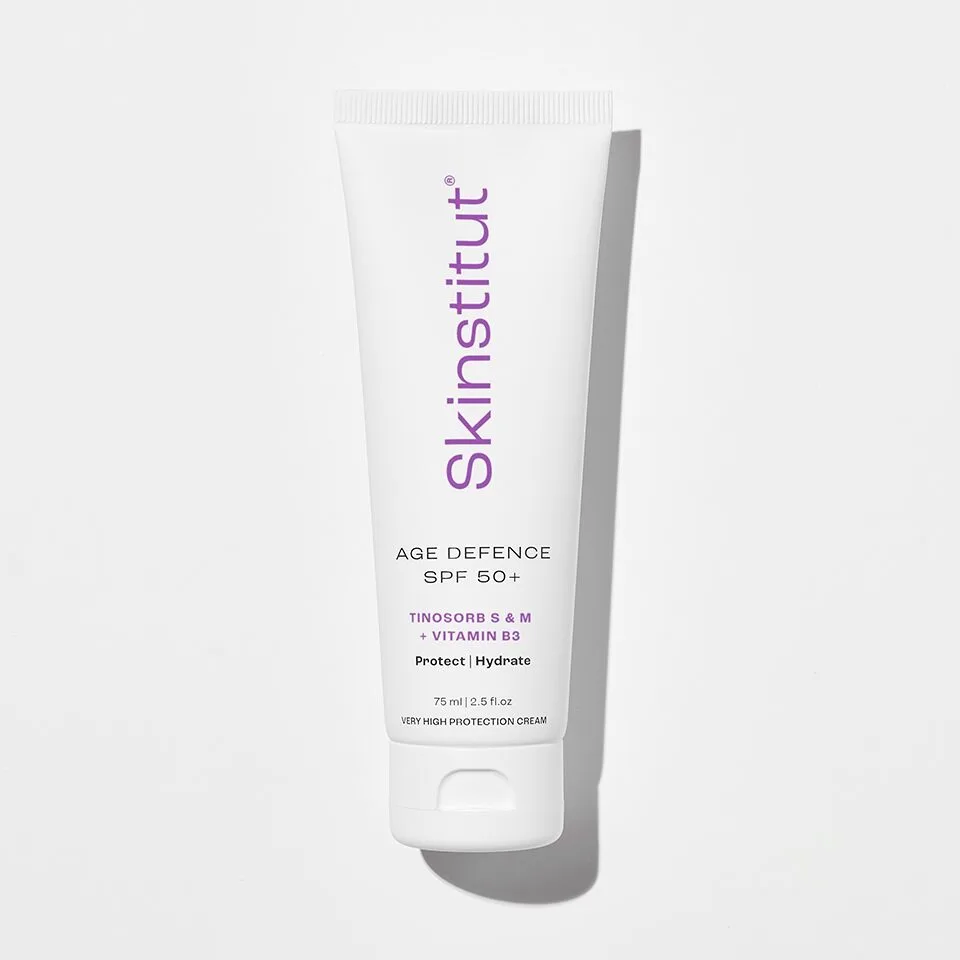
Remember that retinol can take up to 12 weeks to show visible results, so consistency is key. And always use a broad-spectrum sunscreen during the day, such as the Age Defence SPF 50+, to protect your skin and prevent further damage.
- Start with 2-3 nights per week
- Always apply to clean, dry skin
- Use a gentle cleanser and moisturizer to buffer
- Wear SPF daily to protect skin
Both retinol face oils and serums are effective ways to incorporate this powerhouse ingredient into your skincare routine. The right choice ultimately comes down to your skin type and preferences. For a lightweight, fast-absorbing option, try the Retinol Serum. If you prefer a richer, more nourishing texture, explore a retinol face oil. Whichever you choose, start slow and always protect your skin with SPF during the day.