Quick Answer
A retinol night cream is a slow, cumulative treatment, not a spot fix. Expect a purge or flaking phase in the first 2–4 weeks, visible smoothing of fine lines and blemishes around week 8–12, and the most noticeable fading of dark spots after 3–6 months of consistent use. Start 2–3 nights per week and buffer with moisturizer if your skin is sensitive.
How retinol actually works on acne and dark spots
Retinol is a form of vitamin A. It speeds up skin cell turnover, which helps unclog pores and push pigmented cells to the surface faster. That single mechanism explains why retinol for acne and retinol dark spots are usually discussed together: the same exfoliating effect that clears blemishes also helps fade the marks they leave behind.
This is why retinol is not a quick fix. It changes how your skin renews itself over weeks, not hours. A retinol vitamin A cream applied at night supports that renewal while you sleep, when skin is less exposed to UV and more receptive to repair.
A realistic retinol results timeline
Weeks 1–2: expect possible purging — small bumps or breakouts in areas where you normally get them. This is turnover accelerating, not a new problem. Weeks 3–4: mild flaking, tightness, or sensitivity is common as the skin adjusts.
Weeks 8–12: fine lines start to look softer and blemishes are less frequent. Months 3–6: dark spots and post-acne marks begin to fade more clearly. If you stop for two weeks, progress stalls — consistency matters more than strength.
Why some people see irritation and others don't
Irritation usually comes from frequency, not the ingredient itself. Applying a retinol night cream every night from day one overwhelms the skin barrier. Start 2–3 nights per week, then add a night every two weeks as tolerated.
Buffering is the simplest fix: apply a plain moisturizer first, wait a few minutes, then apply retinol. If your skin is oily or acne-prone, you may not need to buffer — but if it stings or flakes, buffer without hesitation. Also, retinol and strong exfoliating acids on the same night is a common mistake; alternate them instead.
How to tell if your retinol night cream is working
Look for texture changes first: skin feels smoother in the morning, and pores look less congested. Then color changes: dark spots look less dense, and new blemishes heal faster. Fine lines around the eyes and mouth soften last because the skin there is thinner and slower to turn over.
If you see none of these after 12 weeks of consistent use, the issue is usually frequency or application, not the product. Check that you are applying to clean, dry skin and not mixing it with acids on the same night.
Retinol Night Cream FAQ
Can I use retinol night cream if I have acne?
Yes, retinol is commonly used for acne because it helps unclog pores through faster cell turnover. Start 2–3 nights per week and expect a possible purge in the first month. If your acne is severe or cystic, see a dermatologist before self-treating.
Will retinol fade dark spots?
Retinol helps dark spots fade by speeding up the shedding of pigmented cells. It is gradual — most people notice meaningful change after 3–6 months, not weeks. Daily sunscreen is non-negotiable; without it, new spots form faster than retinol can fade them.
How long before I see retinol results?
Texture and blemish frequency improve around week 8–12. Fine lines soften next. Dark spots and post-acne marks take the longest, often 3–6 months. Track with photos every 4 weeks rather than judging day to day.
Should I use retinol every night?
Not at first. Begin 2–3 nights per week, then increase by one night every two weeks if your skin tolerates it. Buffering with moisturizer reduces irritation. Consistency at a lower frequency beats sporadic use at a higher one.
Can I use retinol with other active ingredients?
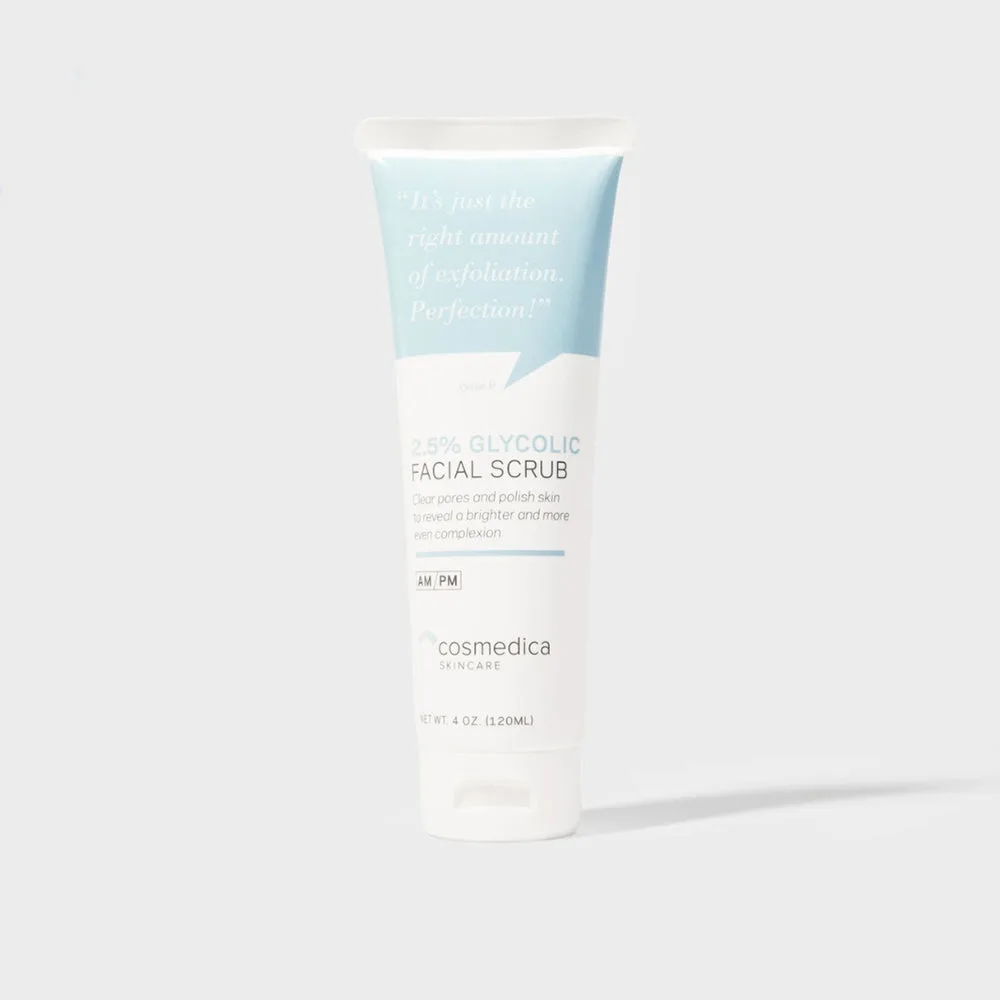
Avoid layering retinol with strong exfoliating acids or high-strength vitamin C on the same night. Alternate nights instead to protect your skin barrier. If you use a glycolic scrub, keep it on a different night from your retinol cream.
Products That Match This Routine
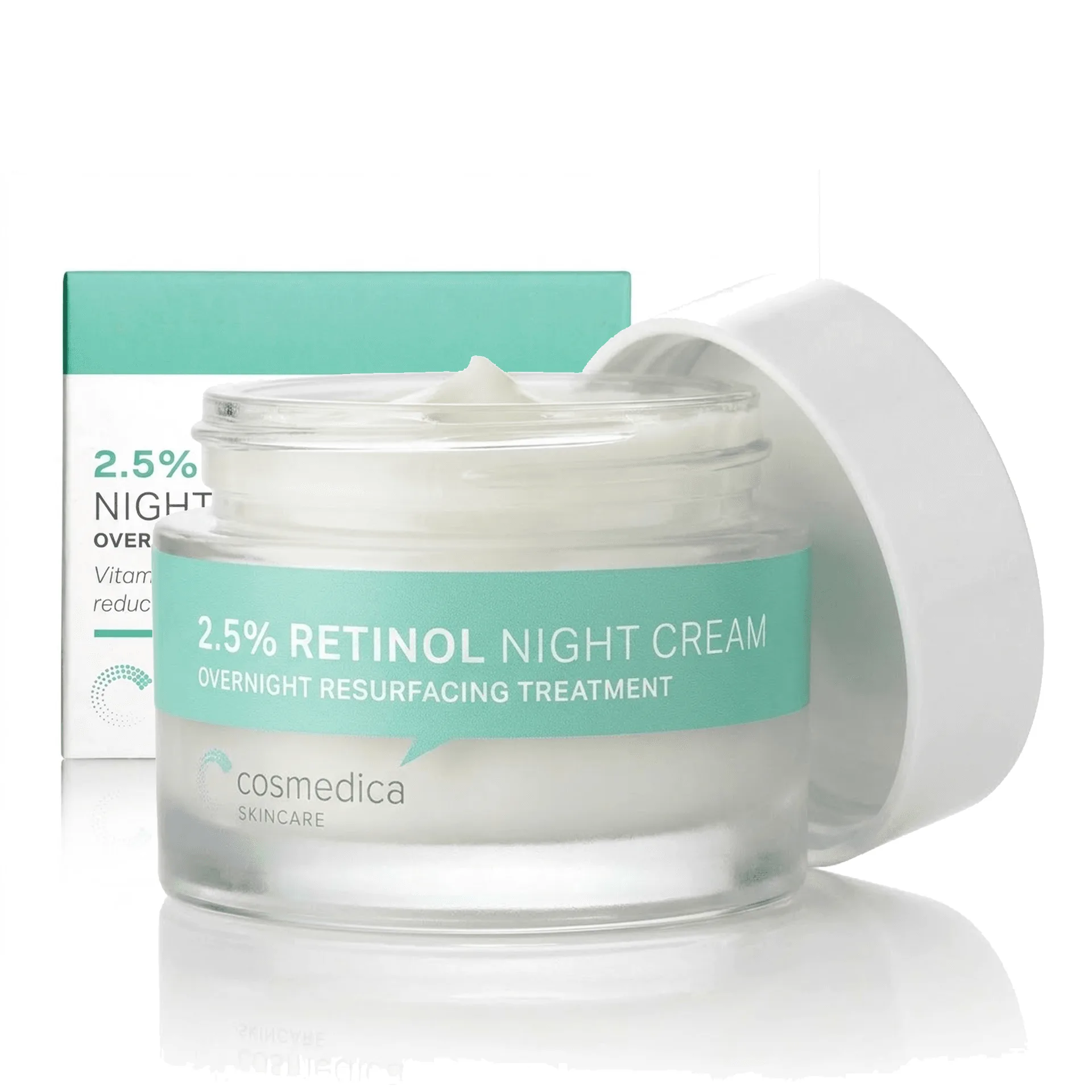
- Cosmedica Skincare Retinol Night Cream – Anti Aging Face Moisturizer with Retinol (Vitamin A) & Hyaluronic Acid – Wrinkle Repair Cream for Acne, Fine Lines & Dark Spots – Night Cream for Face, 1.7 oz: Cosmedica Skincare Retinol Night Cream combines retinol (vitamin A) with hyaluronic acid in a moisturizer format designed to improve skin texture, tone, and the appearance of fine lines and wrinkles. The moisturizer base makes it a reasonable starting point if your skin is dry or you want to buffer retinol without buying a separate cream.
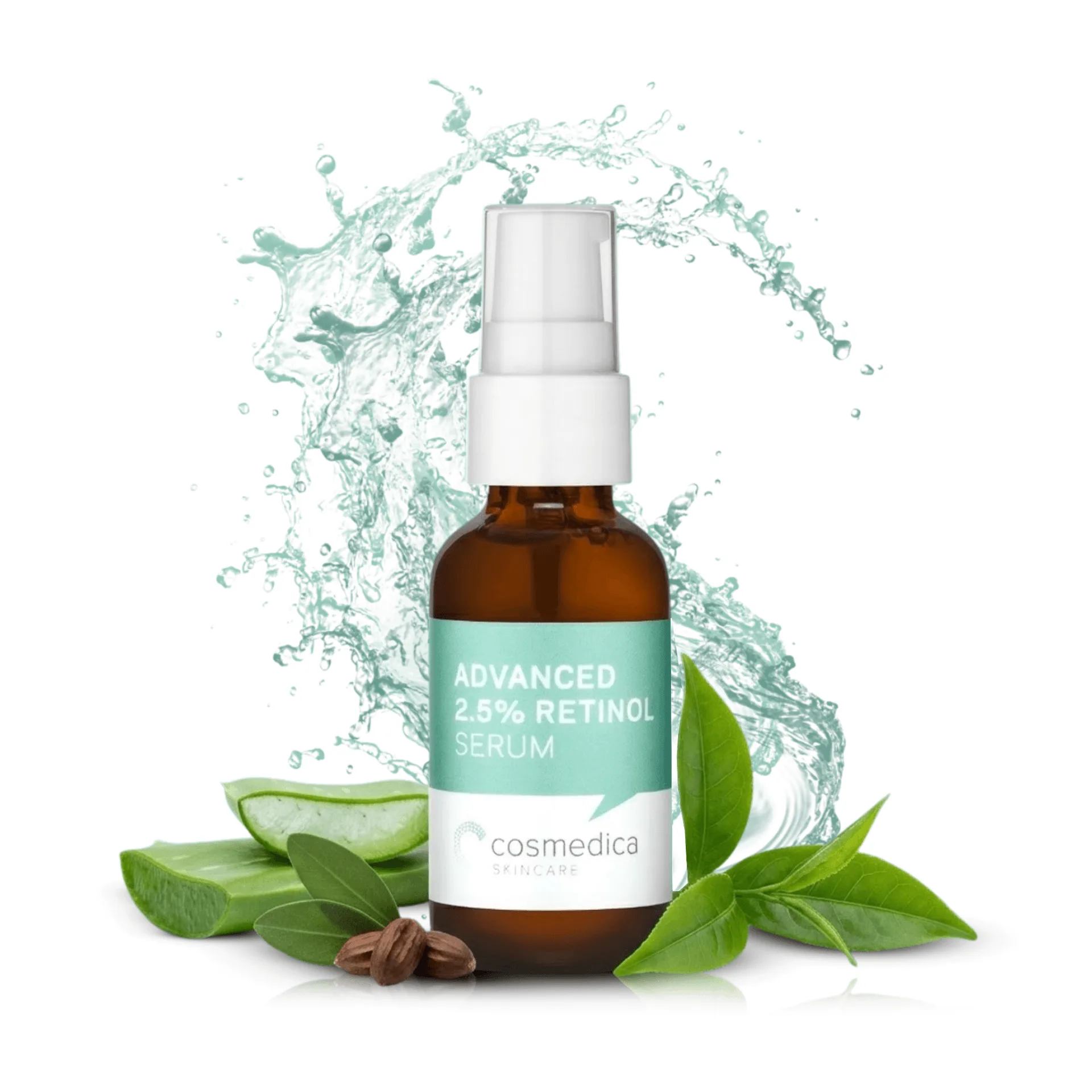
- Cosmedica Skincare Retinol Serum 2.5% | Hydrating Vitamin A Serum with Green Tea Hyaluronic Acid Vitamin E | Non-Irritating Serum for Sensitive Skin Oily Skin | 1oz: Cosmedica Skincare Retinol Serum 2.5% is a hydrating vitamin A serum with green tea, hyaluronic acid, and vitamin E, formulated to be non-irritating for sensitive and oily skin. A serum format gives you more control over layering, which helps if you are alternating retinol with other treatments or want to buffer with a separate moisturizer.
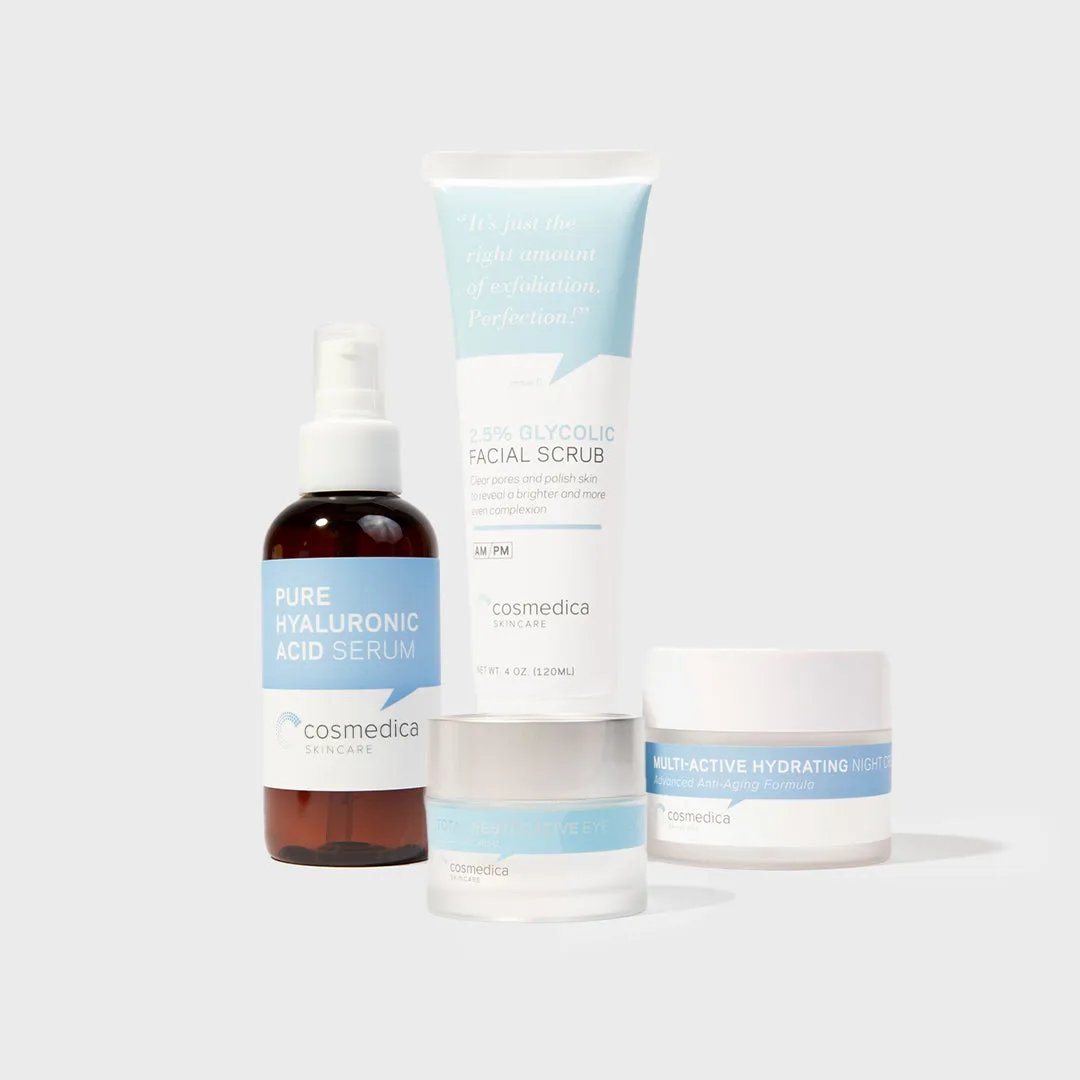
- Complete Complexion Kit: The Complete Complexion Kit includes a 2.5% Glycolic Facial Scrub, Pure Hyaluronic Acid Serum, Multiactive Hydrating Night Cream, and Total Restorative Eye Cream, and can be used in the AM or PM. If you are building a full routine around retinol, this kit covers the hydration and eye-care steps without adding a second retinol product.