Quick answer
Choose retinol oil if you want a lightweight, fast-absorbing serum that targets fine lines, deep wrinkles, and dark spots. Choose retinol cream if you prefer a richer, hydrating formula that also plumps skin with hyaluronic acid.
Texture and absorption matter for your skin type
Retinol oil is a serum-like formula that spreads easily and absorbs quickly, making it ideal for oily or combination skin. Retinol cream has a thicker, more emollient texture that delivers lasting hydration, which suits dry or normal skin types better.
Convenience and value considerations
The retinol face oil comes in a pack of two 1.0 fl. oz bottles, giving you a longer supply per purchase. The retinol night cream is a single 1.0 fl. oz jar, so you may need to reorder more frequently.
Retinol oil vs. cream: trade-offs at a glance
- Retinol face oil: Lightweight, absorbs quickly, targets fine lines, deep wrinkles, and dark spots. Comes in a pack of two 1.0 fl. oz bottles. Best for those who want a non-greasy serum that also tackles dark spots.
- Retinol night cream: Rich cream with stabilized retinol and hyaluronic acid. Hydrates while reducing fine lines and wrinkles. Single 1.0 fl. oz jar. Ideal if you prefer a moisturizing, one-step night treatment.
- Key trade-off: Oil is lighter and targets dark spots; cream is richer and provides more hydration. Neither is better overall—it depends on your skin's needs. Consider your primary concern: dark spots vs. dryness.
Product facts at a glance
-
Neutrogena Rapid Wrinkle Repair Retinol Face Oil, Daily Anti-Aging Face Serum to Fight Fine Lines, Deep Wrinkles, & Dark Spots, 1.0 fl. oz,(Pack of 2): Neutrogena Rapid Wrinkle Repair Retinol Face Oil is formulated with retinol to help reduce the appearance of fine lines, deep wrinkles, and dark spots. If uneven skin tone and dark spots are your main concern, this oil-based serum is designed to target them alongside wrinkles.
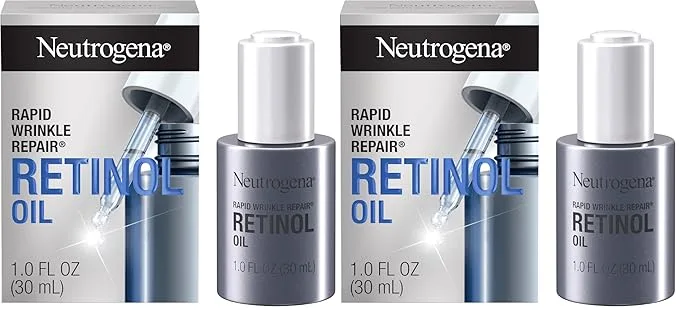
Neutrogena Rapid Wrinkle Repair Retinol Face Oil, Daily Anti-Aging Face Serum to Fight Fine Lines, Deep Wrinkles, & Dark Spots, 1.0 fl. oz,(Pack of 2)
-
Neutrogena Rapid Wrinkle Repair Retinol Night Face Moisturizer, Daily Anti-Aging Face Cream with Retinol & Hyaluronic Acid to Fight Fine Lines & Wrinkles, 1 fl. oz: Neutrogena Rapid Wrinkle Repair Retinol Night Cream delivers stabilized retinol to quickly fight fine lines and wrinkles, plus hyaluronic acid for instant hydration. If you want anti-aging benefits with added moisture, this cream helps hydrate while smoothing wrinkles.
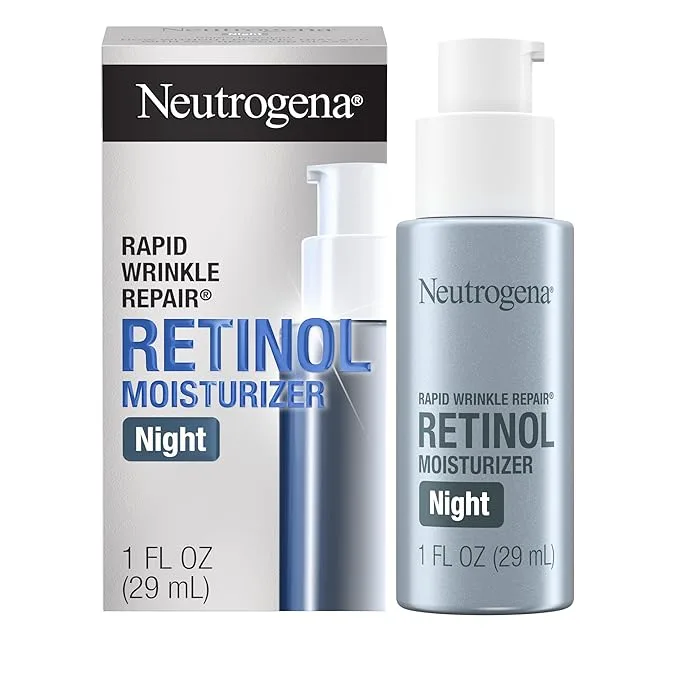
Neutrogena Rapid Wrinkle Repair Retinol Night Face Moisturizer, Daily Anti-Aging Face Cream with Retinol & Hyaluronic Acid to Fight Fine Lines & Wrinkles, 1 fl. oz
Which one fits you?
Best for
- Retinol oil: those with oily or combination skin who want to treat dark spots and deep wrinkles
- Retinol cream: those with dry or normal skin who want hydration plus anti-aging benefits
Not ideal for
- Retinol oil: if you prefer a rich, moisturizing night cream
- Retinol cream: if you dislike heavy textures or need dark spot treatment