Quick Answer
Choose retinol if you want maximum wrinkle-fighting power and can tolerate some irritation; choose bakuchiol if you have sensitive skin or prefer a plant-based, gentler approach. Both can boost collagen, but they suit different skin types and lifestyles.
Why Your Skin Type Matters
Retinol is a vitamin A derivative that works by speeding up cell turnover and stimulating collagen production. It's highly effective but can cause redness, peeling, and dryness, especially when you first start using it. Bakuchiol, on the other hand, is a plant-based extract that offers similar anti-aging benefits but with a much lower risk of irritation. This makes it a great option for those with sensitive or reactive skin who want to avoid the side effects of retinol.
Your skin type and tolerance should be the deciding factor. If you have oily or combination skin and have used retinol before without issues, you may be fine with a stronger formula. If you have dry, sensitive, or eczema-prone skin, bakuchiol is a safer bet.
Collagen Boosting: Both Can Help
Collagen is the protein that keeps skin firm and plump, and its production naturally declines as we age. Both retinol and bakuchiol have been shown to support collagen production, helping to reduce the appearance of fine lines and wrinkles. However, retinol is more potent and may deliver faster results, while bakuchiol works more gently and may take longer to show visible changes.
If you're looking for a daily moisturizer that supports collagen, consider products that combine these ingredients with other skin-loving components like hyaluronic acid or micro-peptides.
Retinol vs. Bakuchiol: The Trade-Offs
- Potency vs. Gentleness: Retinol is stronger and may produce faster, more dramatic results, but it can cause irritation, especially for sensitive skin. Bakuchiol is much gentler, making it suitable for daily use even on reactive skin, but results may take longer to appear. If you have sensitive skin, start with bakuchiol to avoid irritation.
- Speed vs. Patience: Retinol can show visible improvements in a few weeks, while bakuchiol may take a few months to show similar effects. If you're okay with a slower process, bakuchiol is a viable alternative. Set realistic expectations for timing when choosing bakuchiol.
- Synthetic vs. Plant-Based: Retinol is a synthetic derivative of vitamin A, while bakuchiol is extracted from the babchi plant. If you prefer plant-based skincare, bakuchiol aligns with that preference without sacrificing anti-aging benefits. Check ingredient lists if you prefer plant-derived actives.
Product Facts
-
Neutrogena Collagen Bank Face Moisturizer, Daily Anti-Aging Face & Neck Firming Collagen Cream, Bakuchiol & Micro-Peptides Face Lotion, Support Skin’s Natural Collagen for Visibly Plump Skin, 2 fl. oz: Neutrogena Collagen Bank Face Moisturizer is a lightweight, non-greasy daily anti-aging face moisturizer formulated to help strengthen existing collagen and support new collagen formation, powered by patented micro-peptide technology. This bakuchiol-based moisturizer is ideal for those who want a gentle collagen booster that won't irritate sensitive skin.
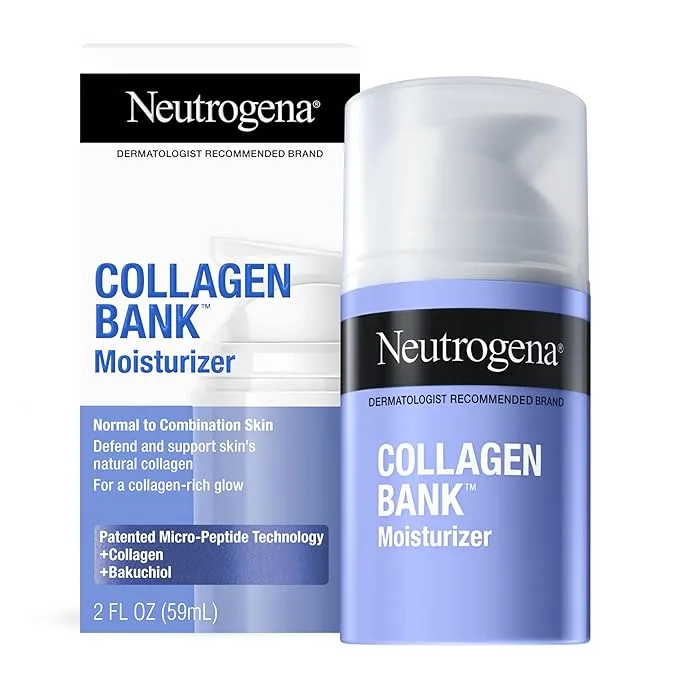
Neutrogena Collagen Bank Face Moisturizer, Daily Anti-Aging Face & Neck Firming Collagen Cream, Bakuchiol & Micro-Peptides Face Lotion, Support Skin’s Natural Collagen for Visibly Plump Skin, 2 fl. oz
-
Neutrogena Rapid Wrinkle Repair Retinol Face Moisturizer, Anti-Aging Face Cream with Retinol & Hyaluronic Acid, 1.7 oz + Trial Size Hydro Boost Facial Cleanser, 0.5 fl. oz: Neutrogena Rapid Wrinkle Repair Retinol Face Moisturizer delivers uniquely stabilized retinol deep within skin's surface to improve the look of fine lines and wrinkles, and it contains hyaluronic acid to help hydrate skin. This retinol cream is a powerful anti-aging option for those who can tolerate retinol and want visible wrinkle reduction.
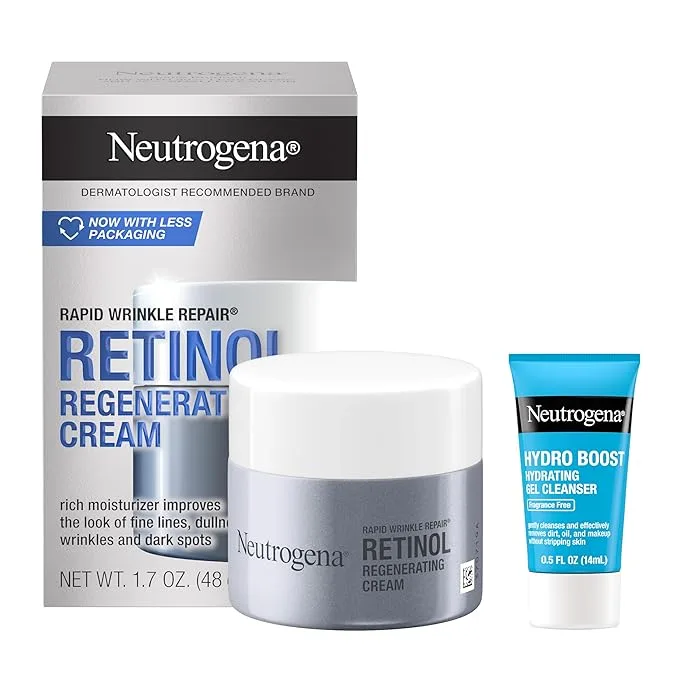
Neutrogena Rapid Wrinkle Repair Retinol Face Moisturizer, Anti-Aging Face Cream with Retinol & Hyaluronic Acid, 1.7 oz + Trial Size Hydro Boost Facial Cleanser, 0.5 fl. oz
Which One Is Right for You?
Best For
- Retinol: Those with non-sensitive skin who want maximum wrinkle reduction and are willing to manage potential irritation.
- Bakuchiol: Those with sensitive or reactive skin, or who prefer a plant-based alternative for gentle daily collagen support.
Not For
- Retinol: Not for those with very sensitive skin, rosacea, or a history of retinol irritation.
- Bakuchiol: Not for those expecting rapid results or who have severely sun-damaged skin requiring stronger actives.