Quick answer
For most people new to anti-aging or with sensitive skin, mandelic acid is the gentler starting point. Retinol is more potent but often causes irritation. Mandelic acid, a mild AHA, exfoliates and smooths without the redness or peeling retinol can bring.
How they work differently
Retinol is a vitamin A derivative that speeds up cell turnover and boosts collagen production. It works deep in the skin but often causes dryness, flaking, and irritation, especially for beginners. Mandelic acid, an alpha hydroxy acid derived from almonds, exfoliates the surface layer of skin. It has a larger molecular size than other AHAs, so it penetrates more slowly and is less likely to cause stinging or redness.
Because of this difference, retinol is better for advanced anti-aging goals like reducing deeper wrinkles, while mandelic acid is a safer choice for those who want gradual improvement in texture and tone without the side effects. Mandelic acid also offers some antibacterial benefits, which can help with breakouts.
Who should choose each?
If you have resilient skin and are looking for significant wrinkle reduction over time, retinol may be worth the adjustment period. Start with a low concentration and use it only a few nights per week. If your skin is sensitive, reactive, or prone to redness, mandelic acid is the better bet. It can be used more frequently and is less likely to disrupt your moisture barrier.
For beginners, mandelic acid is an excellent introduction to active ingredients. It delivers visible results—smoother skin, reduced hyperpigmentation—with minimal risk. Retinol can be introduced later once your skin is accustomed to exfoliation.
Trade-offs at a glance
- Retinol: Potent but risky: Retinol offers deeper anti-aging benefits but often causes irritation, peeling, and sun sensitivity. It requires a gradual introduction and consistent sunscreen use. Best for those with resilient skin who can commit to a slow start and strict sun protection.
- Mandelic acid: Gentle and forgiving: Mandelic acid exfoliates gently with a low risk of irritation. It also hydrates and can be used more frequently. Results are more subtle but safer for sensitive skin. Ideal for beginners and those with reactive skin who want gradual improvement without downtime.
- Supporting hydration is essential for both: Both retinol and mandelic acid can dry the skin. Using a hydrating product with ingredients like panthenol or hyaluronic acid helps maintain comfort and barrier health. Pair any active with a gentle moisturizer or hydrating serum to reduce side effects.
Product facts
- Good Molecules Mandelic Acid Serum 30ml: Good Molecules Mandelic Acid Serum combines 10% mandelic acid, 1% phytic acid, and 1% gluconolactone for gentle exfoliation, plus two sizes of hyaluronic acid for hydration. The blend of three mild exfoliants reduces irritation risk while still promoting a clearer, smoother complexion. The added hyaluronic acid helps counteract dryness, making this serum suitable for sensitive skin types.
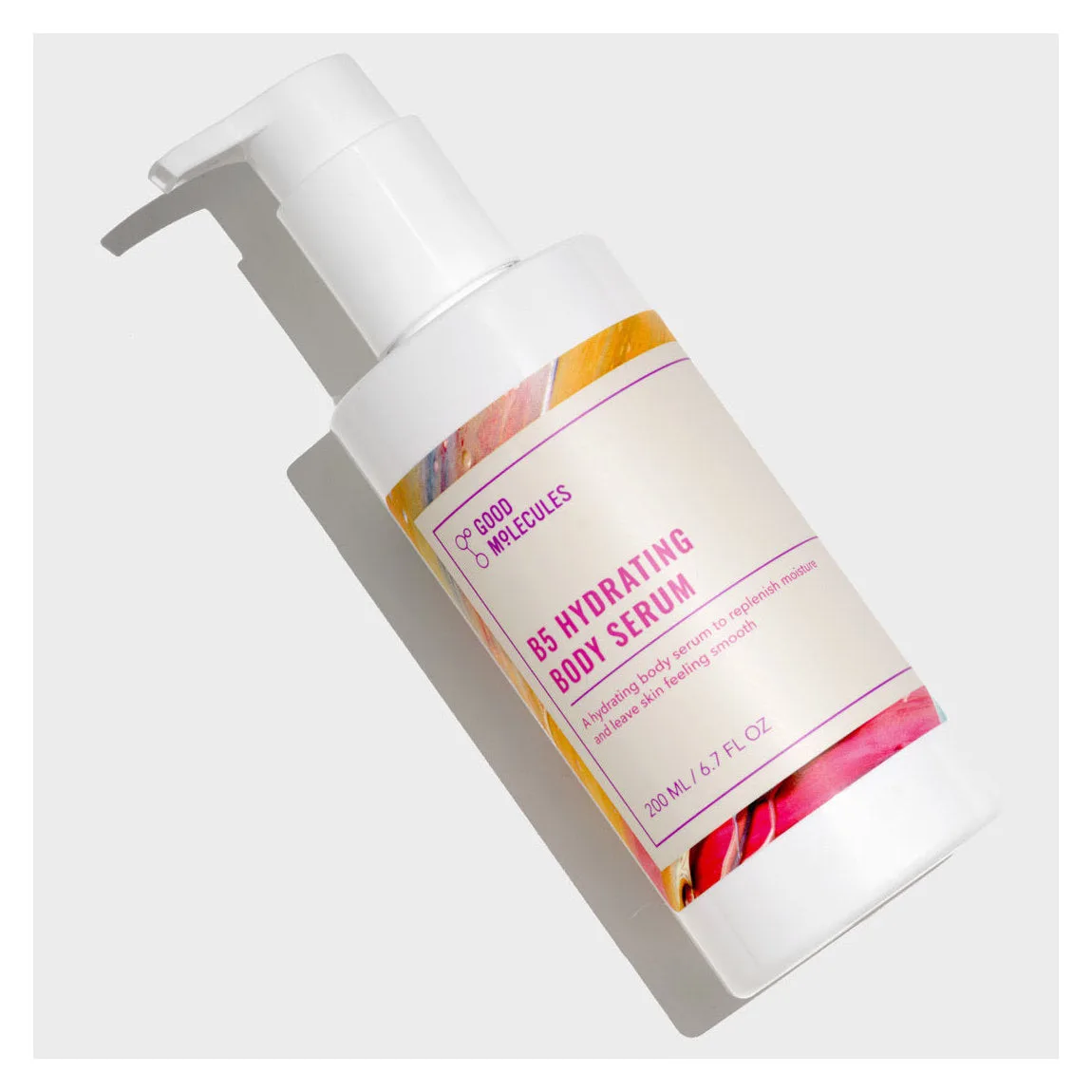
- Good Molecules B5 Hydrating Body Serum 200ml: Good Molecules B5 Hydrating Body Serum contains 4% panthenol, beta glucan, and polyglutamic acid to hold moisture and strengthen the skin barrier. When using any active like retinol or mandelic acid, a strong moisture barrier is key. This body serum replenishes hydration and supports barrier repair, helping your skin tolerate treatments better.
Which one fits you?
Best for
- Sensitive or reactive skin types looking for a mild anti-aging start
- Beginners who want to introduce exfoliation with minimal irritation risk
Not for
- Those seeking dramatic wrinkle reduction quickly (retinol may be more appropriate after skin adjustment)