When it comes to anti-aging skincare, two ingredients dominate the conversation: retinol and peptides. Both are backed by science and praised by dermatologists, but they work in very different ways. If you’ve ever wondered which one is better for your skin—or if you can use both—you’re not alone.
In this article, we’ll compare retinol vs. peptides, explore their unique benefits, and help you decide which anti-aging ingredient (or combination) is right for your skincare routine. We’ll also highlight how advanced formulations like a liposomal retinol moisturizer can enhance results while minimizing irritation.
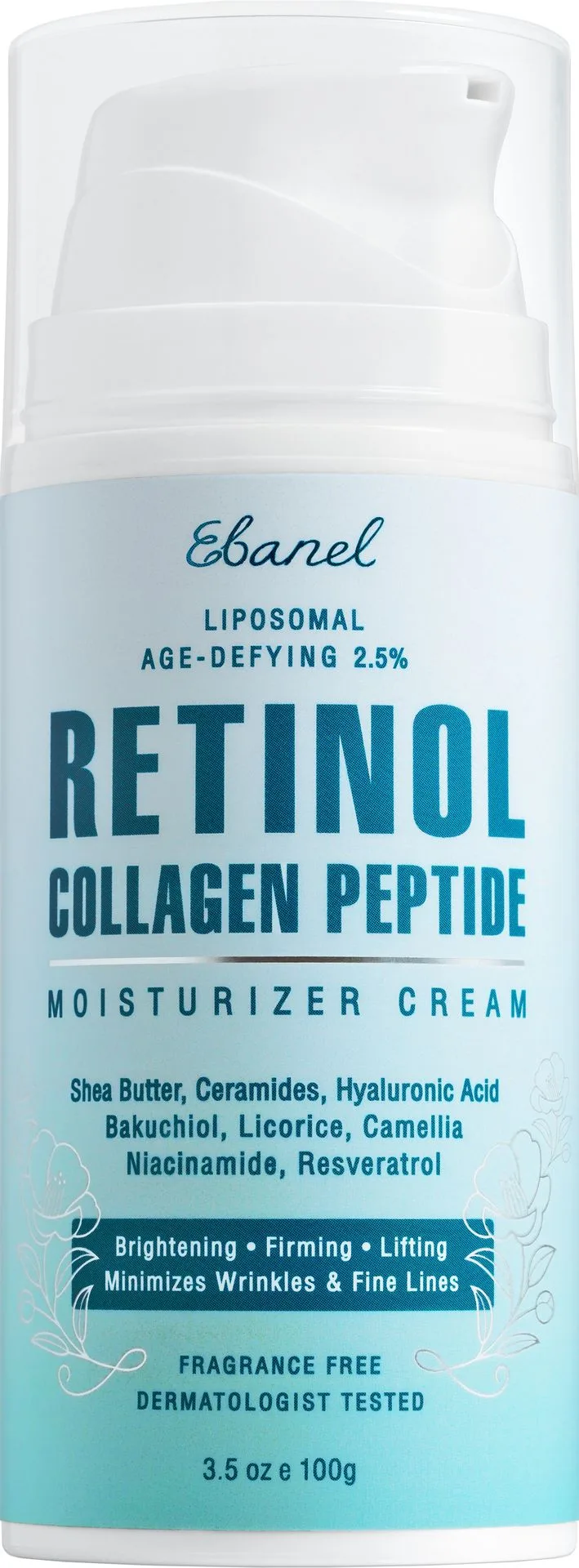
liposomal retinol moisturizer
What Is Retinol? The Gold Standard of Anti-Aging
Retinol is a form of vitamin A that has been extensively studied for its ability to reduce fine lines, wrinkles, and sun damage. It works by accelerating cell turnover and stimulating collagen production at a deeper level. Over time, retinol helps improve skin texture, fade hyperpigmentation, and unclog pores—making it a multitasking powerhouse.
However, retinol can be irritating, especially for beginners. Common side effects include redness, peeling, and dryness, often referred to as the 'retinol purge.' That’s why many people start with a lower concentration and gradually build up tolerance. For those with sensitive skin, a liposomal retinol moisturizer offers a gentler delivery system that reduces irritation while maintaining efficacy.
- Stimulates collagen and elastin production
- Speeds up cell turnover for smoother skin
- Helps fade dark spots and uneven tone
- Can cause dryness and irritation if used incorrectly
What Are Peptides? The Building Blocks of Youthful Skin
Peptides are short chains of amino acids that serve as the building blocks of proteins like collagen, elastin, and keratin. When applied topically, peptides signal your skin to produce more collagen, helping to firm and plump the skin. They are generally well-tolerated and rarely cause irritation, making them an excellent choice for sensitive or reactive skin types.
Peptides also support the skin barrier and can improve hydration. Many modern serums combine peptides with other active ingredients for enhanced benefits. For example, a Liposomal Hyaluronic Peptide Serum pairs peptides with hyaluronic acid to deliver deep hydration while supporting collagen synthesis. This makes peptides a versatile addition to any anti-aging routine.
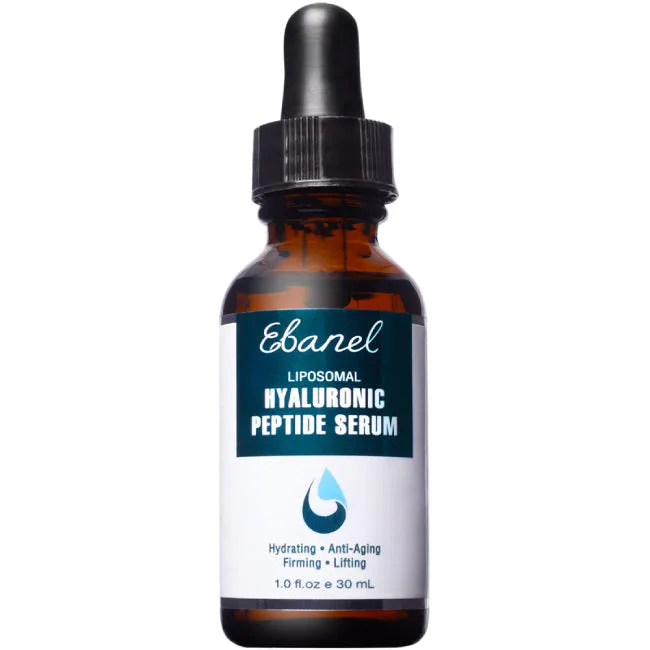
Liposomal Hyaluronic Peptide Serum
- Gentle and non-irritating, suitable for all skin types
- Supports collagen production and skin firmness
- Improves hydration and barrier function
- Works well with other active ingredients
Retinol vs. Peptides: Key Differences at a Glance
While both retinol and peptides target aging, they do so through different mechanisms. Retinol works by speeding up cell turnover and boosting collagen at a deeper level, which can lead to faster visible results but also more potential for irritation. Peptides, on the other hand, work more subtly by signaling your skin to produce collagen over time, with minimal risk of side effects.
Another key difference is how they fit into a routine. Retinol is typically used at night because it can increase sun sensitivity. Peptides can be used both morning and night and are often combined with other ingredients like vitamin C or hyaluronic acid. If you have mature skin or significant signs of aging, retinol might offer more dramatic improvements. For prevention or maintenance, peptides are an excellent choice.
- Retinol: faster results, higher irritation risk
- Peptides: gentler, gradual collagen support
- Retinol: best for treating existing wrinkles and sun damage
- Peptides: ideal for sensitive skin and long-term maintenance
Can You Use Retinol and Peptides Together?
Yes, you can absolutely use retinol and peptides together—and many dermatologists recommend it for a comprehensive anti-aging approach. The key is to apply them correctly to avoid irritation and maximize benefits. A common strategy is to use a peptide serum in the morning and a retinol product at night. This way, you get collagen-boosting signals throughout the day plus the powerful renewal effects of retinol overnight.
If your skin is sensitive, consider using a liposomal retinol moisturizer that delivers retinol more gently, then layer a peptide serum on top. Alternatively, you can alternate nights: use retinol one night and peptides the next. Always follow with a moisturizer to support your skin barrier. With patience and consistency, this combination can deliver smoother, firmer, more radiant skin.
- Use peptides in the AM and retinol in the PM
- Alternate nights if your skin is sensitive
- Always apply sunscreen during the day when using retinol
- Look for gentle formulations like liposomal retinol moisturizer
How to Choose the Right Anti-Aging Ingredient for Your Skin
Your choice between retinol and peptides should depend on your skin type, concerns, and tolerance. If you have resilient skin and want to tackle deep wrinkles, sun damage, or acne, retinol is a powerful option. Start with a low concentration or a gentle formula like a liposomal retinol moisturizer to build tolerance. If you have sensitive, dry, or reactive skin, peptides are a safer starting point that still delivers collagen support and hydration.
You can also consider your skincare goals. For prevention and maintenance, peptides are excellent. For correction of existing signs of aging, retinol is often more effective. Many people eventually incorporate both into their routine—peptides in the morning and retinol at night—for the best of both worlds. Whichever you choose, consistency is key to seeing results.
- Sensitive skin: start with peptides
- Deep wrinkles or sun damage: retinol may be more effective
- Combination approach: peptides AM, retinol PM
- Always patch test new products
Whether you choose retinol, peptides, or both, the most important step is using high-quality formulations that are gentle yet effective. For a retinol option that minimizes irritation, explore our Liposomal Retinol Moisturizer, designed to deliver anti-aging benefits without the harsh side effects. Your skin deserves the best—start your journey to a more youthful complexion today.