Retinoids have long been the gold standard in anti-aging skincare, but with so many forms available, it can be confusing to know which one to choose. Two of the most talked-about derivatives are retinol and retinaldehyde (often called retinal). Both are vitamin A compounds that work to smooth fine lines, boost collagen, and improve skin texture, but they differ in potency, speed, and tolerability.
In this guide, we’ll compare retinol vs retinal in depth, looking at how they work, who they’re best for, and how to use them safely. Whether you’re a retinoid beginner or looking to level up your routine, understanding these ingredients will help you make an informed decision for your skin.
What Are Retinol and Retinal?
Retinol and retinal are both forms of vitamin A, but they sit at different points in the conversion pathway. When applied to the skin, retinol must be converted first to retinal, then to retinoic acid, the active form that works on skin cells. Retinal requires only one conversion step, making it more potent and faster-acting than retinol.
Because retinal is closer to retinoic acid, it delivers results more quickly—often in as little as four weeks—while retinol may take eight to twelve weeks to show noticeable changes. However, this increased potency also means retinal can be more irritating, especially for sensitive skin types. Both ingredients are effective, but the choice depends on your skin’s tolerance and your anti-aging goals.
- Retinol: two conversion steps → slower but gentler
- Retinal: one conversion step → faster and stronger
- Both boost collagen, reduce fine lines, and improve skin texture
Retinol vs Retinal: Key Differences at a Glance
To help you decide which ingredient suits your routine, here’s a quick comparison of retinol and retinal across several important factors. Keep in mind that individual results vary, and starting with a lower strength is always recommended.
- Potency: Retinal is approximately 10 times more potent than retinol
- Speed: Retinal shows visible results in 4 weeks; retinol takes 8–12 weeks
- Irritation risk: Retinal is more likely to cause dryness, peeling, and redness
- Best for: Retinol for beginners and sensitive skin; retinal for experienced users seeking faster results
- Stability: Retinal is more stable than retinol but still requires careful formulation
How to Choose Between Retinol and Retinal
If you’re new to retinoids, starting with a retinol serum is often the safest bet. Retinol is well-studied, widely available, and can be introduced gradually. Look for a product like the Encapsulated Retinol 3% Renewing Serum, which uses encapsulation technology to deliver retinol more gently while reducing irritation. This makes it ideal for those who want anti-aging benefits without the harsh side effects.
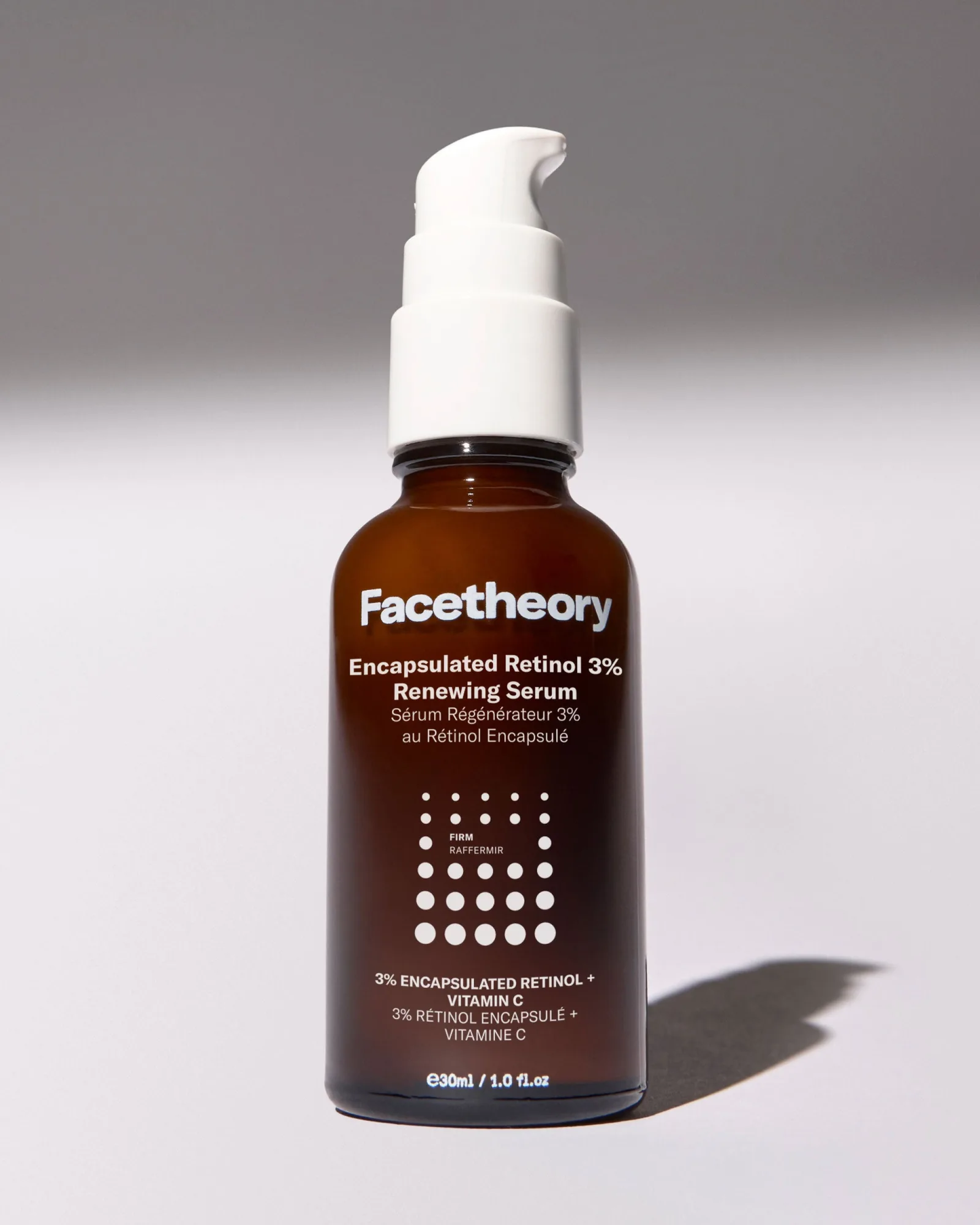
Encapsulated Retinol 3% Renewing Serum
For those who have already used retinol and want faster, more dramatic results, upgrading to a retinal product may be the next step. Retinal is especially effective for targeting stubborn fine lines, uneven texture, and loss of firmness. Because it’s stronger, it’s best to use it only a few nights per week at first, and always follow with a moisturiser to support the skin barrier.
- Beginners: start with retinol, 2–3 times per week
- Experienced users: consider retinal for faster results
- Always use sunscreen daily when using any retinoid
Building an Anti-Aging Routine with Retinoids
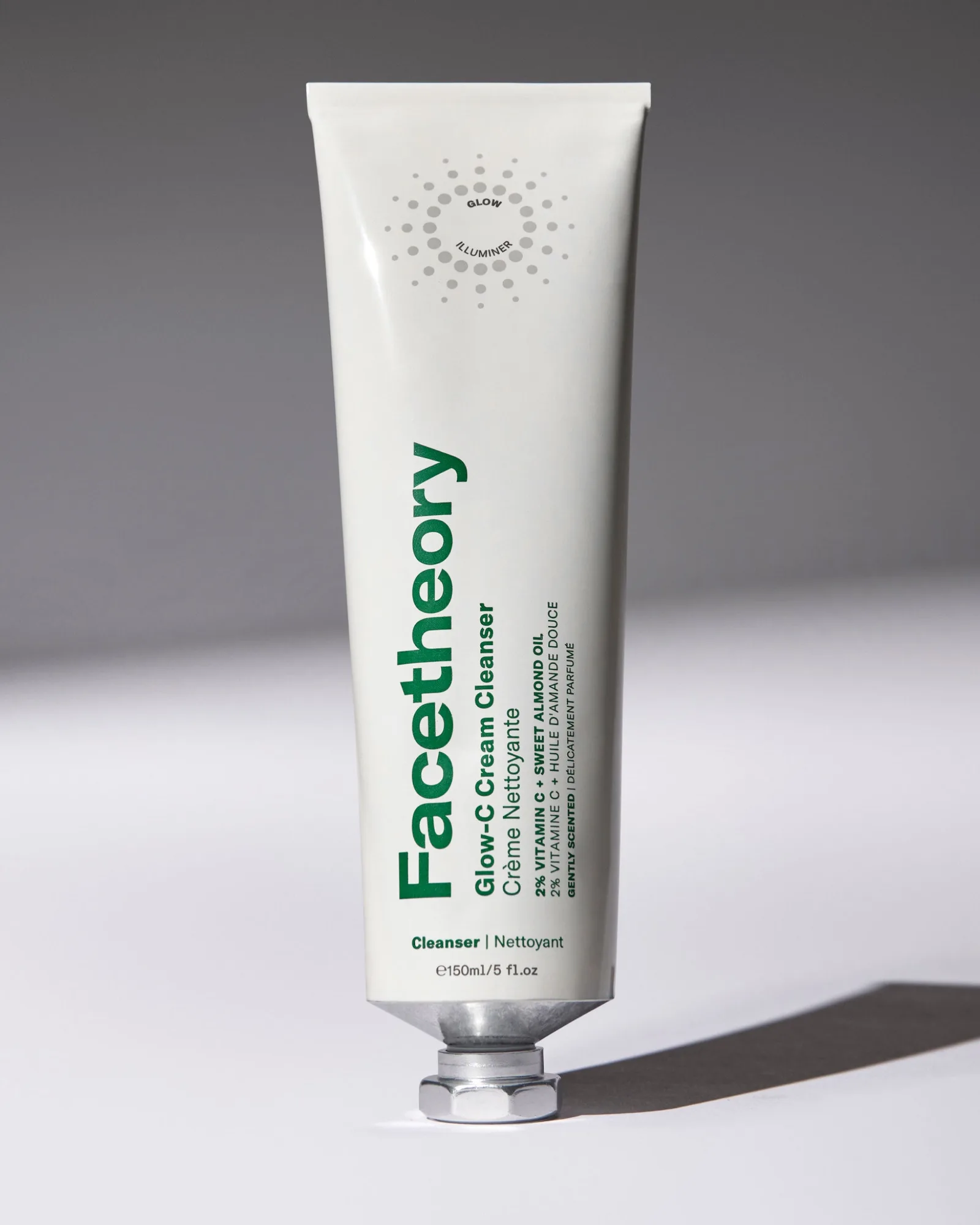
A well-rounded anti-aging routine doesn’t rely on retinoids alone. Pairing retinol or retinal with supportive ingredients can enhance results while minimising irritation. For example, using a gentle, hydrating cleanser like the Glow-C Cleansing Balm helps remove makeup and sunscreen without stripping the skin, preparing it for retinoid application.
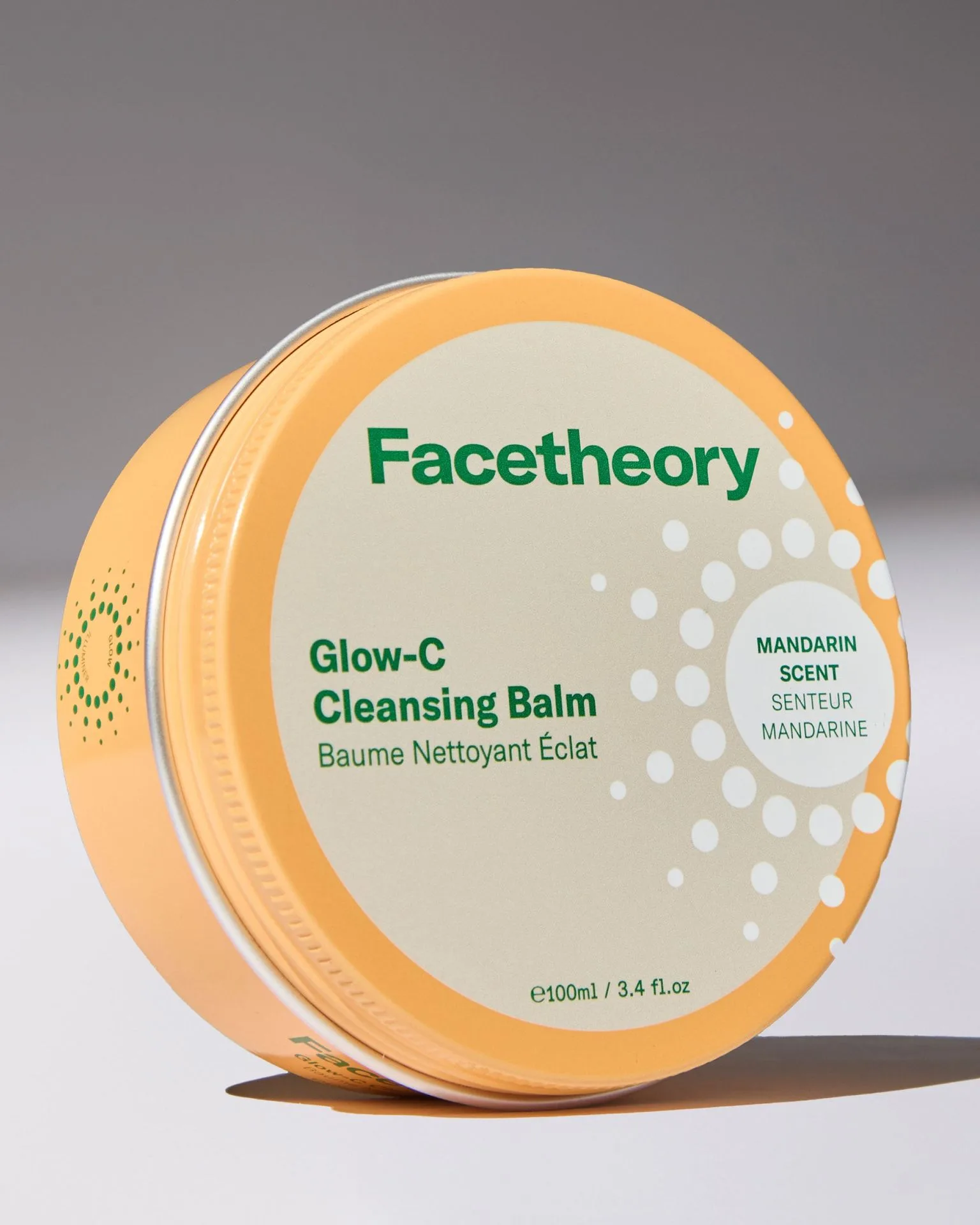
Glow-C Cleansing Balm
At night, apply your retinoid after cleansing and before a nourishing moisturiser. If you experience dryness, try the sandwich method: apply moisturiser, then retinoid, then another layer of moisturiser. In the morning, always use a broad-spectrum sunscreen, as retinoids increase sun sensitivity. Consistency and patience are key—retinoids work gradually, but the long-term benefits are worth the wait.
- Cleanse with a gentle balm or cream cleanser
- Apply retinoid to dry skin to reduce irritation
- Follow with a rich moisturiser or night cream
- Use SPF 30+ every morning
Common Mistakes to Avoid When Using Retinoids
Many people abandon retinoids too soon because of initial irritation. It’s important to start slowly and listen to your skin. Avoid using retinoids with other strong active ingredients like AHAs, BHAs, or vitamin C in the same routine, as this can overwhelm the skin. Instead, alternate nights or use actives at different times of day.
Another common mistake is applying too much product. A pea-sized amount is enough for the entire face. Applying more won’t speed up results—it will only increase irritation. Also, avoid the eye area and corners of the nose, where skin is thinner and more sensitive. If you experience persistent redness or peeling, reduce frequency and focus on barrier repair.
- Don’t layer retinoids with other strong actives
- Use only a pea-sized amount
- Avoid sensitive areas like eyes and nostrils
- Reduce frequency if irritation occurs
The Bottom Line: Which Is Stronger?
When comparing retinol vs retinal, retinal is undeniably the stronger and faster-acting ingredient. It requires only one conversion step to become active retinoic acid, making it more potent per milligram. However, stronger doesn’t always mean better for everyone. Retinol remains an excellent choice for those with sensitive or reactive skin, or for anyone new to vitamin A.
Ultimately, the best ingredient is the one you can use consistently without damaging your skin barrier. Both retinol and retinal can deliver impressive anti-aging results when used correctly. If you’re ready to take your routine to the next level, consider trying a retinal product for faster visible improvements in firmness and fine lines.
Whether you choose retinol or retinal, the key to success is a consistent, gentle approach. Start with a product suited to your experience level, and always support your skin with hydration and sun protection. For those seeking a powerful yet well-tolerated option, explore our Encapsulated Retinol 3% Renewing Serum to begin your anti-aging journey today.