Quick answer
Recycling your reusable cup isn't as simple as tossing it in the bin. Glass bodies are recyclable, but cork sleeves and lids often aren't. Know what goes where to avoid contaminating recycling streams.
Recycling myths are everywhere, and reusable cups are no exception. You might think all parts of your cup are recyclable, but the reality is more nuanced. Understanding what can and can't be recycled helps you make smarter, more sustainable choices.
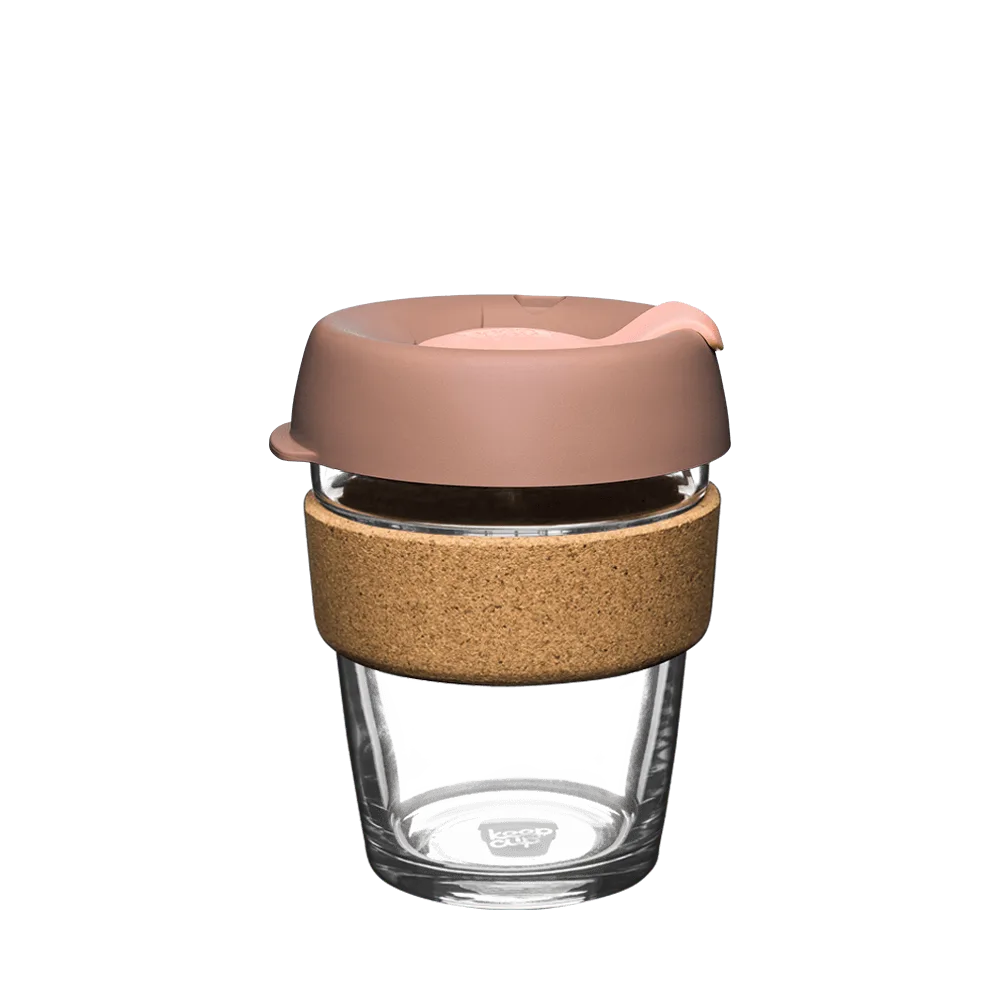
In this article, we bust common recycling myths and give you clear verdicts. We'll focus on glass cups with cork sleeves, like the https://keepcupecj.com/products/brew-cork-glass-cup-305368https://keepcupecj.com/products/brew-cork-glass-cup-305369https://keepcupecj.com/products/brew-cork-glass-cup-305404https://keepcupecj.com/products/brew-cork-glass-cup-305405Brew Cork Glass Cup, and explain what you should do with each component.
Myth: All reusable cups are fully recyclable
Many people assume that because a cup is reusable, it's also recyclable at the end of its life. But that's not always true. Reusable cups are made from various materials—glass, plastic, silicone, cork—and each has different recycling requirements.
For example, glass is widely recyclable, but cork is not accepted in most curbside programs. Silicone lids and bands often need special facilities. So, the answer to 'can I recycle this?' depends on the specific part and your local recycling rules.
- Check your local recycling guidelines for glass, cork, and silicone.
- Separate components before recycling to avoid contamination.
Myth: Cork sleeves can go in the recycling bin
Cork is a natural, renewable material, but that doesn't mean it belongs in your curbside recycling. Most municipal recycling programs do not accept cork because it requires special processing. Instead, cork can be composted or taken to specialized drop-off points.
If your cup has a cork band, like the Brew Cork Glass Cup, you can remove it and compost it at home if you have a compost pile. Otherwise, check for cork recycling programs in your area. This keeps the cork out of landfills and reduces waste.
- Compost cork bands at home if possible.
- Look for specialized cork recycling programs near you.
Myth: Glass cups are too fragile to be recycled
Glass is one of the most recyclable materials, and it can be recycled endlessly without losing quality. The Brew Cork Glass Cup features a clear glass body that is fully recyclable. Just make sure to rinse it and remove any non-glass parts like the cork sleeve and lid.
Recycling glass saves energy and reduces the need for raw materials. So, when your glass cup reaches the end of its life, recycle the glass part with confidence. Just check if your local program accepts glass—most do.
- Rinse glass before recycling.
- Remove cork and plastic parts first.
Recycling verdicts
- Glass body: Recyclable in most curbside programs. Rinse and remove other materials first. Recycle with confidence.
- Cork sleeve: Not accepted in curbside recycling. Compost at home or find a cork-specific drop-off. Compost or special recycle.
- Lid and other parts: Check with your local facility. Many lids are not recyclable due to mixed materials. Verify before binning.
Product facts: What's in your cup
- Brew Cork Glass Cup: Glass construction with a natural cork sleeve for a comfortable, insulated grip. The glass body is recyclable, but the cork sleeve is not. Knowing this helps you separate parts correctly at end of life.
- Ace Recycled Cork Glass Cup: Designed for repair, our products allow for easy replacement of lost or damaged parts. Repairability extends the life of your cup, reducing the need to recycle or dispose of it. This is a more sustainable option than single-use cups.
Recycling reusable cups isn't one-size-fits-all. By understanding what's recyclable and what's not, you can make eco-friendly choices that truly help the planet. When in doubt, check local guidelines and consider repairable options like the Brew Cork Glass Cup to extend its life.