Quick answer
Reusable breast pads are the better long-term choice for most nursing parents if you value sustainability and lower ongoing cost, but disposables win for travel, heavy leaks, or when laundry access is limited.
Why the choice matters for leak management
Leaking breast milk is a normal part of breastfeeding, but it can be uncomfortable and embarrassing. The pad you choose affects not only how well you stay dry but also your daily routine, budget, and environmental footprint.
Both reusable and disposable pads absorb leaks, but they differ significantly in material, absorbency, fit, and maintenance. Understanding these differences helps you pick the right solution for your lifestyle.
Key trade-offs at a glance
Reusable pads are typically made from soft, breathable fabrics like cotton or bamboo. They feel gentler on sensitive skin and produce less waste. The upfront cost is higher, but they pay off over time since you wash and reuse them.
Disposable pads offer maximum convenience. They are individually wrapped, easy to toss in a bag, and require no washing. However, they generate more trash and can be less breathable, which may lead to skin irritation for some users.
Reusable vs disposable: trade-offs to consider
- Cost over time: Reusable pads cost more upfront (e.g., $14 for a set) but last for months. Disposables cost less per pack but require regular repurchasing. If you plan to nurse for several months, reusable pads are cheaper overall.
- Absorbency and leak protection: Disposable pads often have a waterproof backing and can hold more liquid, making them better for heavy leakers. Reusable pads are absorbent but may need changing more often for very heavy flows. Heavy leakers may prefer disposables for reliable overnight or long-outing protection.
- Comfort and skin sensitivity: Reusable pads are made from soft, breathable fabric that reduces irritation. Disposables can feel less breathable and may cause chafing or rashes in sensitive skin. If you have sensitive nipples or are prone to thrush, choose reusable pads.
- Convenience and maintenance: Disposables are grab-and-go with no washing. Reusables need to be washed and dried after each use, which requires access to laundry and time. Frequent travelers or parents without easy laundry access will find disposables more practical.
- Environmental impact: Reusable pads create far less waste over time. Disposables end up in landfills after a single use. If reducing waste matters to you, reusable pads are the clear winner.
Product spotlight
-
Reusable Breast Pads: Reusable Breast Pads offer a sustainable solution for managing leaking breasts while breastfeeding. Designed for everyday comfort and practicality. If you nurse daily and want a soft, eco-friendly option that saves money over disposables, these pads are a reliable choice.
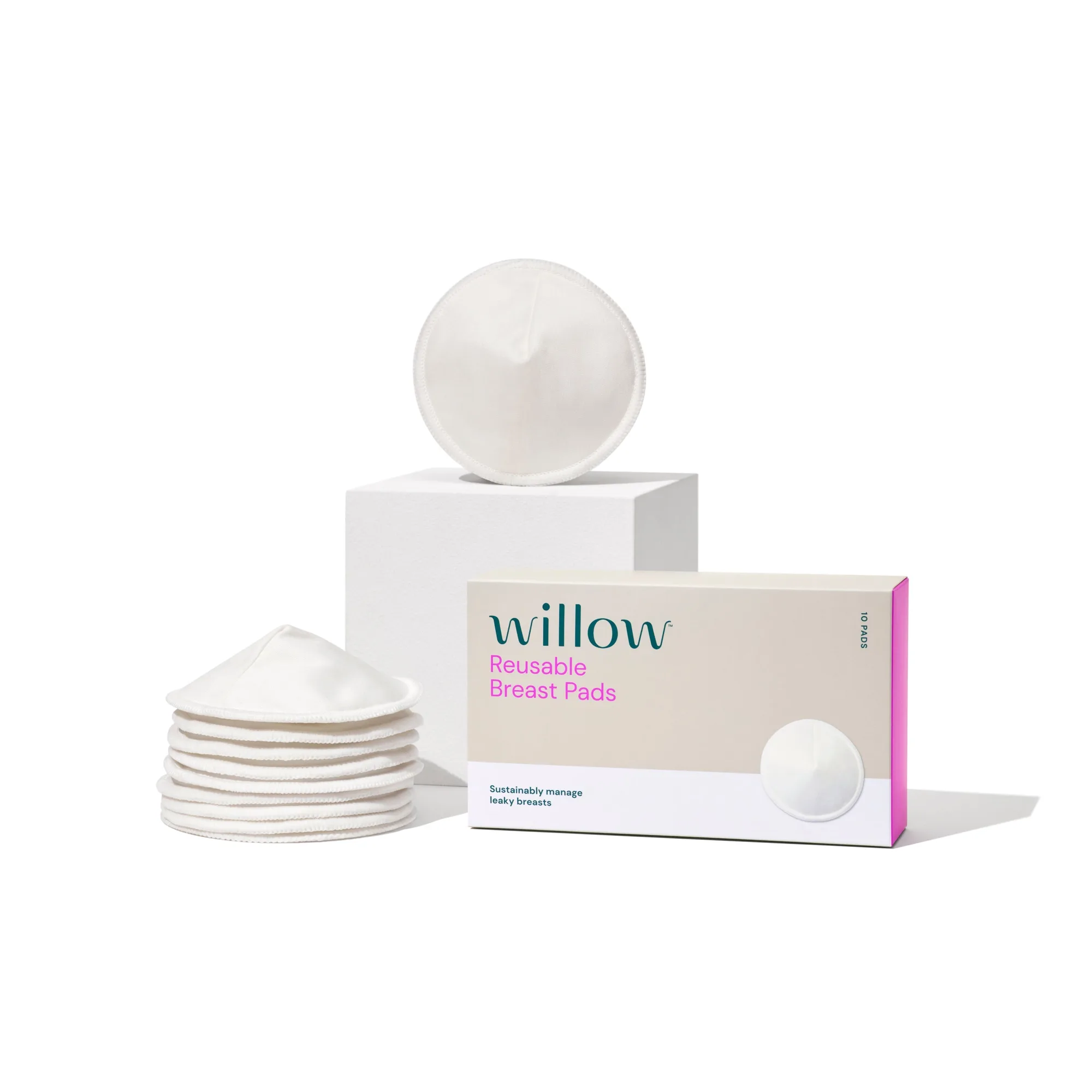
Reusable Breast Pads
Which should you choose?
Best for
- Eco-conscious parents who want a soft, breathable pad and don't mind washing
- Parents with sensitive skin or a history of nipple irritation
- Those nursing at home most of the time and looking to save money long term
Not ideal for
- Heavy leakers who need maximum absorbency for long stretches
- Parents who travel frequently or lack easy access to laundry
- Anyone who prefers the convenience of single-use, disposable products