Quick Answer
Thin Revell Aqua Color with clean water or Revell Aqua Color Mix, adding a drop at a time until it flows like milk. Brush coats dry to the touch in about 20 to 30 minutes, but let them cure fully before handling or overpainting. Clean brushes with water while the paint is still wet; once it dries, you will need soapy water and a little patience.
Revell Aqua Color is a water-based acrylic that many builders choose because it cleans up easily and does not attack plastic. But the same traits that make it beginner-friendly also raise a steady stream of practical questions: how much water is too much, why does the finish look streaky, and what do you do when a brush turns stiff overnight?
This FAQ answers the questions that come up most often in real builds. Each answer stands on its own, so you can jump straight to the problem in front of you. Where a specific product helps, it is named with the supplied catalog facts so you know exactly what you are getting.
How do I thin Aqua Color for brushing?
Add clean water or Revell Aqua Color Mix one drop at a time and stir with a toothpick or the back of your brush. The target consistency is like milk: it should run off the stirrer in a thin, even stream rather than plop or drip. Most pots need only a few drops for brush work, so it is easy to overshoot. If the paint becomes too thin, leave the lid off for a few minutes to let some water evaporate, then stir again.
For airbrushing, thin further and test on scrap plastic first. Aqua Color can be sprayed, but it needs a wider ratio than brush work and thin, misty passes. Always clean the airbrush immediately after use, because dried acrylic is much harder to remove than wet paint.
- Thin in small increments; you can always add more water but you cannot easily take it out.
- Use a dedicated mixing cup or a spare pot lid rather than thinning the whole jar.
- If the paint smells sour or has stringy bits, it has gone off and should be replaced.
How long does Aqua Color take to dry?
A thin brush coat is normally touch-dry in about 20 to 30 minutes at room temperature. That does not mean it is cured. Full hardness takes longer, often several hours to overnight, depending on humidity and how thickly you applied it. If you overpaint too soon, you can lift the layer underneath and end up with a smeared finish.
Humidity is the biggest variable. In damp conditions, give each coat more time or use a small fan to move air across the model. Do not use a hair dryer on a high setting; warm air can soften plastic and distort thin parts. A second thin coat always beats one thick coat for both drying speed and final appearance.
- Touch-dry is not the same as ready to mask or handle.
- Two thin coats dry faster and look better than one heavy coat.
- Let paint cure overnight before applying decals or clear coats.
How should I clean Aqua Color from brushes?
Rinse the brush in clean water as soon as you finish, working the bristles gently against the bottom of the container. A little mild soap helps lift pigment from the base of the bristles, where residue tends to collect. Rinse again, reshape the tip with your fingers, and dry the brush horizontally or bristles-down so water does not run into the ferrule and loosen the glue.
If paint has already dried in the bristles, soak the brush in warm soapy water for ten to fifteen minutes, then comb through with a brush comb. Do not use hot water or harsh solvents, which can damage the glue and the bristles. A brush that is cleaned properly after every session will last for many models.
- Never leave a brush standing bristles-down in water.
- Clean before the paint dries; dried acrylic is far harder to remove.
- Store brushes flat or upright with the bristles protected.
Why does my Aqua Color look streaky or patchy?
Streaks usually come from paint that is too thick, a brush that is too stiff, or trying to cover a large area in one pass. Thin the paint slightly, load the brush lightly, and lay down several thin coats, letting each dry before the next. Work in one direction and avoid scrubbing back and forth, which lifts partially dried paint.
Surface preparation matters too. Mold release agent and finger oils can cause paint to bead or pull away. Wash plastic parts in warm soapy water and let them dry completely before painting. A primer coat also gives the acrylic something to grip, especially on smooth or glossy surfaces.
- Thin the paint and build coverage in layers.
- Wash and dry parts before painting to remove oils.
- Use a primer on glossy or bare plastic for better adhesion.
Can I mix Aqua Color with other paints or brands?
Aqua Color pots can be mixed with each other to create custom shades, and they can be thinned with water or Revell Aqua Color Mix. Mixing different brands is riskier because formulas vary; some acrylics curdle when combined. If you want to try it, mix a small test batch in a separate cup and wait a few minutes to see whether the mixture stays smooth.
Do not mix Aqua Color with solvent-based enamels. The two systems are not compatible and will not form a stable film. If you need an enamel for a specific effect, keep it as a separate layer and let the acrylic underneath cure fully first. For a coordinated set, Revell offers matched paint sets such as the Email Color - RAF WWII Set (6x 14ml), which contains six enamel colors tailored to RAF WWII kits.
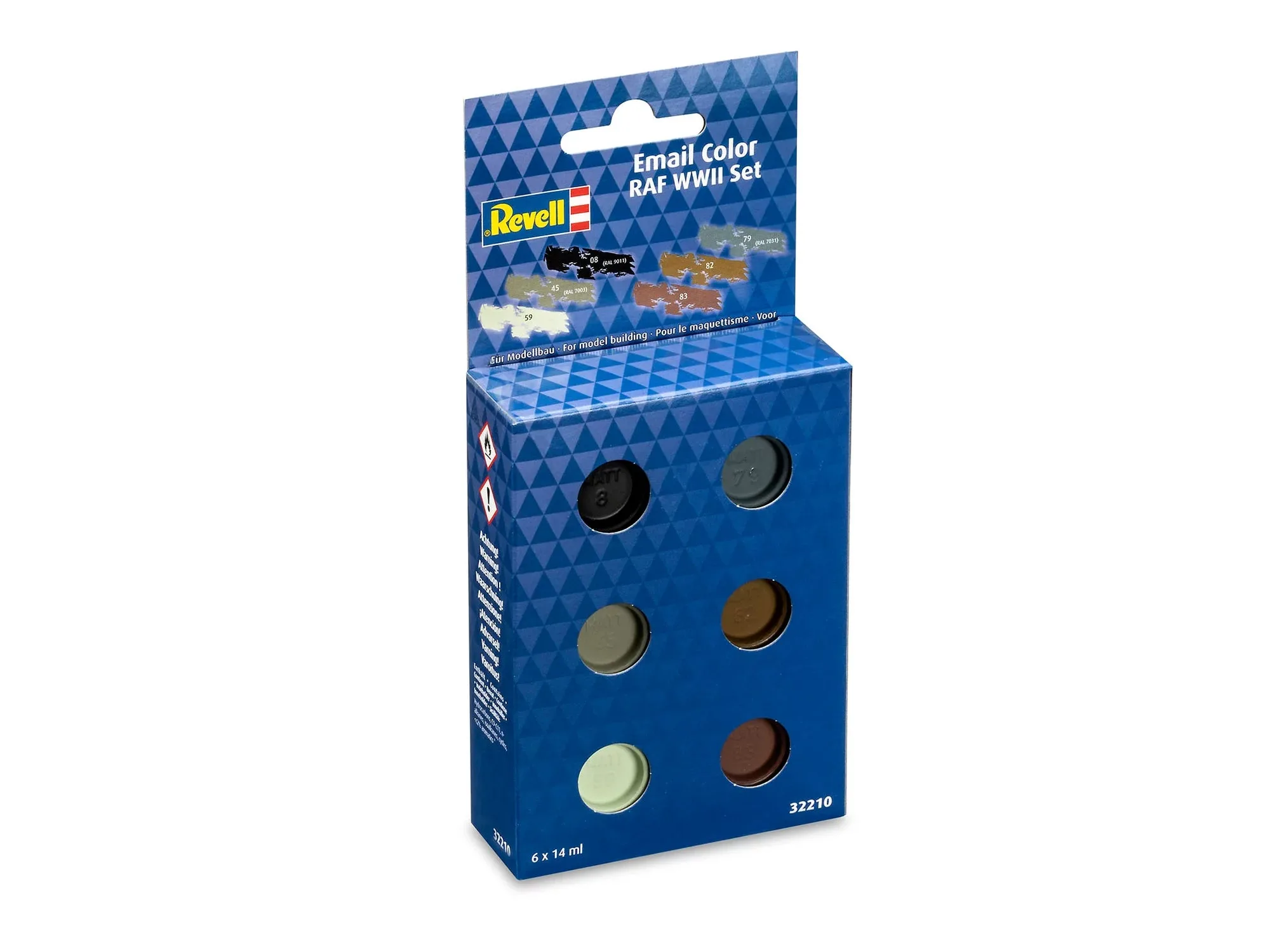
Email Color - RAF WWII Set (6x 14ml)
- Test any cross-brand mix on scrap plastic first.
- Keep water-based and solvent-based paints in separate layers.
- Label custom mixes with the date so you can reproduce them later.
What should I do if Aqua Color peels or scratches?
Peeling usually points to poor surface preparation or paint applied over a contaminated layer. If the damage is small, touch it in with a thin coat of the same color and blend the edges while wet. For larger areas, remove the loose paint with a soft brush and warm soapy water, let the part dry, and repaint in thin layers over a primer.
A clear coat can add protection once the paint is fully cured, but it will not fix a weak bond underneath. Handle painted parts by the edges or with soft gloves, and avoid masking directly over fresh acrylic. If you must mask, use low-tack tape and pull it back slowly at a low angle.
- Fix small chips with a thin touch-up coat rather than a thick blob.
- Let paint cure fully before applying tape or clear coat.
- Use low-tack tape and remove it slowly to avoid lifting edges.
How do I store Aqua Color so it stays usable?
Close the lid firmly after each use and wipe paint from the rim and threads, because dried paint prevents a proper seal. Store pots upright at room temperature, away from direct sunlight and extreme heat or cold. A cool, dark drawer or shelf is ideal. If the paint thickens over time, a few drops of water and thorough stirring will usually bring it back.
Do not store paints in a garage that freezes in winter or overheats in summer. Repeated temperature swings can separate the binder and pigment. If a pot has separated, stir rather than shake, which introduces bubbles that can show up in the finish. Keeping a simple inventory of colors you own also prevents buying duplicates.
- Clean the lid and rim before closing to keep the seal tight.
- Store upright, out of sunlight, at stable room temperature.
- Revive thickened paint with a few drops of water and stir well.
Quick Checks Before Your Next Coat
Consistency check
Stir a drop of thinned paint on scrap plastic. If it levels out but still holds a brush mark, it is ready. Adjust with one drop of water at a time.
Dry-time check
Touch the edge of a painted area with a clean finger. If it feels cool or tacky, it is not ready for the next coat. Wait another 15 to 30 minutes in humid conditions.
Brush check
After rinsing, run the bristles across a clean paper towel. Any color on the towel means residue is still in the brush. Repeat the soapy-water wash until the towel stays clean.
Adhesion check
Before masking, press a piece of low-tack tape on a hidden area and pull it off slowly. If paint lifts, clean the surface and repaint in thinner layers.
Products That Answer These Questions
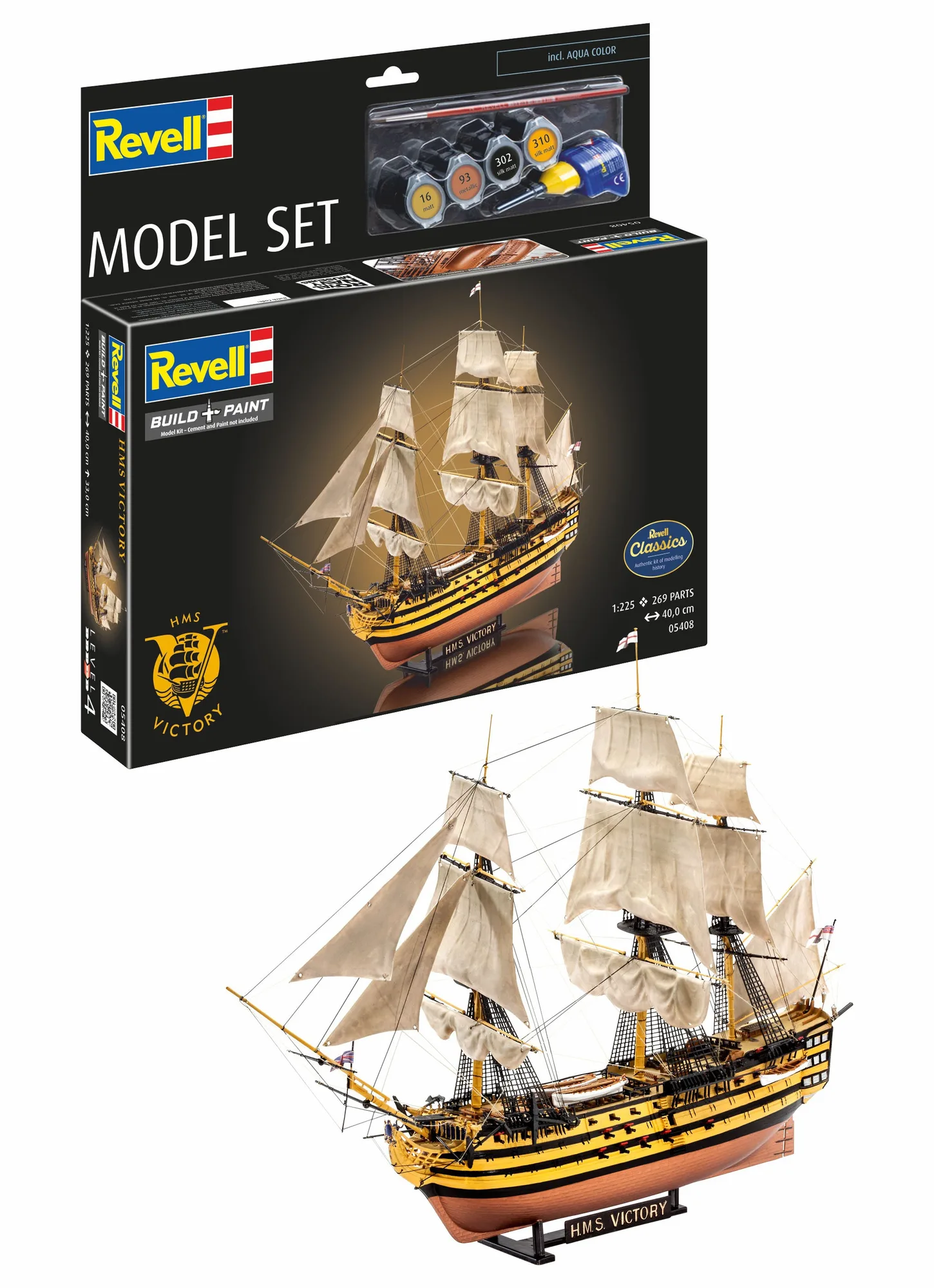
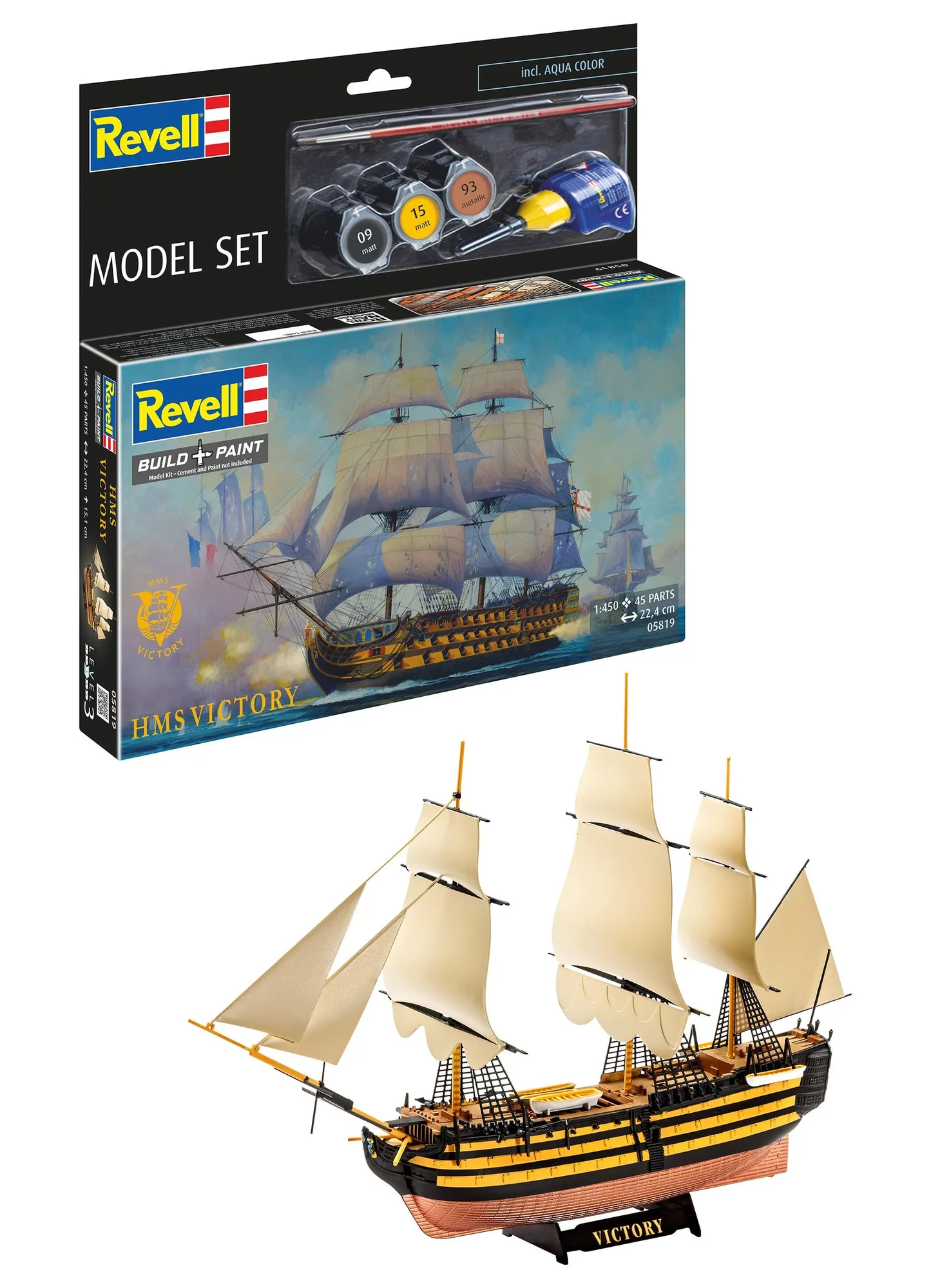
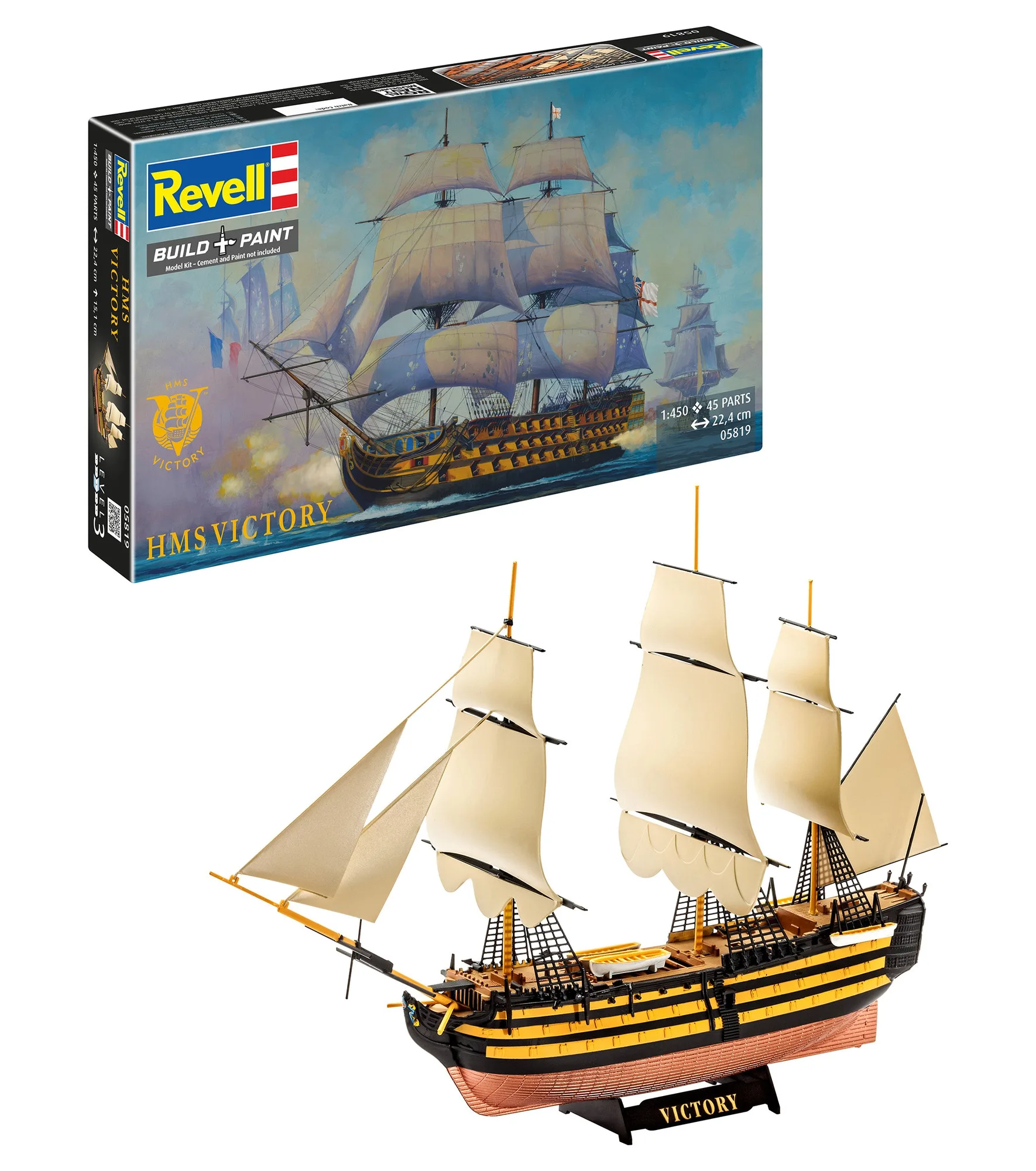
- https://revellesy.com/products/654089090-h-m-s-victory-bd56a2e4119427654e41c35a-1572508Model Set HMS Victory: The Victory was Admiral Lord Nelson's flagship at the Battle of Trafalgar in 1805, and the kit includes finely detailed hull walls, a structured deck, cannons on mounts, and a decorated bow with ornaments. A kit with this much raised detail rewards thin, well-thinned acrylic coats that do not fill in the fine molding, making it a good test of your Aqua Color technique.
- Model Set Trabant 601S "Builder's Choice": This kit includes basic colors, glue, and brushes, and features a unique decal design contest. Because it comes with basic colors and brushes, it is a practical starting point for practicing thinning, drying, and brush cleaning before you move on to a larger project.
- Matt "Dark Green" Email Color Enamel - 14ml: Revell Color is a synthetic resin enamel paint that does not attack the plastic surface of plastic models, and the 14 ml can can also be used to paint many other materials. If you need a solvent-based enamel for a specific finish, this is a compatible option to keep as a separate layer from your water-based Aqua Color work.
- Model Set McLaren 750S: The McLaren 750S is described as the lightest and most powerful production vehicle McLaren has ever built, and this kit is a new tool of the direct successor to the 720S. A modern supercar body has large, smooth panels where thin, even acrylic coats and good surface preparation make the biggest visual difference.
Most Aqua Color problems come down to three habits: thin the paint, let each coat dry properly, and clean your brushes immediately. Get those right and the paint behaves predictably, even on detailed kits like the Model Set HMS Victory. If a question here does not match your situation, describe the surface and the paint consistency, and you can usually narrow down the cause in a few minutes.