Quick answer
Pick your scale by display space first, then by detail and part count. If shelf space is tight or you are new to the hobby, start with a smaller scale such as 1:72 or a compact model set. If you have room and want more visible detail, a larger scale like 1:35 or 1:24 gives you more to paint and show off. Always check the finished dimensions and part count before buying.
Scale is the single number that decides how big your finished model will be, how many parts you will handle, and how much shelf it will eat. Two kits can look similar on the box but end up wildly different on your desk.
This guide gives you concrete decision rules for picking a Revell scale that fits your space, your patience, and your painting setup, with honest trade-offs so you can buy once and enjoy the build.
What model kit scales actually mean
A scale like 1:72 means the real vehicle is 72 times larger than the model. The smaller the second number, the larger the model. So a 1:72 aircraft is smaller than the same aircraft in 1:48, and a 1:35 tank is larger than a 1:72 tank. This is the core of model kit scales explained in one sentence.
Scale also changes part count and detail. Larger scales usually include more separate parts and finer surface detail, which means more painting and more chances to make a mistake. Smaller scales hide some of that detail but are faster to finish and easier to store.
- Write the scale on a sticky note before you buy, then check it against your shelf depth.
- If two kits share a scale, compare finished dimensions, not just the box size.
1:72 vs 1:48 models: the practical difference
1:72 vs 1:48 models is the most common comparison for aircraft. A 1:72 kit is compact, often fits in a shoebox-sized space, and is a good choice if you want to build several models without rearranging your room. A 1:48 kit is noticeably larger, shows more cockpit and surface detail, and takes longer to paint.
Neither is better in absolute terms. 1:72 rewards tidy assembly and a steady hand, while 1:48 rewards patience with painting and decals. If you are still learning to handle small parts, 1:72 can actually be harder because everything is tiny. If you want a centerpiece, 1:48 or larger delivers more presence.
- Measure your shelf depth and height before choosing 1:48.
- For a first aircraft, a 1:72 kit plus a basic tool set is a low-risk start.
Match the scale to your display space
Model display space is the most common reason a finished kit ends up in a box instead of on a shelf. A 1:72 fighter might fit on a bookshelf edge, while a 1:35 tank or a 1:24 car needs a deeper, wider surface. Always check the finished length and width, because a 1:35 tank can be longer than a 1:48 aircraft.
If space is limited, choose a smaller scale or a compact subject. If you have a dedicated cabinet, a larger scale gives you a focal point. A simple rule: if you cannot picture exactly where it will sit, size down.
- Leave at least 5 cm of clearance around the model for dusting and handling.
- Vertical display stands can save shelf depth for aircraft.
Scale and skill level: what beginners should pick
The best scale for beginners is usually the one with fewer tiny parts and a forgiving paint scheme. That often means a smaller scale or a model set that includes paints, glue, and brushes, so you are not buying everything separately. Revell model sets are a practical way to start because the essentials are in the box.
Larger scales are not automatically easier. A 1:35 tank has big parts but many of them, and a 1:24 car often needs a glossy, flawless paint finish. Beginners should prioritize part count and paint complexity over raw size.
- Start with a kit that includes paints and glue to avoid missing supplies.
- Choose a single-color or two-color scheme for your first few builds.
How scale affects tools, paint, and budget
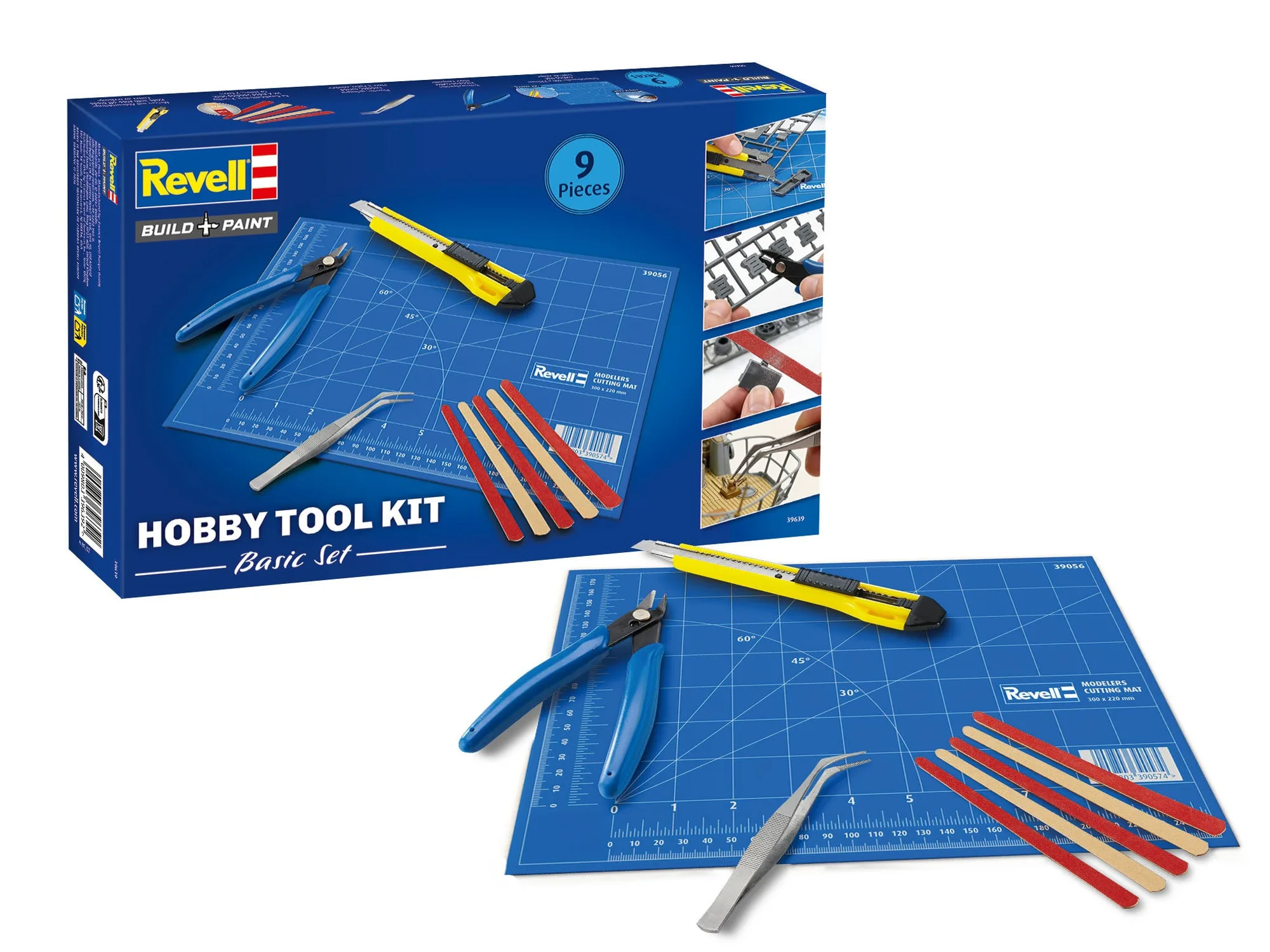
Smaller scales demand finer tools and a good brush for detail work, while larger scales use more paint and can benefit from a dedicated tool kit. A basic hobby tool kit with a knife, files, and sanding tools prevents the damaged parts that come from using kitchen scissors or a carpet knife.
Budget is not only the kit price. Larger models need more paint, more decal solution, and more display space. Smaller models are cheaper to finish but harder to handle. Decide which trade-off you prefer before you order.
- A fine detail brush is worth buying before a large kit.
- Buy paint in the colors the instructions list to avoid half-finished builds.
Decision rules for choosing a Revell scale
- If your shelf is shallow or shared: Choose 1:72 aircraft or another compact subject, and check finished dimensions before buying. Small scale protects your display space and lets you build more models.
- If you want a centerpiece: Choose 1:35 armor or a 1:24 car, and plan for more paint, more parts, and a deeper shelf. Larger scale delivers more visible detail but needs more time and room.
- If you are buying your first kit: Pick a model set that includes paints, glue, and brushes, and pair it with a basic tool kit and a size 4 brush. Fewer missing supplies means a finished model instead of a stalled project.
Revell products that help you choose and build
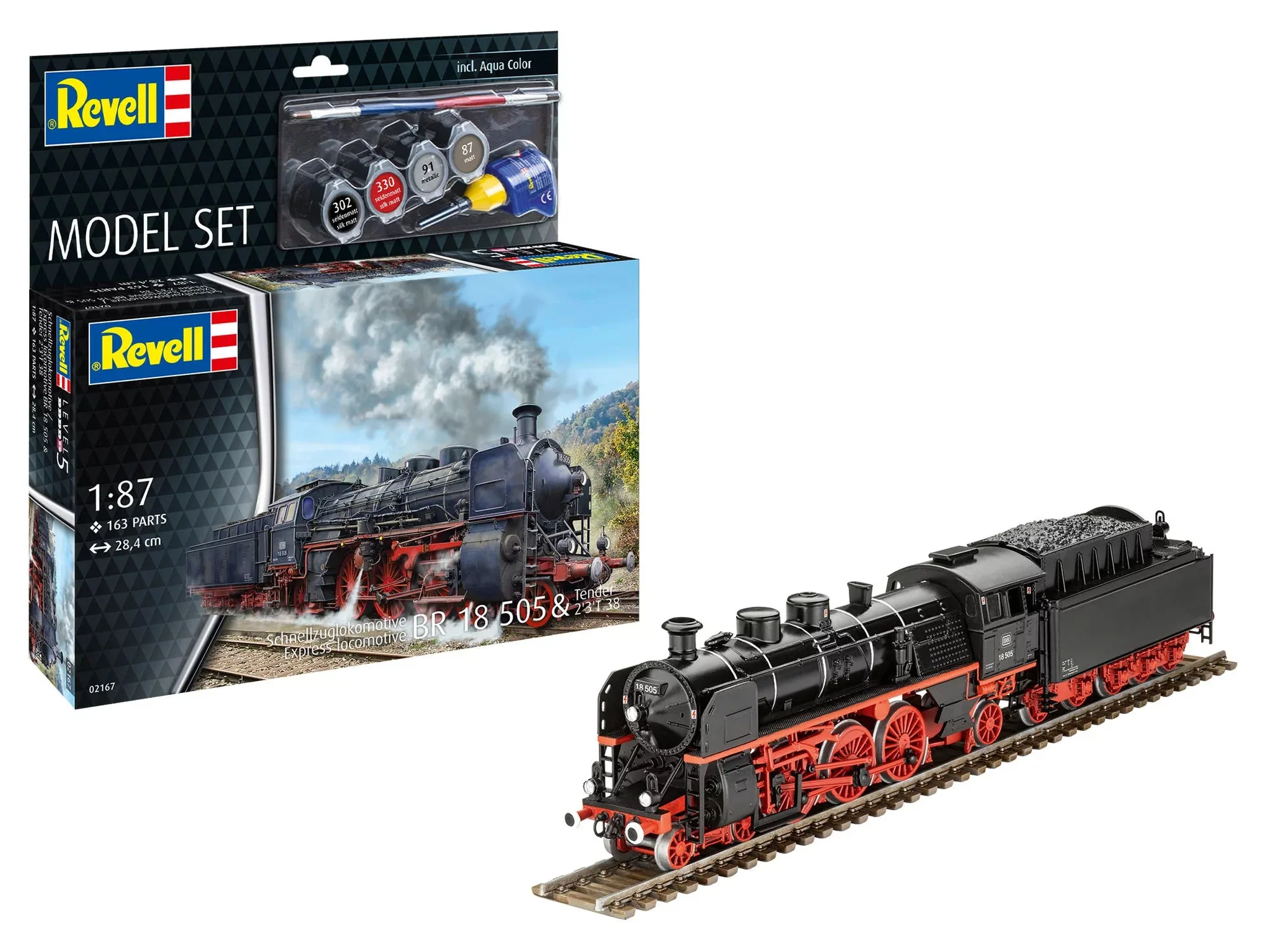
- Model Set Express Loco BR 18 505 with Tender: This model set includes basic colors, glue, and brushes, and features a detailed boiler, drive wheels, push rods, tender, tender chassis, and decals for the BR 18 505. A complete set removes the guesswork for beginners and shows how a larger, detailed subject can still be approachable when supplies are included.
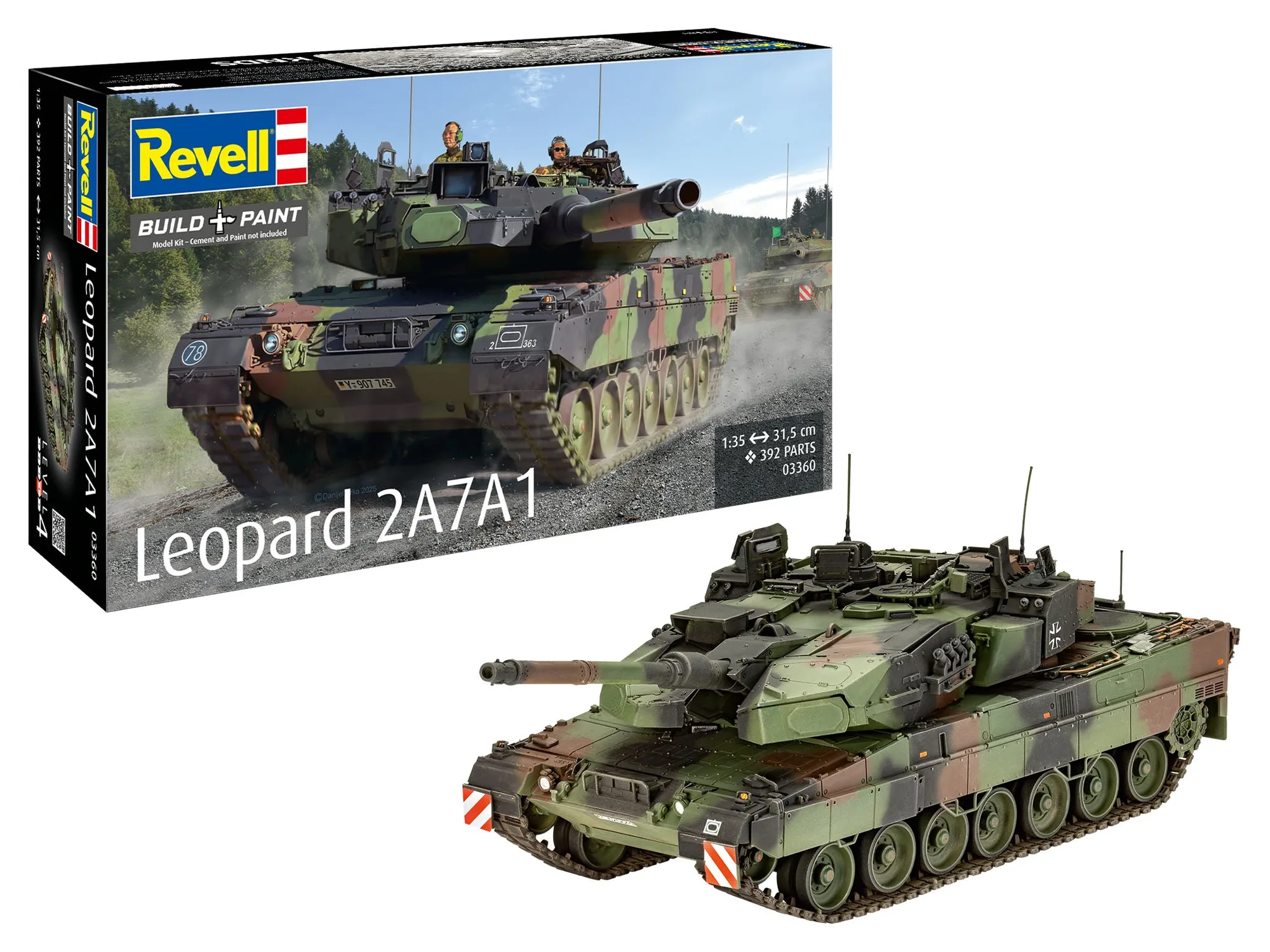
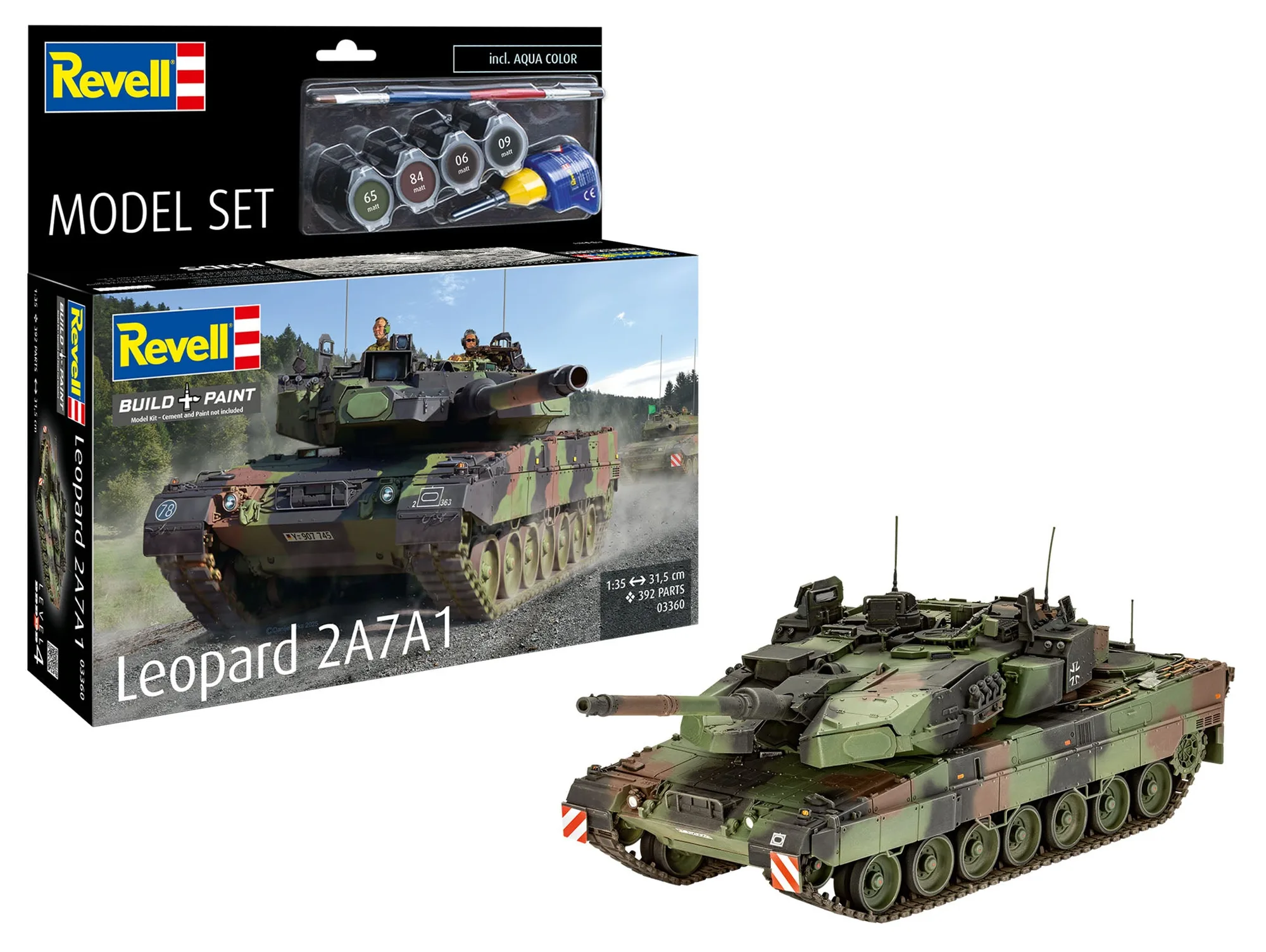
- Model Set Leopard 2A7A1: A 1:35 scale model kit of Germany's most modern battle tank, supplied as a practical model set including paints, brushes, and glue, with precisely manufactured individual parts. The 1:35 scale is a good example of a larger build that needs more display space and more painting time, so measure your shelf before committing.
- Revell "Panta Standard" Paintbrush - Size 4: Revell Painta Standard is a line of high-quality brushes in eight sizes, allowing you to paint the finest details and decorations. A size 4 brush covers small and medium areas, which suits both 1:72 detail work and larger 1:35 surfaces without switching tools constantly.
- Hobby Tool Kit Basic: The Revell Hobby Tool Kit Basic is designed to solve the problem of opening a new kit without the right tools, avoiding damaged components and unclean cutting edges caused by kitchen scissors or a simple carpet knife. Scale does not change the need for clean cuts, and this kit keeps small parts intact whether you build 1:72 or 1:35.
Is this scale right for you?
Best for
- Builders with limited shelf space who want a compact 1:72 or small-scale model
- Beginners who want a model set with paints, glue, and brushes included
- Hobbyists ready for a larger 1:35 or 1:24 centerpiece with more detail
Not for
- Builders who cannot measure their display space and may end up storing the finished model
- Anyone expecting a large-scale kit to be easier just because the parts are bigger
- Shoppers who want a single scale to cover every subject and every shelf
Choose the scale that fits your shelf and your patience, not the one that looks most impressive on the box. Measure first, match the scale to your skill and supplies, and your Revell model will end up displayed instead of stored.