Quick answer
The RF200-800mm f/6.3-9 IS USM is a strong choice for wildlife photographers who need extreme reach in a lightweight, stabilized zoom, but its variable aperture and slower speed at the long end mean it is best for bright conditions and stationary or slow-moving subjects.
Reach versus aperture trade-off
The RF200-800mm covers a huge focal range, letting you frame distant birds or mammals without changing lenses. However, the maximum aperture narrows from f/6.3 at 200mm to f/9 at 800mm. This limits low-light performance and reduces the ability to blur backgrounds at the long end compared to a fixed f/4 or f/5.6 super telephoto.
Weight and stabilization advantages
Despite its reach, the lens is relatively light for a super telephoto zoom. Combined with up to 5.5 stops of image stabilization, it allows handheld shooting in many situations. This makes it practical for long hikes or when a tripod is inconvenient.
Decision rules
- Focal length need: If you regularly need 600mm or more for distant subjects, the RF200-800mm delivers that reach without a lens change.
- Light conditions: If you shoot mostly in dawn, dusk, or deep shade, the f/9 maximum at 800mm may force higher ISO or slower shutter speeds. A faster prime like the RF600mm f/11 or RF800mm f/11 might be better. Check your typical shooting hours before buying.
- Mobility priority: If you hike long distances or travel light, this lens is much easier to carry than a fixed super telephoto of similar reach.
Product facts
-
RF200-800mm f/6.3-9 IS USM: Canon's longest super tele zoom with up to 5.5 stops of image stabilization. You can shoot handheld at 800mm in good light, reducing the need for a heavy tripod during wildlife outings.
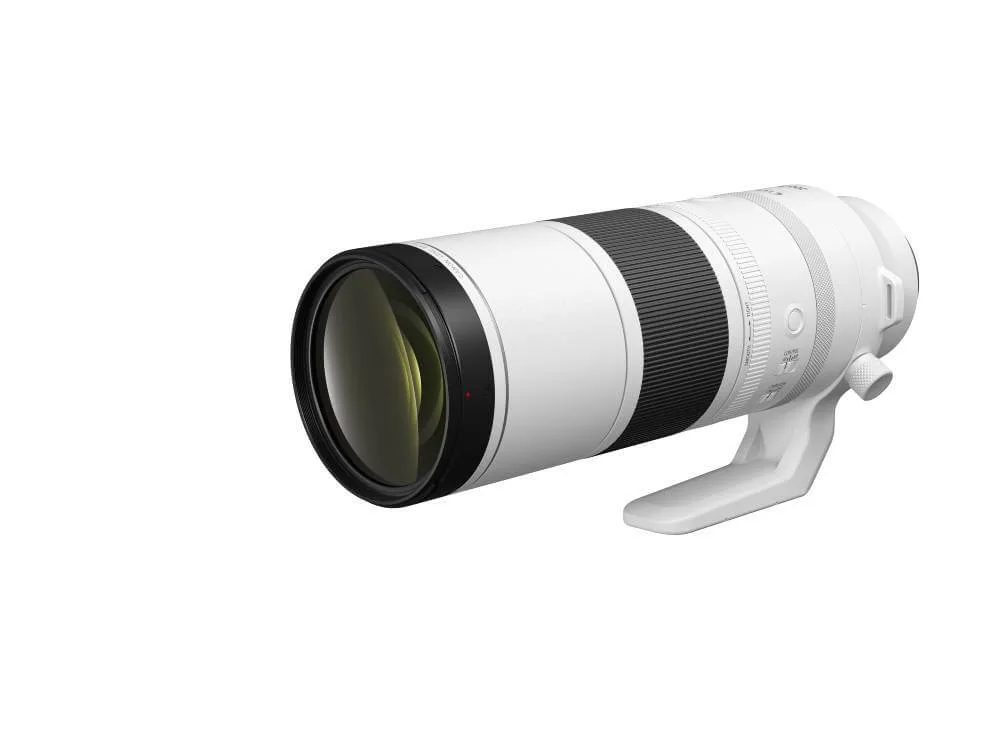
RF200-800mm f/6.3-9 IS USM
Who should buy this lens
Best for
- Wildlife photographers who need 800mm reach but want a single zoom to cover multiple distances
- Hikers or travelers who prioritize a lighter kit without sacrificing maximum focal length
Not for
- Low-light specialists who need f/5.6 or faster at 800mm
- Bird-in-flight photographers who want consistent aperture and faster autofocus at the long end