Quick answer
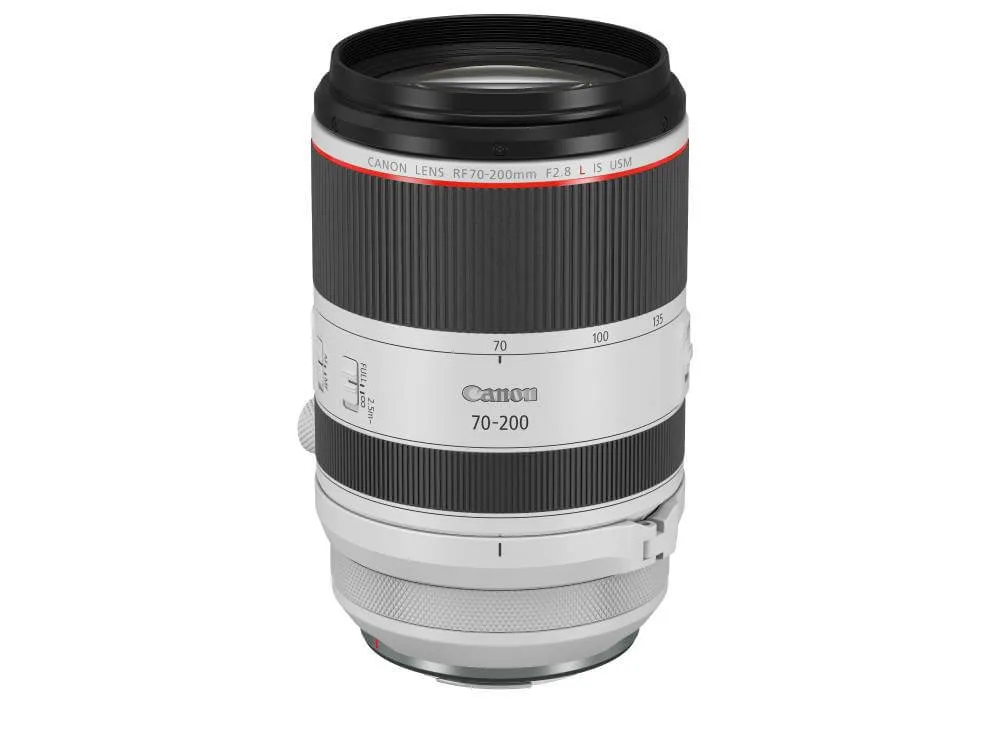
The RF70-200mm f/2.8L IS USM is the telephoto zoom to buy if you need a constant f/2.8 aperture, up to 5 stops of image stabilisation, and a body that is about 27% shorter and 28% lighter than the EF version. It suits event, portrait, and sports photographers who want mobility without giving up reach. If you mainly shoot wide or need power zoom for video, the RF20-50mm f/4L IS USM PZ is a better fit.
What the 70-200mm range actually covers
On a full-frame body, 70mm gives you a tight portrait or a compressed landscape; 200mm pulls distant subjects close enough to isolate them from the background. That range covers press conferences, weddings, school sports, and travel details without changing lenses. On an APS-C body like the EOS R7 or R10, the effective field of view is roughly 112-320mm, which is useful for wildlife and field sports but makes indoor group shots harder.
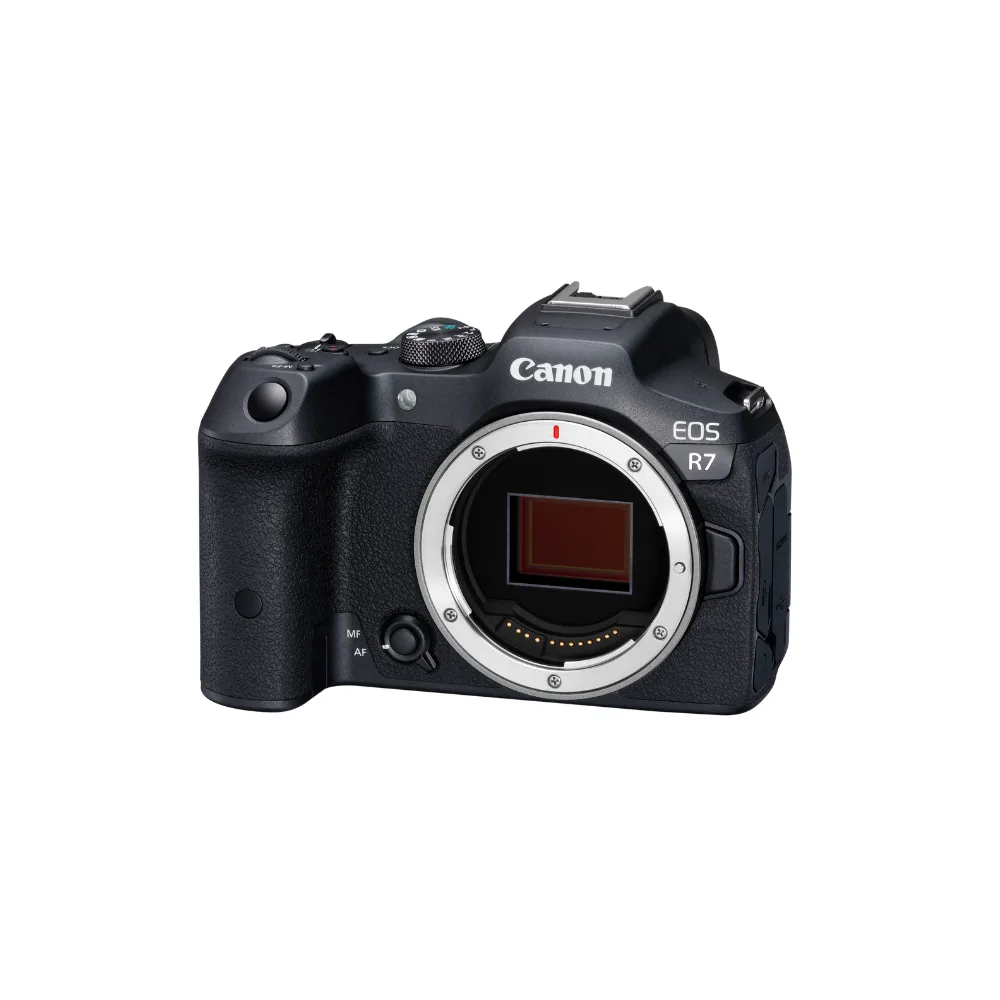
EOS R7
Stabilisation in real use
Canon rates the RF70-200mm f/2.8L IS USM at up to 5 stops of image stabilisation. In practice, that means you can hand-hold at shutter speeds you would normally reserve for a tripod. For a static subject at 200mm, 1/30s becomes realistic with careful technique; for moving subjects, stabilisation helps you keep the AF point on target but does not freeze motion. Pair it with an IBIS body and the systems work together, though the exact gain depends on the camera.
What you give up compared with the RF20-50mm f/4L IS USM PZ
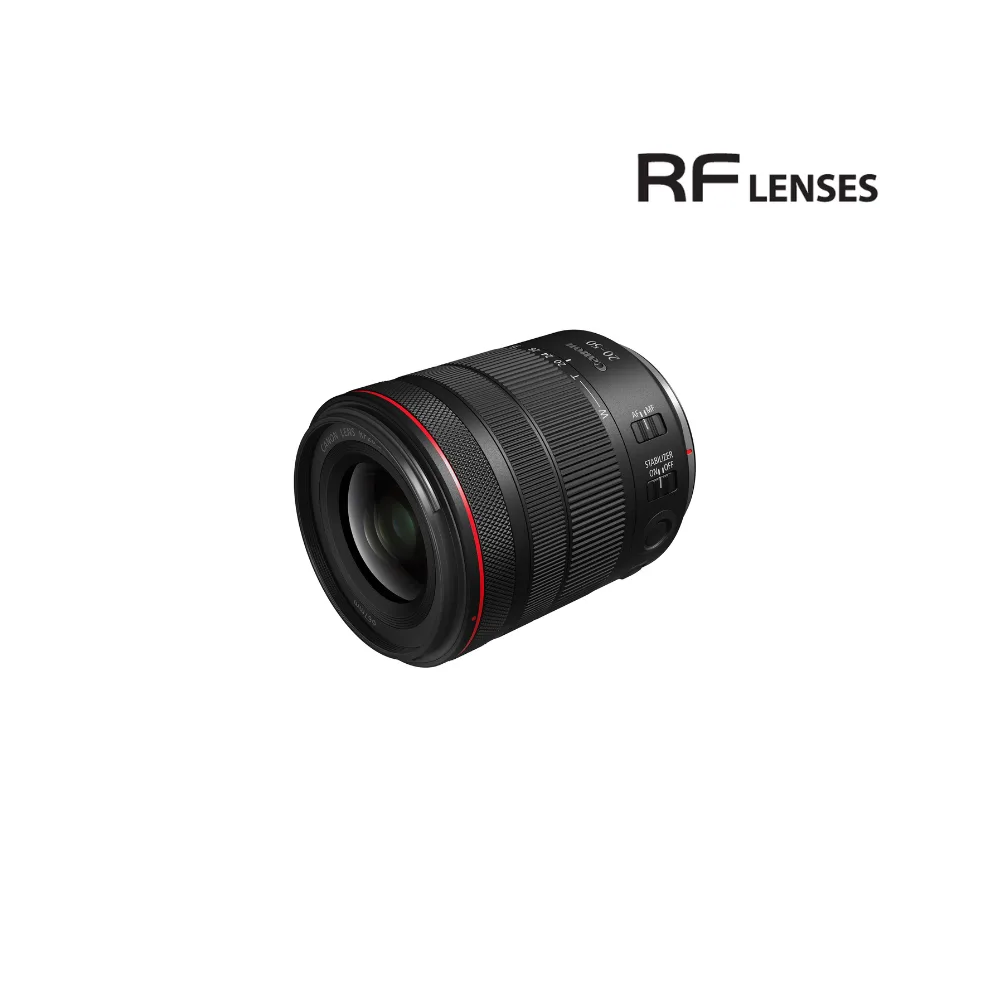
The RF20-50mm f/4L IS USM PZ is the first full-frame RF lens with integrated Power Zoom, giving smooth adjustable zoom speed for video. It also offers up to 8 stops of image stabilisation and a wider starting point. The trade-off is reach: 50mm does not replace 200mm for distant subjects, and the f/4 maximum aperture gathers less light than f/2.8. If your work is mostly handheld video or wide environmental portraits, the PZ is the more practical tool; if you need to isolate subjects from far away, the 70-200mm wins.
Price and value in Singapore
At the catalog price of USD 3168.43, the RF70-200mm f/2.8L IS USM sits in professional territory. The comparison price of USD 4729.00 reflects its position as a flagship zoom. In Singapore, check local promotions and bundle deals with EOS R bodies, because the lens rarely discounts heavily on its own. If the price is a stretch, consider whether you regularly shoot at 200mm; if not, the RF20-50mm f/4L IS USM PZ at USD 1313.78 covers a different, wider set of needs at less than half the cost.
Decision rules for buying the RF70-200mm f/2.8L IS USM
- You shoot events or portraits in low light: The constant f/2.8 aperture and 5-stop stabilisation let you keep shutter speeds up without pushing ISO to noisy levels. Buy it if most of your work is indoors or at dusk.
- You need one lens for both stills and video: The 70-200mm is a stills-first design. The RF20-50mm f/4L IS USM PZ adds power zoom and 8 stops of stabilisation, which is more useful for handheld video. Choose the PZ if video is your primary output.
- You are price-sensitive but need reach: At USD 3168.43, this is a long-term investment. If you rarely shoot past 100mm, a standard zoom or the RF20-50mm f/4L IS USM PZ at USD 1313.78 covers more of your everyday shots. Match the focal range to your actual shooting history, not to the spec sheet.
Key specs from the catalog
- RF70-200mm f/2.8L IS USM: Designed approximately 27% shorter and 28% lighter than the EF70-200mm f/2.8L IS III USM. You can carry it all day without the shoulder fatigue that made the EF version a tripod-only lens for some shooters.
- RF70-200mm f/2.8L IS USM: Image stabilisation of up to 5 shutter stops. Handheld shooting at slower shutter speeds becomes viable, which helps in low light and reduces the need to raise ISO.
- RF20-50mm f/4L IS USM PZ: First full-frame RF lens with integrated Power Zoom, providing smooth adjustable zoom speed. If you shoot video, this gives you broadcast-style zoom control that the 70-200mm does not offer.
- RF20-50mm f/4L IS USM PZ: Up to 8 stops of Image Stabilisation. For handheld video and stills in dim venues, the PZ can stay steady where the 70-200mm would need support.
Who should buy it
Best for
- Event and wedding photographers who need reach and speed in one lens
- Sports and action shooters who want a lighter alternative to the EF 70-200mm
- Portrait photographers who want compression and shallow depth of field at 200mm
Not for
- Video-first creators who need smooth power zoom and maximum stabilisation
- Travelers who mostly shoot wide and rarely go past 50mm
- Budget buyers who cannot justify a professional f/2.8 zoom