Quick answer
Choose the RF70-200mm f/2.8 L IS USM Z if you need maximum light gathering and cinematic bokeh for professional video or low-light sports. The RF70-200mm f/4L IS USM is lighter, more affordable, and ideal for travel and daytime shooting.
Aperture and low-light performance
The f/2.8 aperture of the RF70-200mm f/2.8 L IS USM Z lets in twice as much light as the f/4 lens, which is a decisive advantage in dim venues or when you want to freeze fast action. The wider aperture also gives you more control over depth of field, making it easier to separate a subject from a busy background.
If you mostly shoot outdoors in good light, the f/4 lens can still deliver sharp results and smooth backgrounds, but you will need to raise ISO or slow the shutter in darker conditions. That trade-off matters most for sports and event photographers who cannot control the light.
Image stabilization and handling
The RF70-200mm f/2.8 L IS USM Z offers up to 7.5 stops of image stabilization when paired with a compatible camera, which can make handheld telephoto shots remarkably steady. This helps in low light and reduces the need for a tripod in many situations.
The f/4 version is noticeably lighter and more compact, making it easier to carry all day or pack for travel. If you prioritize portability over maximum light, the f/4's smaller size is a practical advantage.
Price and value
The RF70-200mm f/2.8 L IS USM Z sits at a higher price point, reflecting its faster aperture and advanced iris control. The f/4 lens is more accessible, making it a sensible first L-series telephoto for enthusiasts.
Your budget and shooting frequency should guide the decision: if you earn income from sports or events, the f/2.8's performance may justify its cost. For hobbyists, the f/4 offers excellent quality without the premium price.
Trade-offs at a glance
- Light gathering: f/2.8 lets in twice as much light as f/4, giving you better performance in dim conditions and faster shutter speeds for action. If you often shoot indoors or at night, prioritize the f/2.8.
- Bokeh quality: The f/2.8 lens has an 11-blade circular aperture for smoother, rounder bokeh, while the f/4 lens still produces pleasing backgrounds but with less separation. For cinematic or portrait work, the f/2.8's bokeh is a clear advantage.
- Portability: The f/4 version is lighter and more compact, making it easier to carry for long shoots or travel. If weight is a concern, the f/4 is the more practical choice.
- Budget: The f/2.8 has a higher price (catalog price USD 2805.39 vs USD 4599.00 comparison price), while the f/4 is more affordable for enthusiasts. Set a budget first and weigh the performance gain against the cost.
Product facts
-
RF70-200mm f/2.8 L IS USM Z: The RF70-200mm f/2.8L IS USM Z features a wide f/2.8 aperture with an 11-blade circular design for cinematic bokeh. This creates smooth, round out-of-focus highlights that are ideal for filmmaking and portrait-style telephoto shots.
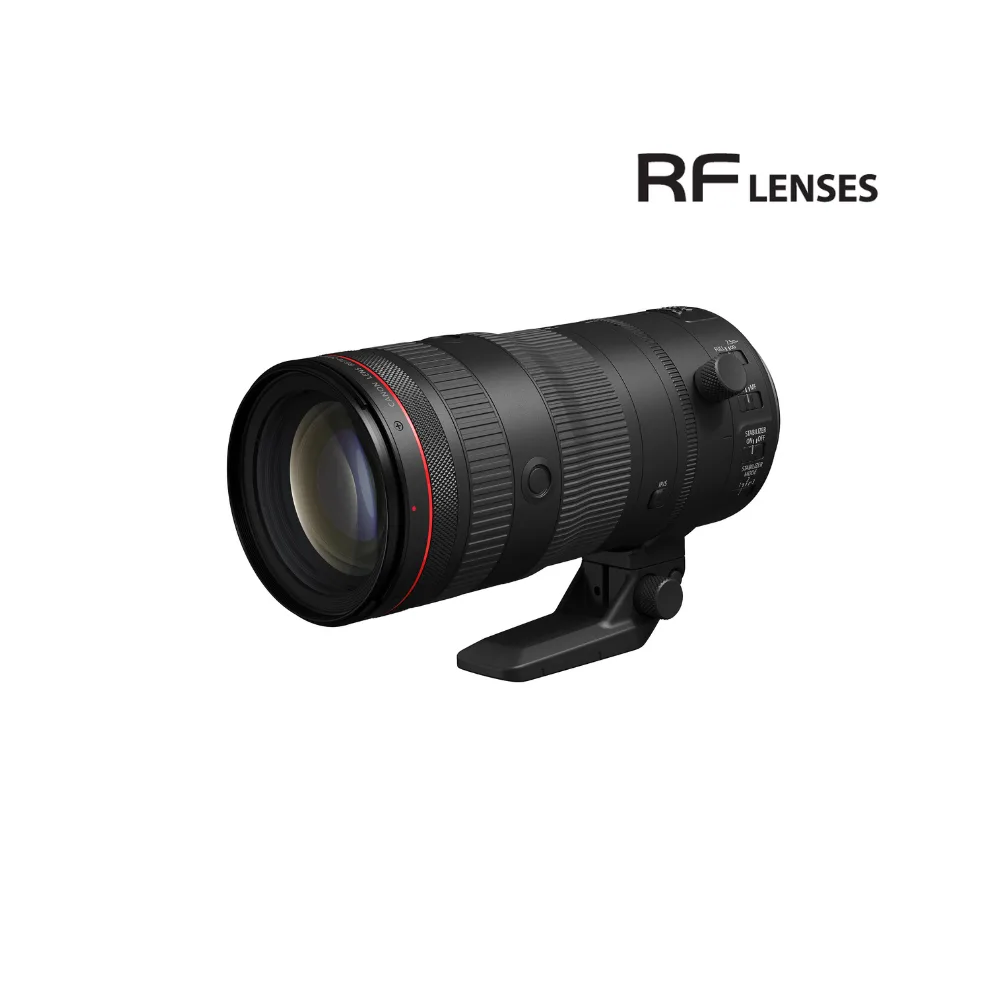
RF70-200mm f/2.8 L IS USM Z
-
RF70-200mm f/2.8 L IS USM Z: It offers up to 7.5 stops of image stabilization when paired with compatible cameras. You can shoot handheld at slower shutter speeds and still get sharp images, which is valuable in low light or when using a monopod.
Which lens fits you?
Best for
- Professional sports and event photographers who need maximum light and fast autofocus in low light.
- Filmmakers and videographers who want cinematic bokeh and iris control for creative expression.
Not for
- Travelers or hikers who prioritize a light kit and mostly shoot in daylight.
- Budget-conscious enthusiasts who want an L-series telephoto without the premium price.