Quick answer
If you regularly tap your cards or store contactless payment cards, an RFID wallet adds a real layer of protection against digital pickpocketing. Regular wallets remain perfectly fine if you rarely carry RFID-enabled cards or prefer a simpler, often slimmer design. The choice comes down to your daily risk and how much bulk you're willing to carry.
How RFID Skimming Works and Why It Matters
RFID (radio-frequency identification) chips are built into many modern credit cards, transit passes, and ID badges. When a scanner emits a radio signal, the chip responds with your card number and other data — no physical contact needed. Thieves can use a portable reader to trigger that response from a few inches away, even through fabric or a thin wallet. An RFID-blocking wallet contains a metallic lining or special material that blocks those radio waves, preventing unauthorized reads. For anyone who regularly uses contactless payments or stores multiple RFID-enabled cards, this protection can prevent a quick, silent theft.
Key Differences Between RFID and Regular Wallets
The main difference is the shielding layer. Regular wallets rely on leather, fabric, or synthetic materials that do not block radio frequencies. RFID wallets add a thin metal or carbon-fiber barrier inside the card slots or lining. This extra layer can make the wallet slightly thicker or less flexible, and may increase the price by a few dollars. On the plus side, you never have to worry about accidental scans, and the shielding does not interfere with your cards' normal use — you still tap to pay as usual when you take the card out.
When a Regular Wallet Still Makes Sense
If you rarely carry contactless cards — for example, you use a phone wallet or a chip-and-PIN card that you insert — the risk of RFID skimming is very low. Regular wallets are often lighter, more affordable, and available in a wider range of materials and colors. They also tend to have more traditional construction, which some people find easier to slide cards in and out. The trade-off is that you give up a security feature you might never need, but you also avoid the small extra cost and bulk.
Trade-Offs to Consider
- Security vs. simplicity: RFID wallets add a protective layer that regular wallets lack. If you rarely use contactless cards, that extra layer is unnecessary weight and cost. Match the wallet type to your actual card usage.
- Material and feel: RFID-blocking materials can make a wallet slightly stiffer or thicker. Regular wallets often feel more supple and can be made from a wider range of fabrics. Try both types in hand to see which texture you prefer.
- Price and warranty: RFID wallets typically cost a few dollars more than similar non-RFID models. Some, like the Iris Wallet 2nd Gen, include a 6-month warranty that regular wallets may not offer. Factor in the warranty if long-term durability matters to you.
RFID Wallet Options at Iris & Rainbow Boutique
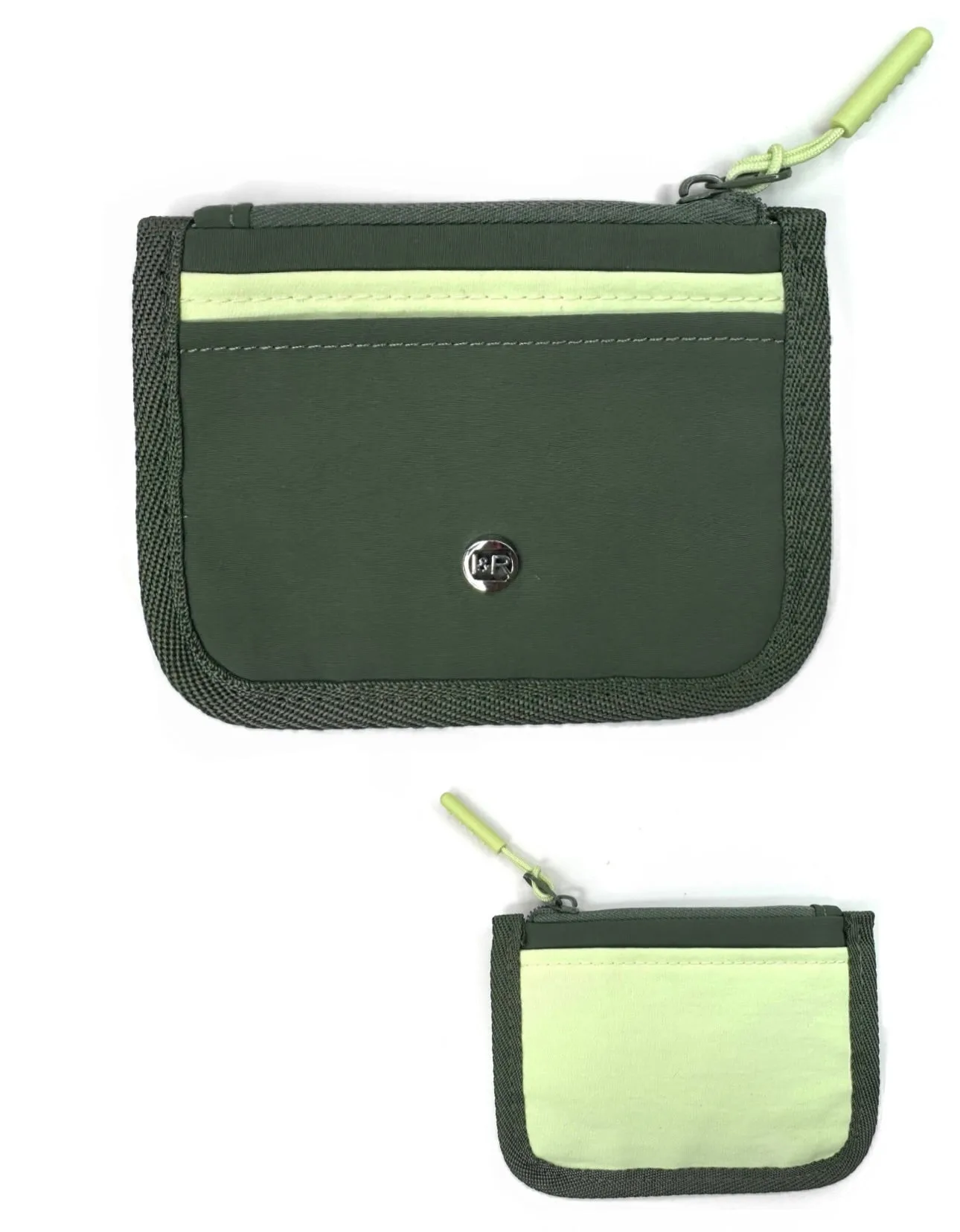
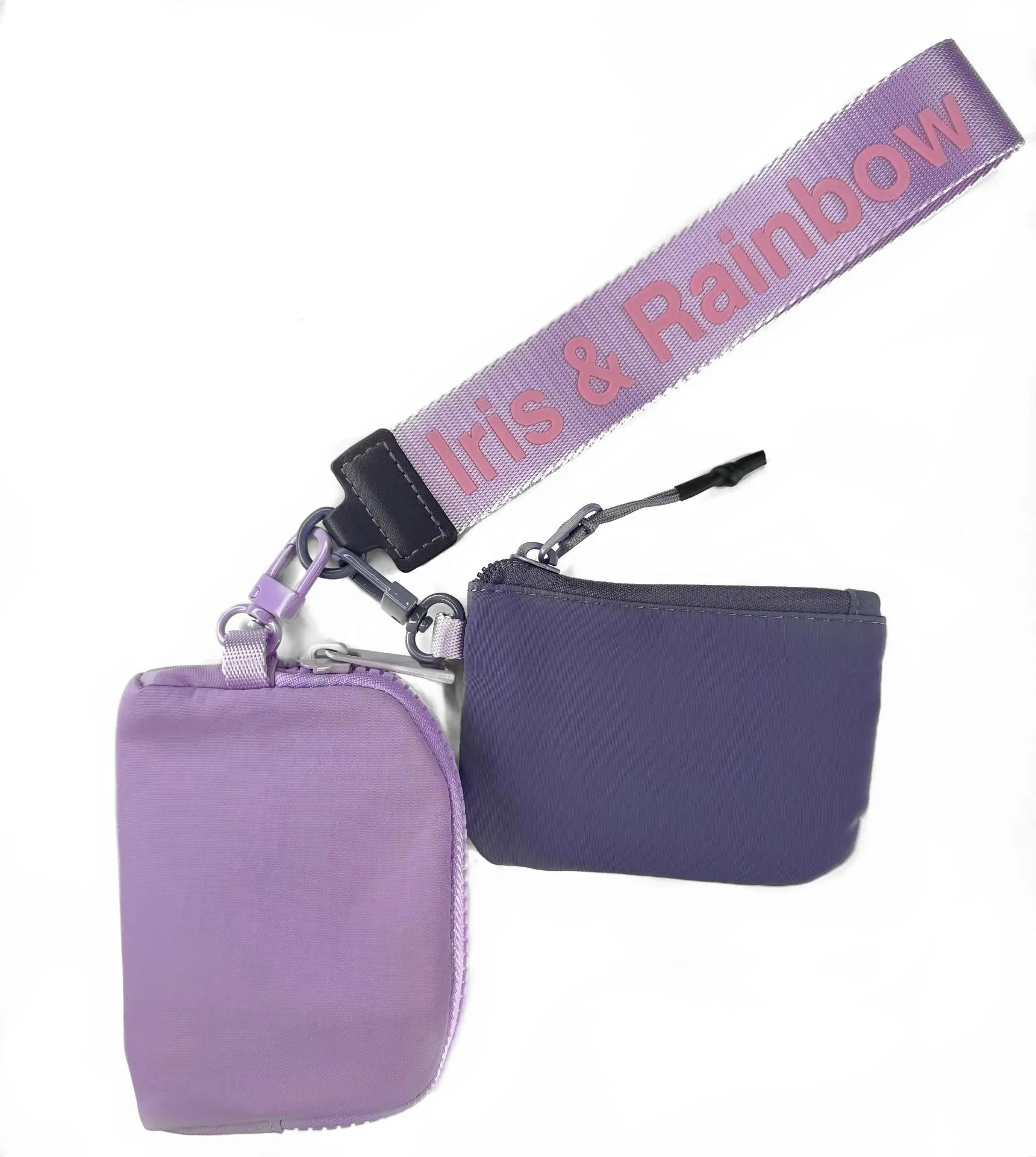
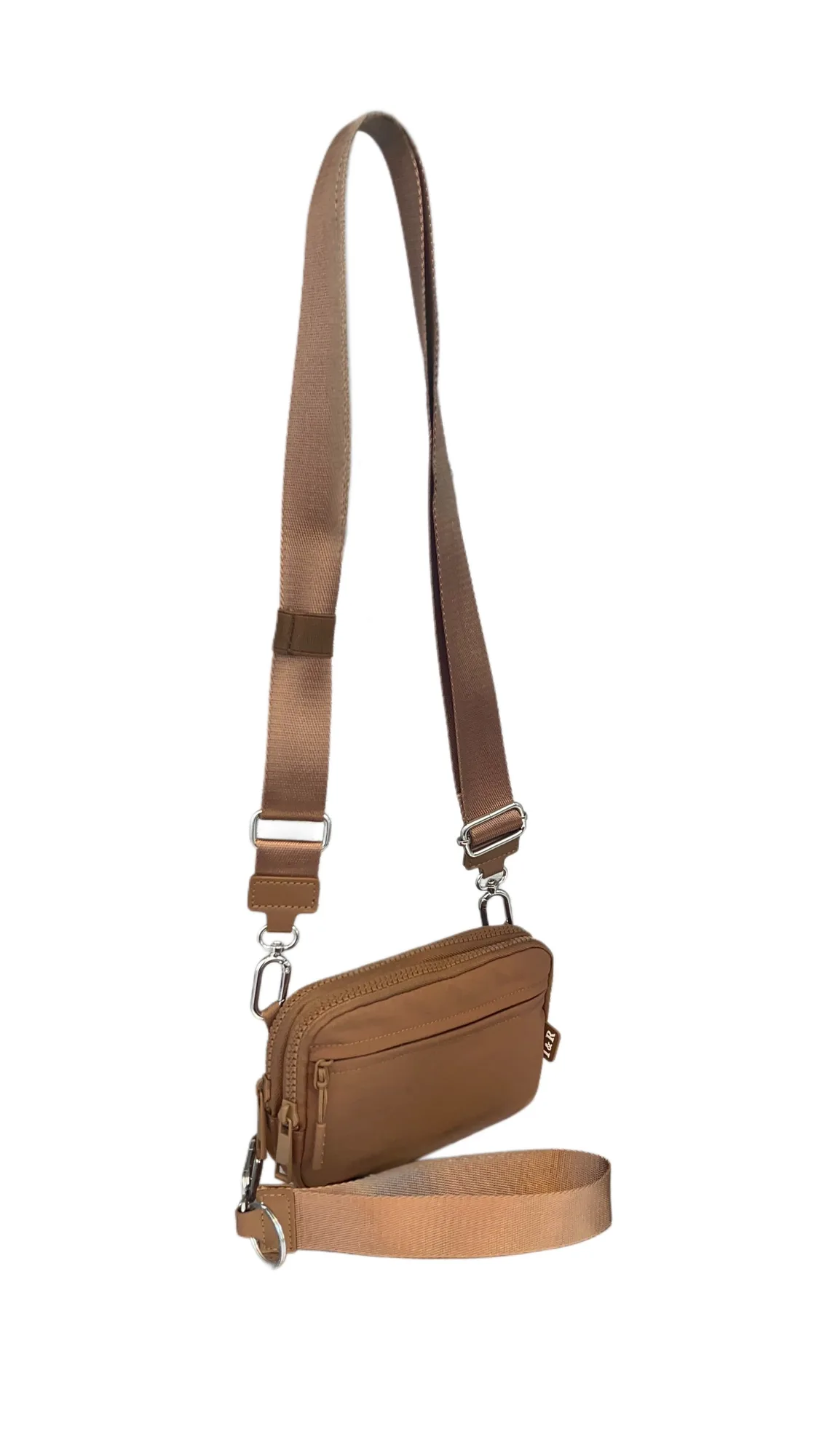
- Iris Wallet 2nd Gen RFID (#8036-2) Minimalist Wallets - By Iris & Rainbow: The Iris Wallet 2nd Gen RFID features RFID-blocking technology, a wristlet strap for hands-free convenience, a plastic zipper that is lighter and less prone to rust, plus multiple card slots and a bill compartment. It comes with a 6-month warranty. This wallet combines RFID protection with a detachable wristlet, so you can carry it as a clutch or a small crossbody. The plastic zipper keeps the weight down, and the warranty gives peace of mind.
- The Iris Faux Leather RFID Wallet (#PU8036) - By Iris & Rainbow: The Iris Faux Leather RFID Wallet has a high-quality faux leather design, RFID protection, a small front zipper with RFID technology, and a main compartment zipper with card slots. If you prefer a classic leather look without animal products, this wallet offers RFID security in a stylish, structured design. The dual-zipper layout keeps your cards organized and accessible.
Which Wallet Fits Your Life?
Best for
- Commuters who tap transit cards or use contactless payments daily
- Travelers who pass through crowded areas where digital theft is more common
- Anyone who wants the peace of mind that comes with RFID protection
Not ideal for
- Minimalists who carry only one or two cards and prefer the thinnest possible wallet
- People who exclusively use chip-and-PIN cards and never tap to pay
- Shoppers on a very tight budget who want the lowest possible price