Stress is an unavoidable part of modern life. From demanding jobs to family responsibilities, chronic stress can take a toll on your energy, focus, and overall well-being. While there's no magic pill to eliminate stressors, certain natural compounds can help your body adapt and respond more resiliently. One such adaptogen is rhodiola rosea, a herb that has been used for centuries in traditional medicine and is now backed by modern research.
In this guide, we'll explore how rhodiola rosea works to combat stress, what the science says about its effectiveness, and what you can realistically expect when adding it to your wellness routine. Whether you're new to adaptogens or looking to deepen your understanding, this article will provide clear, actionable insights.
What Is Rhodiola Rosea?
Rhodiola rosea, also known as Arctic root or golden root, is a perennial plant that thrives in cold, high-altitude regions of Europe and Asia. For centuries, it has been used in traditional medicine to increase physical endurance, reduce fatigue, and improve mental performance. Today, it's classified as an adaptogen—a natural substance that helps the body resist stressors of various kinds, whether physical, chemical, or biological.
The active compounds in rhodiola, primarily rosavins and salidroside, are believed to be responsible for its stress-modulating effects. These compounds interact with key pathways in the body, influencing neurotransmitter levels and the stress response system.
- Rhodiola is an adaptogen, meaning it helps your body adapt to stress rather than simply masking symptoms.
- The herb has a long history of traditional use in Scandinavia and Russia for fatigue and stamina.
How Rhodiola Works: The Mechanism Behind Stress Relief
Rhodiola's stress-relieving effects are primarily attributed to its influence on the hypothalamic-pituitary-adrenal (HPA) axis, the central stress response system. When you encounter stress, your body releases cortisol, a hormone that prepares you for 'fight or flight.' Chronic stress can lead to dysregulation of this system, resulting in elevated cortisol levels, fatigue, and burnout.
Research suggests that rhodiola helps modulate the HPA axis, reducing the excessive release of cortisol and other stress hormones. It also influences neurotransmitters like serotonin and dopamine, which play key roles in mood regulation. By balancing these chemical messengers, rhodiola can help improve mood, reduce feelings of stress, and enhance mental clarity without the sedative effects of some other calming herbs.
- Rhodiola may help lower cortisol response to stress, promoting a calmer state.
- It supports healthy neurotransmitter balance, which can improve mood and focus.
What to Expect When Taking Rhodiola for Stress
If you're considering adding rhodiola to your routine, it's important to have realistic expectations. Unlike some anti-anxiety medications that work within minutes, rhodiola's effects are subtle and build over time. Many users report feeling a noticeable difference in their stress levels and energy within a few days to a couple of weeks of consistent use.
Common benefits include reduced feelings of mental fatigue, improved focus and concentration, and a greater sense of calm during stressful situations. Some people also find that rhodiola helps with physical endurance and recovery, making it a popular choice for athletes. However, individual responses can vary, and factors like dosage, quality of the supplement, and your baseline stress levels all play a role.
- Give it at least two weeks to assess how it works for you.
- Consider taking rhodiola in the morning or early afternoon to avoid interfering with sleep.
- Pair it with a healthy lifestyle—good sleep, nutrition, and exercise—for best results.
Choosing a Quality Rhodiola Supplement
When shopping for a rhodiola supplement, quality matters. Look for products that specify the concentration of rosavins and salidroside, as these are the active compounds. A standardized extract with at least 3% rosavins and 1% salidroside is a good benchmark. Also, consider the form—capsules, gummies, or tinctures—and choose one that fits your lifestyle.
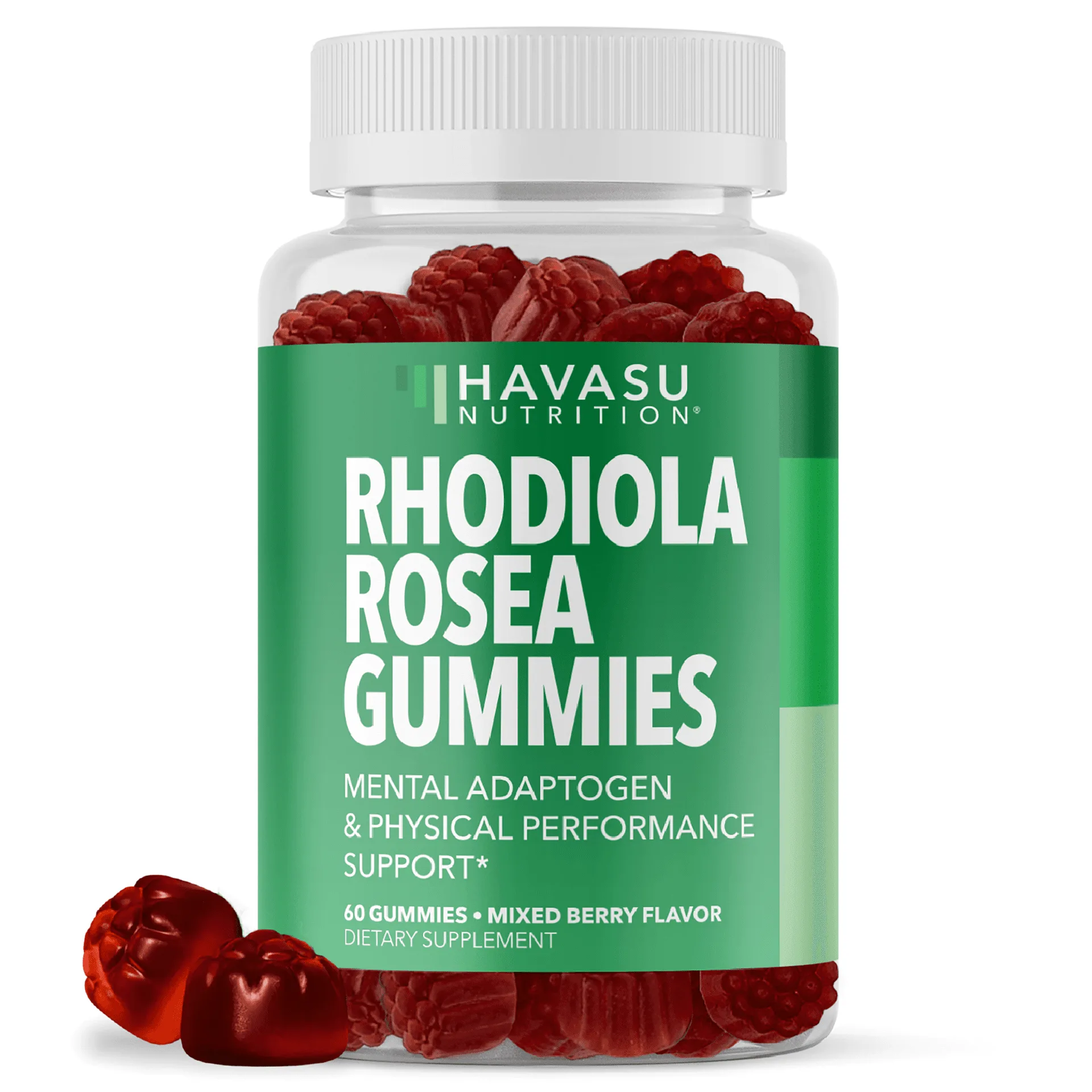
At Havasu Nutrition, we offer Rhodiola Rosea Gummies, 60ct, a convenient and tasty way to incorporate this adaptogen into your daily routine. Each gummy delivers a precise dose of rhodiola extract, making it easy to stay consistent. For those who prefer a broader adaptogenic approach, our Maca Root Gummies, 60ct combine the stress-supporting benefits of maca, another adaptogen, with a delicious berry flavor.
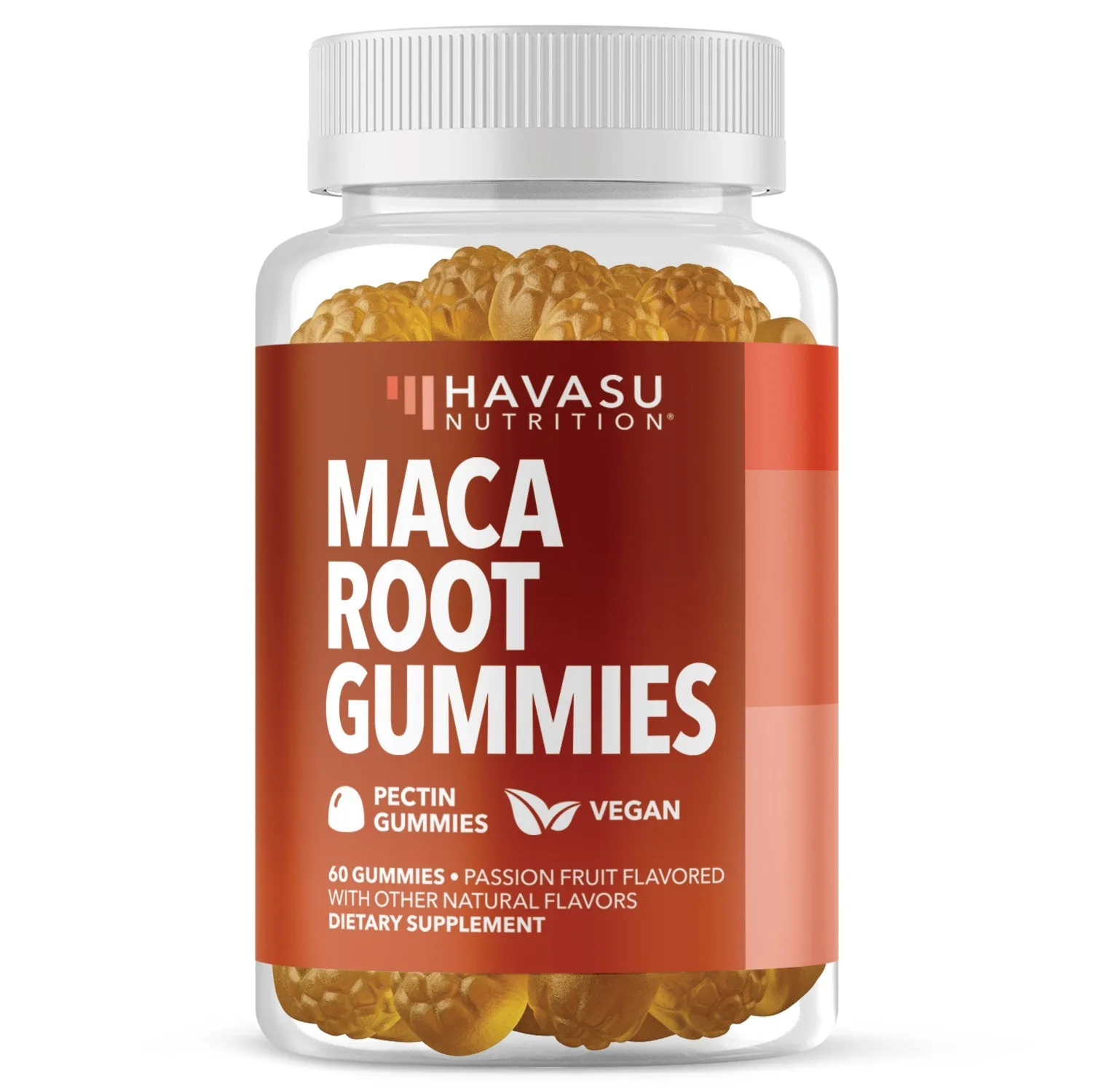
Maca Root Gummies, 60ct
- Check the label for standardized extract percentages.
- Choose a form you'll actually remember to take—gummies are a great option for many.
Potential Side Effects and Precautions
Rhodiola is generally well-tolerated, but some people may experience mild side effects such as dizziness, dry mouth, or insomnia, especially if taken in high doses or too late in the day. It's always wise to start with a lower dose and gradually increase as needed. If you're pregnant, nursing, or taking medication for blood pressure, diabetes, or mental health conditions, consult your healthcare provider before starting any new supplement.
While rhodiola is a powerful ally in stress management, it's not a substitute for addressing the root causes of chronic stress. Combining it with mindfulness practices, regular exercise, and adequate sleep will yield the most significant benefits.
- Start with a low dose to assess tolerance.
- Avoid taking rhodiola late in the day to prevent sleep disruption.
- Talk to your doctor if you have underlying health conditions.
Rhodiola rosea offers a natural, science-backed approach to managing stress and supporting mental resilience. By understanding how it works and what to expect, you can make an informed decision about whether it's right for you. If you're ready to try it, explore our Rhodiola Rosea Gummies and take the first step toward a calmer, more focused you.