Quick answer
A rice cooker wins on consistency and hands-off cooking, while stovetop rice gives you more control over texture and browning. If you want fluffy rice every time with minimal attention, choose a rice cooker. If you prefer to adjust heat and doneness on the fly and don't mind watching the pot, stovetop works well. Your choice comes down to how much you value repeatability versus manual control.
Consistency: The Biggest Practical Difference
The main trade-off is repeatability. A rice cooker uses a thermal sensor to detect when the water has been absorbed and the temperature rises above boiling, then switches to keep-warm. That means you can walk away and come back to the same result each time, provided you start with the right ratio. On the stovetop, you control the heat, the lid, and the timing. You can get excellent rice, but you also have to pay attention, and small variations in burner strength or pot thickness can change the outcome.
For beginners, the rice cooker removes the guesswork. You measure rice and water, press a button, and the machine handles the rest. Stovetop cooking rewards practice, but it also demands that you learn your stove's quirks. If you want fluffy rice every time without hovering over the pot, the rice cooker is the more reliable path.
Taste and Texture: What Actually Changes
Taste differences between rice cooker and stovetop rice are usually subtle. Both methods produce steamed, separated grains when done right. The stovetop can create a slightly firmer bottom layer or a light toast on the grains if you cook longer over low heat, which some people prefer for certain dishes. A rice cooker tends to produce a more uniform texture from top to bottom because the heat is consistent and the unit switches to keep-warm automatically.
If you are comparing rice cooker vs pot taste, the bigger variable is the rice itself and the water ratio, not the appliance. A long-grain basmati will be fluffy in either method; a short-grain sushi rice will be stickier in both. The cooker's advantage is that it hits the same target every time, so you can dial in your preferred texture once and repeat it.
Water Ratio: The One Number You Need to Get Right
The standard starting point for long-grain white rice is 1 part rice to 1.5 parts water by volume. For short-grain or sushi rice, use 1 part rice to 1.25 parts water. Brown rice needs more: about 1 part rice to 2 parts water. These ratios work in both a rice cooker and a pot, but the cooker's sealed environment loses less water to evaporation, so you may need slightly less liquid than you would on the stovetop.
If your rice comes out too firm, add a tablespoon or two of water and cook a few minutes longer. If it's too soft, reduce the water next time by the same amount. Keep a note on your fridge or phone for the ratio that works with your specific rice and your specific cooker or pot. Once you have that number, both methods become predictable.
Effort, Cleanup, and Counter Space
A rice cooker takes up counter space but saves active cooking time. You rinse the inner pot, add rice and water, press start, and walk away. Most inner pots are nonstick and easy to clean, and some are dishwasher-safe. The trade-off is the footprint and the extra appliance on your counter.
Stovetop rice uses a pot you already own, so there's no extra storage or counter cost. But you have to stay nearby, adjust the heat, and time the finish. Cleanup is similar, though a stainless steel pot may need a short soak if rice sticks. If you cook rice several times a week, the cooker's hands-off nature often outweighs the space it takes.
When a Rice Cooker Is Worth It
A rice cooker is worth it if you eat rice multiple times a week, want consistent results without monitoring, or often cook rice while preparing other dishes. It's also helpful for meal prep because you can set it and forget it while you focus on the main course. For beginners, it removes the fear of scorching or undercooking rice.
If you only make rice once or twice a month, or if you have limited storage and already get good results from a pot, you may not need a dedicated appliance. The stovetop method costs nothing extra and gives you full control. The right choice depends on how often you cook rice and how much you value convenience over manual control.
Trade-offs at a glance
- Consistency vs control: A rice cooker delivers the same texture every time with minimal attention. Stovetop lets you adjust heat and time for a firmer or softer result, but you have to monitor it. Choose the cooker for repeatability, the pot for manual control.
- Convenience vs counter space: A rice cooker saves active cooking time but occupies counter or cabinet space. A pot uses what you already own but requires you to stay in the kitchen. If you cook rice often, the space is usually worth it.
- Water ratio precision: Both methods need the right ratio, but a rice cooker's sealed environment loses less water, so you may need slightly less liquid than on the stovetop. Start with 1:1.5 for long-grain, then adjust by a tablespoon.
Products that support either method
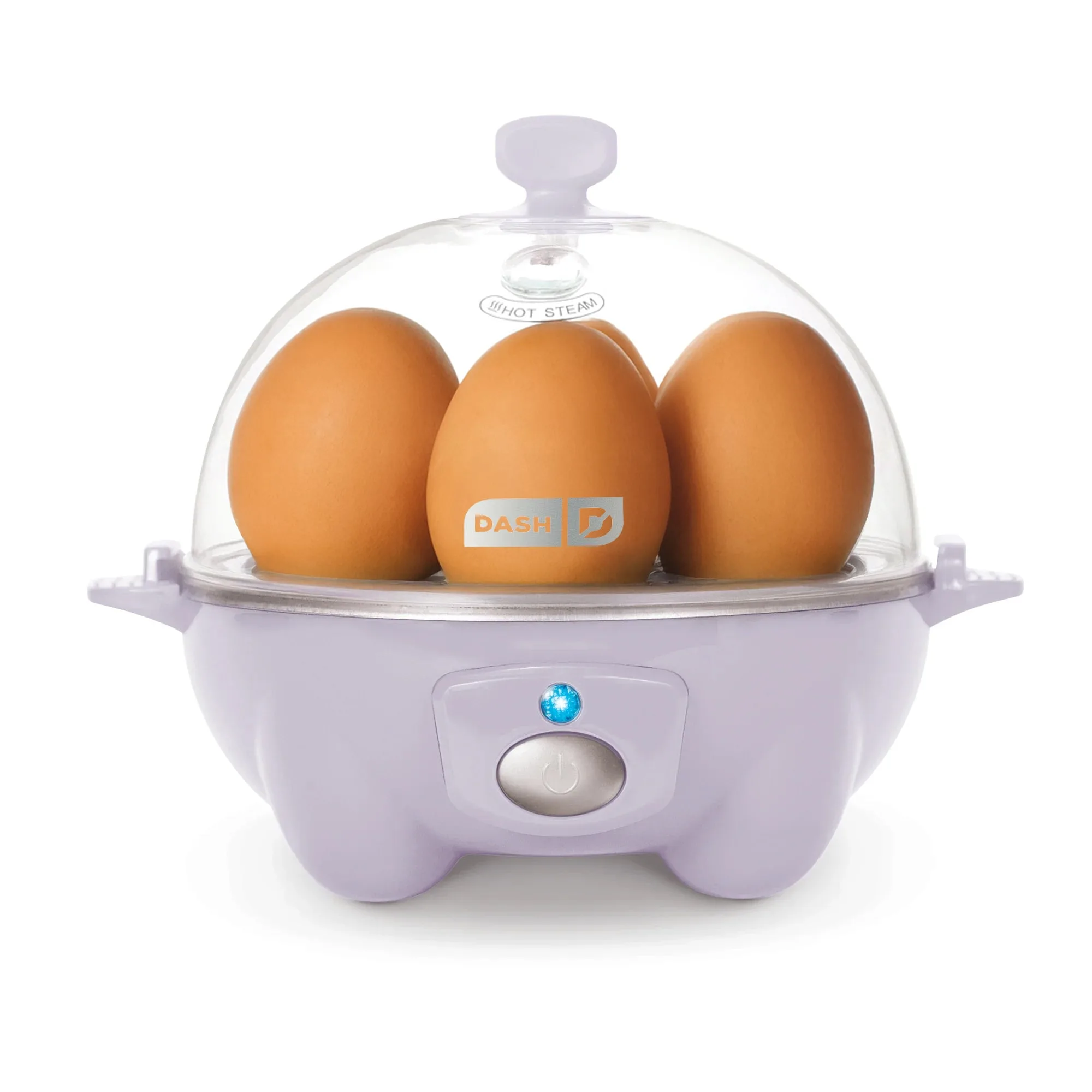
- Rapid Egg Cooker: In less time than it takes to boil water on the stove, hard or soft boil up to 7 eggs, poach 2 eggs, or make an omelette with all your favorite ingredients. If you are already using a rice cooker for hands-off cooking, this egg cooker adds the same set-and-forget convenience for breakfast and meal prep.
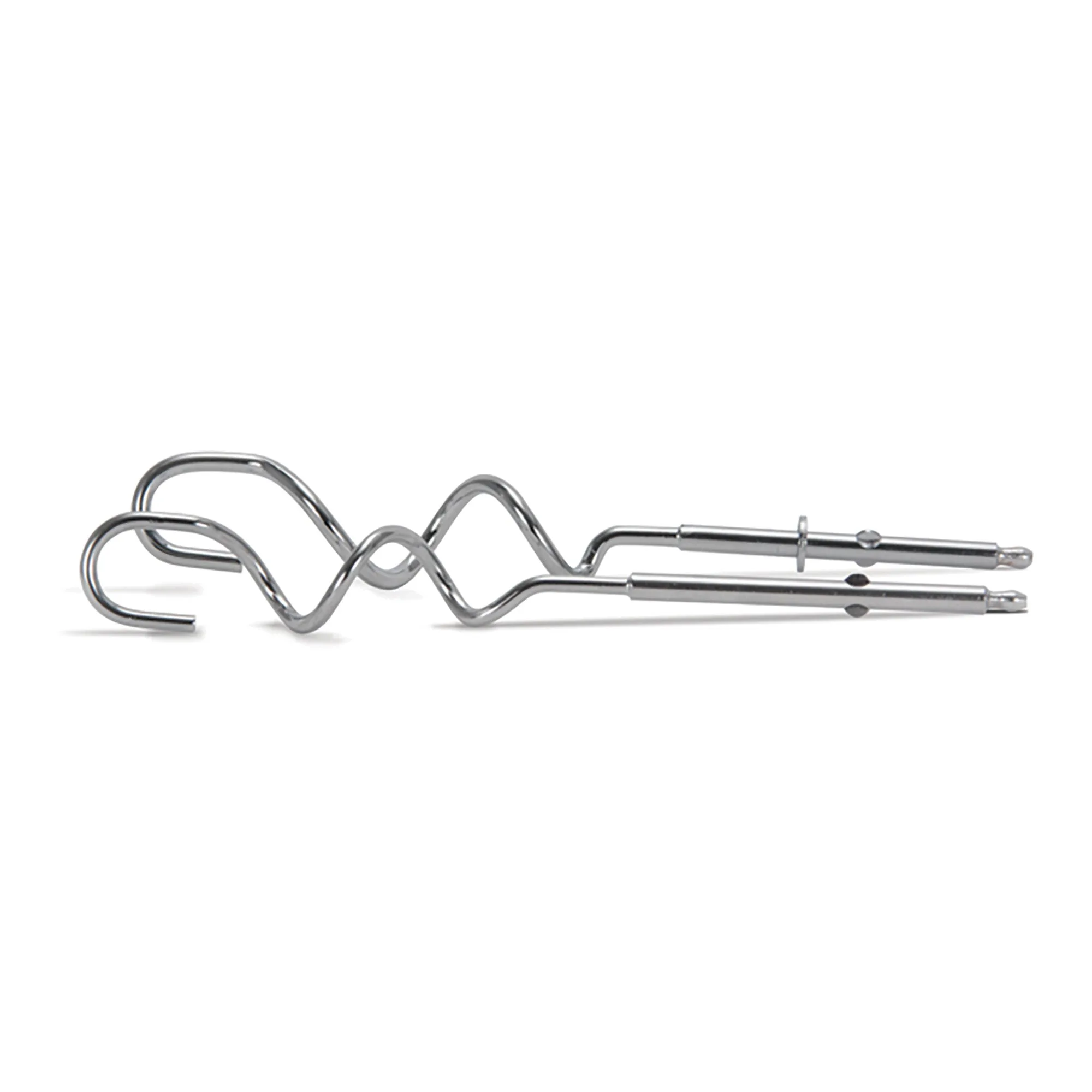
- Everyday Stand Mixer Dough Hooks: Compatible with your Dash Everyday Stand Mixer, these Dough Hooks make it easy to knead bread, pizza, and pasta doughs with smooth, consistent results. If you cook rice as a side for homemade bread or pizza, these hooks help you prep dough while the rice cooks, saving active time.
Which method fits you?
Best for
- People who cook rice several times a week and want consistent, hands-off results
- Beginners who want fluffy rice every time without learning stovetop timing
- Meal preppers who want to set rice and focus on other dishes
Not for
- Occasional rice cooks with limited counter space who already get good results from a pot
- Cooks who want to adjust heat and doneness manually for a specific texture