Quick answer
For most toddlers 12 months and up, choose a ride-on that starts as a rocker or walker and converts to a scooter or caster board as balance improves. Prioritize a low seat height, waterproof foam or wipe-clean surfaces, and a weight limit that matches your child. If you only buy one, pick a convertible model so it stays useful for more than a season.
Ride-on toys are one of the few purchases that can support a toddler from first steps through preschool hallway laps. The trick is knowing what changes as your child grows and which features actually matter at each stage.
This guide walks through age ranges, safety checks, and the trade-offs between rocking ride-ons, scooters, and walkers. It also shows how two Nuby foam ride-ons fit different toddlers and homes, so you can decide with clear expectations instead of guesswork.
Match the ride-on to your toddler's stage, not just their age
Age labels are a starting point, not a guarantee. A 12-month-old who is pulling to stand may be ready for a low rocker, while a 20-month-old who still wobbles needs a walker-style ride-on with a wide base. Watch for three signs: your child can get on and off with minimal help, they can hold a handle or seat edge, and they can stop themselves by putting feet down.
If your child is still learning to sit upright without support, a ride-on is not the right first toy. Wait until they can sit and pivot independently, then start with a stationary rocker or a push-along walker before anything with wheels that roll freely.
- Check the manufacturer's age minimum and weight limit before buying.
- Test the seat height: your child's feet should touch the floor or footrest comfortably.
- Choose a ride-on with a low center of gravity so tipping is less likely.
Rocker, scooter, or caster board: what each one does well
A rocking ride-on toy builds balance and core strength while staying in one place, which makes it a good fit for small apartments or rooms with carpet. A scooter-style ride-on adds forward motion and steering practice, but it needs more open floor space and closer supervision. A caster board sits between the two, letting a child shift weight side to side to move.
Convertible ride-ons solve the problem of outgrowing a single-mode toy. They typically start as a rocker for a 12-month-old and switch to a scooter or caster board as balance improves. The trade-off is that conversion mechanisms add a step for parents, and some models are heavier than single-purpose ones.
- Measure your longest clear stretch of floor before choosing a scooter or caster board.
- If storage is tight, pick a rocker or a convertible that folds or stacks.
- Look for tool-free conversion if you plan to switch modes often.
Ride-on toy safety: the checks that matter most
Most ride-on injuries happen from tipping, falling off, or collisions with furniture. A stable base, a seat that keeps your child centered, and a handle they can grip are the three features that reduce risk. Avoid ride-ons with sharp edges, exposed screws, or small parts that can loosen over time.
Supervise every ride, especially on hard floors. Keep the path clear of stairs, pet bowls, and low tables. Check the ride-on weekly for cracks, loose wheels, or worn grips, and stop using it if any part feels unstable.
- Use ride-ons on flat, dry surfaces; avoid stairs and sloped driveways.
- Helmets are not typically required for low foam ride-ons, but they are smart for faster scooters.
- Wipe foam surfaces with a damp cloth instead of soaking them.
Materials and floors: why foam changes the equation
Foam ride-ons are lighter than wood or plastic, which makes them easier for a toddler to move and less likely to dent baseboards or scratch hardwood. Waterproof EPP foam also wipes clean, so spills and sticky fingers are less of a problem. The trade-off is that foam can be punctured by sharp toys or pet claws, so it needs a quick visual check now and then.
Wooden ride-ons feel more solid and often double as walkers, but they are heavier and can be noisier on hard floors. Plastic ride-ons are durable and easy to clean, but they can be slippery and louder when bumped. Match the material to your floor type and your tolerance for noise.
- Foam is best for hardwood, tile, and apartments with downstairs neighbors.
- Wood is a good fit for carpeted playrooms and families who want a walker combo.
- Plastic works well outdoors but check for UV fading over time.
How to test a ride-on before you commit
If you can, let your child try the ride-on in the store or at a friend's house. Watch how they mount it, whether they can reach the handle, and whether they can get off without help. A ride-on that is too tall or too wide will sit unused, no matter how many features it has.
If you are buying online, read the weight limit and assembled dimensions carefully. Compare the seat height to your child's inseam, and check the return policy in case the fit is wrong. A ride-on that fits well on day one is more likely to be used daily.
- Bring your child's measurements if you cannot try the ride-on in person.
- Check whether assembly is required and what tools you will need.
- Confirm the return window before ordering a ride-on online.
Decision rules for buying a toddler ride-on
- If your child is 12–18 months and still wobbling: Choose a rocker or walker-style ride-on with a wide base and low seat. Avoid free-rolling scooters until they can stop themselves with their feet. Start with stability, not speed.
- If your child is 18–30 months and steady on their feet: A convertible ride-on that switches from rocker to scooter gives you the longest useful life. Check that conversion is tool-free if you will switch often. Convertible models usually replace two purchases.
- If you have hardwood floors or downstairs neighbors: Pick a waterproof EPP foam ride-on. It is lighter, quieter, and less likely to scratch floors than wood or hard plastic. Foam is the low-noise, low-damage choice.
- If storage space is tight: Measure your closet or corner first. A single convertible ride-on takes less space than a separate rocker and scooter. One convertible beats two single-purpose toys.
- If your child is over the weight limit or height range: Stop using the ride-on and move to a larger model. Do not modify a ride-on to extend its use. Weight and height limits are safety limits, not suggestions.
Product facts that matter for this decision
- Rock 'N Ride | Blue: 3-in-1 design transforms from rocker to scooter to caster board in seconds with no tools; made from lightweight, waterproof EPP foam; for 12+ months. One purchase covers rocking, scooting, and caster play as balance improves, and the foam is soft on floors and easy to wipe clean.
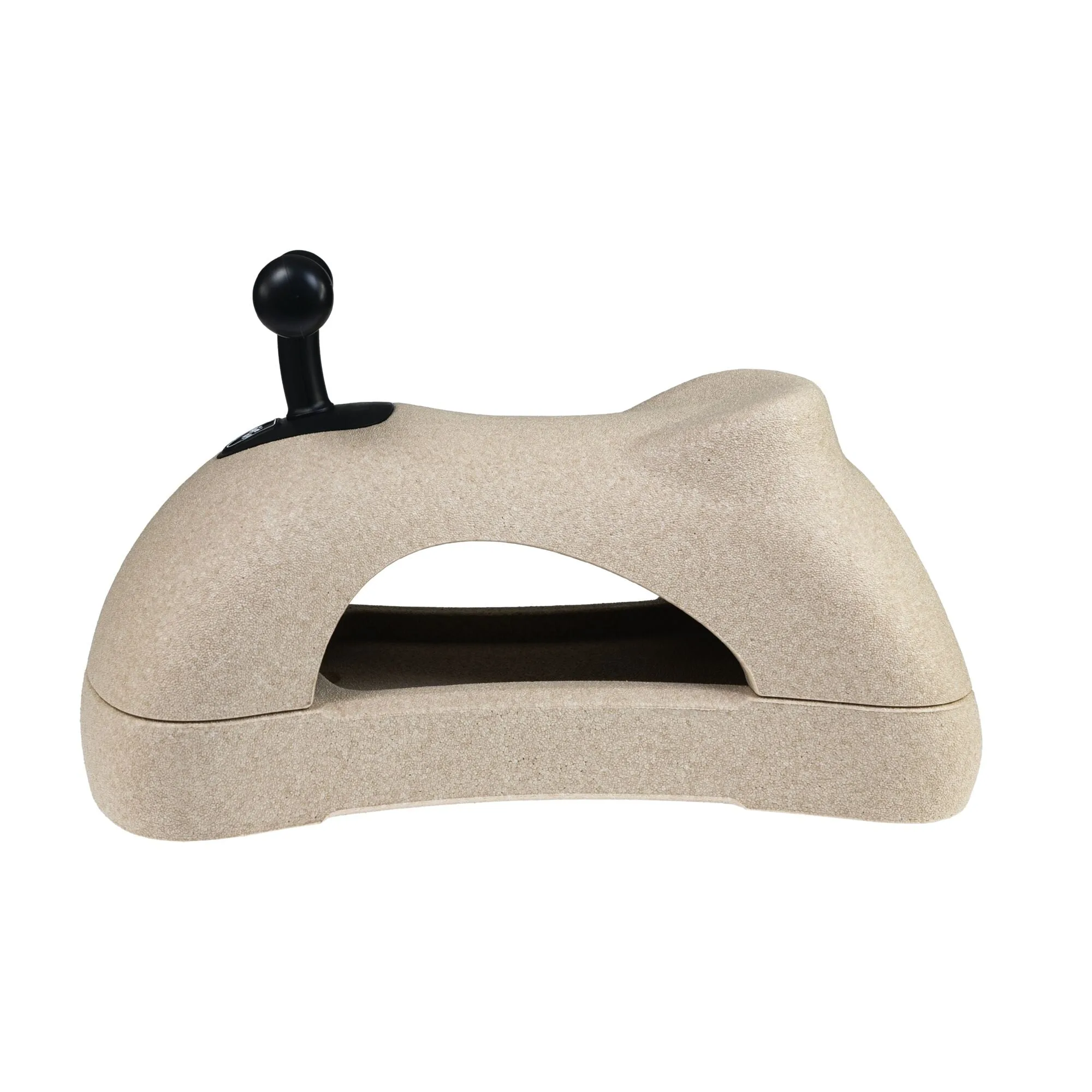
- Boogie Buggy | Beige: 3-in-1 scooter, walker, and caster board made of ultra-durable, waterproof EPP foam; lightweight and easy to wipe clean; for 12+ months. The walker mode supports first wobbly steps, then converts to scooter and caster board, so it stays useful as your toddler gains confidence.
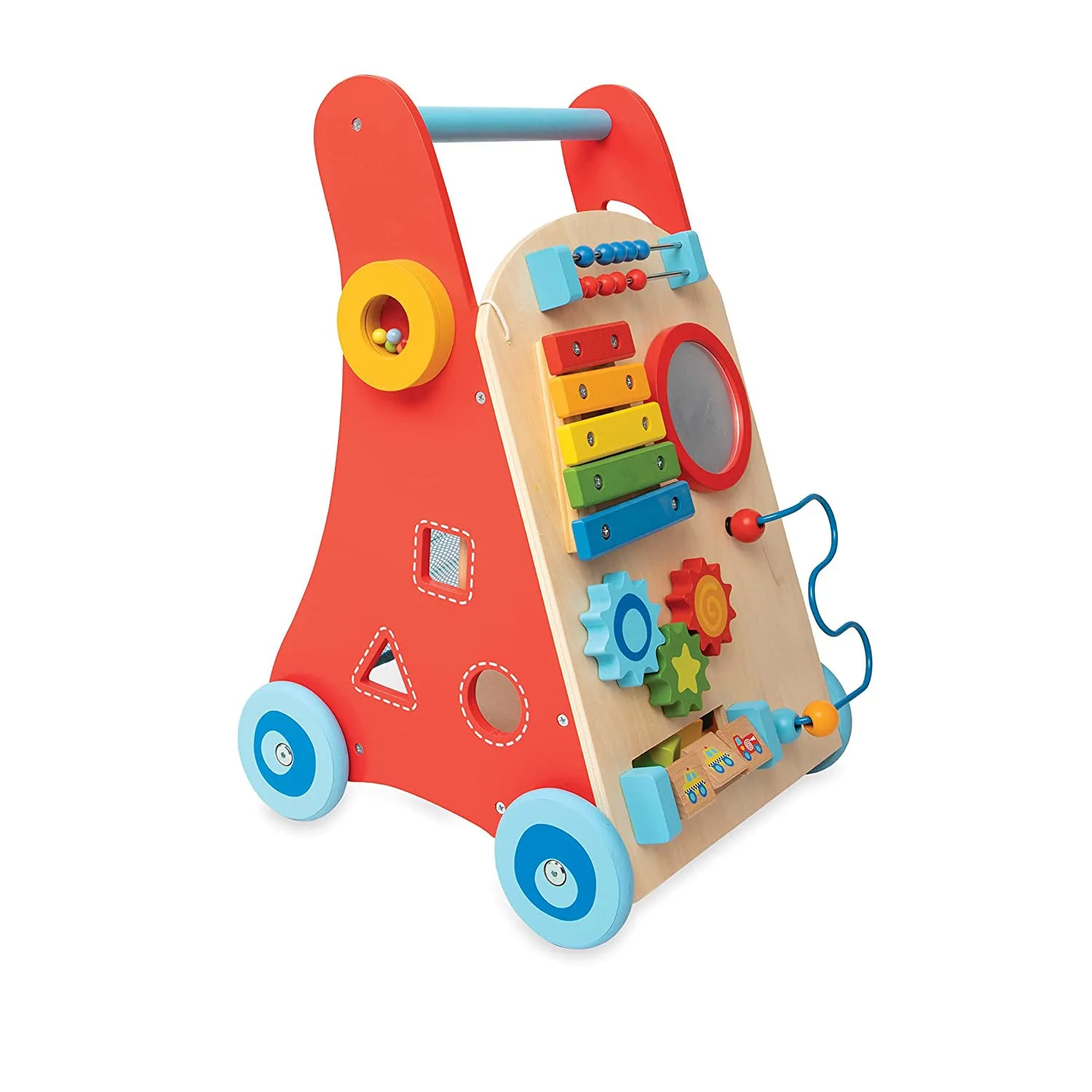
- Wooden Baby Walker: Push and pull function encourages first steps by providing sturdy support for little hands; designed to build confidence and independence. A good alternative if your priority is walking support rather than riding, especially on carpet where a wooden base feels stable.
- Kids' Ball Pit for Home with 200 Balls | Aqua: Soft but sturdy walls offer security when babies sit upright; light and easy to move; sleek modern design. Not a ride-on, but a useful indoor active-play option for the same 12-month-plus stage when you want contained movement without wheels.
Who this ride-on advice fits
Best for
- Parents of toddlers 12 months and up who want one ride-on that grows through rocking, walking, and scooting stages.
- Families with hardwood floors, apartments, or downstairs neighbors who need a quieter, floor-friendly option.
- Shoppers comparing a rocking ride-on toy against a scooter or walker and wanting clear trade-offs.
Not for
- Children who cannot yet sit upright independently or who are under the manufacturer's minimum age.
- Families looking for outdoor ride-ons for uneven pavement, gravel, or sloped driveways.
- Parents who want a pedal-powered or battery-operated ride-on; this guide covers manual, toddler-powered models.
Buy the ride-on that matches your child's current balance and your home's floors, then let it convert as they grow. A stable rocker or walker-style model for a 12-month-old, and a convertible foam ride-on for an 18-month-old, will get more daily use than a faster scooter they are not ready to control.