Quick answer
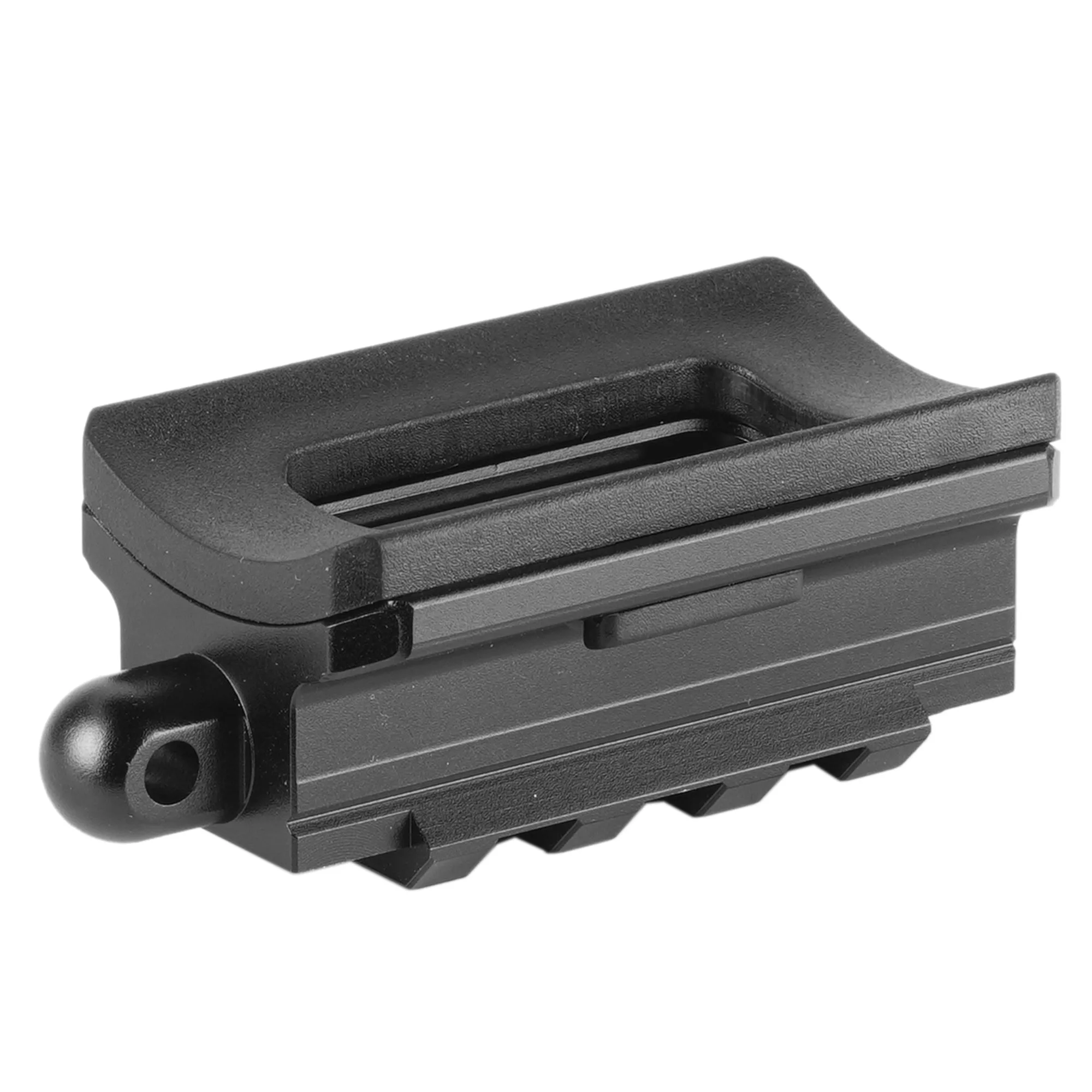
For a traditional rifle with a sling stud, attach a sling swivel directly to the stud. If you want to run a Picatinny bipod or other rail accessories, fit a sling stud to Picatinny adapter such as the Endeavor Sling Stud to Picatinny Rail Adapter; this gives you a solid rail without drilling new holes. Whichever route you choose, keep the sling on the underside of the stock and tighten every connection before you shoulder the rifle.
Why your mounting choice affects more than just carry comfort
A rifle sling does two jobs: it lets you carry the rifle safely and, when used as a shooting sling, it steadies your aim. The mounting point decides how well it does both. Sling studs are the traditional standard and work with almost any quick-detach (QD) swivel. Picatinny rails, originally a military scope-mounting system, now also accept selected rifle supports such as bipods and quick-release adapters. If you already have a rail, you can often attach a sling with a rail-mounted swivel or a QD adapter. If you only have a sling stud, you can either stay with a swivel or add a rail adapter to unlock rail accessories. The trade-off is simple: studs are lighter and cheaper, rails are more versatile but add a small amount of bulk and cost.
Tools and parts you actually need
You do not need a workshop for this. A correctly sized screwdriver for your stock screws, a pair of pliers for tightening swivels, and a clean cloth are enough. If you are adding a Picatinny adapter, check whether it includes mounting hardware; the Endeavor Sling Stud to Picatinny Rail Adapter is designed to fit to a sling stud, so you reuse the existing stud rather than drilling. For a rail that is already on the rifle, you only need a sling swivel or QD adapter that matches the rail width. Avoid using thread-locking compound on sling studs unless the manufacturer specifies it; it can make later removal difficult.
Step-by-step rifle sling setup
- 1. Identify your mounting points: Look at the underside of the stock. A sling stud is a small metal post with a hole or slot; a Picatinny rail is a flat, notched metal strip. If you have both, decide which you will use for the sling and which for accessories. If you only have a stud and want to run a rail-mounted bipod, plan to add an adapter. Checkpoint: the sling should mount on the underside of the stock, never on the side, to avoid rolling the rifle when you carry it.
- 2. Choose your attachment method: For a sling stud, use a quick-detach swivel that matches the stud size. For a Picatinny rail, use a rail-mounted sling swivel or a QD adapter. If you are adding a rail to a stud, fit the adapter first, then attach the sling to the adapter. Do not mix thread sizes; most sling swivels are 1-inch or 1.25-inch, so measure the stud or rail slot before buying. Common mistake: buying a swivel that is too wide for the stud, which causes the sling to rattle or slip.
- 3. Install the adapter or swivel: If you are fitting a sling stud to Picatinny adapter, slide it over the stud and tighten the locking screw or nut until it is snug. Do not overtighten; you can crush the stud or strip the threads. If you are attaching a swivel directly to a stud, press the plunger, slide the swivel onto the stud, and release the plunger so it locks into the stud's hole or groove. Test by pulling firmly. Checkpoint: the adapter or swivel must not rotate or slide when you pull the sling; if it moves, stop and re-tighten or add a washer.
- 4. Thread the sling and set length: Run the sling through the swivel or adapter according to the manufacturer's diagram. For carry, set the length so the rifle hangs at hip height with the muzzle down and the stock clear of your leg. For a shooting sling, shorten it so you can loop your support arm through and create tension without the rifle feeling cramped. Mark the length with tape or a knot so you can repeat it. Common mistake: setting the sling too long for shooting, which forces you to hunch and reduces stability.
- 5. Check sling position and clearance: Shoulder the rifle in your normal shooting stance. The sling should sit flat against your arm or hand, not twist around the stock. If you have a bipod on the same rail, make sure the sling and bipod do not interfere when the bipod is deployed or folded. Adjust the sling's rotation on the swivel so the buckle or loop is not digging into your shoulder. Checkpoint: with the rifle mounted, you should be able to work the bolt or action without the sling catching.
- 6. Final tighten and field test: Go through every connection: stud, adapter, swivel, and sling buckle. Tighten anything that has worked loose. Then carry the rifle for a few minutes, dry-fire from a supported position, and check that nothing shifts. If you added a Picatinny adapter, confirm it does not interfere with the rifle's balance or your hand position. Next step: re-check tightness after your first range session; vibration and recoil can loosen new fittings.
Products that solve common mounting problems
- Endeavor Sling Stud to Picatinny Rail Adapter: The Picatinny Rail system originated in the military to fit rifle scopes securely, but has since evolved to cover more uses, and is now used to attach selected rifle supports such as the EQ-Precision Picatinny Bipods and the Endeavor LDA Arca to Picatinny quick release system. Many firearms already include a Picatinny rail, but in case this is not included, the Vanguard Endeavor Picatinny Rail Quick shoe... If your rifle has a sling stud but no rail, this adapter lets you add a Picatinny interface without drilling, so you can use rail-mounted bipods or QD sling hardware.
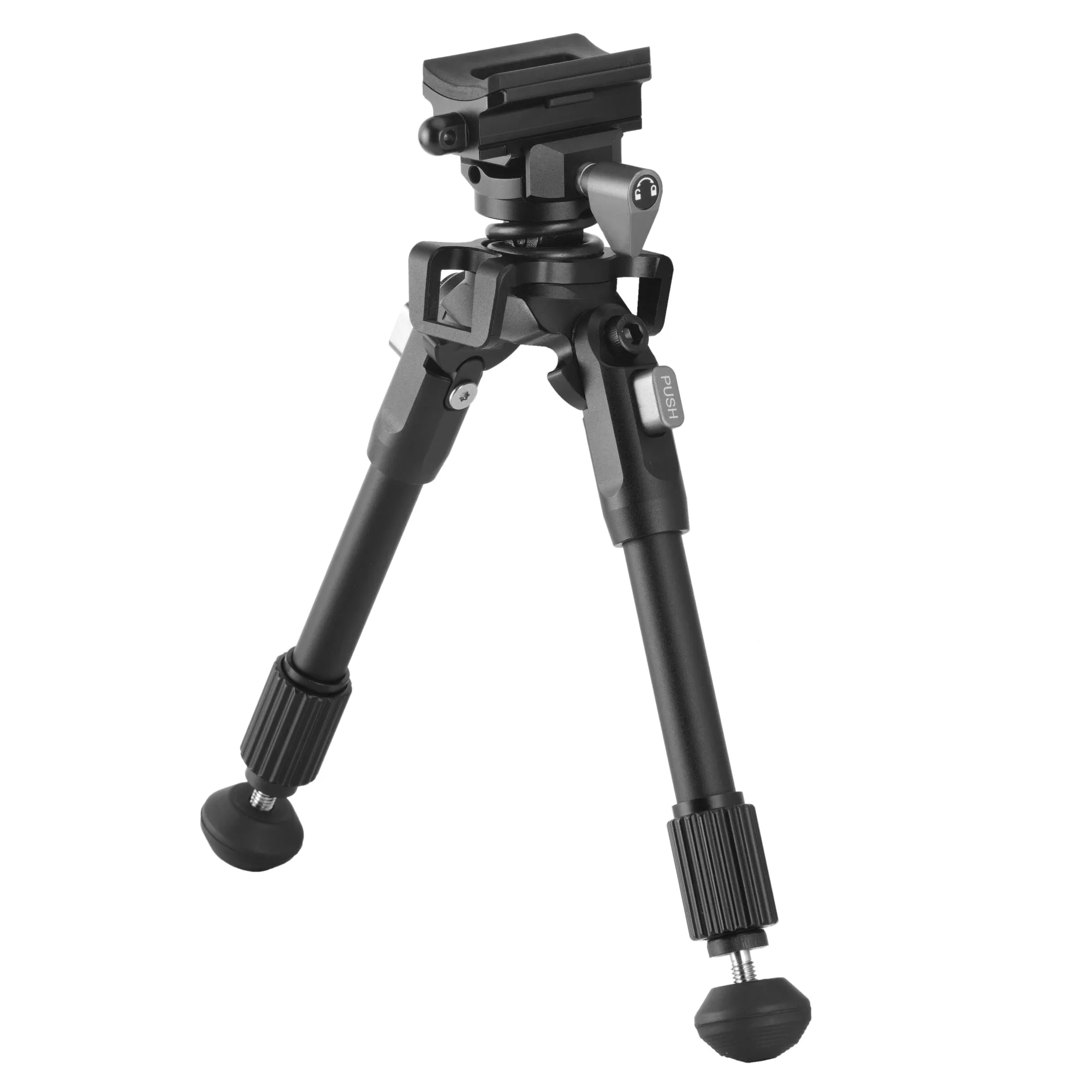
- EQUALIZER 1QS A Removable Aluminium Bipod - 8-10.5": Compact and lightweight, the aluminium EQUALIZER 1QS A is ideal for those wanting a pivoting bipod that can be easily attached or removed from the rifle with the Picatinny Rail System. The bipod comes with an Endeavor Pic Rail that is fitted to the sling stud of your rifle. You then simply attach/remove the bipod to this rail as needed (or you can connect it directly to your rifle without the rail provided if it has... This bipod includes a rail that mounts to a sling stud, so you can add a stable shooting support and still use a sling on the same stud if you plan the layout carefully.