Quick answer
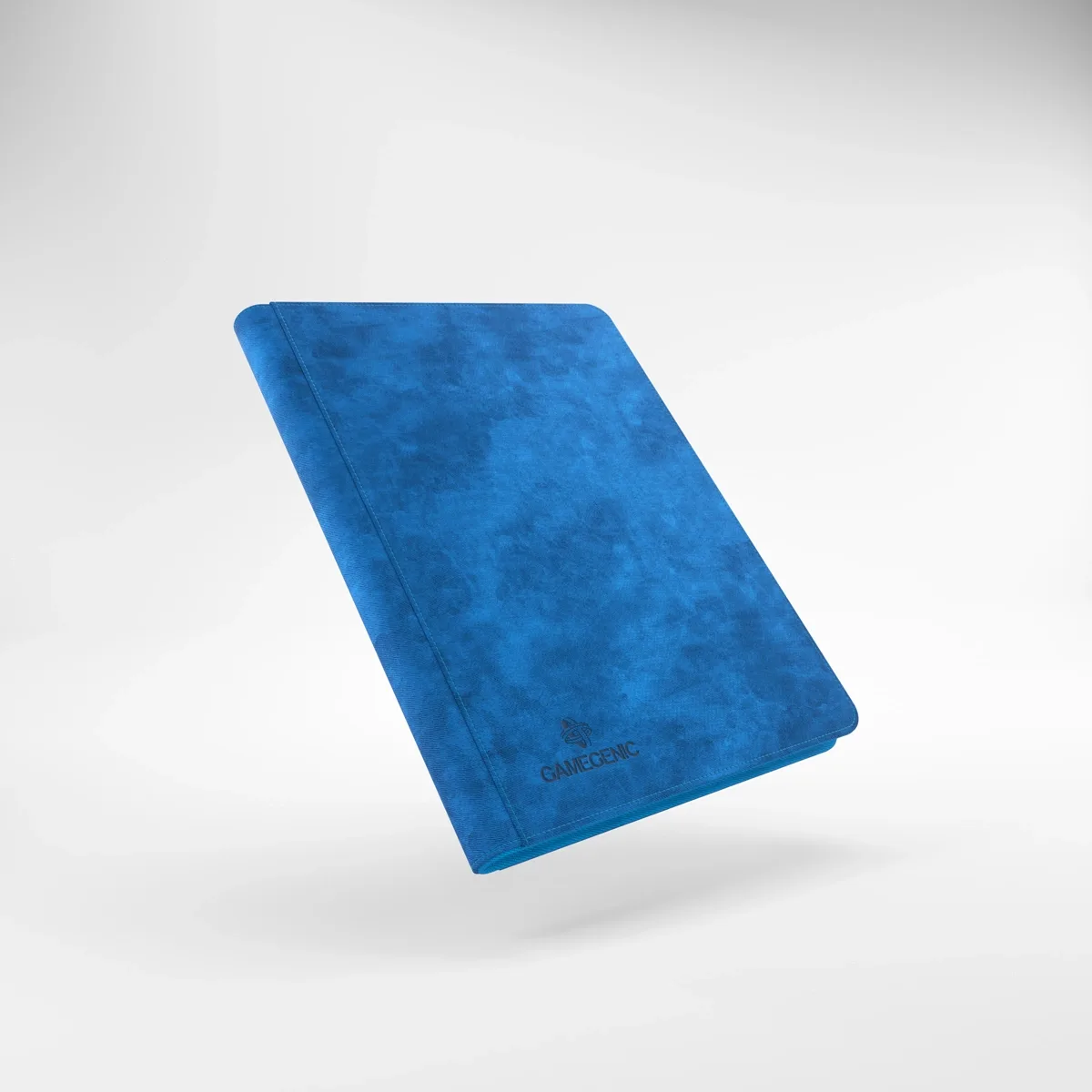
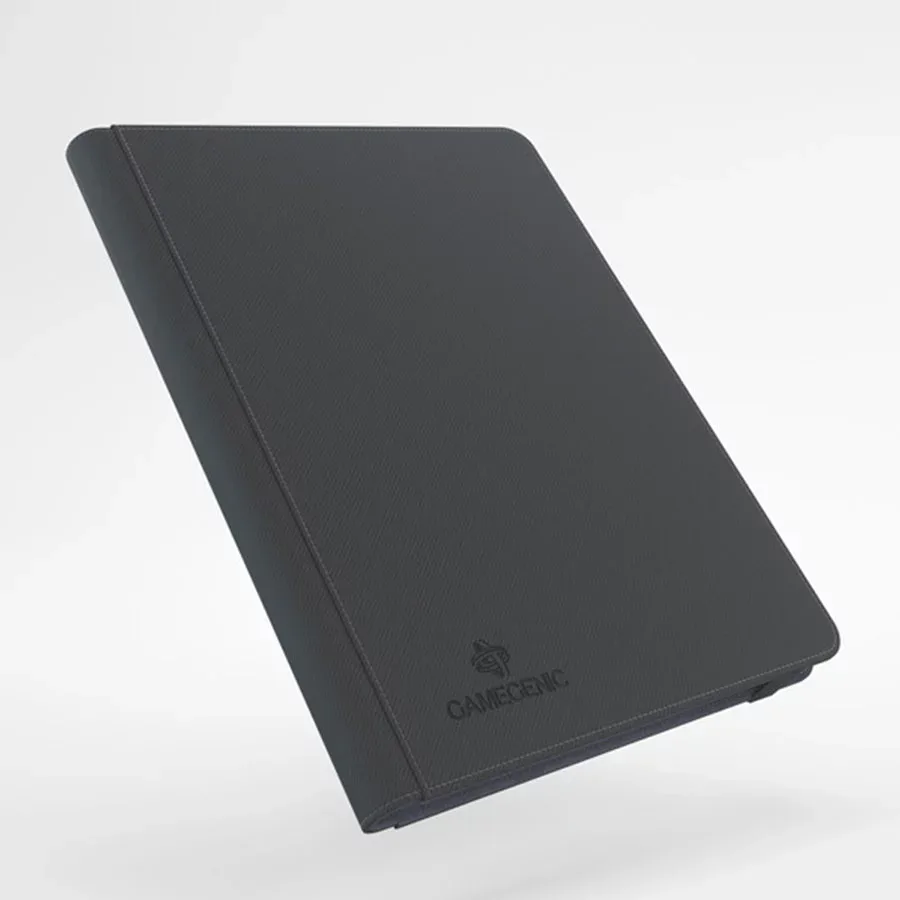
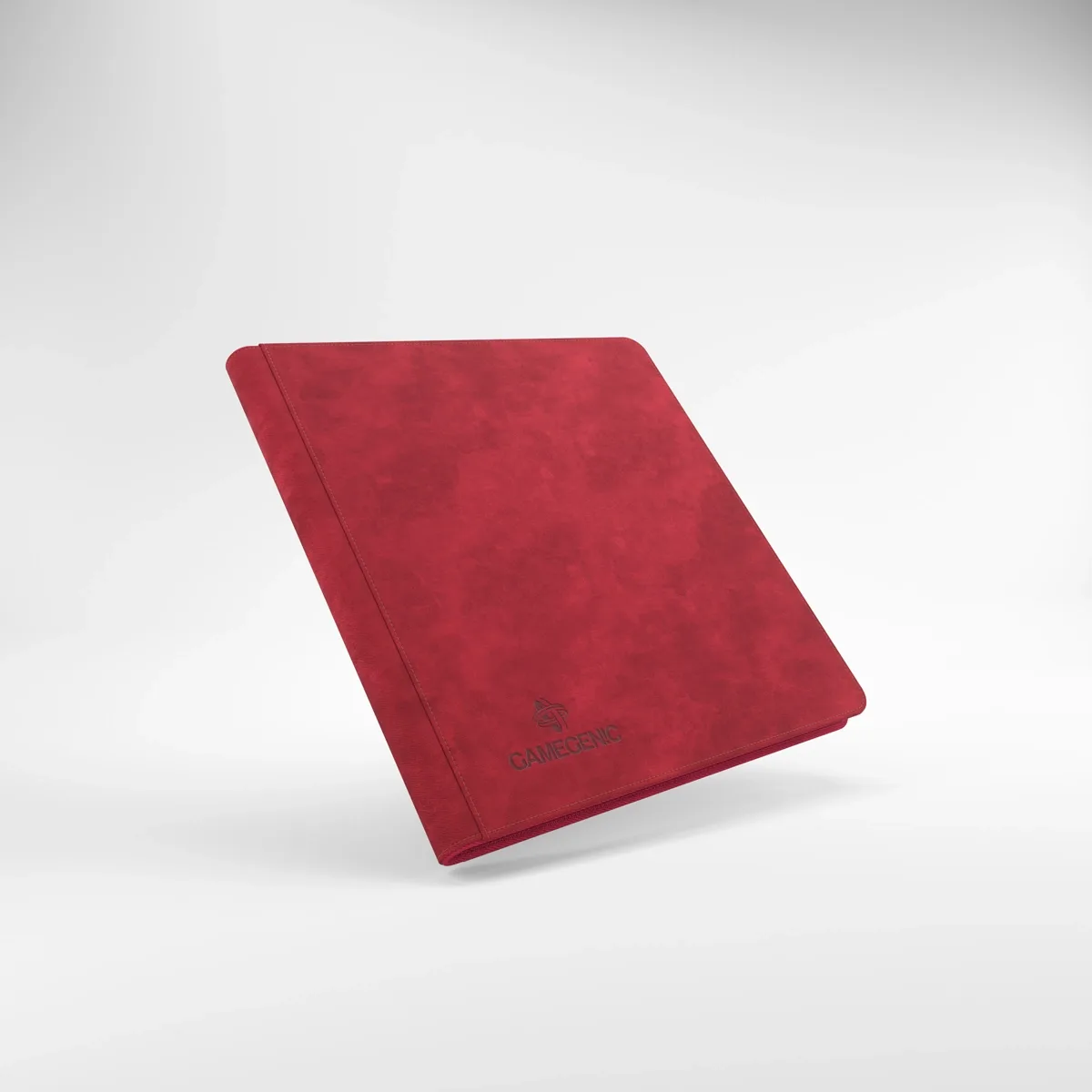
Choose a zip-up album if you carry cards often, want full enclosure against dust and moisture, and prefer fixed pages that cannot bend or snag. Choose a ring binder if you need to add, remove, or reorder pages freely, store oversized or odd-sized items, and keep the binder mostly at home. Neither is universally better—your travel habits and collection size decide.
Protection: what actually keeps cards safe
A zip-up album's main advantage is the zipper closure, which surrounds the pages and reduces exposure to dust, crumbs, and accidental spills. Because the pages are permanently bound, there is no ring mechanism to press against card edges or cause the page to shift. If you have ever seen a card bent by a misaligned ring, you know why this matters.
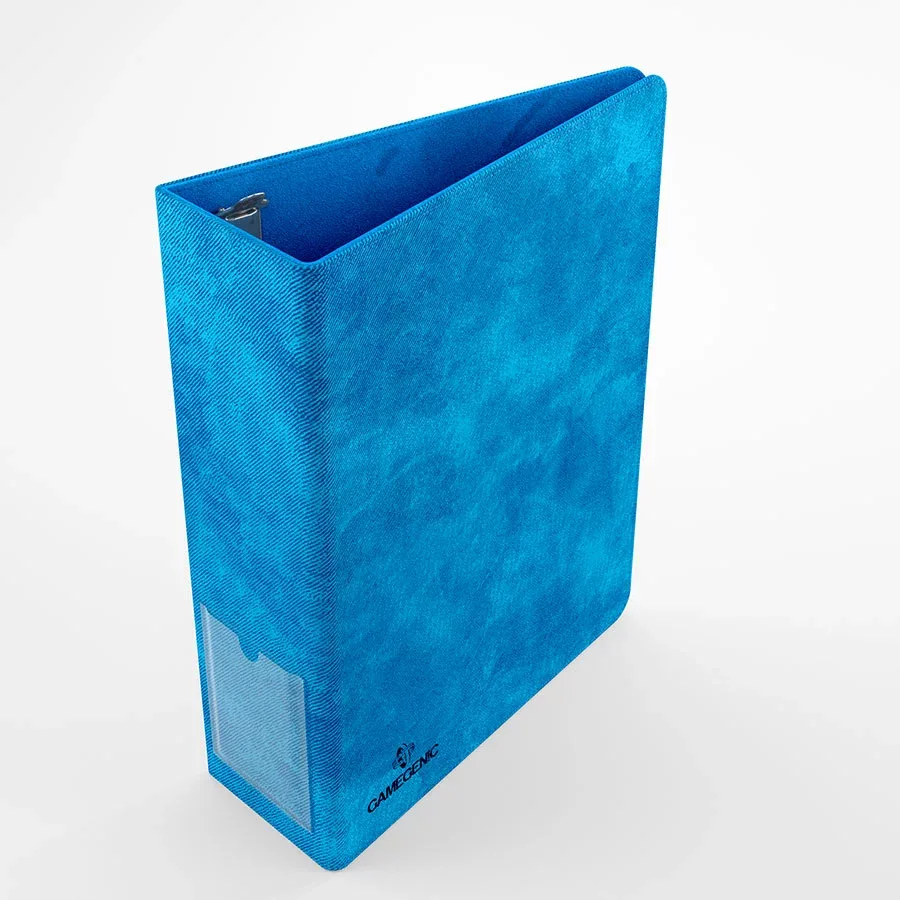
Ring binders protect cards well too, provided the rings are true and you use side-loading pages. The risk is mechanical: rings can open slightly, pages can tear at the punch holes, and overfilling causes pressure that warps cards near the spine. A ring binder rewards careful loading and a bit of empty space at the spine.
- Zip-up album: enclosed, no ring pressure, fixed page order.
- Ring binder: flexible page order, but ring and punch-hole wear are real risks.
- Both need side-loading pages to prevent cards sliding out during transport.
Capacity and expansion: how each grows with your collection
Zip-up albums have a fixed page count. When it is full, you buy another album. That is predictable but less flexible if your collection grows unevenly or you want to keep a single set together across many pages. Ring binders let you add pages as needed, so one binder can grow from a small trade stack to a full set.
The trade-off is weight and bulk. A fully loaded ring binder becomes heavy and the spine can flex, which is why many collectors keep large ring binders on a shelf and use a smaller zip-up album for travel. If you frequently reorganize by set, color, or format, the ring binder's page swapping is a genuine convenience.
Everyday use: travel, storage, and handling
For taking cards to a local game store or a friend's house, a zip-up album is the simpler choice: it closes fully, has no protruding rings, and slides into a bag without snagging. For long-term shelf storage, a ring binder stands upright easily and lets you label the spine for quick retrieval.
If you double-sleeve, check pocket depth before buying either format. Side-loading pockets that accept double-sleeved cards exist, but not every binder or page is sized for them. Measure a sleeved card first, or choose pages explicitly rated for double-sleeved cards.
Mixing formats: a practical two-part setup
You do not have to pick one format for everything. A common approach is a zip-up album for the deck or trade cards you carry, plus a ring binder for the bulk of a set collection at home. This separates 'travel risk' from 'storage volume' and keeps the heavy binder off your shoulder.
If you use ring binders, add side-loading pages with welded pockets. Ultrasonic-welded joints create strong, precisely measured pockets that hold double-sleeved cards without stretching, and the 11-hole spine fits most standard ring binders. That combination reduces the two most common ring-binder failure points: torn punch holes and pockets that gap open.
Decision rules: pick your format in under a minute
- You carry cards weekly: Choose a zip-up album. The zipper enclosure and fixed pages remove ring pressure and reduce dust and spill exposure during transport. Travel priority: zip-up album.
- You reorganize by set or format often: Choose a ring binder with side-loading pages. You can add, remove, and reorder pages without buying a new album each time your collection shifts. Flexibility priority: ring binder.
- You double-sleeve everything: Check pocket depth before buying. Use side-loading pages rated for double-sleeved cards, such as ultrasonic-welded 9-pocket pages with an 11-hole spine. Verify pocket fit first; do not assume.
- You store a large collection at home: A ring binder on a shelf is easier to label and expand. Keep a smaller zip-up album for the cards you actually play with. Split storage and travel into two formats.
Products that fit these two approaches
- ULTRASONIC 9-POCKET PAGESSIDE-LOADING (10 pages bag): High-quality 9-pocket pages for standard- and Japanese-sized cards, made from extra clear polypropylene, with an 11-hole spine that fits almost all standard-sized ring binders. Pockets load sideways and protect even double-sleeved cards; welded joints use ultrasonic technology for strong, precisely measured pockets. These are the pages that make a ring binder viable for double-sleeved cards. The 11-hole spine and ultrasonic welds address the two biggest ring-binder risks: torn holes and pockets that open.
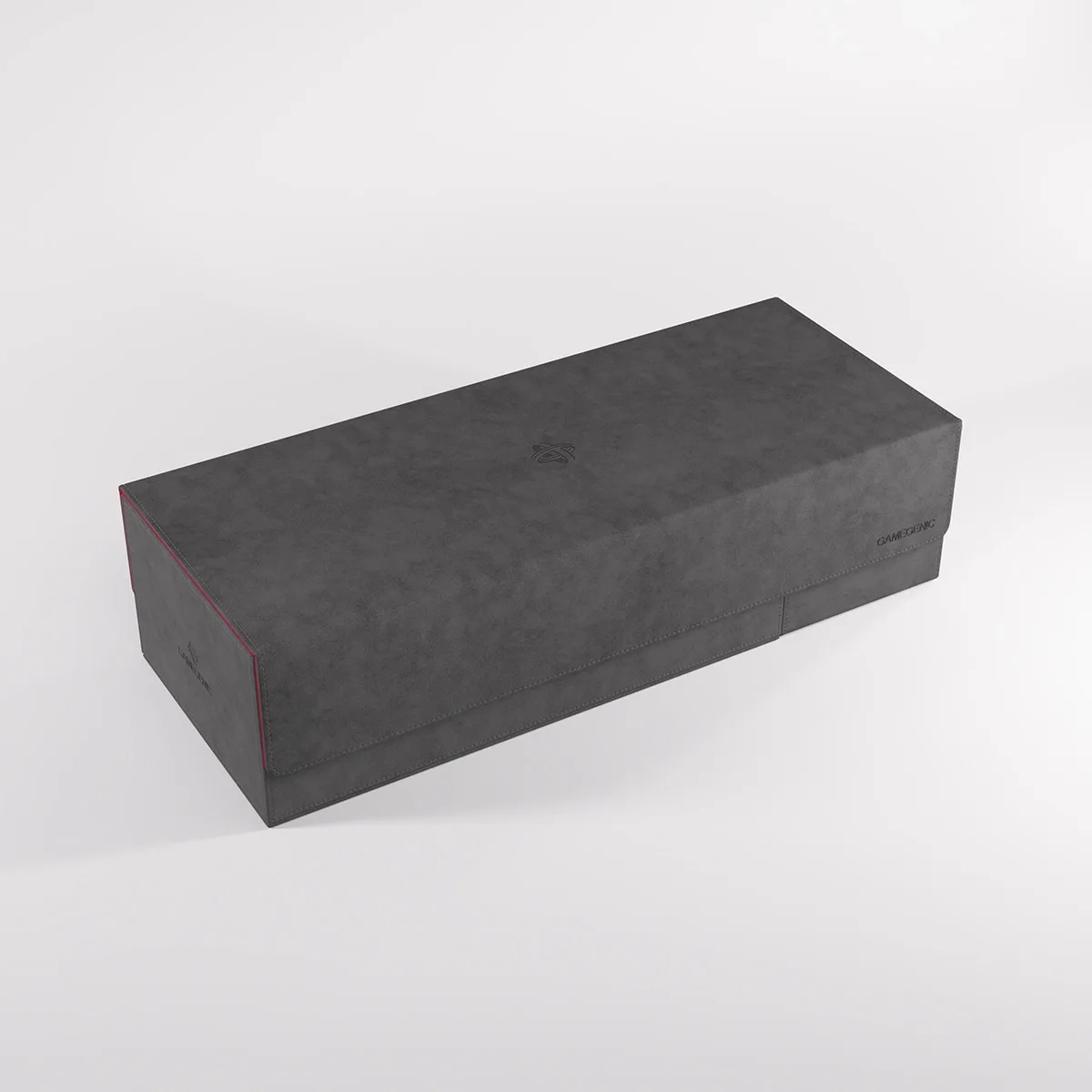
- Magic: The GatheringBASTION 100+ XL: The Bastion 100+ XL is a rock-solid deck box with a rear clear window that shows your top card or Commander without opening it. It holds 100+ double-sleeved cards. If you carry a full deck plus a binder, this box keeps the deck protected and identifiable, so you can leave the binder closed during play.
- Magic: The GatheringSQUIRE80+ XL CONVERTIBLE: The Squire 80+ XL is a premium deck box with officially licensed artwork on a full-color printed Refractifyber surface. It holds 80 double-sleeved cards, even with extra Thick Inner Sleeves. The Convertible line lets you remove the lid, attach it to the bottom, or tilt the box in different ways to present cards. For a smaller deck or a travel kit, this box pairs well with a zip-up album when you want display options without carrying a full binder.
Which format fits you?
Best for
- Collectors who carry cards to events and want full enclosure
- Players who prefer a fixed page order and no ring mechanism
- Smaller or medium collections that fit a set page count
Not for
- Collectors who constantly add or remove pages
- Storing oversized items or mixed ephemera that will not fit standard pockets
- Very large set collections that need unlimited expansion in one binder