Quick answer
If you want speed, one-handed adjustments, and a carrier that stays out of the way between errands, a ring sling is usually the better fit for newborns. If you want a soft, stretchy, set-and-forget carry for long contact naps at home, a stretchy wrap like the Bloom Baby Wrap is the stronger choice. Many parents end up using both: a wrap for the first weeks and a ring sling once they need to get out the door faster.
How the two carriers actually differ
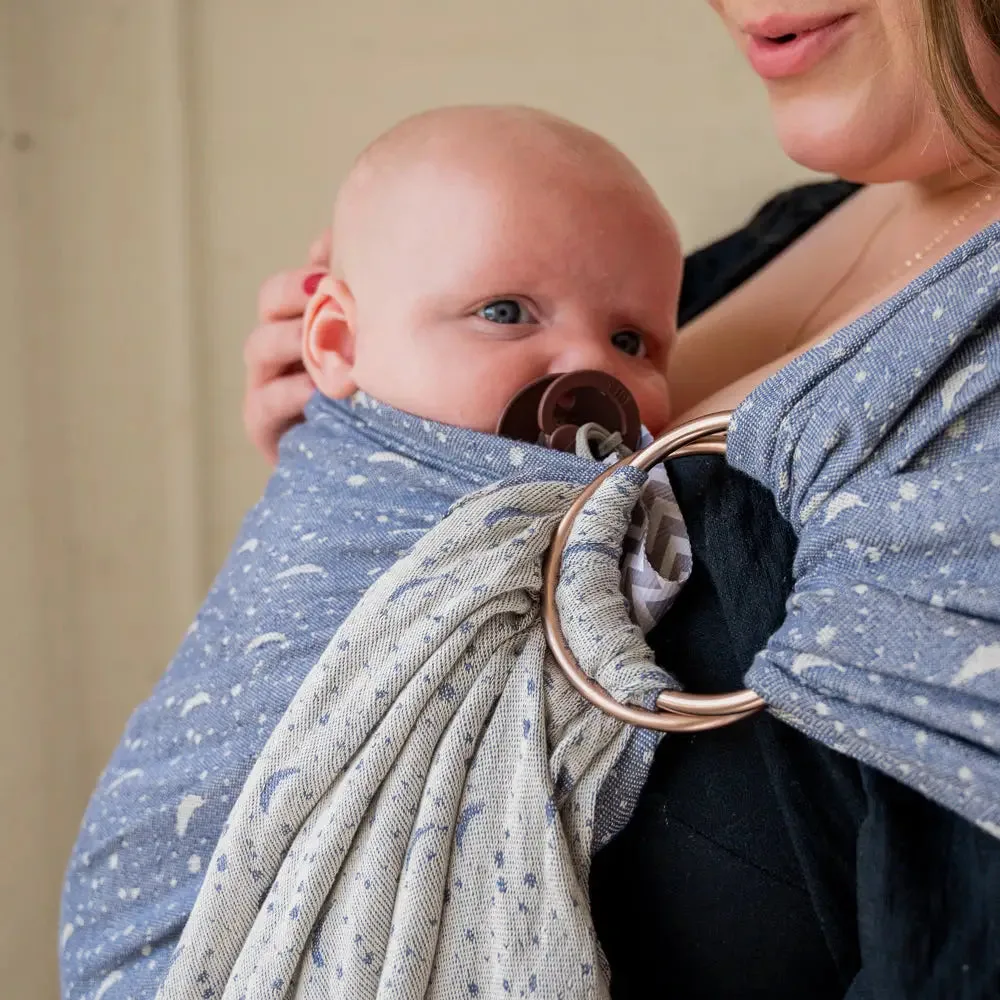
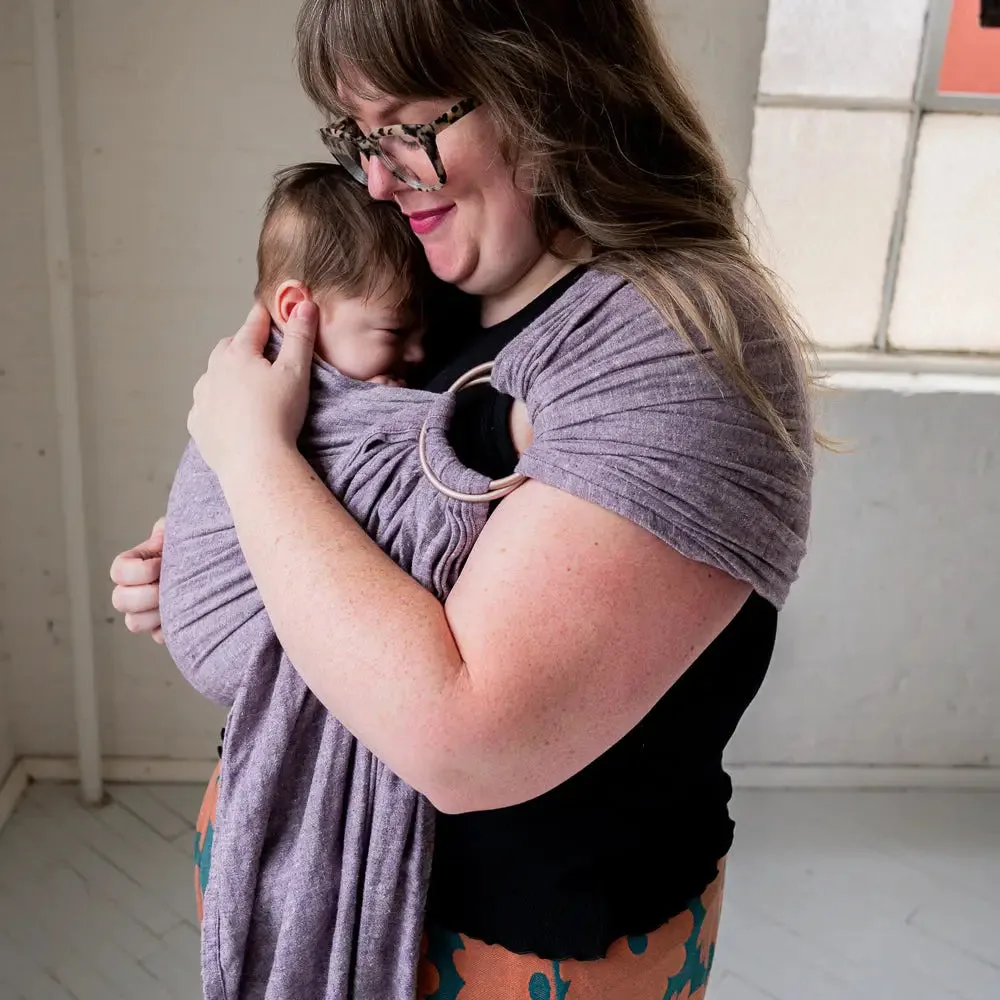
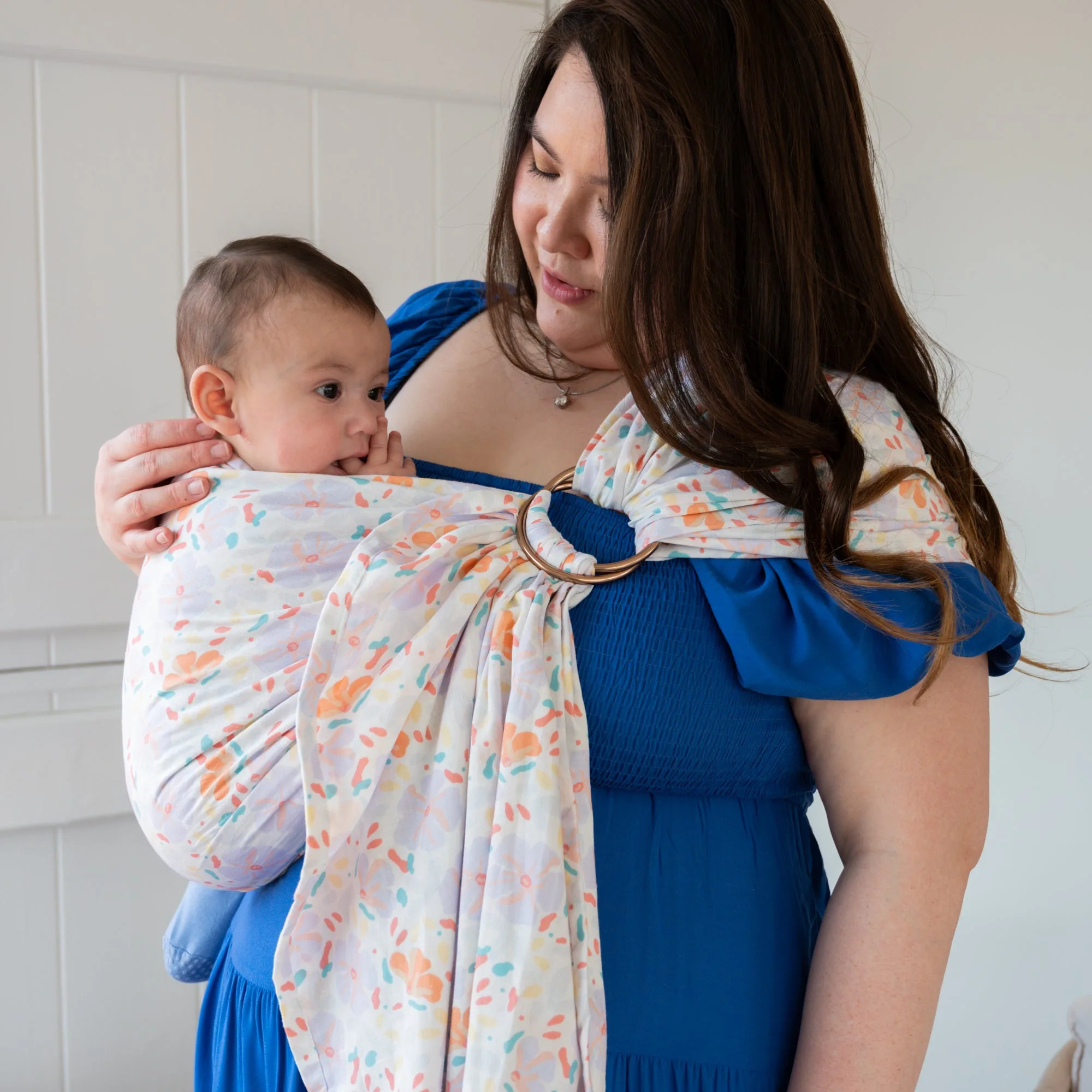
A ring sling is a length of woven fabric threaded through two rings. You adjust it by sliding the fabric through the rings, with no buckles or snaps to fuss with. That means you can tighten or loosen it while wearing your baby, which is useful when a newborn falls asleep and you want to snug them closer without waking them. A stretchy wrap is a long piece of knit fabric you tie around your body before you put your baby in. It distributes weight across both shoulders and your back, and the stretch lets you pre-tie it and pop your baby in and out for short periods. The trade-off is that a wrap takes longer to put on and is harder to adjust once your baby is in it.
Fit and learning curve for newborn wearing
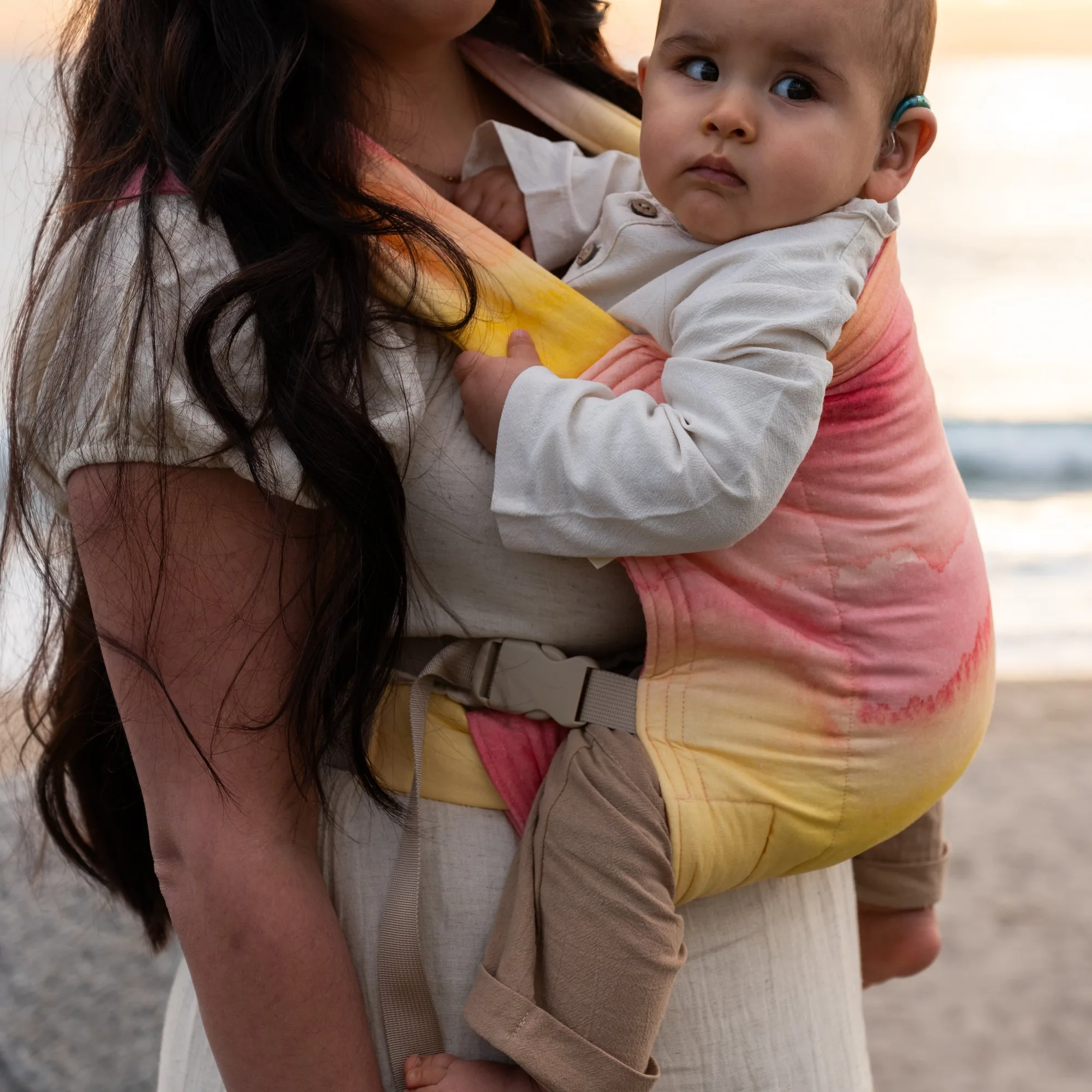
Ring slings tend to have a shorter learning curve for the basic carry because there is only one adjustment point: the rings. The main skill is getting the fabric spread across your back and shoulder comfortably, and keeping the pouch deep enough that your baby's weight sits against you rather than pulling on your neck. Stretchy wraps require you to tie the fabric snugly before your baby goes in, and if the tie is too loose, the carry will sag. Many parents find the wrap more forgiving for a brand-new newborn because the stretch hugs the body, but less forgiving once their baby gets heavier or starts to wiggle. Neither carrier is inherently safer than the other; both rely on a tight, high carry with your baby's face visible and kissable.
Speed, portability, and daily use
For quick trips, a ring sling is easier to put on in a parking lot because you can leave it threaded and just slip it over your head. It also packs down small, so it can live in a diaper bag. A stretchy wrap is bulkier and needs a clean, dry surface to tie, which makes it less convenient for errands but excellent for around the house. If you plan to wear your baby for hours at a time while sitting or standing, the wrap's two-shoulder support can feel more balanced. If you plan to wear your baby in short bursts and want to take the carrier on and off repeatedly, the ring sling usually wins on convenience.
Materials, care, and how long each lasts
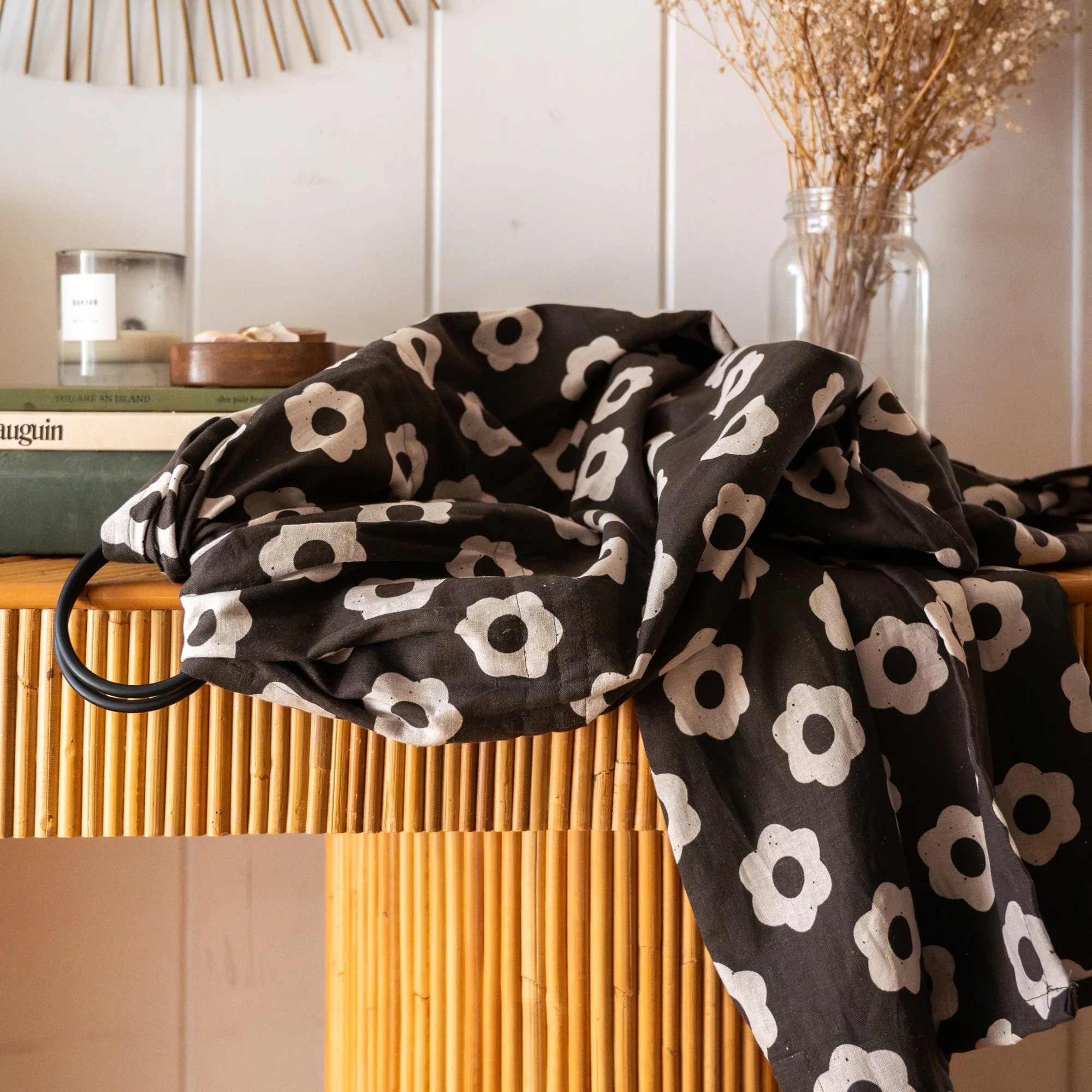
Stretchy wraps are typically made from knit fabrics that can lose some of their shape over time, especially if you tie them tightly or wash them often. Ring slings are made from woven fabric, which is generally more durable and less prone to sagging as your baby grows. The Bloom Baby Wrap is made with organic cotton and Tencel, which makes it soft and breathable for newborns. Ring slings like the Guava, Beargrass, and Nepeta are woven and designed to hold their shape, so they often remain comfortable past the newborn stage. Neither type is machine-washable in every case, so always check the specific care instructions for the carrier you choose.
Key trade-offs at a glance
- Adjustability: Ring slings let you tighten or loosen the fabric through the rings while your baby is in the carrier. Stretchy wraps are tied before your baby goes in and are harder to adjust afterward. Choose a ring sling if you want on-the-go adjustments; choose a wrap if you prefer to set the carry once and leave it.
- Learning curve: Ring slings have one main adjustment point but require practice to spread the fabric comfortably across your back. Stretchy wraps require a snug pre-tie, which some parents find easier for a tiny newborn. If you are short on practice time, a ring sling may be simpler to start with; if you have time to practice tying, a wrap can feel more forgiving.
- Longevity: Woven ring slings generally hold their shape and support as your baby grows. Stretchy wraps can lose some shape with heavy use and are often outgrown sooner. If you want one carrier to last beyond the newborn stage, a ring sling is usually the more durable option.
Product facts
- Bloom Baby Wrap: Bloom Baby Wrap is made with organic cotton and Tencel, is lightweight and breathable, and comes in two inclusive lengths. This makes it a strong choice for newborns in warm weather or for parents who want a soft, pre-tied carry for contact naps at home.
- Guava Ring Sling: Guava Ring Sling adjusts by sliding the fabric through the rings, with no buckles or snaps, and is available in Size and Ring Color options. The ring adjustment lets you tighten the carry one-handed after your baby is in, which is helpful for quick outings and for keeping a sleeping newborn snug.
- Beargrass Ring Sling: Beargrass Ring Sling is a neutral chambray stripe with Length and Ring Color options, and is described as built to look good in year three as on day one. A neutral woven sling is a practical choice if you want one carrier that works across outfits and seasons and holds up over long-term use.
Which should you choose?
Best for
- Parents who need a fast, portable carrier for errands and short outings
- Caregivers who want to adjust the carry without taking the baby out
- Those who want a woven carrier that can last past the newborn stage
Not for
- Parents who prefer a pre-tied, two-shoulder carry for long contact naps at home
- Those who want the softest possible stretchy fabric for a very small newborn
- Caregivers who are not comfortable with a one-shoulder carry for extended periods