Quick answer
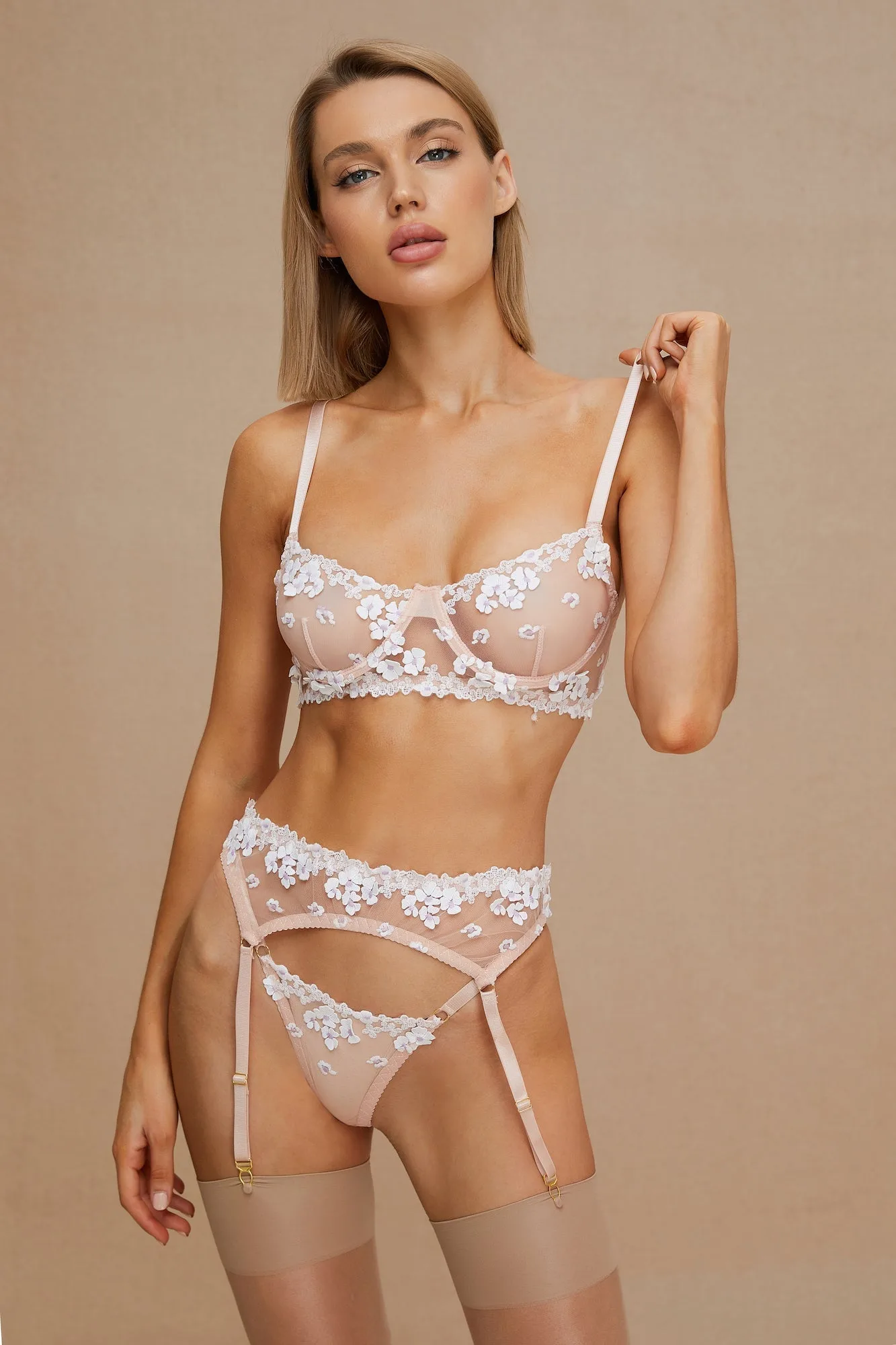
Treat the black and blush camis as two separate tools: wear black as a sleek base for evening or high-contrast layering, and blush as a soft, romantic layer for daytime. Alternate them across outfits and use the sheer lace as a texture layer, not just a top.
Why two colors change your styling options
A single lace cami can feel repetitive, but two colors let you split the work: black reads sharper and more evening-ready, while blush softens a look and blends into lighter layers. That contrast matters most when you are deciding what to wear underneath or over the cami.
The Riot Lace Cami 2-Pack includes one black and one Ballet Slipper (blush) cami, so you can plan outfits around the same fit without buying two separate tops. The stretchy sheer lace is the constant; the color is the variable you can use to change the mood.
When to choose black vs blush
Reach for black when you want the cami to hold its own against dark denim, leather, or a blazer, or when you need a layer that won't compete with a bold lip or statement jewelry. Reach for blush when you want the lace to read as a soft texture under light knits, cardigans, or open shirts, or when you want a monochrome, low-contrast look.
A practical exception: if your outer layer is sheer or light-colored, blush can disappear or clash less predictably than black. Test the pairing in daylight before committing to an all-day outfit.
What the sheer lace means for your outfit
Because the triangle cami is crafted in sheer lace, it is not a stand-alone opaque top. Plan for visible straps and lace edges, and decide whether you want those details to show or stay hidden. This is a styling choice, not a flaw: sheer lace is meant to be seen as a layer.
If you want more coverage, pair it with a camisole or bralette underneath, or choose an outer layer that covers the areas you want covered. If you want the lace to be the focus, keep the rest of the outfit simple so the texture stands out.
How to mix and match both camis in real outfits
- Start with the base layer: Decide what goes under the cami first. Because the lace is sheer, choose a bralette, camisole, or nothing based on the coverage you want. Common mistake: picking the outer layer before checking how the lace looks against your skin or underwear in daylight. Check the base layer in a mirror under the same lighting you will wear the outfit in.
- Pick the color for the occasion: For evening or high-contrast looks, choose the black cami. For daytime, soft layers, or a romantic look, choose the blush Ballet Slipper cami. Checkpoint: if you are unsure, hold both camis against your outer layer and pick the one that creates the contrast you want. Let the outer layer's color and weight decide which cami you reach for.
- Build the daytime outfit around blush: Layer the blush cami under an open cardigan, a light knit, or a button-down shirt left open. Keep the rest of the outfit in soft neutrals so the lace reads as texture. Common mistake: adding too many competing patterns, which hides the lace detail. Use no more than one other textured piece with the blush cami.
- Build the evening outfit around black: Wear the black cami with dark denim, a blazer, or a sleek skirt, and let the lace straps or neckline show. If the venue is more formal, add a structured outer layer. Checkpoint: make sure the cami's straps sit where you want them before you leave. Choose an outer layer that frames the lace instead of covering it completely.
- Swap colors for a second look: Reuse the same outfit formula with the other cami to create a different mood. For example, pair the same jeans and cardigan with black for a sharper daytime look, or with blush for a softer one. Common mistake: assuming the same outfit works identically in both colors; adjust the outer layer if the contrast feels off. Keep a photo of each pairing so you can repeat the ones that work.
- Care for the lace between wears: Follow the care instructions on the garment to protect the stretchy sheer lace. Store the camis flat or folded so the lace does not snag. Checkpoint: inspect the lace edges before wearing, especially if you layer them under rough fabrics. A quick snag check before each wear extends the life of the lace.
Product facts
-
Riot Lace Cami 2-Pack in Black & Ballet Slipper: Riot is described as an effortlessly easy-to-wear collection with a romantic vibe, and the triangle cami top is made in stretchy, sheer lace. The stretch and sheer finish make it a layering piece, so plan outfits around what shows underneath and on top.
Riot Lace Cami 2-Pack in Black & Ballet Slipper
Riot Lace Cami 2-Pack in Black & Ballet Slipper
-
Riot Lace Cami 2-Pack in Black & Ballet Slipper: The 2-pack bundles a black cami and a Ballet Slipper (blush) cami at a catalog price of USD 47.60, compared with USD 68.00. Buying the pack gives you two distinct color options for the same fit, which makes mixing and matching easier than buying singles.