Quick answer
Ripstop is an excellent bag lining when you need a lightweight, water-resistant, and durable inner layer that adds almost no bulk. It is the best fabric for bag lining in outdoor, travel, and everyday bags where weight and moisture protection matter. However, for structured bags that need body and a classic feel, waxed canvas or a heavier Oxford is the better choice. If you want a lining that disappears into the bag and does its job quietly, ripstop is the one to pick.
When you're choosing a lining for your bag, the fabric you pick affects weight, water resistance, durability, and how the bag feels in use. Ripstop nylon has become a popular option because it's light, strong, and sheds water, but it's not a universal answer. This comparison looks at ripstop against two other common lining choices—waxed canvas and 600D Oxford—using real product facts so you can match the material to your project.
We'll cover the trade-offs in weight, structure, water resistance, and cost, then give you clear guidance on when ripstop is the right lining and when you should reach for something else. You'll also see specific fabrics from our catalog that fit each role, so you can make a confident choice without guessing.
What ripstop brings to a bag lining
Ripstop's defining feature is its reinforcing grid, which stops small tears from spreading. That makes it unusually durable for its weight. As a lining, it adds very little bulk, so your bag stays easy to handle and doesn't become stiff or heavy. It's also water-resistant, which helps protect contents from accidental splashes or damp conditions. For bags that need to stay light—like crossbody bags, pouches, or packable totes—ripstop is a smart pick.
The trade-off is that ripstop doesn't provide much structure. If you want a lining that helps the bag hold its shape, you'll need to add interfacing or choose a heavier fabric. Ripstop also has a slick, sometimes noisy hand, which may not suit every design. Still, for many makers, the low weight and high strength are worth it.
- Choose ripstop when weight savings and water resistance are top priorities.
- Add a lightweight interfacing if you want a bit more body without much bulk.
Ripstop vs waxed canvas lining
Waxed canvas is a completely different animal. It's heavyweight, structured, and has a rugged, water-repellent finish. As a lining, it adds significant body and a classic look, but it also adds weight and bulk. Waxed canvas can be stiff, especially when new, and it may transfer wax to contents over time. It's not the best choice if you want a light, packable bag or a lining that stays out of the way.
That said, for a tote or messenger bag that should stand up on its own, waxed canvas as a lining can be a great way to build structure without extra interfacing. Just be aware that it's heavier and more expensive than ripstop, and it requires more careful construction. If you're making a bag that will see hard outdoor use and you want a traditional feel, waxed canvas is a strong contender—but it's a different design decision than ripstop.
- Waxed canvas adds structure and weather resistance but also weight.
- Ripstop is lighter and easier to work with for casual bags.
Ripstop vs 600D Oxford lining
600D Oxford is a common lining and exterior fabric for bags. It's durable, has a PVC backing that makes it water-resistant, and comes in many colors. Compared to ripstop, it's heavier and thicker, so it adds more bulk. It also has a more textured, fabric-like feel. For a lining that needs to take a beating and still look good, Oxford is a solid choice. But if you're counting grams, ripstop wins.
Another consideration is cost. Both are affordable, but ripstop often comes in at a lower price per yard for the same coverage. Oxford may be easier to sew because it's less slippery, but ripstop's light weight can actually make it easier to manipulate in tight spaces. The decision comes down to whether you prioritize durability and structure (Oxford) or minimal weight and packability (ripstop).
- Oxford is heavier and more structured than ripstop.
- Ripstop is lighter and often less expensive per yard.
When ripstop is the best fabric for bag lining
Ripstop shines in bags where weight and water resistance are critical. Think hiking packs, bike bags, travel pouches, and lightweight everyday carry. It's also a great choice for bags that will be stuffed into another bag or pocket, because it folds down small and springs back. If you're making a bag that needs to be durable but not bulky, ripstop is likely your best bet.
It's also a good option for beginners because it's easy to cut and sew, and it doesn't fray as much as some fabrics. The slick surface can be a bit tricky to keep aligned, but a few extra pins or clips solve that. For a lining that performs well without adding heft, ripstop is hard to beat.
- Use ripstop for packable bags, outdoor gear, and lightweight purses.
- Consider a slightly heavier ripstop like 420D for better abrasion resistance.
Trade-offs at a glance
- Weight: Ripstop is significantly lighter than waxed canvas and Oxford. A ripstop lining adds almost no weight, while waxed canvas can make a bag feel heavy before you even add contents. Choose ripstop for bags that need to stay light; choose waxed canvas only if weight is not an issue.
- Structure: Waxed canvas and Oxford provide body and help the bag hold its shape. Ripstop is floppy and needs interfacing if you want structure. If you want a self-supporting bag, pick a heavier lining or add stabilizer to ripstop.
- Water resistance: All three resist water, but waxed canvas and PVC-backed Oxford offer more robust protection. Ripstop is water-resistant but not waterproof. For damp conditions, any of these work, but waxed canvas and Oxford are better for prolonged exposure.
- Cost: Ripstop is often the most affordable per yard, followed by Oxford. Waxed canvas is typically the most expensive. Budget-conscious makers can save with ripstop without sacrificing durability.
Ripstop and alternative linings in our catalog
- Adhesive Hex Polyester Ripstop 420D (HALF Yard) Golden Lemon: This water-resistant nylon ripstop is designed for maximum performance, with a sleek and slick finish in a variety of colors. It can be used as a lining or exterior fabric. The 420D weight gives you a durable lining that still stays lightweight, and the water resistance protects contents. The adhesive backing can simplify construction if you want to fuse it in place.
- 12oz Waxed Canvas Prussian Blue: This 12oz waxed canvas is rated heavyweight for durability and sturdiness, repels water and moisture, and is ideal for rugged outdoor use. If you want a lining that adds structure and weather protection, this is a strong choice. It's much heavier than ripstop, so it's best for bags where weight is not a concern.
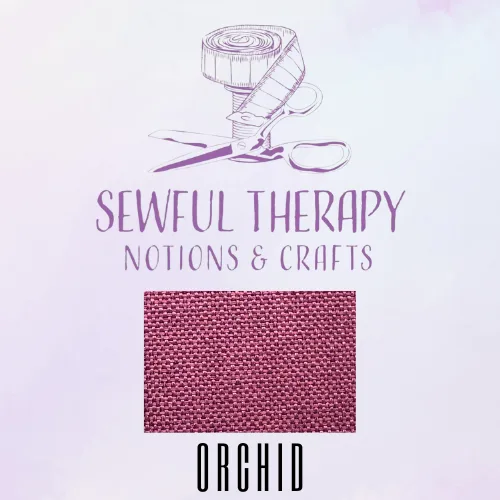
- 600D HEATHERED OXFORD - Orchid: This 600D Oxford has a PVC backing and is approximately 0.4mm thick, sold by the half yard. It's a durable option for bag making. Oxford provides a good middle ground: more structure than ripstop but less bulky than waxed canvas. The PVC backing adds water resistance.
Which lining should you choose?
Ripstop is best for
- Lightweight crossbody bags, pouches, and packable totes
- Outdoor gear where water resistance and low weight matter
- Bags that will be stuffed into another bag or pocket
Ripstop is not for
- Structured bags that need to stand on their own without interfacing
- Projects where you want a traditional, heavy-duty feel
- Bags that will see extreme abrasion and need maximum durability
Ripstop is a smart lining choice when you want low weight, good water resistance, and easy sewing. It's not the right pick for every bag, but for many modern designs it's the best fabric for bag lining. Weigh the trade-offs, consider your bag's purpose, and choose the lining that supports your build.