The tea industry is undergoing a remarkable transformation. No longer just a comforting beverage, tea is now being celebrated for its functional benefits—from supporting relaxation to helping manage sugar cravings. As we move through 2026, functional teas are taking center stage, driven by consumers who seek wellness in every sip.
In this industry news update, we'll explore the key trends shaping the functional tea market, the science behind popular ingredients, and how you can incorporate these beneficial brews into your daily routine. Whether you're a tea enthusiast or a curious newcomer, understanding these trends will help you make informed choices.
What Are Functional Teas?
Functional teas are blends designed to provide specific health benefits beyond basic hydration. Unlike traditional teas that are enjoyed primarily for taste and caffeine content, functional teas incorporate herbs, botanicals, and adaptogens known for their therapeutic properties. Common targets include stress reduction, improved sleep, digestive health, and blood sugar regulation.
The global wellness movement has accelerated the popularity of these teas. Consumers are increasingly proactive about their health, seeking natural alternatives to supplements and medications. This shift is reflected in the growing shelf space dedicated to functional beverages in supermarkets and the rise of specialty online retailers.
- Adaptogens like ashwagandha and holy basil are often included for stress relief.
- Ingredients like cinnamon and ginger are used to support blood sugar balance.
- Caffeine-free options are popular for evening relaxation.
Key Trends in Functional Tea for 2026
One of the most significant trends is the focus on stress and cortisol management. With chronic stress affecting millions, teas that promise to lower cortisol levels are in high demand. Blends containing adaptogens, L-theanine, and calming herbs like chamomile are leading the charge. Products like the Cortisol Belly Tea Bundle combine multiple stress-relieving ingredients to target belly fat associated with high cortisol.
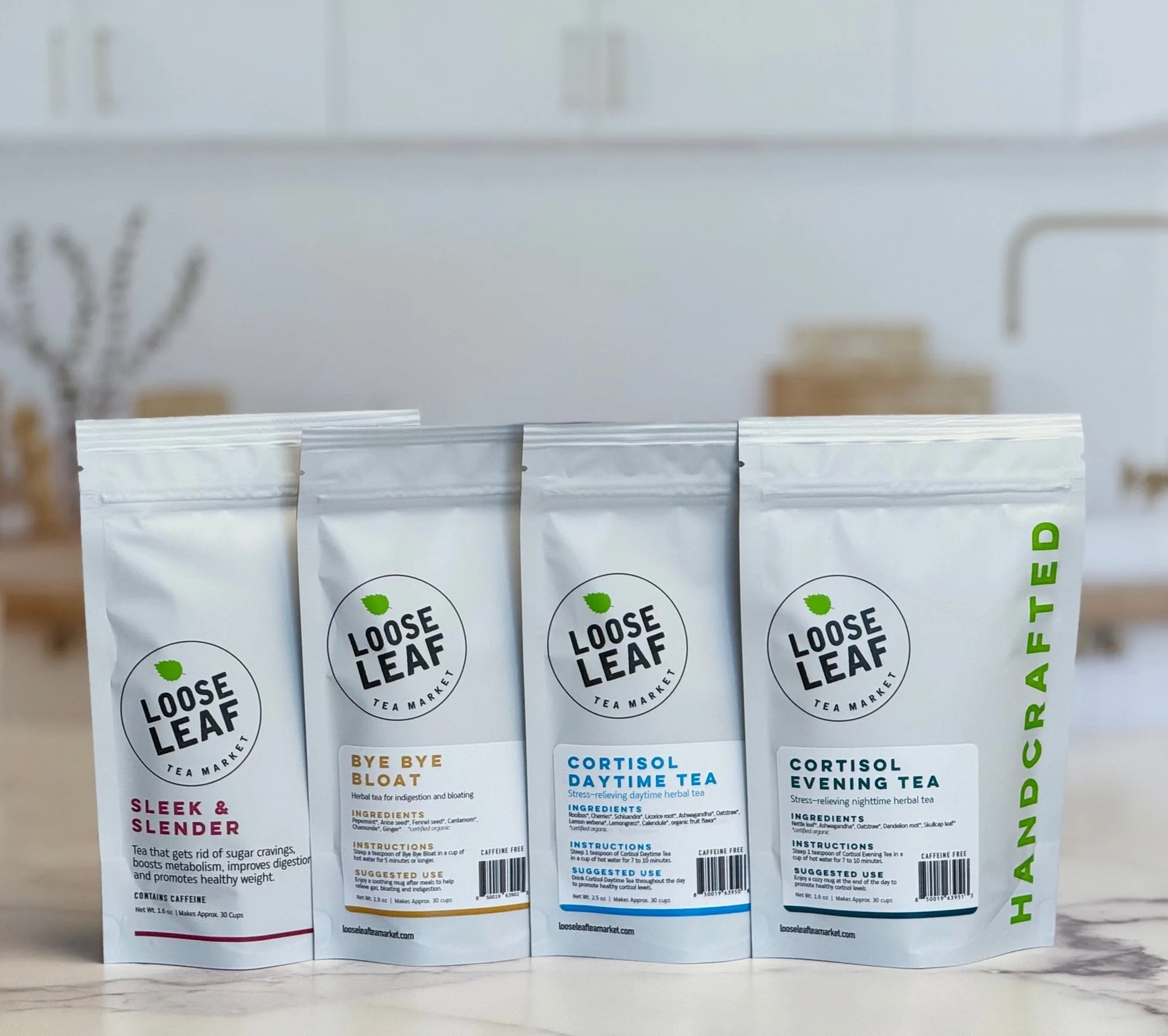
Cortisol Belly Tea Bundle
Another trend is the integration of tea into weight management routines. Teas that help curb sugar cravings are particularly popular, as they offer a natural way to reduce sugar intake. Ingredients like gymnema, cinnamon, and licorice root are being used to satisfy sweet cravings without the calories. This aligns with broader health goals of reducing processed sugar consumption.
Sustainability and transparency are also influencing purchasing decisions. Consumers want to know where their tea comes from and how it's produced. Organic certifications, eco-friendly packaging, and direct trade practices are becoming important factors. Brands that prioritize these values are gaining loyal followings.
How to Choose the Right Functional Tea
With so many options, selecting the right functional tea can be overwhelming. Start by identifying your primary wellness goal. Are you looking to reduce stress, improve digestion, or manage sugar cravings? Once you know your goal, look for teas that contain proven ingredients for that purpose.
For stress relief, consider blends with ashwagandha, lemon balm, or passionflower. For sugar cravings, seek out teas with cinnamon, fenugreek, or gymnema. Always check the ingredient list to ensure the tea is caffeine-free if you plan to drink it in the evening. Reading labels carefully helps you avoid hidden additives or excessive caffeine.
Quality matters. Choose loose leaf teas over tea bags for fresher, more potent flavors and benefits. Loose leaf teas allow the leaves to expand fully, releasing more antioxidants and essential oils. Investing in a good infuser or teapot can enhance your brewing experience and ensure you get the most out of your functional blend.
The Science Behind Functional Ingredients
Many functional tea ingredients have been used for centuries in traditional medicine, and modern research is beginning to validate their benefits. For example, adaptogens like ashwagandha have been shown in studies to reduce cortisol levels and improve stress resilience. Similarly, compounds in green tea, such as EGCG, are known for their antioxidant and metabolism-boosting properties.
Cinnamon, a common ingredient in sugar-balancing teas, has been found to improve insulin sensitivity and lower blood sugar levels. Ginger, often added for its anti-inflammatory effects, also supports digestion and may help reduce nausea. These scientifically-backed benefits are driving consumer confidence in functional teas as a legitimate wellness tool.
- L-theanine, found in green tea, promotes relaxation without drowsiness.
- Chamomile contains apigenin, which binds to brain receptors to induce calm.
- Gymnema sylvestre may reduce sugar absorption in the intestines.
Integrating Functional Teas into Your Daily Routine
To reap the benefits of functional teas, consistency is key. Incorporate them into your daily habits, whether it's a morning ritual to kickstart your day or an evening wind-down. For example, a caffeine-free Detox Chai Cleansing Herbal Tea can be a soothing after-dinner drink that supports digestion and relaxation.
If you're looking to manage stress throughout the day, keep a thermos of your favorite stress-relief tea at your desk. Sipping on it periodically can provide a calming effect. To support your sugar-craving goals, have a cup of a cinnamon-based tea when you feel a sweet urge coming on. This can help you avoid reaching for sugary snacks.
Pairing your functional tea with mindful moments enhances the experience. Take a few deep breaths as you steep your tea, allowing the aroma to soothe your senses. This simple practice can amplify the stress-relief benefits and make your tea ritual more enjoyable.
The Future of Functional Teas
As we look ahead, the functional tea market shows no signs of slowing down. Innovations in flavor combinations and delivery formats are expected, such as tea powders and ready-to-drink beverages. Personalized nutrition is also likely to play a role, with teas tailored to individual health profiles based on genetic testing or lifestyle assessments.
The rise of functional teas reflects a broader shift towards proactive health management. Consumers are no longer satisfied with generic solutions; they want products that address their specific needs. For tea companies, this means continued investment in research and development to create effective, delicious, and sustainable offerings.
For tea lovers, this is an exciting time. The variety and quality of functional teas available are expanding, making it easier than ever to find a brew that supports your wellness journey. Whether you're new to functional teas or a seasoned enthusiast, there's always something new to explore.
The functional tea trend is more than a passing fad—it's a reflection of a health-conscious society seeking natural, effective ways to support well-being. By understanding the trends and choosing high-quality blends, you can enjoy both the taste and the benefits. Ready to start your functional tea journey? Explore our selection of wellness-focused teas, like the Cortisol Belly Tea Bundle, and discover the perfect brew for your needs.