As we step into 2026, the movement toward plastic-free living has evolved from a niche lifestyle to a mainstream priority. Bathrooms, often overlooked in sustainability conversations, are now at the forefront of eco-conscious innovation. With growing awareness of microplastics in personal care products and the environmental toll of single-use plastics, consumers are demanding greener alternatives. This shift is not just about swapping a plastic toothbrush for a bamboo one; it's a holistic transformation of daily routines.
In this article, we delve into the latest trends and innovations shaping the plastic-free bathroom of 2026. From biodegradable materials to reusable designs, we'll explore how you can embrace zero waste without sacrificing style or convenience. Whether you're a seasoned eco-warrior or just starting your journey, these insights will help you make informed choices for a sustainable sanctuary.
The Evolution of Eco-Friendly Materials
One of the most significant trends in 2026 is the refinement of sustainable materials. Bamboo continues to dominate as a versatile, fast-growing, and biodegradable resource. Its natural antibacterial properties make it ideal for bathroom accessories, from toothbrushes to razor handles. Innovations in bamboo processing have led to smoother finishes and longer-lasting products, addressing earlier concerns about durability.
Another exciting development is the rise of composite materials that blend bamboo fibers with other natural substances, creating sturdy yet compostable alternatives. For example, our 'Reusable Straws Cleaning Brushes for Bamboo or Stainless Steel Straws' feature bamboo bristles and wooden handles, ensuring that even cleaning tools are eco-friendly. This attention to detail reflects a broader industry push toward complete product lifecycles, where every component is designed with sustainability in mind.
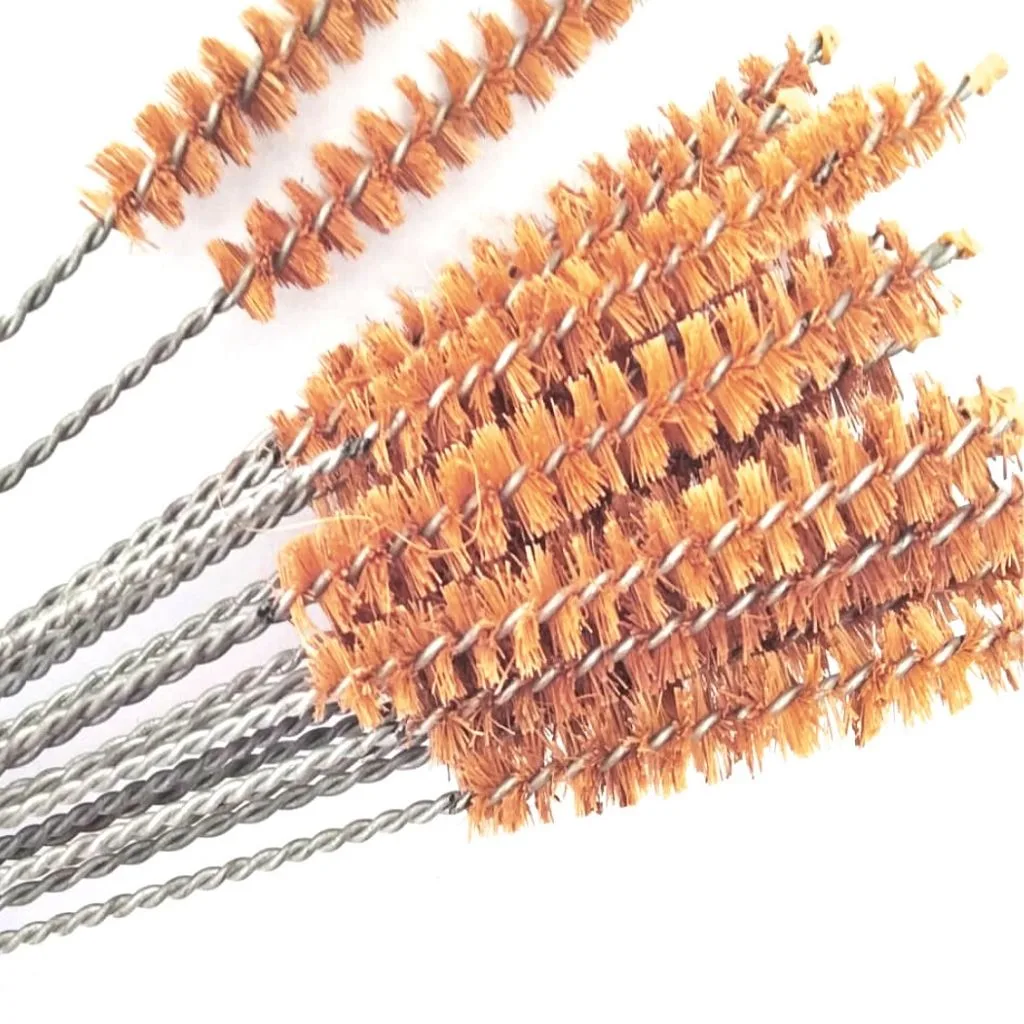
Reusable Straws Cleaning Brushes for Bamboo or Stainless Steel Straws
- Look for products with minimal packaging or plastic-free packaging.
- Choose items made from certified sustainable bamboo to ensure responsible sourcing.
Zero Waste Innovations in Personal Care
Personal care is witnessing a revolution with zero waste innovations. Solid shampoo bars, conditioner bars, and toothpaste tablets are becoming staples, eliminating the need for plastic bottles. In 2026, these products are not only functional but also luxurious, with formulations that rival traditional counterparts. The key is to pair them with reusable tools that enhance the experience.
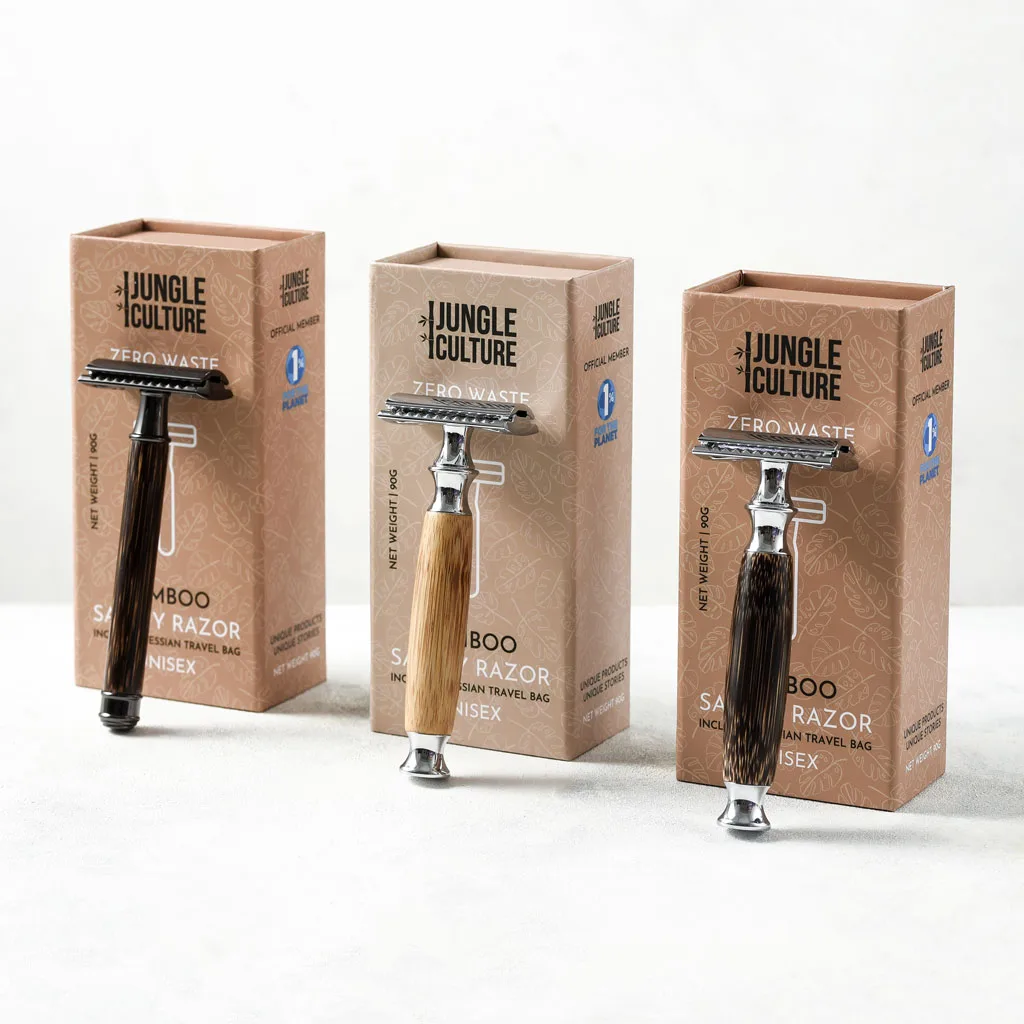
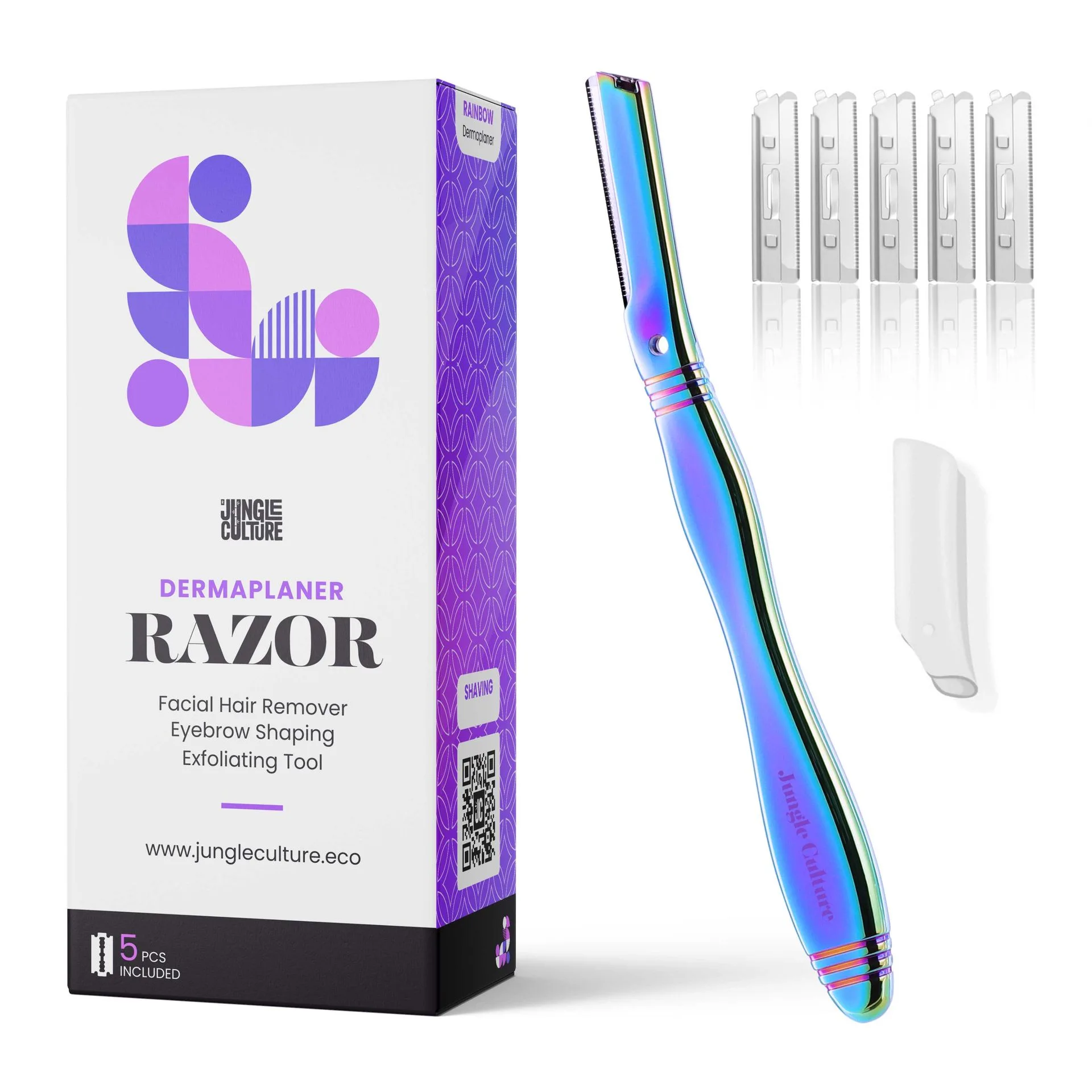
For instance, the 'Bamboo Safety Razor | Reusable Bamboo Razor' offers a close, comfortable shave while replacing disposable plastic razors. Similarly, the 'Dermaplaner - Reusable Metal Eyebrow Razor / Shaper' provides a sustainable solution for facial grooming. These tools are designed to last, reducing waste and saving money in the long run. As more people adopt these practices, the demand for innovative, sustainable personal care items continues to grow.
- Invest in high-quality reusable tools that can be easily cleaned and maintained.
- Opt for products with refillable options or packaging-free formats.
Smart Bathroom Accessories for a Plastic-Free Lifestyle
Technology and sustainability are converging in the bathroom, leading to smart accessories that promote plastic-free living. From water-saving shower heads to sensor-based dispensers that reduce product waste, these innovations make it easier than ever to maintain an eco-friendly routine. In 2026, we see a surge in modular designs that allow for easy repair and replacement, extending the lifespan of products.
Take the 'Long Handle Bamboo Dish Brush' as an example—its replaceable head design ensures that you only replace the bristles, not the entire handle. This concept is expanding to other bathroom tools, such as refillable deodorant containers and reusable cotton rounds. By prioritizing repairability and reusability, these smart accessories align perfectly with the zero waste ethos.
- Consider products with replaceable parts to minimize waste.
- Look for multi-functional items that serve several purposes to reduce clutter and consumption.
The Role of Community and Education
As the plastic-free movement gains momentum, community initiatives and educational campaigns are playing a crucial role. Local workshops, online forums, and social media influencers are sharing tips on how to transition to a plastic-free bathroom, making the journey less daunting. Brands are also stepping up by providing transparent information about their sourcing and manufacturing processes.
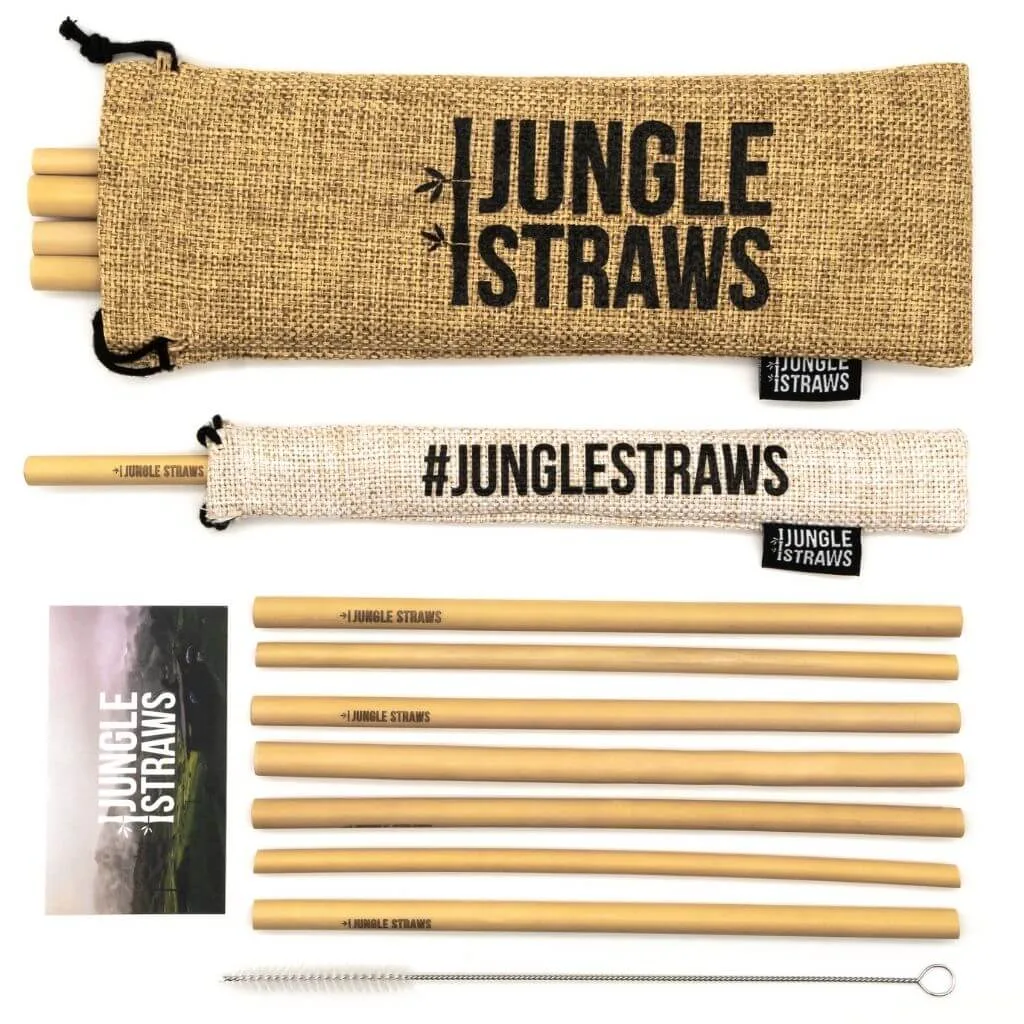
For example, Jungle Culture's 'Jungle Straws: Reusable Bamboo Drinking Straws with Natural Hessian Carry Case (Set of 12)' not only offers a practical alternative to plastic straws but also comes with educational materials about the impact of single-use plastics. This combination of product and purpose resonates with consumers who value brands that contribute to a larger cause. In 2026, we expect to see more collaborations between eco-brands and environmental organizations to amplify their impact.
- Join local zero waste groups to share resources and experiences.
- Support brands that actively engage in environmental education and advocacy.
As we navigate 2026, the plastic-free bathroom is no longer a distant ideal but a tangible reality. By embracing sustainable materials, innovative designs, and community support, we can transform our daily routines into acts of environmental stewardship. Whether you're upgrading your razor or swapping out your dish brush, every small change contributes to a larger movement. Explore our collection of eco-friendly bathroom essentials and take the next step towards a zero waste lifestyle today.