For years, instant coffee was synonymous with convenience but rarely with quality. The typical jar of granules sat on supermarket shelves, offering a quick caffeine fix but little in the way of flavour complexity or origin character. However, a quiet revolution has been brewing. Specialty instant coffee – also known as third wave instant coffee – is redefining what it means to enjoy a cup in seconds. By combining cutting-edge drying technologies with single-origin beans, roasters are now delivering an instant experience that rivals freshly brewed pour-over or espresso.
This shift is not just about better taste; it is about accessibility and innovation. As coffee drinkers become more discerning, they demand the same nuanced flavours from their instant cup that they expect from a café. In this article, we explore the key trends driving the specialty instant coffee boom, the technology behind it, and how you can incorporate it into your daily ritual.
What Is Specialty Instant Coffee?
Specialty instant coffee is made from high-quality Arabica beans that score 80 points or above on the Specialty Coffee Association (SCA) scale. Unlike conventional instant coffee, which often uses Robusta or commodity-grade beans, specialty producers source traceable lots from specific farms or cooperatives. The beans are carefully roasted and then brewed into a concentrated liquid before being transformed into a dry, soluble powder using methods such as freeze-drying or spray-drying. Freeze-drying, in particular, preserves the volatile aromatic compounds that give coffee its distinctive fruit, floral, or chocolate notes. The result is a cup that, when rehydrated with hot water, retains the complexity and clarity of the original batch brew.
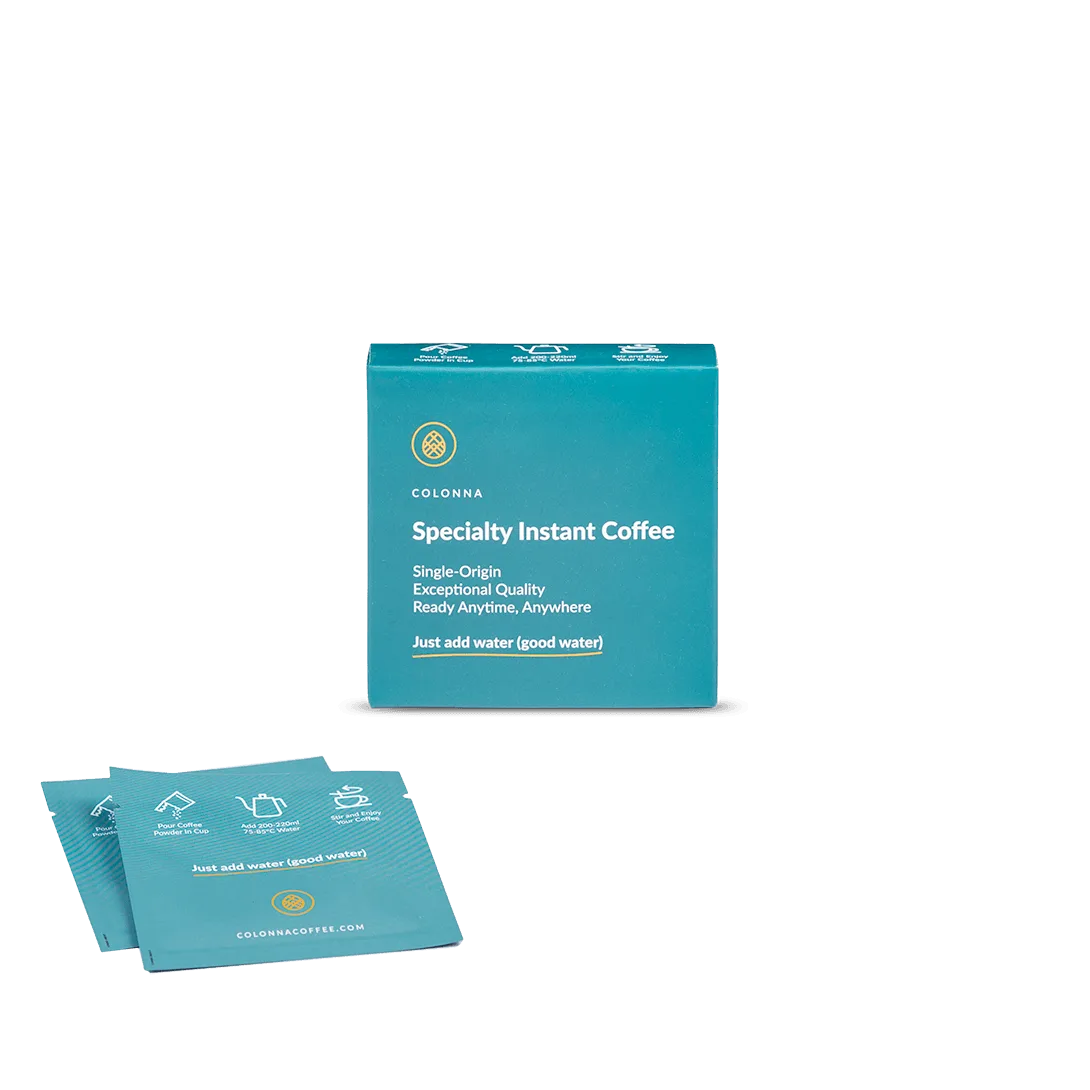
This category is growing rapidly because it solves a real problem: how to enjoy a truly excellent coffee without any equipment. Whether you are travelling, camping, or simply short on time, specialty instant coffee provides a no-compromise solution. It also reduces waste, as you only prepare the amount you need. For the curious home barista, it offers an easy entry point into exploring different origins and processing methods without investing in grinders, scales, or brewers.
- Key difference: Single-origin traceability vs. commodity blends
- Preferred method: Freeze-drying for maximum flavour retention
- Ideal for: Travel, office, or quick morning routines
Key Trends Driving the Instant Coffee Revolution
Several forces are converging to push specialty instant coffee into the mainstream. First, the global coffee market is experiencing a surge in at-home consumption, accelerated by remote work and a desire for café-quality experiences without the commute. Consumers are willing to pay a premium for convenience that does not sacrifice taste. Second, sustainability concerns are driving interest in packaging innovations. Many specialty instant brands now offer compostable or recyclable single-serve sticks, reducing the environmental footprint compared to traditional pods or bags. Third, the rise of social media and coffee influencers has created a culture of experimentation. Home brewers share recipes for instant espresso tonic, affogatos, and iced lattes, expanding the versatility of instant coffee beyond a simple hot drink.
Another notable trend is the integration of instant coffee into subscription models. Monthly coffee clubs now include instant options alongside whole beans, allowing subscribers to explore new origins in a low-commitment format. This aligns perfectly with the broader third wave coffee movement’s emphasis on education and discovery. As more roasters invest in high-quality instant lines, the stigma that instant equals inferior is rapidly disappearing.
- At-home consumption boom post-pandemic
- Eco-friendly packaging innovations (compostable sticks, reduced plastic)
- Social media recipes expanding use cases (cold brew, cocktails, baking)
How to Choose the Best Specialty Instant Coffee
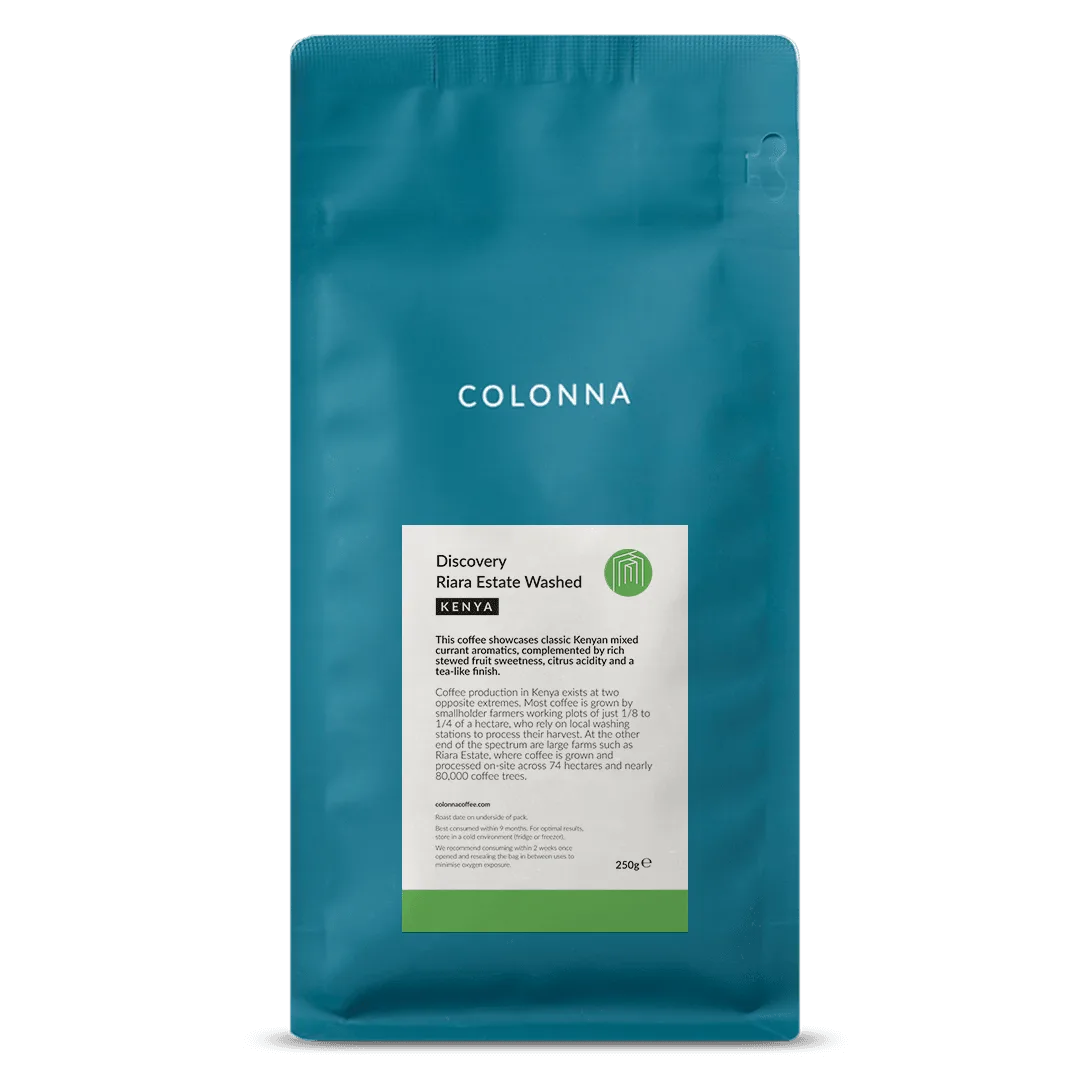
When selecting a specialty instant coffee, start by looking at the origin and processing information on the package. Just as you would for whole beans, reputable brands will list the country, region, and sometimes the specific farm or washing station. Pay attention to the roast level – light roasts tend to highlight bright acidity and fruity notes, while medium roasts offer a balanced sweetness ideal for everyday drinking. Avoid over-roasted dark instant coffees, as they can taste bitter and flat. Also, consider the format: single-serve sticks are perfect for on-the-go, while larger jars offer better value for home use.
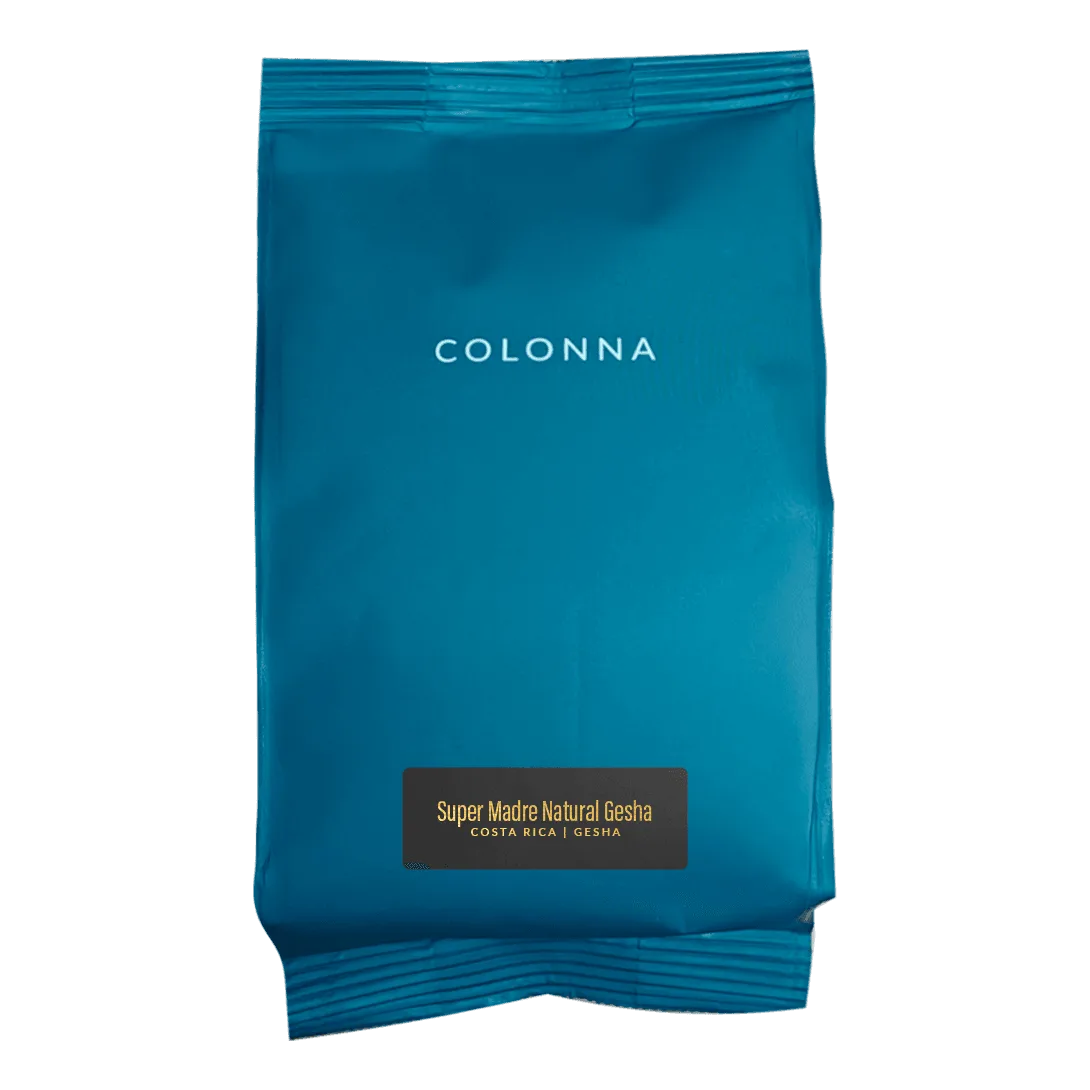
If you are new to specialty instant, start with a versatile option like a washed Ethiopian or a honey-processed Costa Rican. These profiles are clean and forgiving, making them excellent for both black drinking and milk-based preparations. For those who want to dive deeper, limited-edition microlots are sometimes available in instant form, offering a rare tasting experience without the need for brewing equipment. Finally, check the brew ratio recommended by the producer – most will suggest using 2–3 grams of powder per 200ml of water, but you can adjust to your preferred strength.
- Check origin and processing details on packaging
- Start with a washed or honey-processed single origin
- Adjust brew ratio to taste (2–3g per 200ml water)
Brewing Tips for the Perfect Cup
Making specialty instant coffee is simple, but a few techniques can elevate your cup. Always use water just off the boil (around 93°C) to avoid scalding the delicate flavours. Stir the powder into the water thoroughly, ensuring no clumps remain. For a richer mouthfeel, try dissolving the powder in a small amount of hot water first to create a concentrate, then top up with the remaining water. If you prefer iced coffee, dissolve the instant in a little hot water, then pour over ice and cold milk or water. The rapid cooling locks in the aromatics, resulting in a vibrant, refreshing drink.
You can also use specialty instant coffee as a base for cocktails or baking. A teaspoon of instant espresso powder adds depth to chocolate desserts, marinades, or even a classic espresso martini. For a simple afternoon treat, stir a packet into hot milk with a dash of vanilla syrup for an instant latte. The key is to treat the instant coffee with the same respect you would give a freshly brewed batch – use good water, measure accurately, and enjoy promptly.
- Use water at 93°C (not boiling) for optimal extraction
- Create a concentrate first for better dissolution
- Experiment with iced versions and cocktail applications
Specialty instant coffee is no longer a compromise; it is a legitimate category that celebrates convenience without sacrificing quality. Whether you are a seasoned third wave enthusiast or someone looking to upgrade your daily cup, exploring this new wave of instant options opens up a world of flavour and flexibility. Start your journey with a carefully sourced instant coffee from a trusted roaster – you may be surprised at just how good a quick cup can be.