Quick answer
Choose a robe by matching fabric to season, length to coverage, and fit to your measurements. Satin and lace robes work for special occasions, while soft mesh and stretch lace suit everyday wear. For a versatile first robe, pick a mid-thigh to knee-length satin or lace style with adjustable straps or a tie belt, and size up if you are between sizes.
A robe is the layer that changes how lingerie feels: it can add coverage, warmth, or drama without hiding the set underneath. But the wrong fabric or length often ends up pushed to the back of the drawer. This robe buying guide walks through the decisions that matter most, so you can choose a robe you will reach for again and again.
You will learn how to compare lingerie robe fabrics, weigh short vs long robe lengths, and use a simple robe size guide approach. We will also look at real Oh La La Cheri pieces to show how fabric and construction translate into everyday wear.
Lingerie Robe Fabrics: Satin, Lace, Mesh, and Vinyl
Fabric decides how a robe feels, drapes, and photographs. Satin has a smooth, fluid drape and a subtle sheen, which makes it a classic choice for special occasions. Lace and stretch lace add texture and a romantic look, but they are often less opaque, so they work best as a layering piece. Mesh is lightweight and breathable, ideal for warmer rooms or everyday wear. Vinyl is a statement fabric with a bold, structured finish and very little stretch, so fit matters more.
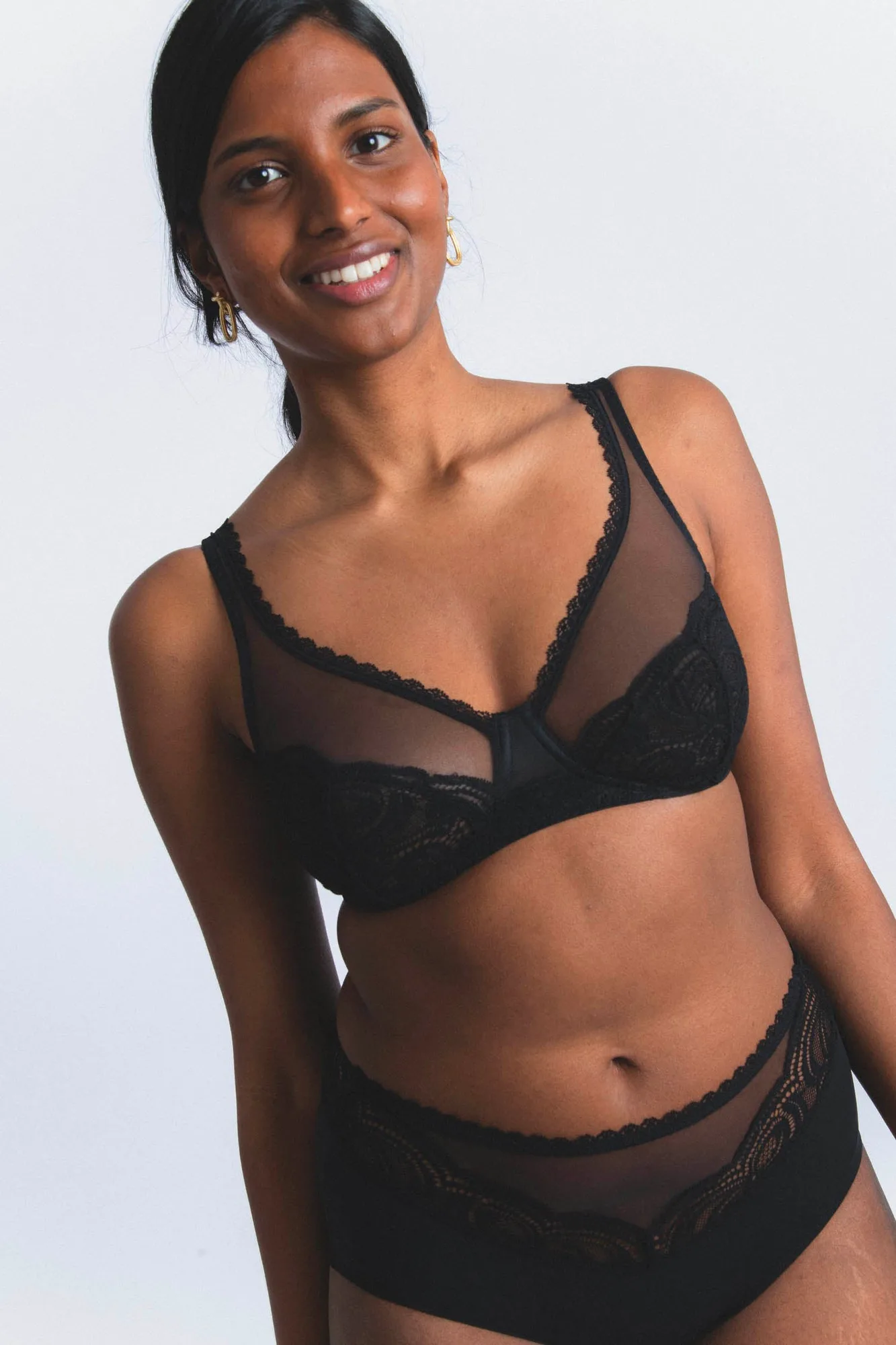
There is no single best fabric. Satin robe vs lace robe comes down to the occasion: satin for a polished, fluid look; lace for texture and a softer, more romantic feel. If you want one robe that does both, look for a style that combines satin and lace, such as the Shayla Satin & Lace 3-Piece Bra Set, which uses smooth stretch satin and delicate lace together. That mix gives you a smooth drape with a decorative edge.
- Satin: fluid drape, subtle shine, best for occasions and photos.
- Lace and stretch lace: textured and romantic, often best layered over a matching set.
- Mesh: light and breathable, good for warm rooms and everyday wear.
- Vinyl: bold and structured, with little stretch, so check the size chart closely.
Short vs Long Robe: Choosing the Right Length
Length changes both coverage and mood. A short robe, usually hitting at the hip or upper thigh, feels playful and stays out of the way. It is a good match for a teddy or a babydoll because it adds a light layer without hiding the shape of the piece underneath. A long robe, falling at or below the knee, adds drama and warmth. It works well over a bra set or a bodysuit when you want more coverage before or after an event.
Think about where you will wear it. If you mostly wear robes at home over sleepwear, a short or mid-length style is easier to move in. If you want a robe for getting ready, a longer length keeps you covered while you do your hair or makeup. For a first robe, mid-thigh to knee length is the most versatile because it covers enough to feel comfortable but does not overwhelm a smaller lingerie piece.
- Short robe: best over teddies, babydolls, and bodysuits.
- Long robe: best when you want more coverage or warmth.
- Mid-length: the most versatile first choice.
Robe Size Guide: How to Get the Fit Right
Robe sizing is less about your usual dress size and more about the measurements the robe is built around. Start with your bust and hip measurements, then compare them to the size chart for that specific style. If you are between sizes, size up: a robe that is slightly loose still looks intentional, while a robe that pulls across the bust or hips rarely does. Adjustable straps and tie belts give you room to fine-tune the fit.
Pay attention to closure type. A tie belt adjusts to your waist, while a zipper or hook-and-eye closure has a fixed fit. Open-front robes are the most forgiving because they do not need to close. If a product page does not list a measurement you need, treat that as a decision limitation and choose a style with more adjustability rather than guessing.
- Measure your bust and hips, then match to the specific style's size chart.
- Between sizes? Size up for a more comfortable drape.
- Tie belts and adjustable straps are the most forgiving closures.
Fabric Weight and Season: What to Wear When
Fabric weight affects warmth and how the robe moves. Lightweight mesh and sheer lace are best for warm rooms and summer. Satin sits in the middle: it feels smooth and slightly cool against the skin, which makes it a good choice for most indoor temperatures. Vinyl and heavier lace feel warmer and more structured, so they suit cooler months or short wear times.
If you want one robe for most of the year, choose a mid-weight satin or a satin-and-lace blend. It layers easily over a bra set, teddy, or babydoll without adding bulk. For very hot sleepers, a sheer mesh robe is the more breathable option. The goal is not to own every fabric but to match the robe to the temperature where you will actually wear it.
- Warm rooms: mesh or sheer lace.
- Most indoor temperatures: satin or satin-and-lace.
- Cooler months or short wear: vinyl or heavier lace.
How to Style a Robe With Lingerie Sets
A robe works best when it complements the piece underneath instead of competing with it. Over a teddy or bodysuit, an open-front robe lets the shape of the piece show. Over a bra set, a tie-front robe adds a soft layer that still reveals the set. If the lingerie has a lot of detail, such as straps or lace, keep the robe simpler. If the lingerie is minimal, a lace or textured robe adds interest.
Color is the easiest styling tool. A black robe layers over almost any lingerie color, while a matching tone creates a more coordinated look. For a set that already includes a garter or harness detail, choose a robe that does not add more straps at the same place. The Winnie Harness Lace Teddy, for example, has an adjustable harness choker and attached garter stays, so a simple open robe keeps those details visible.
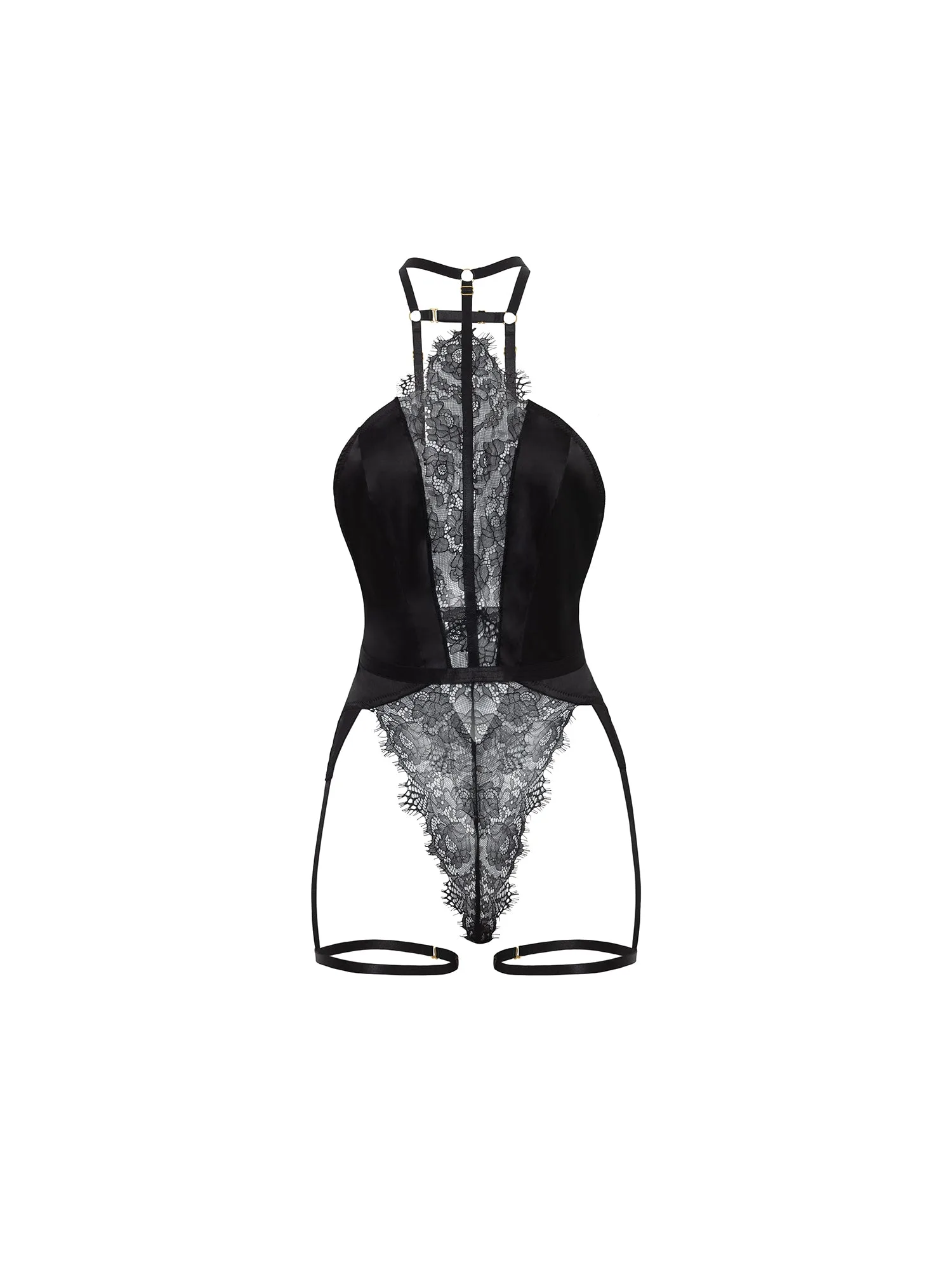
Winnie Harness Lace Teddy
- Open-front robes show off teddies and bodysuits.
- Tie-front robes add a soft layer over bra sets.
- Match tones for a coordinated look, or use black as a neutral layer.
Decision Rules: Match the Robe to the Moment
- If you want one robe for most occasions: Choose a mid-thigh to knee-length satin or satin-and-lace robe with a tie belt. This length and fabric cover the widest range of temperatures and lingerie styles.
- If you are layering over a detailed teddy or bra set: Choose an open-front robe in a simple fabric so the straps, lace, or harness stay visible. Let the lingerie be the focal point.
- If you sleep hot or wear robes in warm rooms: Choose mesh or sheer lace in a short length. Breathability matters more than coverage here.
- If you are between sizes: Size up and rely on adjustable straps or a tie belt to fine-tune the fit. A slightly loose robe drapes better than a tight one.
Product Facts That Help You Decide
- Winnie Harness Lace Teddy: Soft cup halter teddy with an adjustable harness choker in satin and lace, attached garter stays, snap closures, and a thong back. The harness and garter details are the focal point, so choose a simple open robe that does not cover the straps or add bulk at the waist.
- Shayla Satin & Lace 3-Piece Bra Set: Combines smooth stretch satin and delicate lace with an unlined underwire bra, coordinating G-string, and garter belt. The satin-and-lace mix shows how a robe in either fabric can coordinate with the set, and the unlined bra gives a natural shape that layers well under a robe.
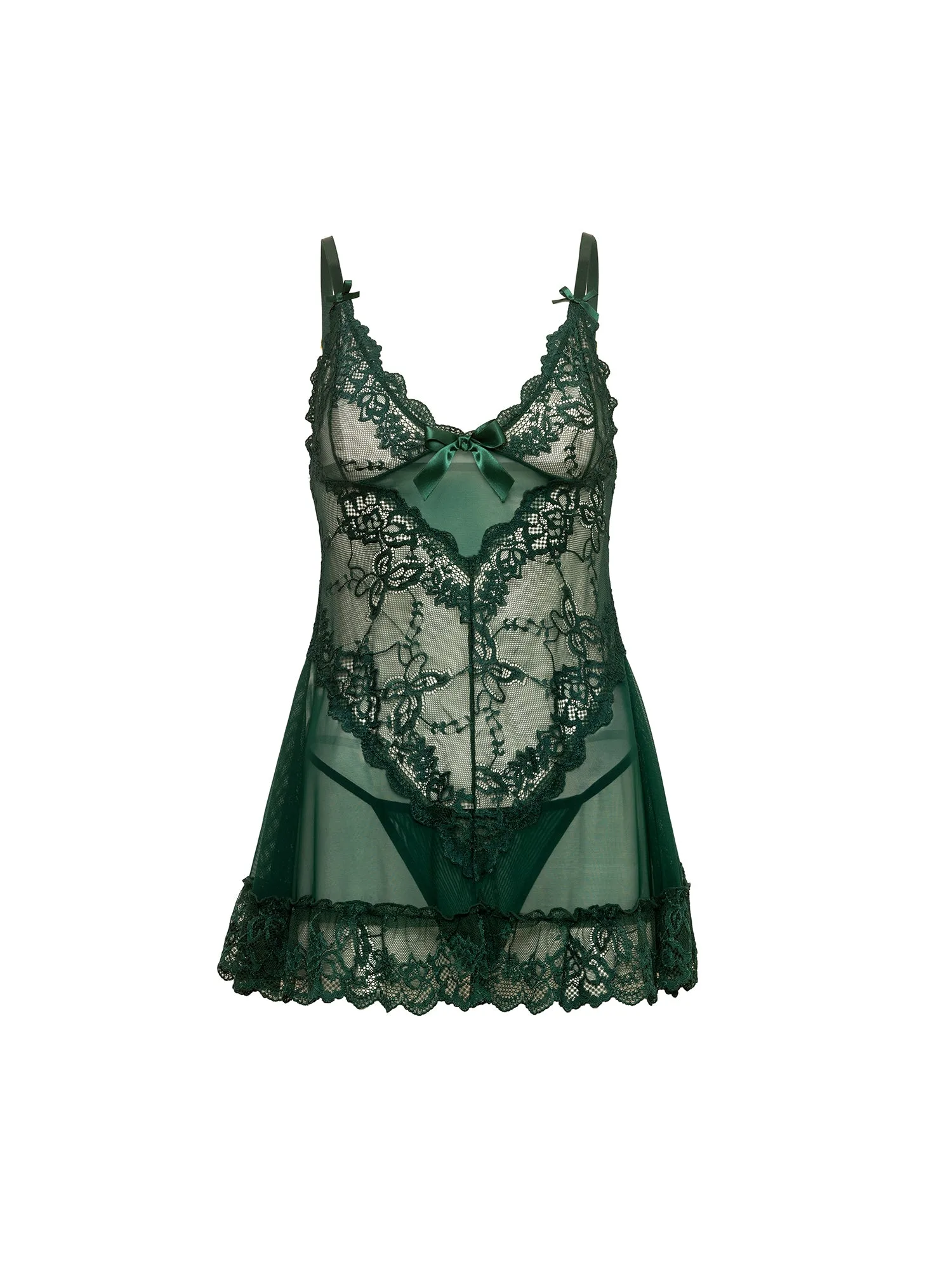
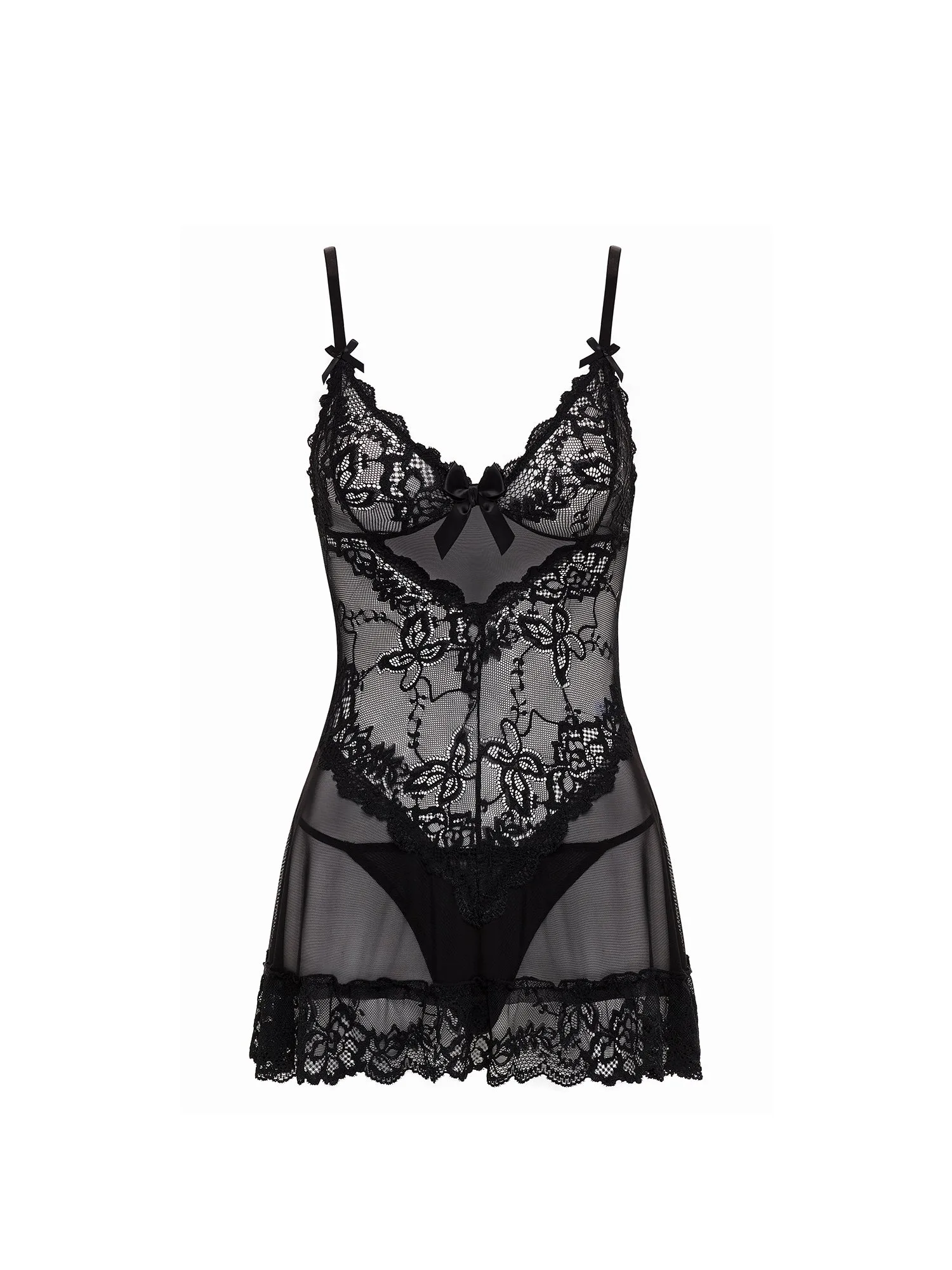
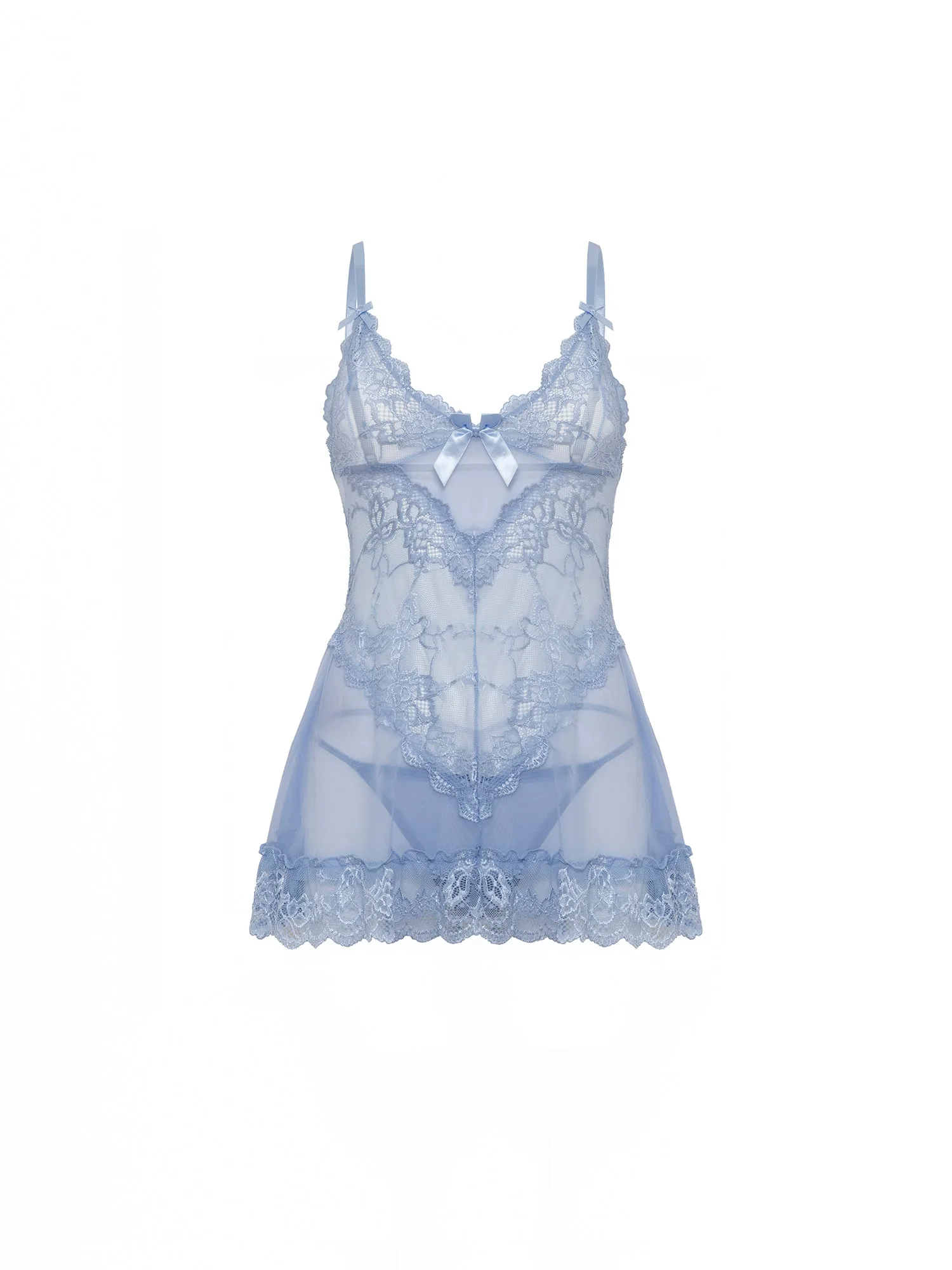
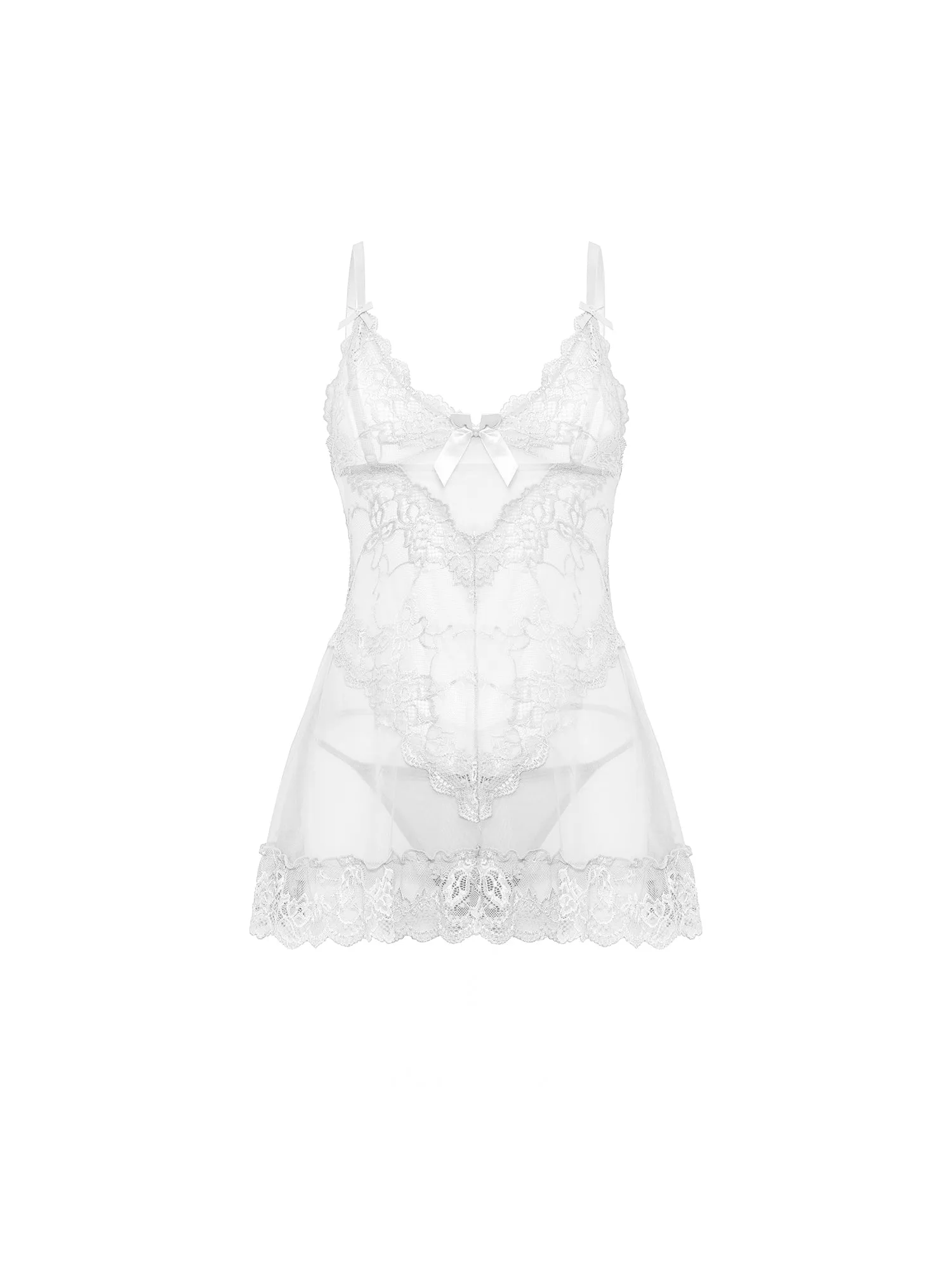
- https://ohlalacheriehg.com/products/oh-la-la-cheri-valentine-lacey-babydoll-brunnera-blue-70edb2378432a6e4ebc786be-1421538https://ohlalacheriehg.com/products/oh-la-la-cheri-valentine-soft-cup-lacey-babydoll-with-b-884bf59e9bd6a9a99a206d09-1421558https://ohlalacheriehg.com/products/valentine-lacey-babydoll-black-86fa9278a27e3f14606f3722-1421575Valentine Lacey Babydoll Set: Soft cup babydoll in floral lace and soft mesh with a center-front bow and matching G-string. The soft cups and mesh paneling make this a light layer, so a short or mid-length robe adds coverage without hiding the lace.
- Corin Open Cup Bra Set: Soft cup embroidery with strappy detailing, adjustable straps, mesh and embroidery, and an attached adjustable garter. The strappy details and open cups are designed to be seen, so an open-front robe keeps the design visible while adding a layer.
Who This Robe Advice Is For
Best for
- Shoppers choosing their first lingerie robe and unsure about fabric or length
- Anyone layering a robe over a teddy, bra set, or babydoll
- People who want a robe that works across seasons and occasions
Not for
- Shoppers looking for outerwear or a heavy winter robe
- Anyone who needs a fully opaque, full-coverage garment for everyday wear outside the home
Choose the fabric for the temperature, the length for the coverage, and the fit for your measurements. A mid-length satin or satin-and-lace robe with a tie belt is the most versatile starting point, and it layers cleanly over teddies, bra sets, and babydolls. Start there, then add a short mesh or lace robe for warmer nights.