Quick Answer
Most model rocket kits include the airframe, fins, nose cone, motor mount, recovery system, and basic hardware. However, you'll typically need to buy motors, igniters, recovery wadding, and adhesives separately. For LOC Precision kits, specific items like engine hooks or shear pins may or may not be included, so always check the kit contents before purchasing.
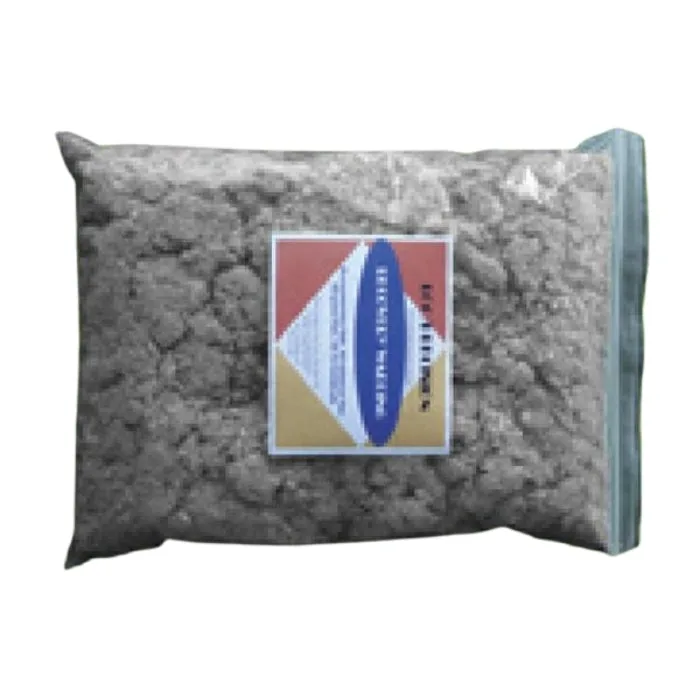
recovery wadding
When you open a model rocket kit, the excitement of building your own flyer is palpable. But to avoid mid-build surprises, it's crucial to know what's actually in the box and what you'll need to source separately. This guide breaks down the typical contents of a rocket kit and highlights the extra parts you'll likely need to purchase.
Understanding what's included helps you budget accurately and ensures you have all necessary components on hand. Whether you're a beginner or a seasoned rocketeer, knowing the difference between kit contents and separate purchases can save you time and frustration.
Typical Contents of a Model Rocket Kit
Most model rocket kits come with the essential structural components: body tubes, nose cone, fins, motor mount, and a recovery system. For example, LOC Precision kits often include laser-cut fins, pre-slotted airframes, and polypropylene nose cones. Recovery systems vary but frequently include parachutes made of ripstop nylon or other durable materials.
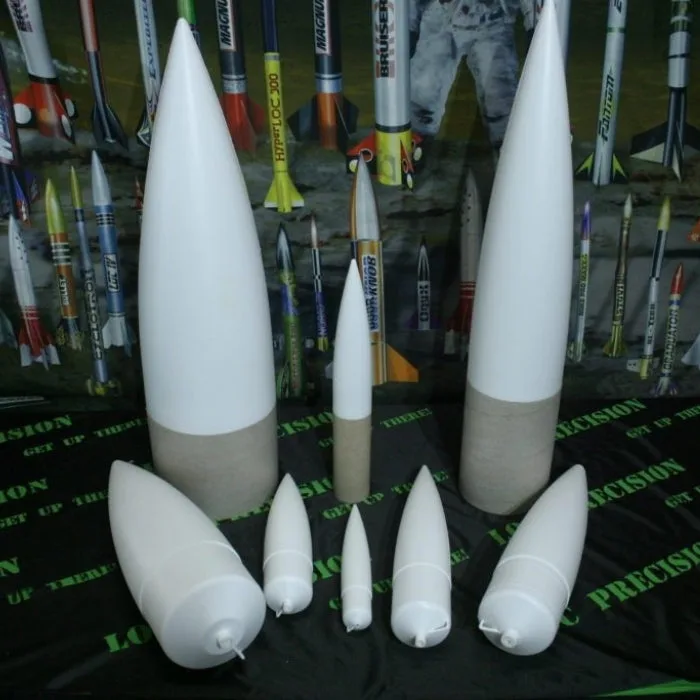
nose cones
Additionally, many kits include necessary hardware like shock cords, screw eyes, and sometimes even decals. However, the specific contents can vary widely between manufacturers and kit types. For instance, some kits may include an engine hook, while others expect you to use motor retention devices like screws or clips.
- Always review the kit's parts list before starting your build.
- Check if the kit includes a launch lug, which is needed for rail or rod launching.
Common Items You'll Need to Buy Separately
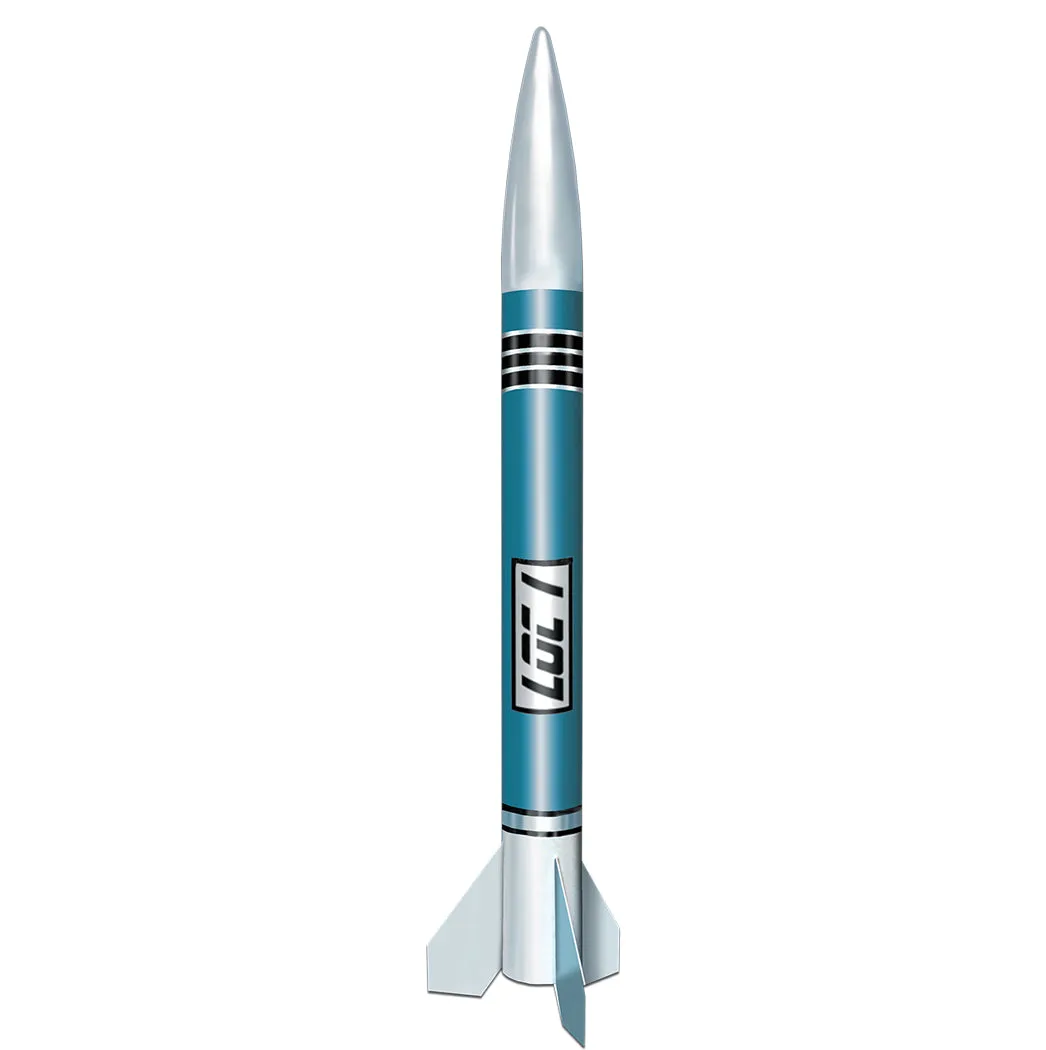
Regardless of the kit, you'll almost always need to purchase rocket motors, igniters, and recovery wadding separately. Motors are not included for safety and regulatory reasons. For example, the loc-i-magnum-25cd02385b4076a649e064f6-883920">LOC-I Magnum includes an engine hook for 18mm motors, but you'll still need to buy the actual motor (ranging from A to D impulse) separately.
Adhesives are another essential separate purchase. Most kits require plastic model cement or epoxy for assembly. Furthermore, you might need tools like hobby knives, sandpaper, and clamps. If you're planning dual deployment or flying in windy conditions, consider additional items like shear pins or charge wells, which are not typically included in basic kits.
- Invest in quality adhesives suitable for the materials in your kit.
- Consider buying extra recovery wadding to have on hand for multiple launches.
Understanding LOC Precision Kit Inclusions
LOC Precision kits are known for their durability and completeness. For instance, the LOC-I Magnum includes a pre-slotted airframe, Kevlar shock cord, laser-cut birch fins, and an engine hook. This makes it an excellent choice for beginners, as you only need to add a motor, igniter, wadding, and adhesive.
On the other hand, more advanced kits like the T-LOC 2.63 include a fire blanket to protect recovery gear and a Kevlar shock cord mount, but you'll still need to purchase a 29mm motor separately. Always check the product description to see exactly what's included, as some kits may omit items like launch lugs or specific hardware.
- For a first kit, look for one with an engine hook and pre-slotted tubes to simplify assembly.
- For high-power kits, verify if motor retention hardware is included or needs to be bought.
Essential Accessories for a Smooth Build
Certain accessories can enhance your build and flight experience. For example, shear pins are useful for securing your rocket's sections during flight, especially in dual deployment setups. The M3 Shear Pins from LOC Precision come with a tap and nylon screws, making it easy to add this safety feature to your rocket.
Similarly, charge wells are handy for organizing ejection charges in larger rockets. These small components ensure a clean ejection by holding the charge in place. While not included in most kits, they are affordable and can save you from mid-air failures.
When building a rocket, having the right tools and accessories on hand can make a significant difference. Consider investing in a good quality hobby knife, sandpaper, and a cutting mat. Additionally, having spare shock cords and parachutes can be useful for repairs and replacements.
- Keep a variety of adhesives, including epoxy and CA glue, for different materials.
- Store small parts like screws and pins in labeled containers to avoid losing them.
Decision Rules for Buying Rocket Kits
- Check the motor mount size: Ensure the kit's motor mount matches the motors you plan to use. For example, the LOC-I Magnum uses 18mm motors, while the T-LOC 2.63 requires 29mm. Buying a motor that doesn't fit is a common mistake. Verify motor compatibility before purchasing.
- Look for recovery system inclusions: Some kits include parachutes and shock cords, while others may only have a streamer or require you to buy them separately. The T-LOC 2.63 includes a ripstop nylon parachute, but lower-cost kits may not. If you want a ready-to-fly recovery system, choose a kit that includes it.
- Consider the skill level: Beginner kits like the LOC-I Magnum have pre-slotted airframes and minimal parts, making them easier to build. Advanced kits may require more complex assembly and additional components like shear pins for dual deployment. Match the kit complexity to your experience.
Product Facts
- LOC-I Magnum: LOC-I series kits are perfect for your first rocket kit! They were designed for the classroom environment and have a pre-slotted airframe that's 2x the thickness of others. Kevlar shock cord and laser cut birch fins add to the durability and strength. An engine hook is included for 18mm motors ranging from A-D impulse. Comes with vinyl decals! This kit includes most essentials, but you'll need to buy motors and adhesives separately. Its engine hook means you don't need to purchase additional motor retention hardware.
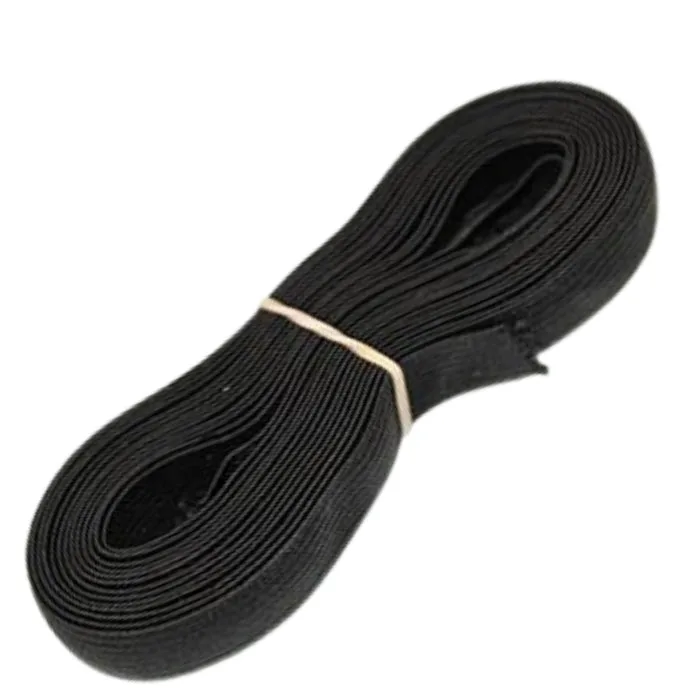
- T-LOC 2.63: T-LOC is a slightly different take on a 3 fin/cone rocket. Adding outside stabilizer makes this a super straight shot! Recovery is an 18'' ripstop nylon parachute with central spill hole making decent as straight as your ascent. Includes a fire blanket to protect your recovery gear, kevlar shock cord mount and decals. Standing 24'' tall and with a 29mm motor the 2.6" T-LOC is a great flyer for black powder... This kit includes a parachute and fire blanket, but you'll need a 29mm motor and likely recovery wadding. The fire blanket is a nice inclusion that protects your gear, but you should still check if ejection charges are included.
Choosing the Right Kit for You
Best for
- First-time builders who want a simple, all-inclusive kit like the LOC-I Magnum.
- Hobbyists looking for a mid-power rocket with a reliable recovery system, such as the T-LOC 2.63.
Not for
- Experienced high-power rocketeers who need kits with dual deployment capabilities and require separate components like shear pins and charge wells.
Understanding what's included in a rocket kit versus what you need to buy separately is key to a smooth build and successful launch. Always review the kit contents, check motor compatibility, and budget for extras like motors, adhesives, and recovery wadding. With the right preparation, you'll be ready to enjoy the thrill of rocketry without unexpected delays.