Quick Answer
When buying a rocket kit as a gift, prioritize the recipient's experience level, the kit's complexity, and the required motor size. For beginners, choose a simple kit that flies on low-power motors; for advanced flyers, opt for a high-power kit with dual deploy capabilities. Consider the available flying field and the recipient's certification level.
Giving a rocket kit as a gift is an exciting way to share the thrill of high-power rocketry. But with so many options, it's easy to feel overwhelmed. The key is to match the kit to the recipient's skills and interests, ensuring they'll enjoy building and flying it.
This guide breaks down the essential factors to consider, from complexity and motor requirements to size and budget. We'll also highlight a few popular kits to illustrate what to look for.
Assess the Recipient's Experience Level
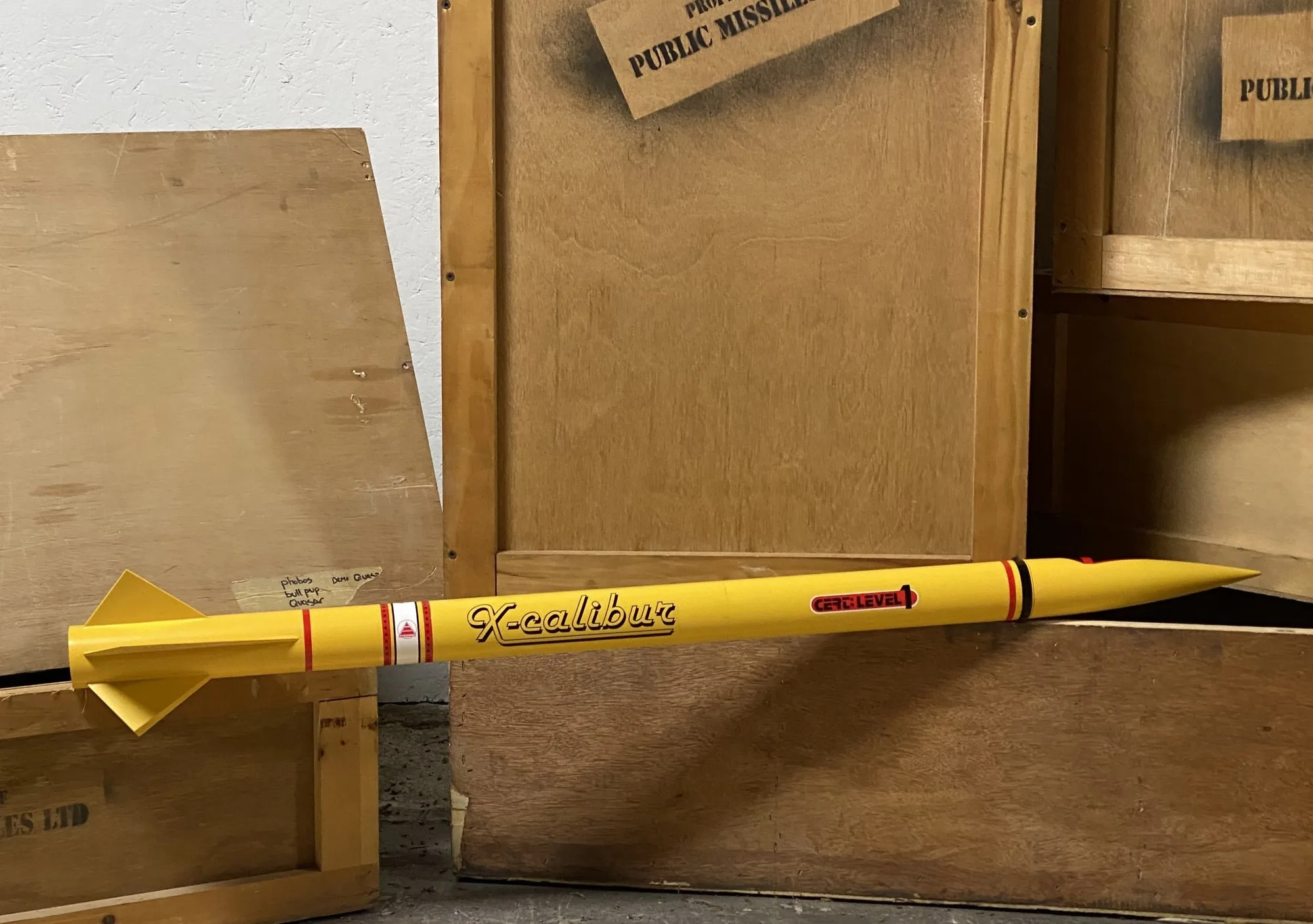
The most important factor is the recipient's familiarity with model rocketry. A first-timer needs a kit that's straightforward to build and flies on lower-power motors. Look for kits with fewer parts, larger tubes, and simple fin attachment. Kits like the PML X-Calibur are great because they can fly on G motors, making them accessible to those with some experience but not yet ready for high-power certification.
X-Calibur
For intermediate or advanced flyers, consider kits that offer more of a challenge, such as those with through-the-wall fin construction or dual deploy capabilities. These features add complexity but also provide a more rewarding build and flight experience.
- Check the kit's complexity rating if available; it's a quick indicator of build difficulty.
- If unsure, ask the recipient about their experience or what they're looking for in a rocket.
Consider Motor Size and Certification
High-power rocketry often requires certification to fly certain motor classes. Level 1 certification allows H and I motors, Level 2 covers J, K, and L, and Level 3 is for the largest motors. If the recipient isn't certified, they'll need a kit that can fly on lower-power motors or one they can grow into.
For example, the 5.5" LOC Magnum is a classic choice for Level 1 and 2 certification flights. It's designed to fly on a J350 motor, which is a Level 2 motor, but it also comes with an optional adapter for 38mm motors, making it versatile for Level 1 flyers. Similarly, the AMRAAM AIM-120C 4" flies well on H to K motors, giving room to progress.
- Always check the motor mount size and recommended motor range in the kit's specifications.
- If the recipient is not yet certified, look for kits that can fly on G or H motors, or include adapters for smaller motors.
Size, Weight, and Field Requirements
Larger rockets require more space to fly and recover. A 7.5" diameter rocket like the Phoenix or Bruiser EXP is impressive but needs a large field and possibly a waiver for high-power flights. Consider the recipient's typical flying field and local regulations.
Weight is also a factor for transport and setup. The 7.5" Phoenix, for example, weighs 20 lbs, which is a substantial rocket to haul around. If the recipient prefers portability, a smaller kit like the AMRAAM AIM-120C might be more practical.
- Measure the rocket's height and diameter; ensure the recipient has space to store and transport it.
- Check local club rules for maximum altitude and motor impulse limits.
Budget and Value
Rocket kits range from under $100 to several hundred dollars. The price often reflects the kit's size, complexity, and included features. For a gift, you want to balance cost with the recipient's enthusiasm and commitment.
The 5.5" LOC Magnum at $105.32 offers great value for a Level 1/2 kit. The PML X-Calibur at $56.15 is an affordable option that still delivers quality. On the higher end, the 7.5" Phoenix at $196.34 includes an electronics bay for dual deploy, justifying its price for serious flyers.
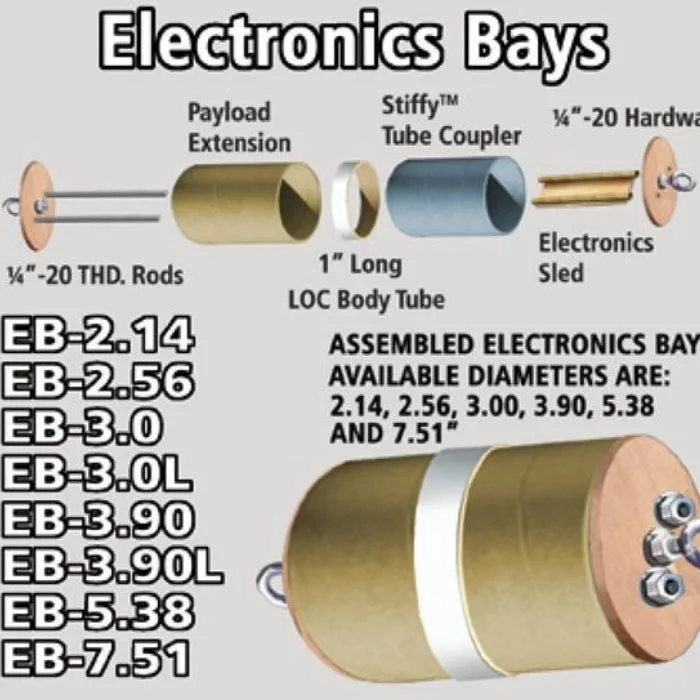
- Consider what's included: motors, recovery gear, and electronics bays add value.
electronics bays
- Don't forget to budget for additional items like motors, adhesives, and paint.
Decision Rules for Buying a Rocket Kit as a Gift
- Rule 1: Match Complexity to Skill: If the recipient is a beginner, choose a kit with simple construction and low-power motor options. For experienced builders, select a kit with advanced features like dual deploy or through-the-wall fins. Check the kit's complexity rating or ask the recipient about their experience.
- Rule 2: Verify Motor and Certification Needs: Ensure the kit's motor range aligns with the recipient's certification level. If they aren't certified, look for kits that can fly on G or H motors or include adapters for smaller motors. Review the motor mount size and recommended motors before purchase.
- Rule 3: Consider the Flying Field: Larger rockets need more space and may require waivers. If the recipient flies at a small field, choose a smaller kit or one that can fly on lower-power motors. Measure the rocket's size and check local regulations.
- Rule 4: Balance Budget and Value: Set a budget and compare what's included. Kits with electronics bays and recovery gear offer more value but at a higher price. Don't forget to factor in additional costs for motors and supplies. Look for kits that offer the best features within your budget.
Featured Kits to Consider
- X-Calibur: Six fins, a large payload section, and PML's standard G10 fins, QT airframe, and great quality make this a bird you're sure to enjoy. Another of our kits that can fly on lower-power motors, the PML X-Calibur! Comes standard with a 38mm motor mount, but can easily fly with 29mm motors using the motor retainer HAMR-38-SET and the HAMR-38/29-ADPTR. Fly it low and slow on a G motor, or put in an I and... This kit is versatile for gift-givers because it can fly on G motors, making it suitable for someone with basic high-power experience or working toward Level 1. The option to adapt to 29mm motors adds flexibility.
- 5.5" LOC Magnum: One of THE classic LOC designs, the Magnum is the perfect kit to make your Level 1 and Level 2 certification flight with. NOW REVISED to a single 54mm motor mount, a J350 motor achieves apogee at around 2200 ft using the optional MMA-4 38mm motor adapter. The Magnum 3E sports 3/8" fins, a 75mm motor mount, and an electronics bay with all recovery gear needed for dual deployment. Great for L3 attempts! Plus,... This kit is ideal for a gift if the recipient is pursuing certification. Its adaptability to different motor sizes and dual deploy capability make it a long-term investment.
Who Should Gift What
Best for
- Beginners or those with basic experience: X-Calibur or similar kits that fly on G motors.
- Certification aspirants: 5.5" LOC Magnum or AMRAAM AIM-120C for Level 1/2 progression.
Not for
- Complete novices: High-power kits like the 7.5" Phoenix or Bruiser EXP require advanced skills and certification.
- Those with limited field access: Large diameter rockets like the 7.5" Phoenix need expansive launch sites.
Choosing the right rocket kit as a gift comes down to understanding the recipient's experience, goals, and flying environment. By following these decision rules, you'll select a kit that brings joy and a rewarding build experience. For more ideas, explore our range of high-power rocket kits and accessories.