Quick Answer
For sit-down interviews where you can control the room, a handheld omnidirectional mic like the RODE Reporter is the safer pick: it captures a clean, forgiving voice track and keeps working if the subject turns their head. A camera-mounted shotgun only wins when you must stay mobile and can keep the mic aimed tightly at the speaker. If you want both options plus multitrack backup, record into a TASCAM Portacapture X8 and treat the camera mic as a scratch track.
Why Omnidirectional and Shotgun Mics Behave Differently
An omnidirectional handheld mic picks up sound from every direction around its capsule. That makes it forgiving: a subject can glance away, lean back, or gesture without dropping off-mic. The trade-off is that it also hears the room, the air conditioner, and traffic, so it rewards a quiet space.
A shotgun or on-camera mic is directional. It rejects sound from the sides and rear, which helps in noisy rooms, but only while it stays pointed at the mouth. Mount it on the camera and every pan, tilt, or handheld wobble changes the distance and angle to the speaker, so levels and tone shift mid-answer.
How the RODE Reporter Fits an Interview Setup
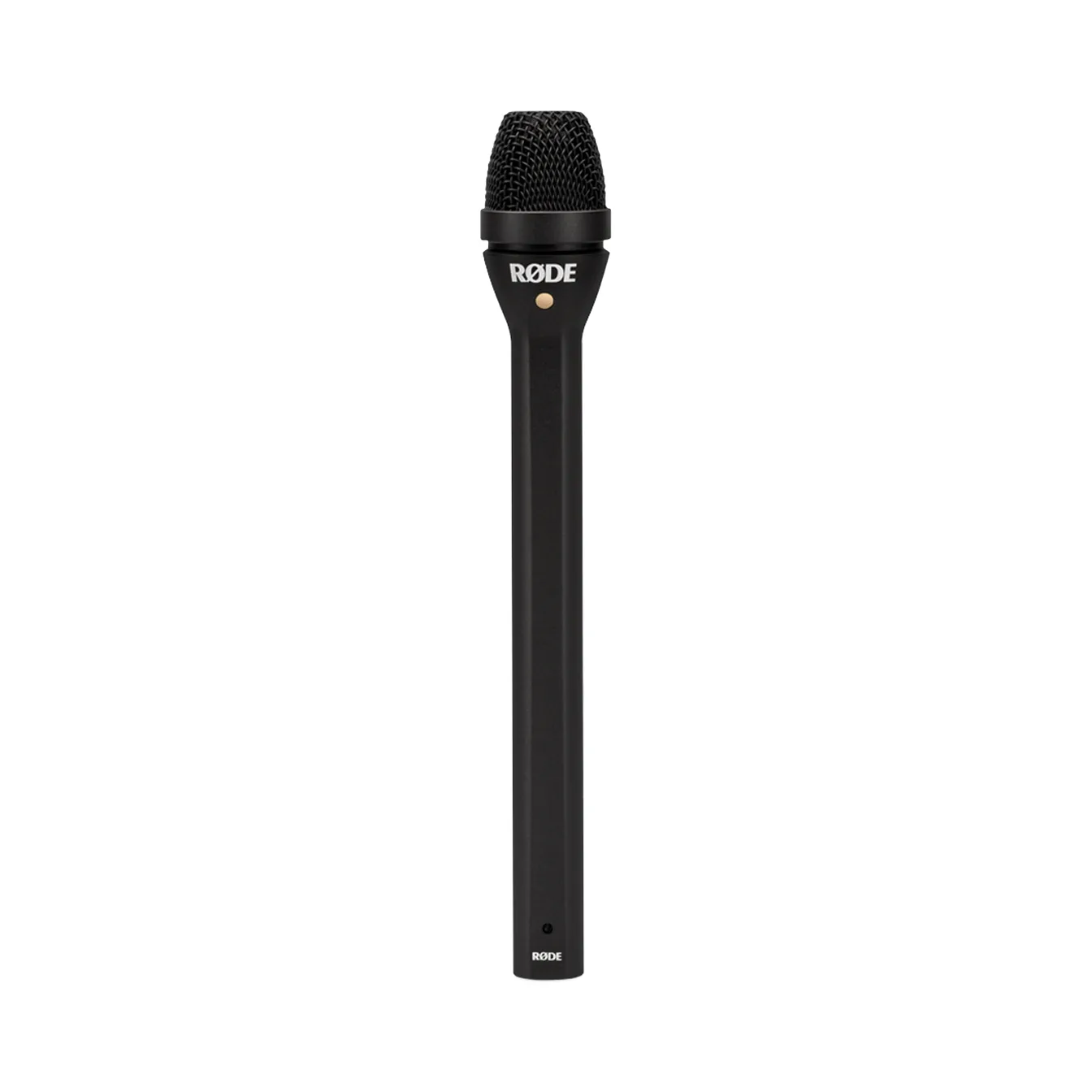
The RODE Reporter is built for handheld interview work: the reporter holds it, the subject talks into it, and the omnidirectional capsule keeps the voice consistent even when the speaker moves. Because it is a handheld mic, you control the distance, which is the single biggest factor in how full and present a voice sounds.
The catch is that you need a recorder or camera input that accepts the mic's connection, and you need a free hand. For two-person panels or a subject who fidgets, that handheld discipline is a feature, not a bug. The Camera Exchange lists this mic in Used Photo Accessories at 63.97, down from a 99.95 comparison price, with a price guarantee and rent-now option, so you can test it on one shoot before committing.
When an On-Camera Mic Is the Better Tool
If you are shooting run-and-gun, chasing a subject through a market, or filming solo without a second operator, a camera-mounted mic keeps your hands free and your rig light. It is also the fastest setup: mount it, check levels, roll.
The compromise is proximity. On-camera mics sit far from the mouth, so they pick up more room and more camera-handling noise. They work best as a reference or scratch track that you replace or reinforce in the edit, not as the only source for a paid interview.
Adding a Recorder for Multitrack Safety
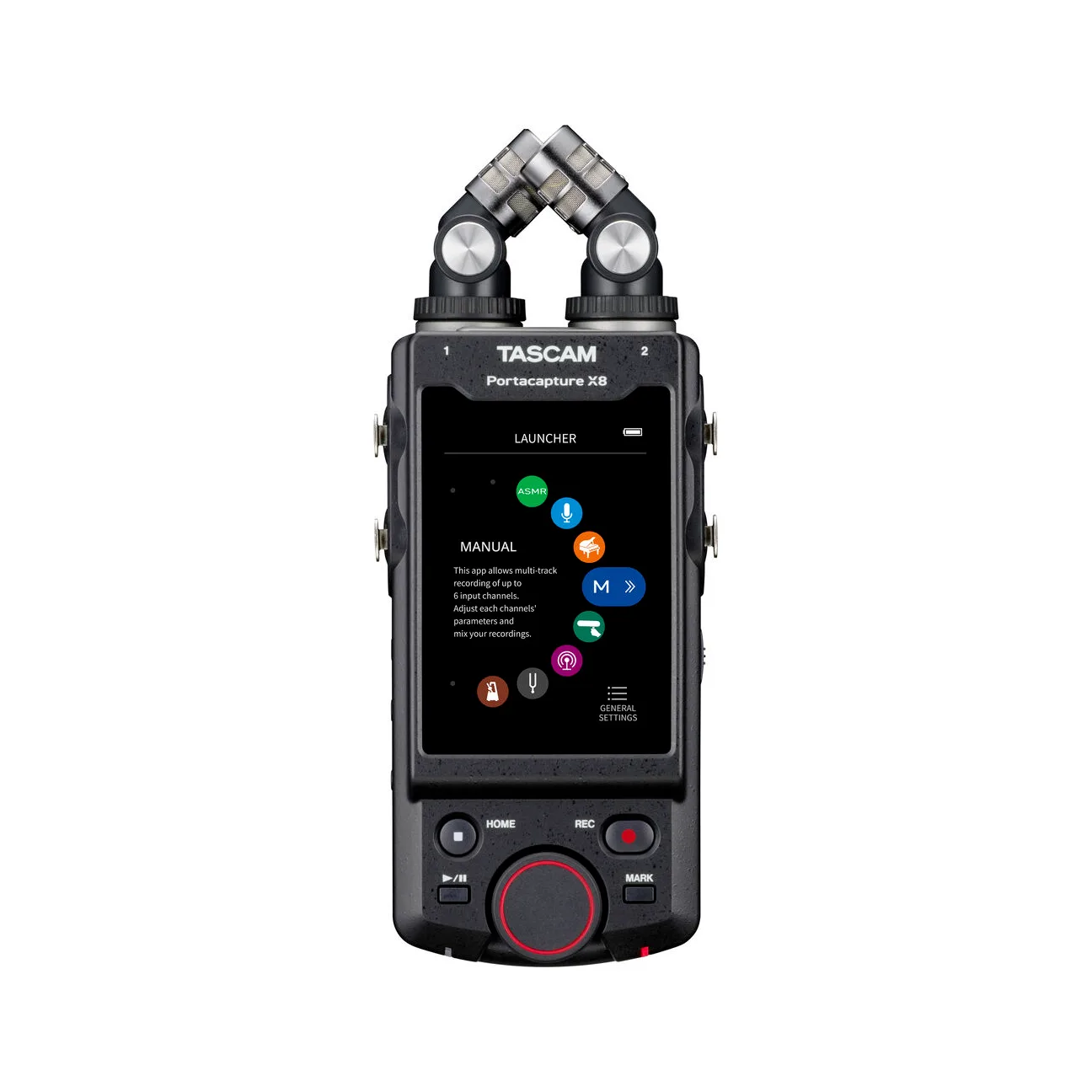
A field recorder lets you run the handheld mic on its own track while the camera mic captures a backup. The TASCAM Portacapture X8 is a 32-bit, 8-channel multitrack field recorder listed at 364.96 against a 499.95 comparison price, also with a price guarantee and rent-now option. Multitrack recording means a clipped or noisy primary track does not sink the interview.
You do not need eight channels for a two-person interview. Buy or rent the channel count you will actually use, and spend the difference on a quiet room and a second mic before you spend it on inputs you will never arm.
Trade-Offs at a Glance
- Room noise: Omnidirectional handheld mics hear the whole room; directional on-camera mics reject more of it but only while aimed correctly. Choose the handheld when the room is quiet, the shotgun when it is not.
- Subject movement: A handheld mic stays consistent as the subject turns or gestures; an on-camera mic changes tone and level with every camera move. For animated speakers, keep the mic in hand or on a stand.
- Setup speed: On-camera mics mount and roll in seconds; handheld plus recorder takes longer to place, monitor, and check. Solo run-and-gun favors the camera mic; planned interviews favor the handheld.
- Editing safety: Recording the handheld and camera mic to separate tracks gives you a fallback if one source is unusable. A multitrack recorder is cheap insurance against a lost interview.
Product Facts
- RODE Reporter Omnidirectional Handheld Interview Microphone: RODE Reporter Omnidirectional Handheld Interview Microphone, listed in Used Photo Accessories at 63.97 with a 99.95 comparison price, price guarantee, and rent-now option. A handheld omnidirectional capsule is the forgiving choice for sit-down interviews where the subject may move or turn away.
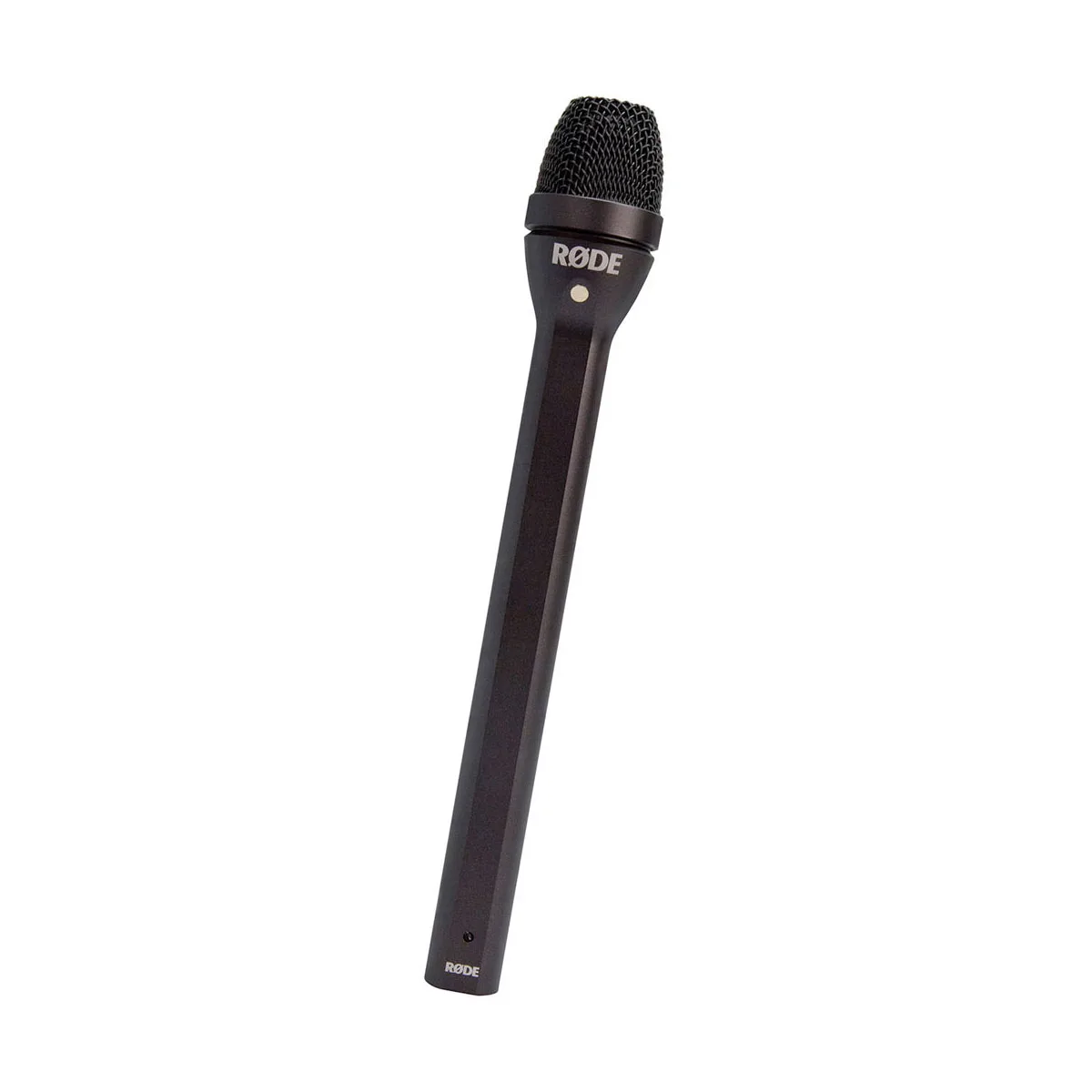
RODE Reporter Omnidirectional Handheld Interview Microphone
- TASCAM Portacapture X8 32-Bit 8-Channel Multitrack Field Recorder: TASCAM Portacapture X8 32-Bit 8-Channel Multitrack Field Recorder, listed at 364.96 with a 499.95 comparison price, price guarantee, and rent-now option. Multitrack recording lets you keep the handheld mic and a camera scratch track on separate channels so one bad take does not ruin the interview.
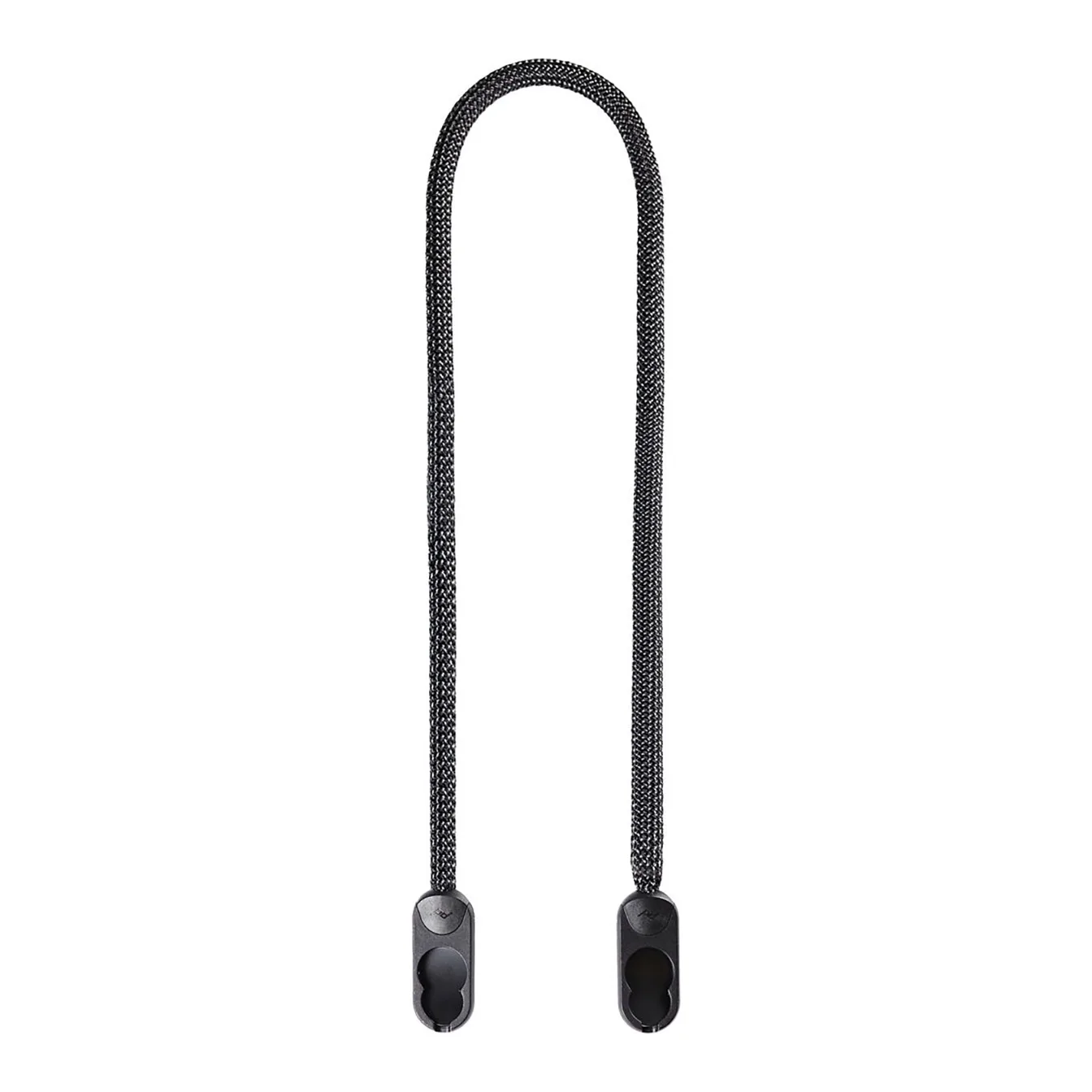
- Peak Design Form Rope Camera Strap (Black, 30.9″): Peak Design Form Rope Camera Strap (Black, 30.9 inch), listed in Camera Straps at 27.87 with a 44.95 comparison price, price guarantee, and rent-now option. A secure strap keeps a handheld-mic rig or camera from being dropped when you are juggling a recorder and a subject.
Which Setup Fits Your Shoot
Best for
- Sit-down interviews in a controlled, quiet room
- One-person crews who can hold or stand-mount the mic
- Shoots where the subject turns or gestures while talking
- Editors who want a clean primary voice track plus a backup
Not for
- Run-and-gun shoots where both hands must stay on the camera
- Loud rooms where an omnidirectional mic would capture too much background
- Single-system shooters who never plan to sync separate audio